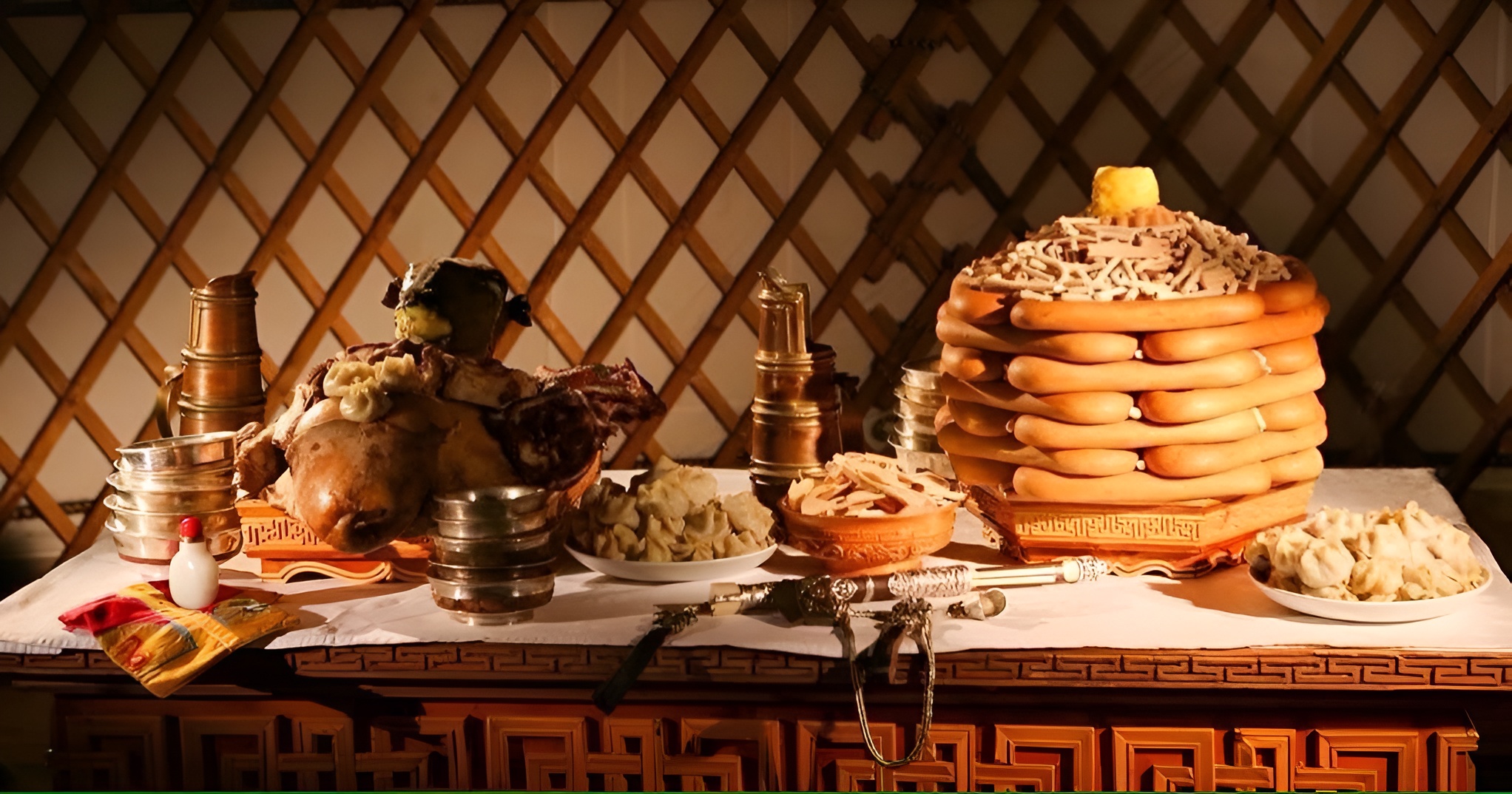
Tsagaan Sar's table centers on white (dairy) foods, milk tea, buuz dumplings, a whole boiled sheep's back called uuts, and frozen airag saved from the previous summer. The "white" symbolism behind the holiday's name shows up directly in the food, with dairy dishes meant to represent purity and a clean start to the new year. In 2026, Tsagaan Sar took place February 17–20; the next occurrence is February 6–8, 2027.
Milk Tea (Suutei Tsai)
Milk tea is the first thing offered to any guest during Tsagaan Sar, and one of Mongolia's most common drinks year-round, especially in winter.
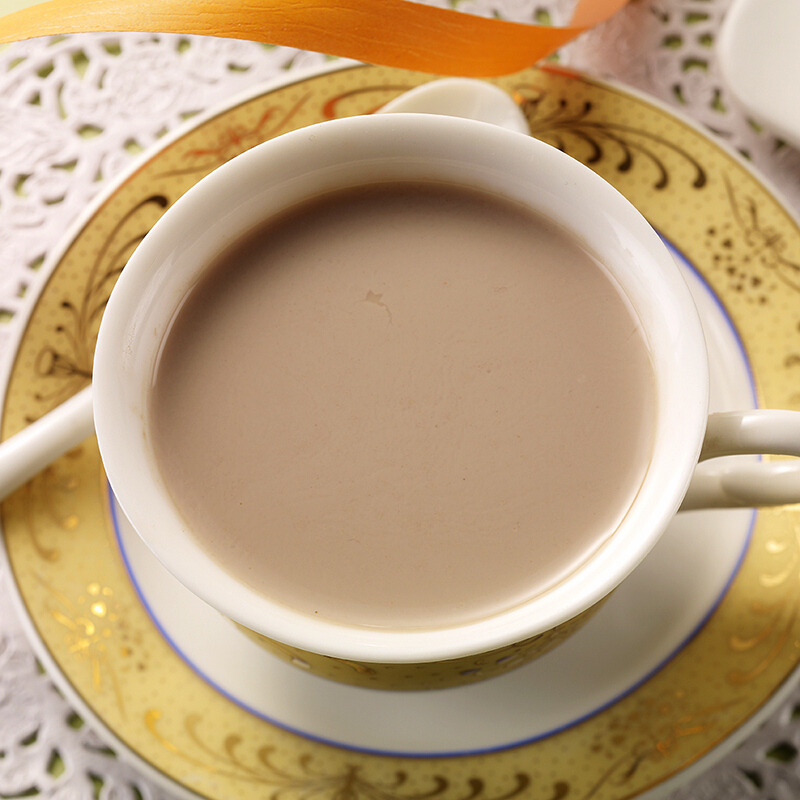
- Made from water, tea leaves, milk, and a pinch of salt, though the salt is optional
- Traditionally made with cow's milk, though goat, sheep, or camel milk are also used
- The tea is aerated by scooping and pouring it from a height above the pot repeatedly before serving
- Often includes extras like sheep tail fat, rice, dried meat, or small dumplings, turning it into more of a light meal than a simple drink
- By custom, the woman of the household prepares it each morning, offering the first portion to the earth and sky before serving the men of the family
Tsagaalga
Tsagaalga is typically the second dish offered to guests, made from curd combined with clotted cream, butter, milk, flour, sugar, and raisins.
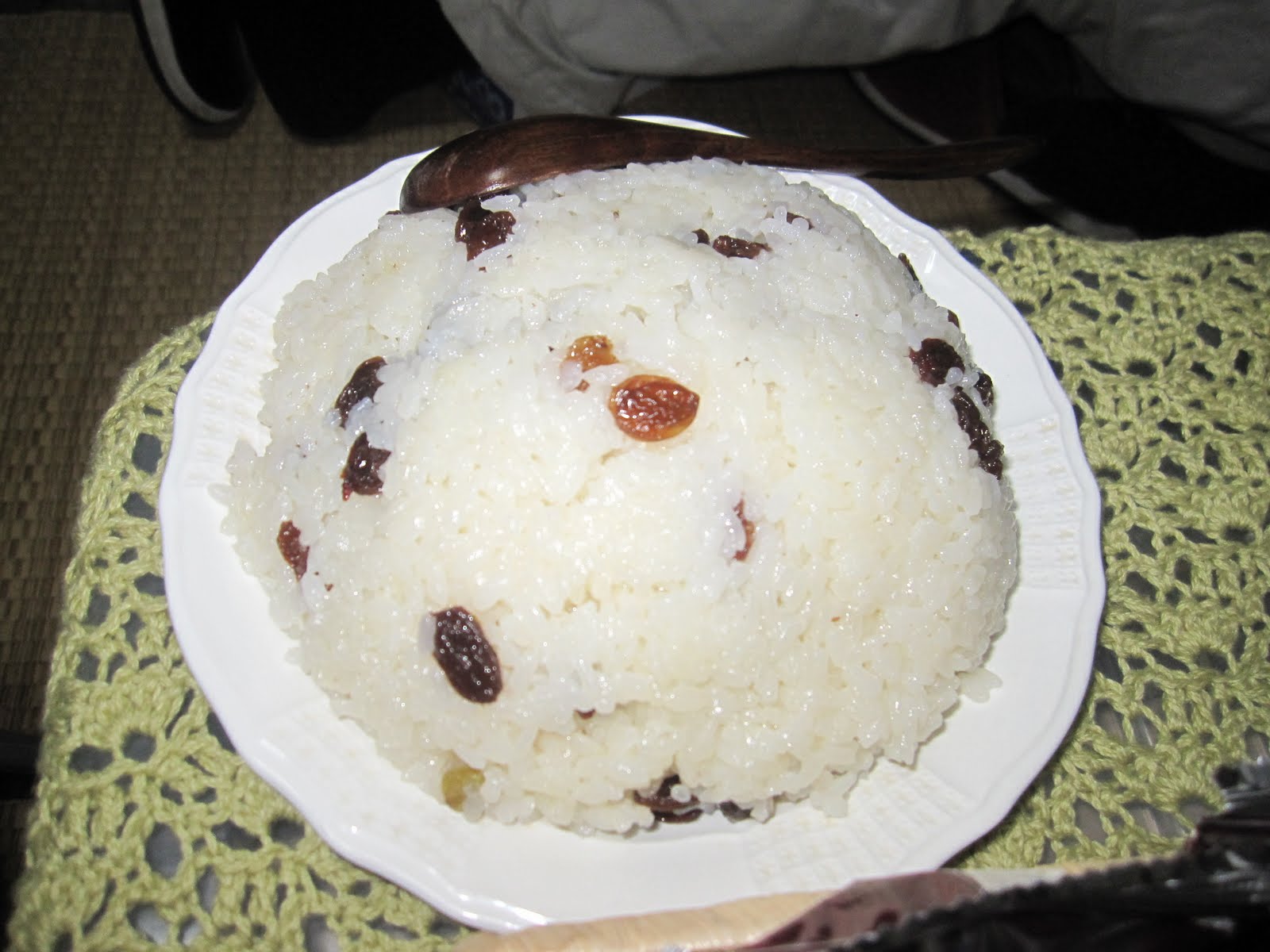
- Curd is the defining ingredient, tying the dish directly to the holiday's dairy symbolism
- Traditionally believed to "whiten" and purify the new year ahead, in keeping with the holiday's white theme
Ul Boov (Layered Pastry Tower)
Ul boov, meaning "shoe sole" for its shape, is the most visually distinctive item on the Tsagaan Sar table, stacked into a decorated tower at the center of the feast.
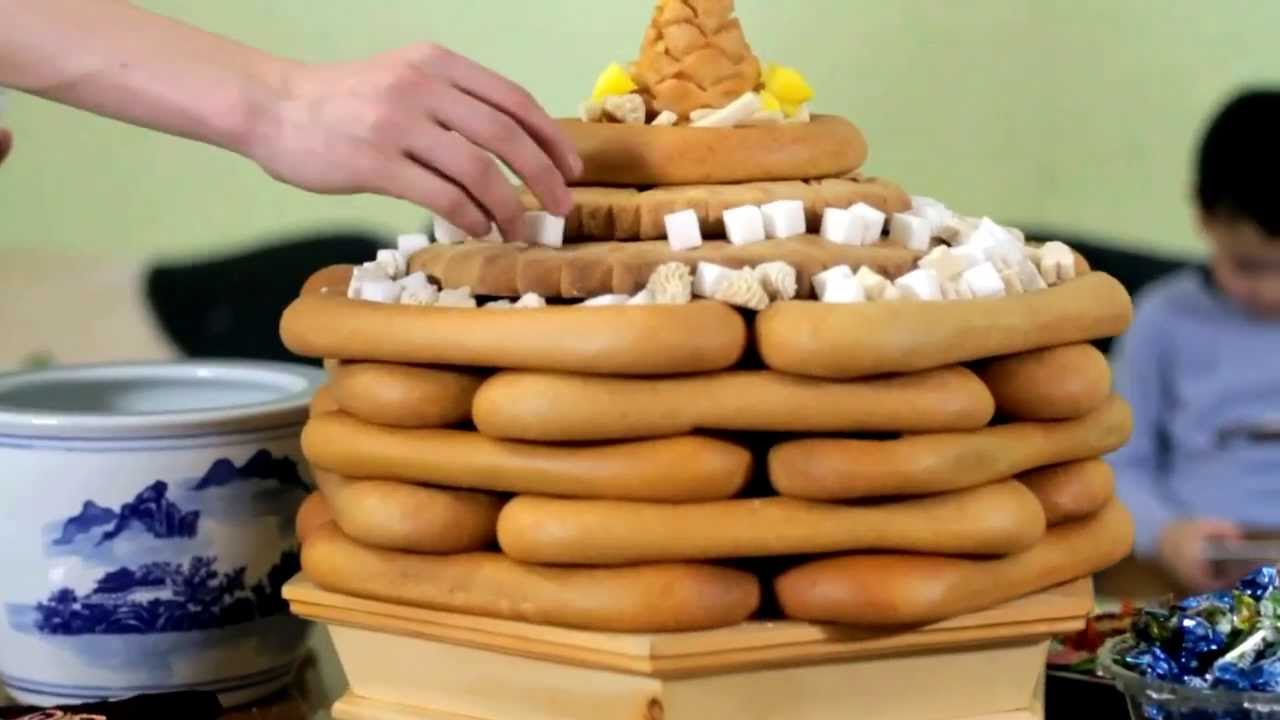
- Each layer is made of four pastries, symbolizing the four cardinal directions
- Layers are always stacked in odd numbers, since Mongolian tradition treats odd numbers as symbolically significant
- The number of layers reflects the household's age and status: younger families typically stack three layers, middle-aged families five, and households with elders in their seventies (or state ceremonies) may stack seven or nine
- The bottom layer represents happiness and the second represents hardship, but the stack is always arranged so the top layer returns to happiness
- A round cake sits on top, and the tower is decorated with dairy products, sugar cubes, and candy that guests pick at with their fingers
- Guests taste from the top first; after the holiday, the pastries are shared among family members, often eaten with milk tea at breakfast
Uuts (Whole Sheep's Back)
Uuts is a whole sheep's back, including the fatty tail, boiled two to three days before the holiday and kept outside in the cold to preserve it.
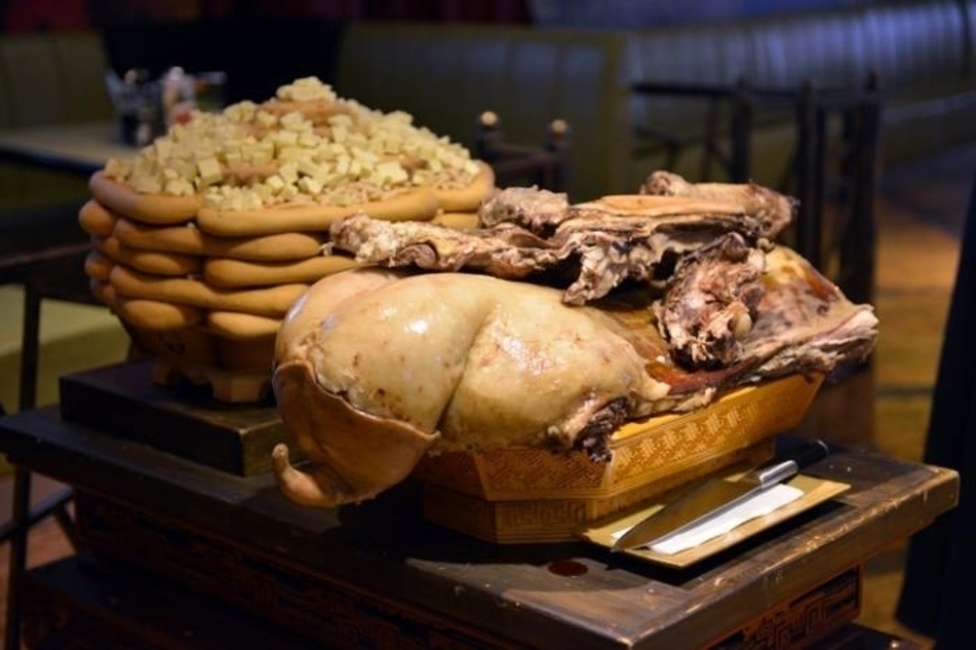
- Traditionally served at major feasts, including both Tsagaan Sar and weddings
- On Bituun (New Year's Eve), the head of household cuts the first slices and offers them to the fire and sky before the family eats
- Guests are typically offered a taste, cut and served directly by the host
- Kept in a cold place, traditionally outdoors, between servings to prevent spoiling over the multi-day celebration
Airag (Fermented Mare's Milk)
Airag is more closely associated with summer, since mares are milked between roughly June and September, but families freeze batches specifically to serve during Tsagaan Sar.
- Made by fermenting raw mare's milk over hours or days, often with regular stirring
- Naturally carbonated and mildly alcoholic, generally in the range of 1–3%
- Tastes slightly sour, with flavor varying by region and household
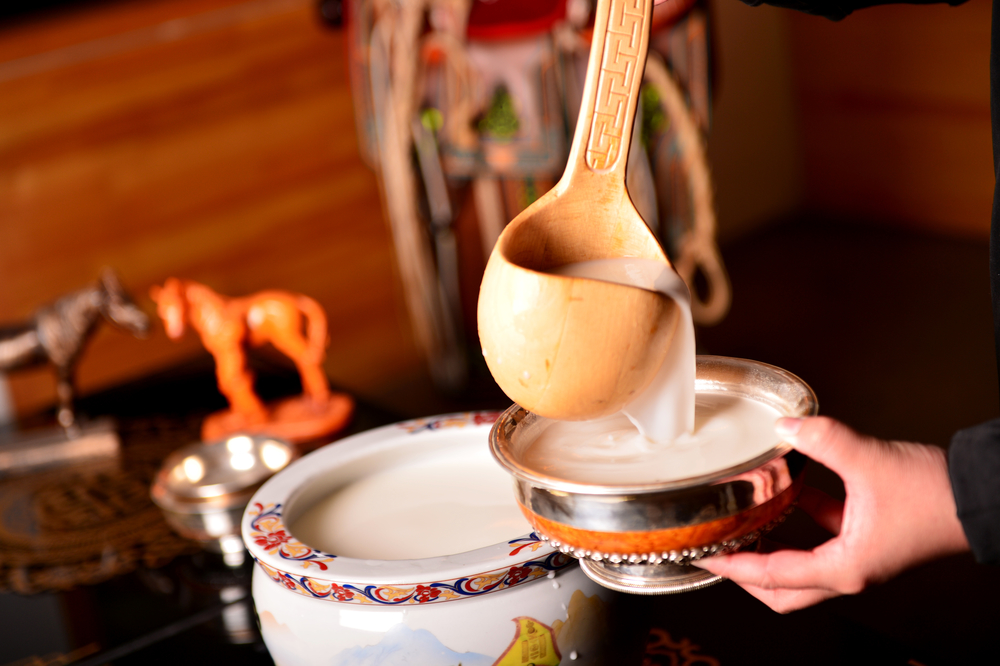
For more on how airag is made and how to drink it politely as a guest, see our full guide: What Is Airag?
Buuz (Steamed Dumplings)
Buuz are the most-eaten dish of the entire holiday, and households with elder family members often prepare enormous batches in advance.
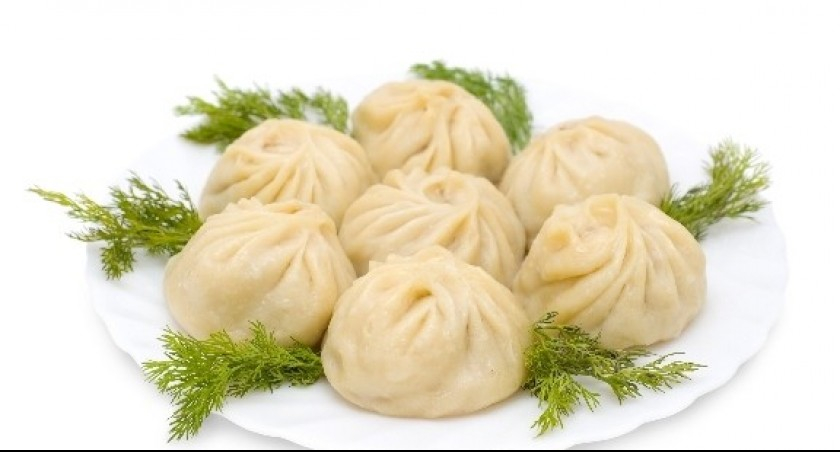
- Made from flour, minced meat (usually beef or mutton), onion, salt, pepper, and cumin
- Families frequently prepare buuz weeks ahead of the holiday and freeze them outdoors, taking advantage of Mongolia's cold winter as natural refrigeration
- A household hosting many guests may prepare around 1,000 buuz or more for the holiday
- Making buuz is typically a group activity, with different family members handling the dough, the filling, the sealing, and the freezing
- Occasionally, a coin is hidden inside one buuz; finding it is considered good luck for the year ahead
- Guests are expected to eat at least one buuz before leaving a household during a Tsagaan Sar visit
Rounding Out the Table
Beyond the core dishes above, a full Tsagaan Sar spread typically also includes:
- Vodka and other spirits, often used for toasts
- Non-alcoholic beverages
- Fresh and dried fruit
- Nuts and candies
- A variety of salads
Going hungry, or appearing to refuse food, during Tsagaan Sar is considered inappropriate, so guests are generally expected to eat and drink at least a little at each home they visit.
Practical Tips for Travelers Joining a Tsagaan Sar Meal
- Pace yourself. Since visits continue across multiple households over several days, eating a small amount at each stop is more sustainable than filling up at the first house.
- Accept with your right hand or both hands. This applies to food, drink, and any small gifts offered during the visit.
- Try a bit of everything offered, even in small amounts, since declining outright can come across as impolite.
- Expect some alcohol. Vodka and airag are both commonly offered, so plan accordingly if you're visiting several homes in one day.
- Say thank you in Mongolian. "Sain khoollooroi" is a polite way to wish someone a good meal, and "bayarlalaa" means thank you.
Discover Mongolia Travel has operated since 2004 and organizes Tsagaan Sar experiences that let travelers join a local family's holiday meal and take part in these food traditions firsthand.
Frequently Asked Questions
What food is eaten during Tsagaan Sar?
Core dishes include milk tea, tsagaalga (a dairy dish), ul boov (a layered pastry tower), uuts (a whole boiled sheep's back), airag, and buuz, alongside vodka, fruit, nuts, and salads.
Why is dairy so important during Tsagaan Sar?
The holiday's name means "White Moon," and dairy products symbolize purity and a clean start, which is why dairy dishes appear first and prominently on the holiday table.
How many buuz do families make for Tsagaan Sar?
Households hosting many guests, especially those with elder family members, often prepare around 1,000 buuz or more, frozen in advance and steamed as needed throughout the holiday.
Is airag available during Tsagaan Sar, given it's a summer drink?
Yes. Families freeze airag made during the summer milking season specifically to serve during Tsagaan Sar in February.
What is ul boov and why is it stacked in odd numbers?
Ul boov is a decorated pastry tower, stacked in odd numbers of layers because Mongolian tradition treats odd numbers as symbolically significant, with the arrangement always ending on a layer representing happiness.
Is it rude to refuse food during Tsagaan Sar?
Yes, generally. Guests are expected to taste what's offered at each household, and appearing to go hungry during the holiday is considered inappropriate.
What should I say to thank a host during Tsagaan Sar?
"Bayarlalaa" means thank you, and "sain khoollooroi" is a polite way to wish someone a good meal.
Start planning your Mongolia travel
Discover Mongolia has organized tailor-made tours since 2004.
We handle flights, accommodation, guides, vehicles — you focus on the journey.