How Does Mongolian Horse Racing Work? Naadam Guide 2026
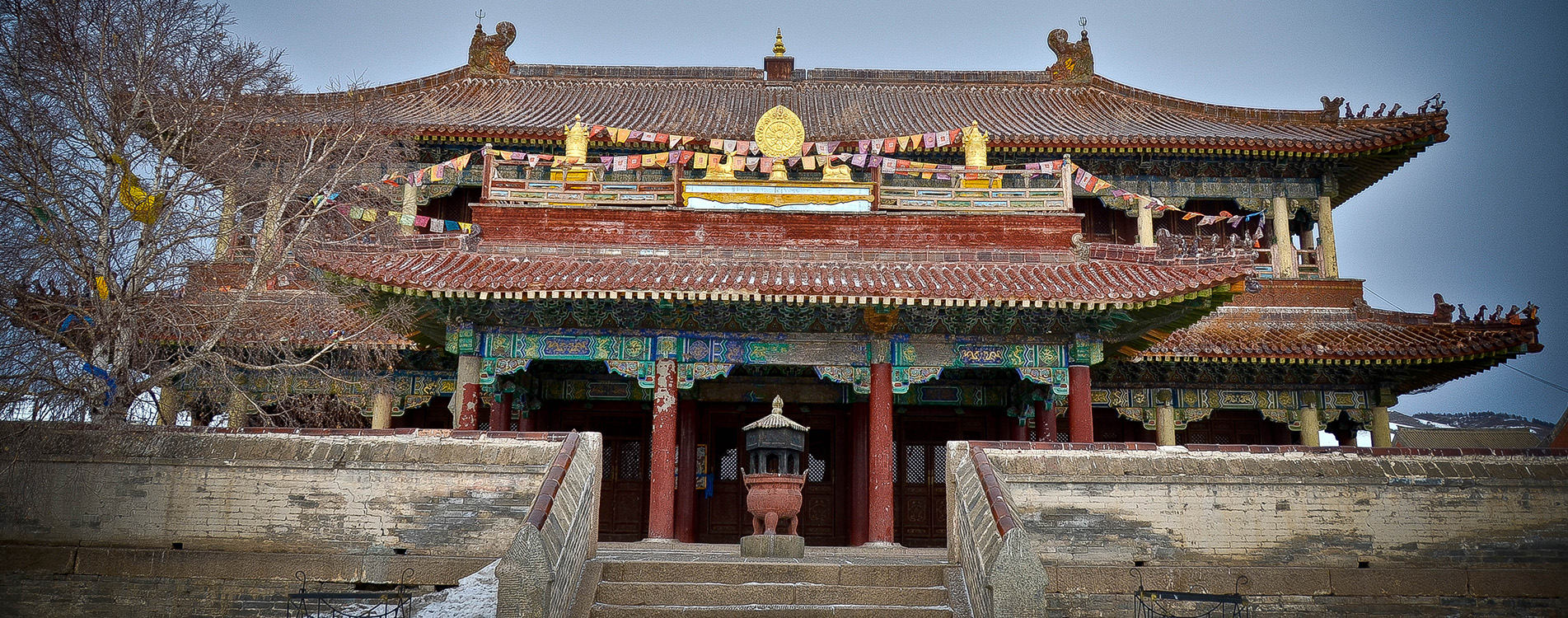
The top architectural landmarks in Mongolia include Erdene Zuu Monastery near ancient Karakorum, Amarbayasgalant Monastery, Tuvkhun Monastery, Zaisan Hill Memorial in Ulaanbaatar, and the Genghis Khan Equestrian Statue Complex. Together they cover Buddhist monastic architecture, Soviet-era memorials, and modern monument design, and most can be reached on day trips or short overland routes from Ulaanbaatar.
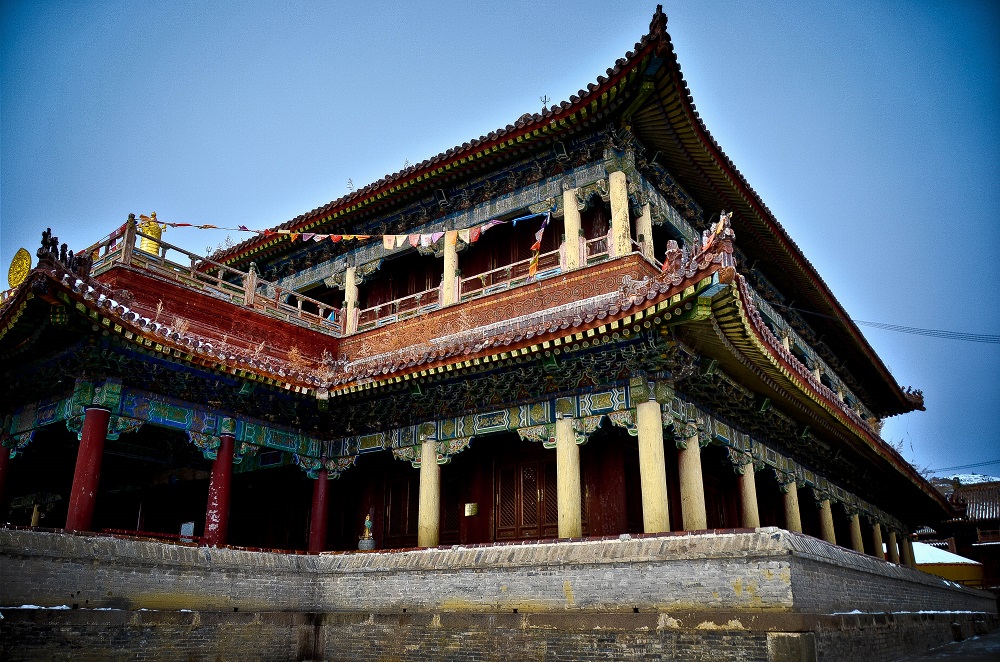
Kharkhorin sits on the site of Karakorum, the 13th-century capital of the Mongol Empire under Genghis Khan and his successors. The surrounding area holds ruins and stone monuments dating back well over a thousand years, making it one of Mongolia's richest historical sites.
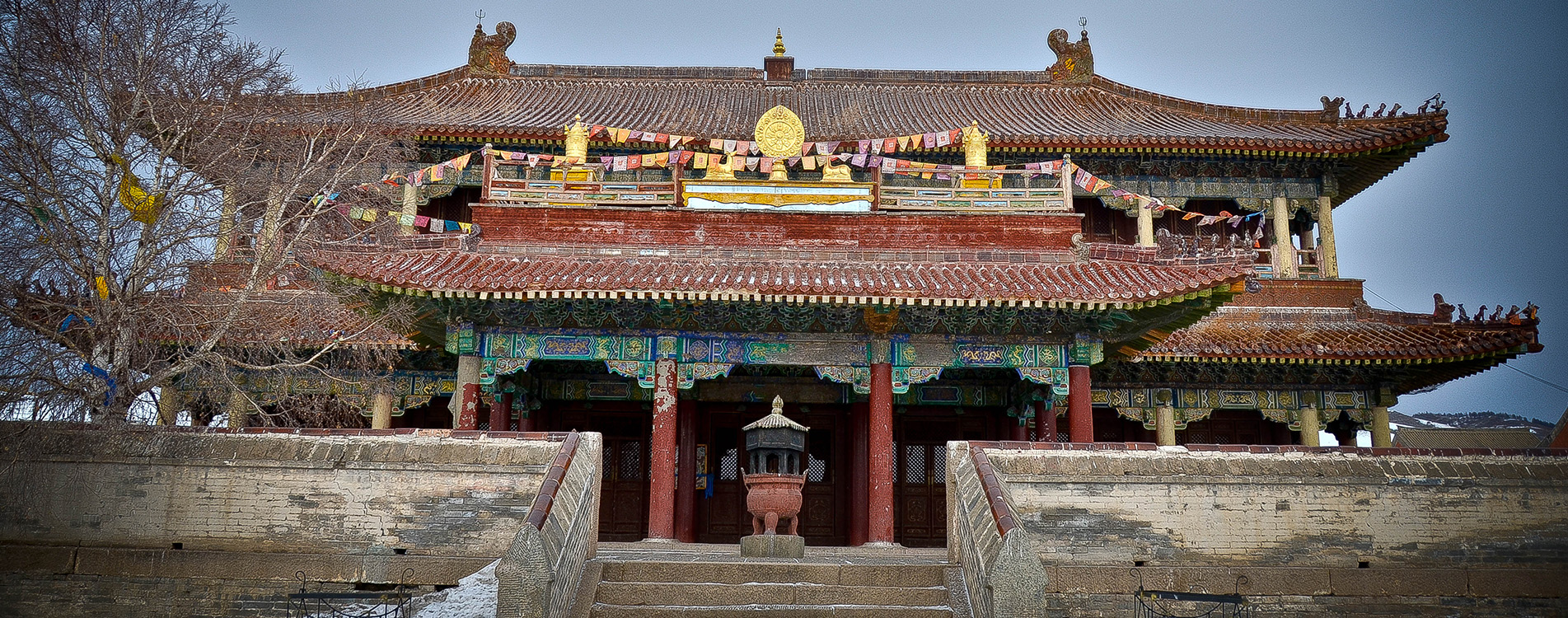
A short walk from the town center brings you to Erdene Zuu Monastery, built starting in 1585–1586 by Abtai Sain Khan, grandfather of the religious leader Zanabazar. It was the first Buddhist monastery in Mongolia, built in part from stones taken from the ruined city of Karakorum.
Amarbayasgalant is one of the three largest Buddhist monastic complexes in Mongolia. It was constructed between 1727 and 1736 as a resting place for the remains of Zanabazar, which arrived at the site in 1779.
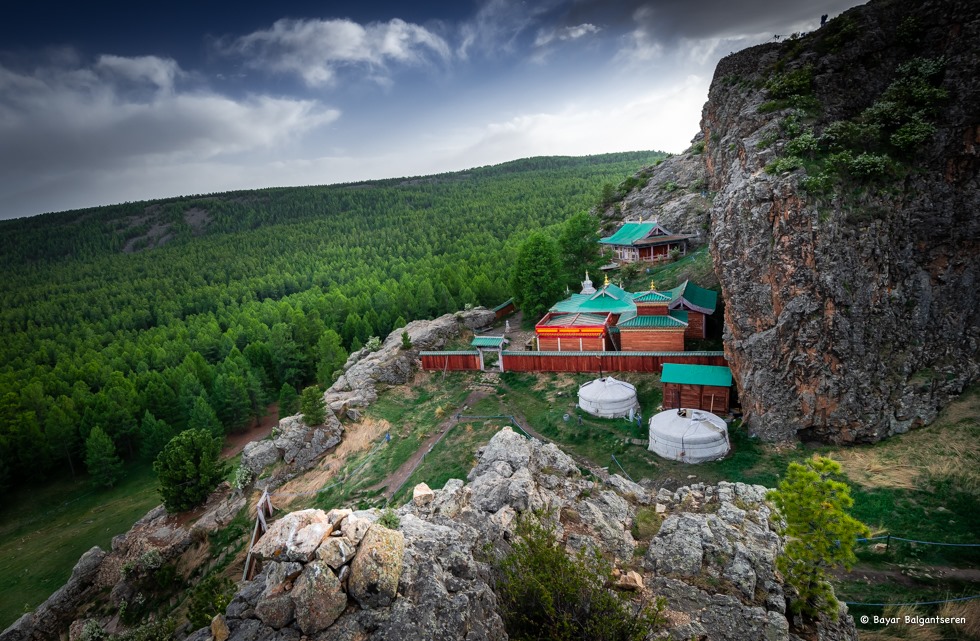
Tuvkhun is one of the oldest Buddhist monasteries in Mongolia and pairs well with a visit to nearby Kharkhorin. It was built in 1648, established by Zanabazar while he was still a teenager, though already recognized as the spiritual head of Buddhism in what was then Outer Mongolia.
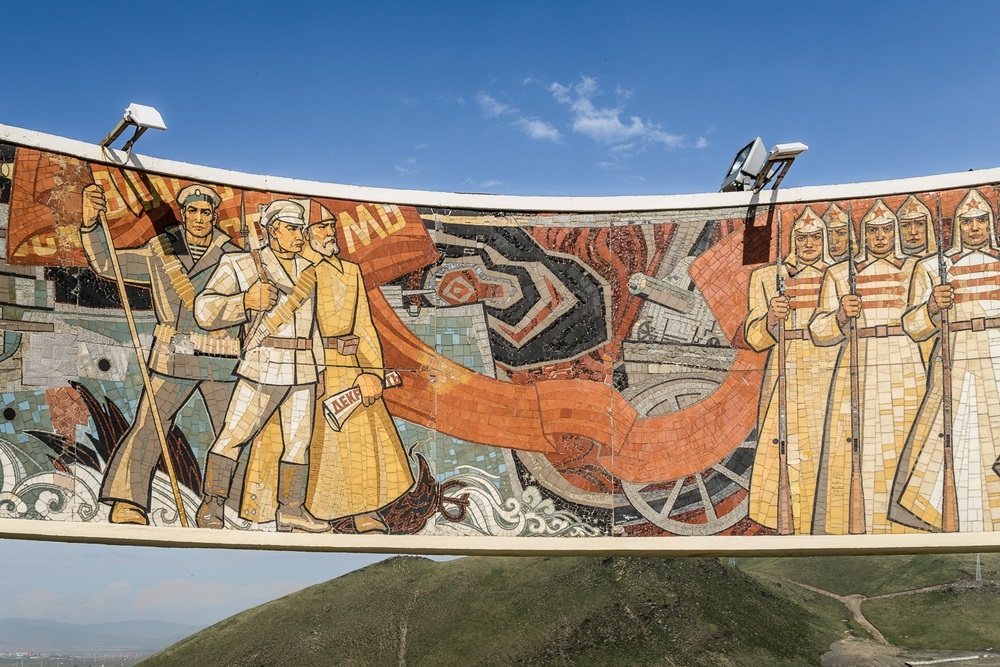
Zaisan Hill in Ulaanbaatar blends Soviet-era memorial architecture with the modern city growing around it. The circular Zaisan Memorial, completed in 1979, honors Mongolian and Soviet soldiers, with a mural depicting scenes from their shared history, including World War II.
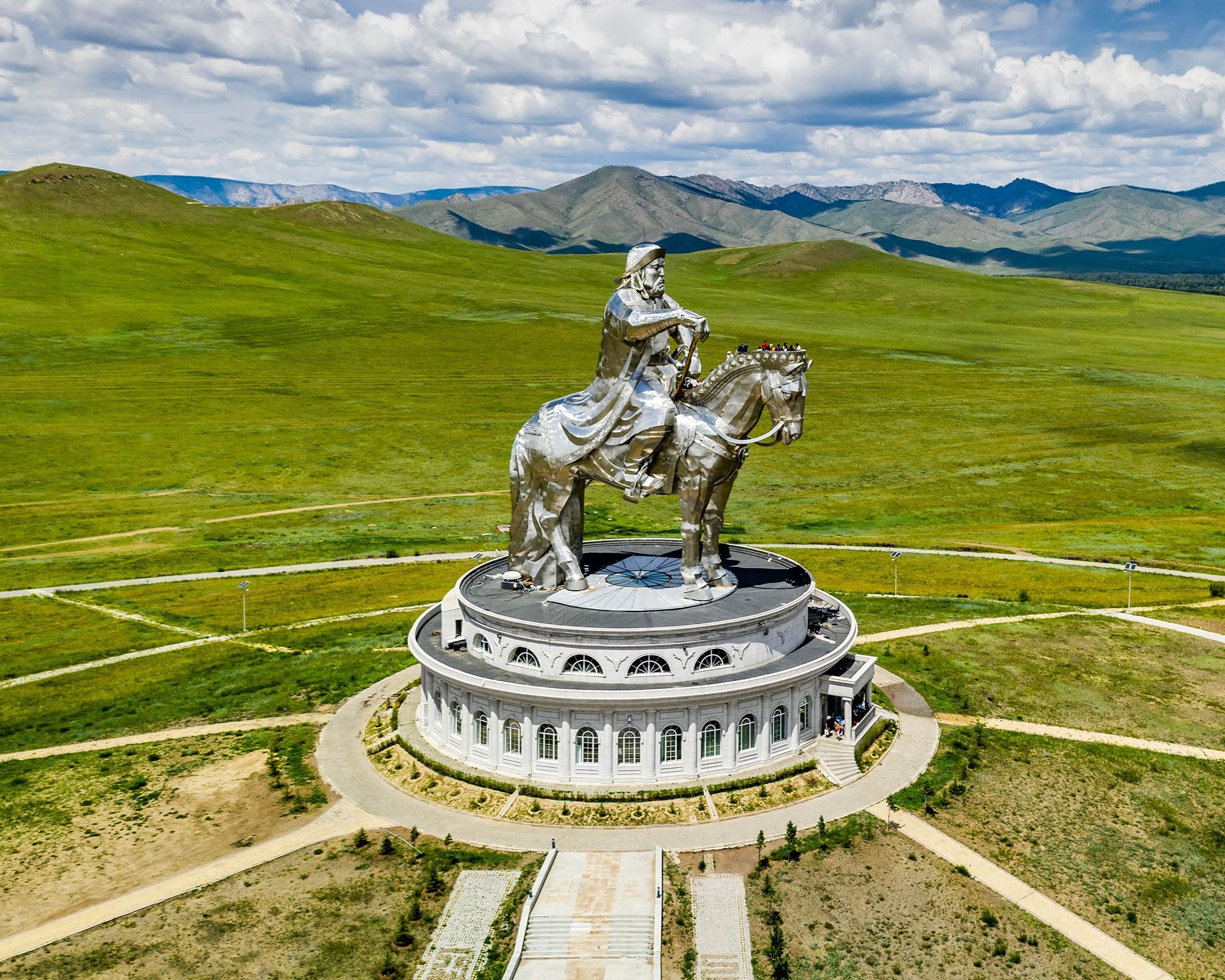
East of Ulaanbaatar, on the bank of the Tuul River, the Genghis Khan Equestrian Statue rises 40 meters (131 feet) above the steppe, making it the largest equestrian statue in the world. It sits atop a visitor center roughly 10 meters tall, which houses a museum.
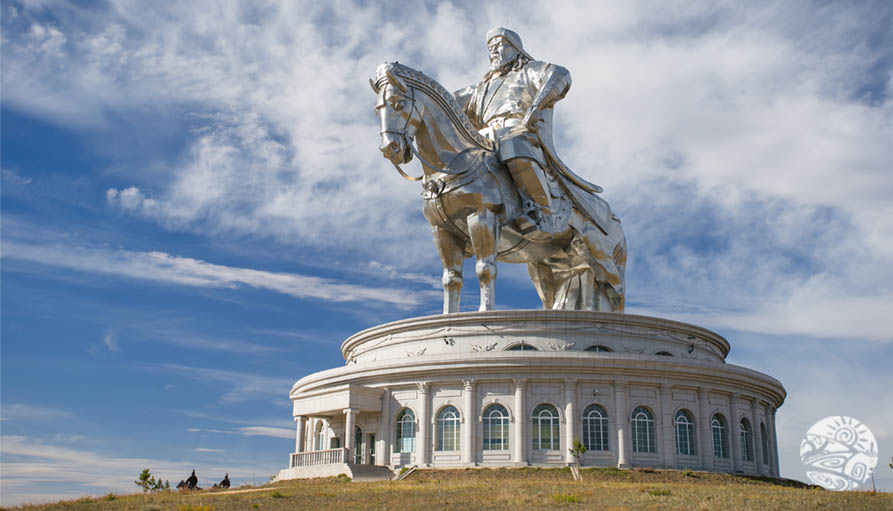
If your itinerary is short, prioritize Zaisan Hill and the Genghis Khan Statue Complex, since both are close to Ulaanbaatar and can be visited in a single day. If you have more time, add a multi-day loop through Kharkhorin, Erdene Zuu, Tuvkhun, and Amarbayasgalant to cover Mongolia's Buddhist architectural heritage in more depth.
Discover Mongolia Travel has operated since 2004 and organizes itineraries that combine these landmarks with the surrounding countryside, so travelers can experience Mongolia's architecture alongside its landscapes.
What is the oldest architectural landmark in Mongolia?
The ruins around Kharkhorin, site of the ancient Mongol capital Karakorum, are among the oldest, with some structures in the surrounding area predating the Mongol Empire by centuries.
Who founded Erdene Zuu Monastery?
Erdene Zuu was founded in 1585–1586 by Abtai Sain Khan, using stones from the ruins of Karakorum, making it the first Buddhist monastery in Mongolia.
How do I get to Tuvkhun Monastery?
Tuvkhun is near Kharkhorin and requires a short uphill walk through forest to reach the monastery itself, which sits on a hillside.
Is the Genghis Khan Statue Complex worth visiting?
Yes, It's the largest equestrian statue in the world, includes a museum with artifacts from the Bronze Age onward, and offers a viewing platform near the horse's head.
Can I visit Zaisan Hill without a guide?
Yes, It's located within Ulaanbaatar and is easily reached by taxi or a short walk, followed by a staircase climb to the memorial.
How many days do I need to see these five landmarks?
Zaisan Hill and the Genghis Khan Statue Complex can be visited in a single day from Ulaanbaatar. Reaching Kharkhorin, Erdene Zuu, Tuvkhun, and Amarbayasgalant comfortably takes an additional two to three days.
Are these monasteries still active religious sites?
Yes, Several, including Erdene Zuu, remain active places of worship, so visitors should dress modestly and be respectful of ongoing religious practices.
What is Amarbayasgalant Monastery known for?
It's known for its symmetrical architectural layout and its role as the resting place for the remains of Zanabazar, a key figure in Mongolian Buddhism.
Discover Mongolia has organized tailor-made tours since 2004.
We handle flights, accommodation, guides, vehicles — you focus on the journey.