
What Meat Do Mongolians Eat? Mongolian Meat Guide (2026)
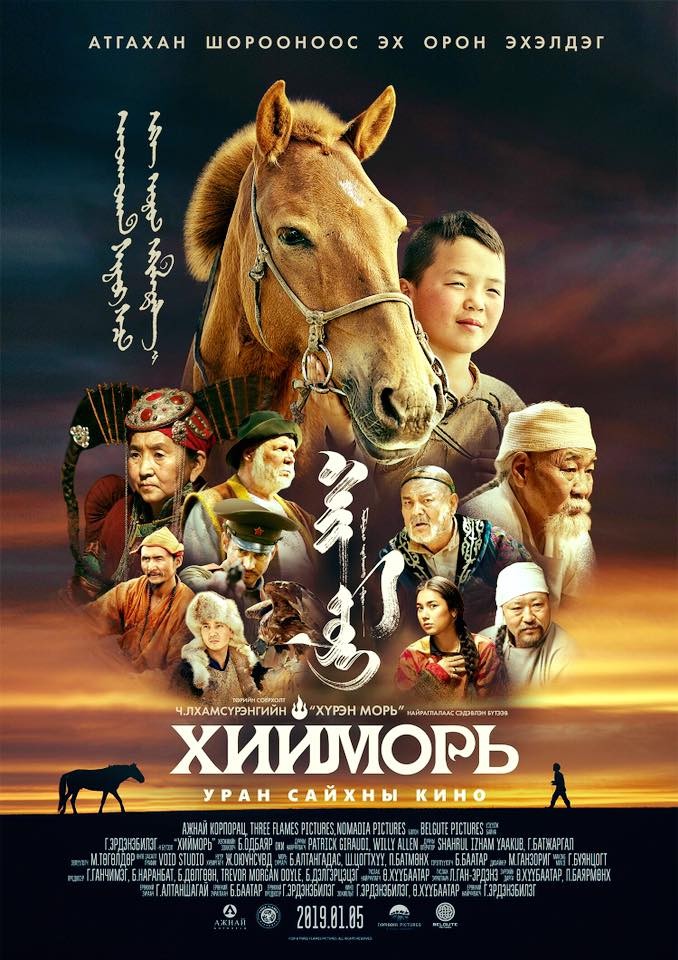
Mongolia's classic must-watch films include "Under the Power of the Eternal Sky," "Queen Mandukhai the Wise," "Words from the Heart," and "The Crystal Clear Tamir River," all historical or drama classics from the late 20th century. More recently, films like "The Story of the Weeping Camel" (Oscar-nominated in 2004), "If Only I Could Hibernate" (Cannes 2023), and "City of Wind" (Venice 2023) have introduced Mongolian cinema to global audiences.
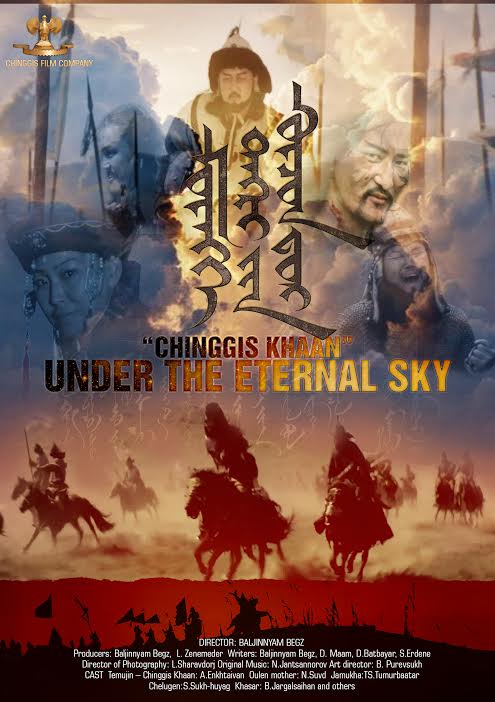
Also known as "Under the Eternal Blue Sky," this film follows the life of Genghis Khan from his early years to the end of his life, depicting how he united the Mongol tribes under one rule. It was made through international co-production at a time when Mongolian filmmaking faced serious funding challenges, and it remains one of the most respected Mongolian films about Genghis Khan.
This film tells the story of Queen Mandukhai, the last empress of the post-imperial Mongol Empire, who reunited the Mongols alongside Dayan Khan in the 15th century. Born to an aristocratic family, Mandukhai was trained from a young age in reading, horsemanship, and swordsmanship. The film dramatizes her defense of the country and her role reuniting a fractured Mongolia, with some scenes adjusted for dramatic effect rather than strict historical accuracy.
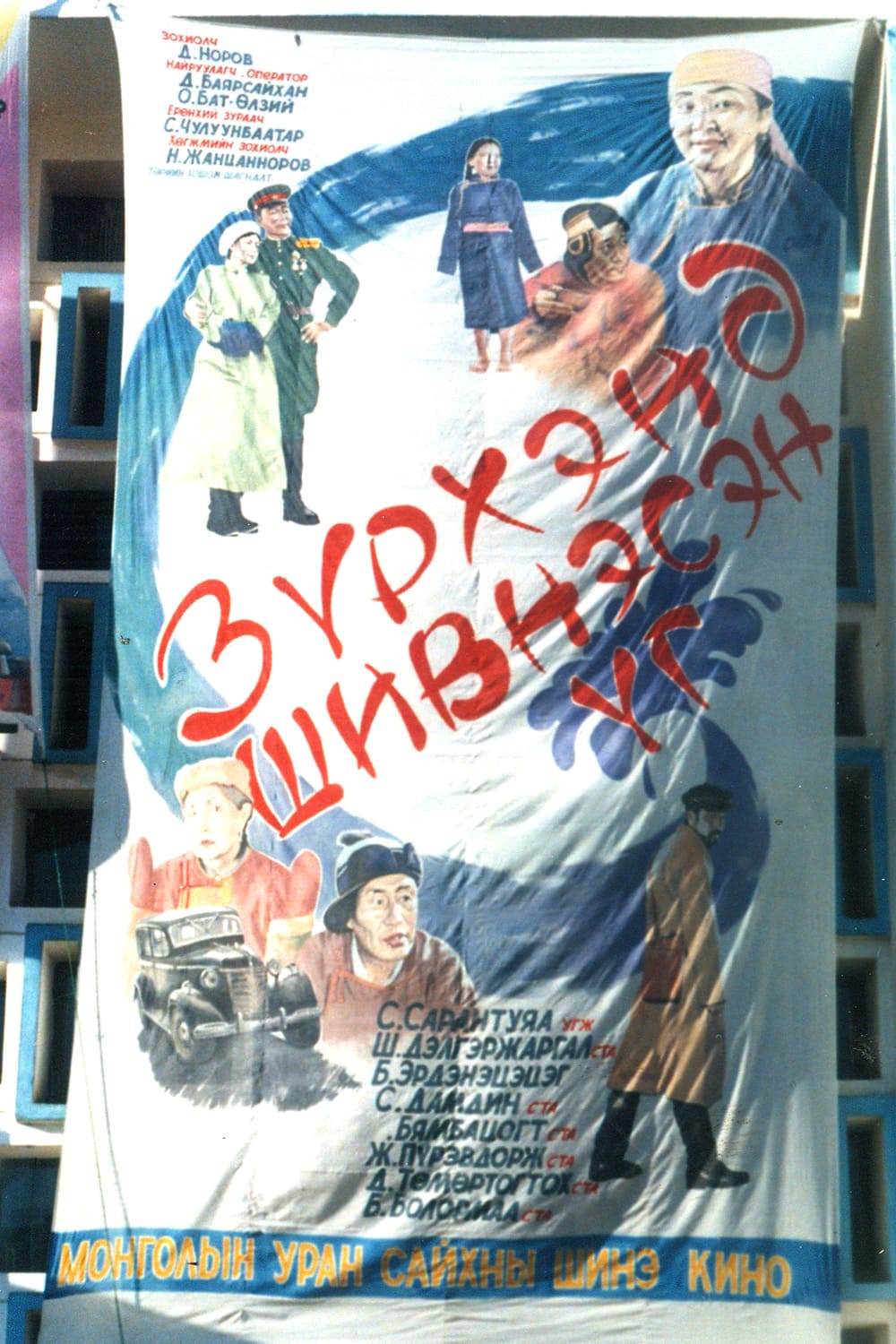
Set against the backdrop of war, this film follows a mother who waits faithfully for her husband to return, raising their daughter and caring for her mother-in-law through hardship. It's widely regarded as one of the most emotionally powerful Mongolian dramas, anchored by a standout child performance.
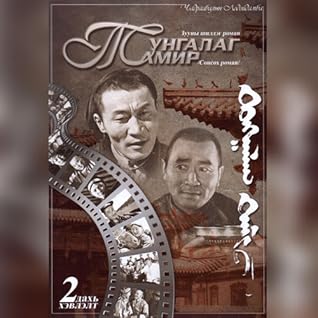
Based on the acclaimed novel of the same name by Lodoidamba Chadraabal, translated into several languages including Russian, German, and Japanese, this trilogy follows a poor family navigating servitude, social inequality, and Mongolia's revolutionary period, including conflict involving the counter-revolutionary forces of Baron Ungern. The novel's setting, the Tamir River in Arkhangai Province's Khangai Mountains, is a real, visitable location today.
Mongolian cinema has gained real international recognition over the past two decades, well beyond what the four classics above represent on their own.
While none of Mongolia's submissions have yet been nominated for an Academy Award, the frequency and quality of international festival selections in just the past few years signals a clear rise in Mongolian cinema's global visibility.
Discover Mongolia Travel has operated since 2004 and can help travelers plan itineraries that connect these films' real locations, from the steppe to the Tamir River, with an actual trip.
What is the most famous Mongolian film?
"The Story of the Weeping Camel" (2003) is likely the most internationally recognized, as the first Mongolian production nominated for an Academy Award.
Has a Mongolian film ever won an Oscar?
No Mongolian submission has been nominated for the Academy Award for Best International Feature Film as of 2026, though several recent films, including "If Only I Could Hibernate" and "City of Wind," have been submitted and gained festival recognition.
What is a good Mongolian film about Genghis Khan?
"Under the Power of the Eternal Sky" is a respected Mongolian-made historical drama covering Genghis Khan's life from his early years to the end of his rule.
Are there recent Mongolian films worth watching?
Yes. "If Only I Could Hibernate" (Cannes 2023), "City of Wind" (Venice 2023), and "Silent City Driver" (Tallinn Black Nights 2024) represent a strong recent wave of internationally recognized Mongolian cinema.
Where can I watch classic Mongolian films like "Queen Mandukhai the Wise"?
Availability varies; university archives, Mongolian streaming platforms, and specialty retailers are generally more reliable than mainstream streaming services for older titles.
What is "The Crystal Clear Tamir River" based on?
It's based on the acclaimed 20th-century Mongolian novel of the same name by Lodoidamba Chadraabal, adapted into a film trilogy between 1970 and 1973.
Is Mongolian cinema recognized internationally?
Increasingly, yes. Several Mongolian films have screened at major festivals including Cannes, Venice, and Berlin in the past decade, reflecting a growing international presence.
Do Mongolian films have English subtitles?
Availability depends on the specific release; internationally distributed and festival films are more likely to include English subtitles than older domestic releases.