Who Are the Tsaatan Reindeer Herders of Mongolia? 2026 Travel Guide
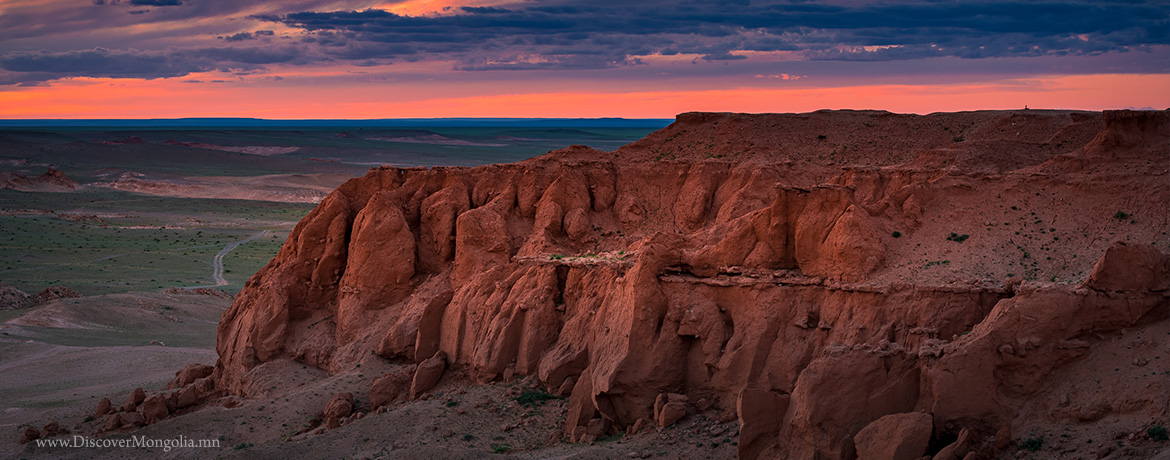
Mongolia offers a rare combination of deep history, distinctive cuisine, vast unspoiled terrain, living nomadic culture, ethnic and religious diversity, and exceptional biodiversity, much of it still uncrowded by international standards. Foreign tourist arrivals reached a record 846,000 in 2025, up from about 727,000 in 2024, showing Mongolia's growing accessibility even as it remains far less visited than neighboring China or popular destinations like Australia.
For comparison, China receives tens of millions of international visitors a year, and Australia around 20 million. Mongolia's 846,000 foreign visitors in 2025, a record high, still represent a fraction of that. For travelers seeking a destination that hasn't been reshaped by mass tourism, this remains one of Mongolia's biggest draws, even as visitor numbers grow steadily year over year.
The world's first confirmed dinosaur eggs, along with some of the largest known dinosaur footprints, were discovered in the Gobi Desert. Human presence in Mongolia dates back at least to the Bronze Age, with the Khavtsgait Valley among the sites known for petroglyphs from that era.
In the 13th century, Genghis Khan united the Mongol tribes and built the largest contiguous land empire in history, stretching from the Sea of Japan to the Caspian Sea. Centuries of Chinese rule followed, beginning with the Qing Dynasty, until Mongolia declared independence in the early 20th century. A close alliance with the Soviet Union lasted roughly 70 years, ending in the early 1990s with Mongolia's transition to its current democratic system.
Each of these historical layers, from ancient fossils to empire to Soviet influence to modern democracy, remains visible somewhere in the country today.
Mongolian food owes less to Chinese or Russian influence than many visitors expect, shaped instead by the country's extreme climate and nomadic lifestyle.
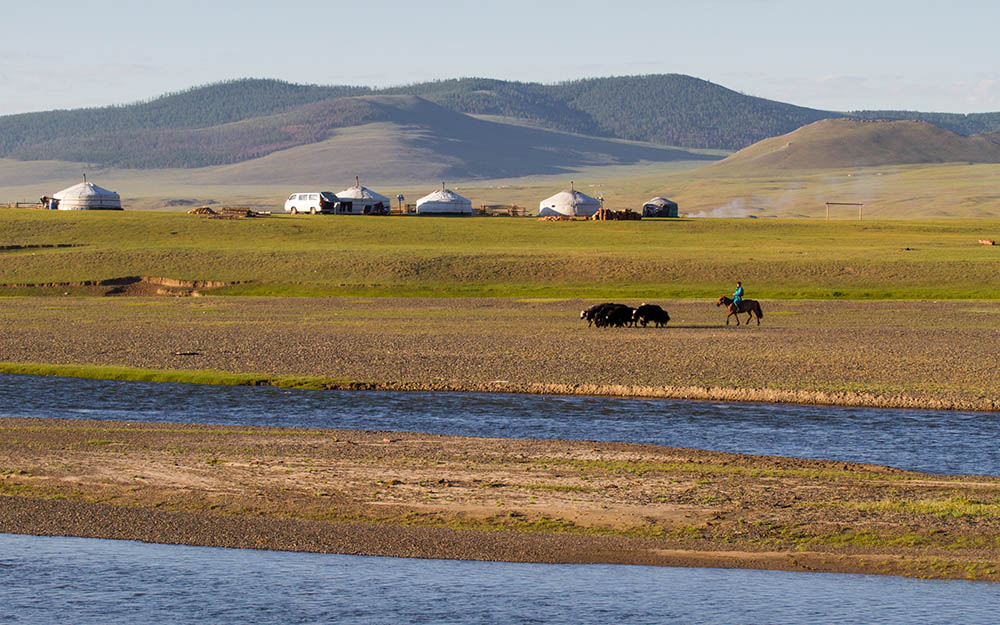
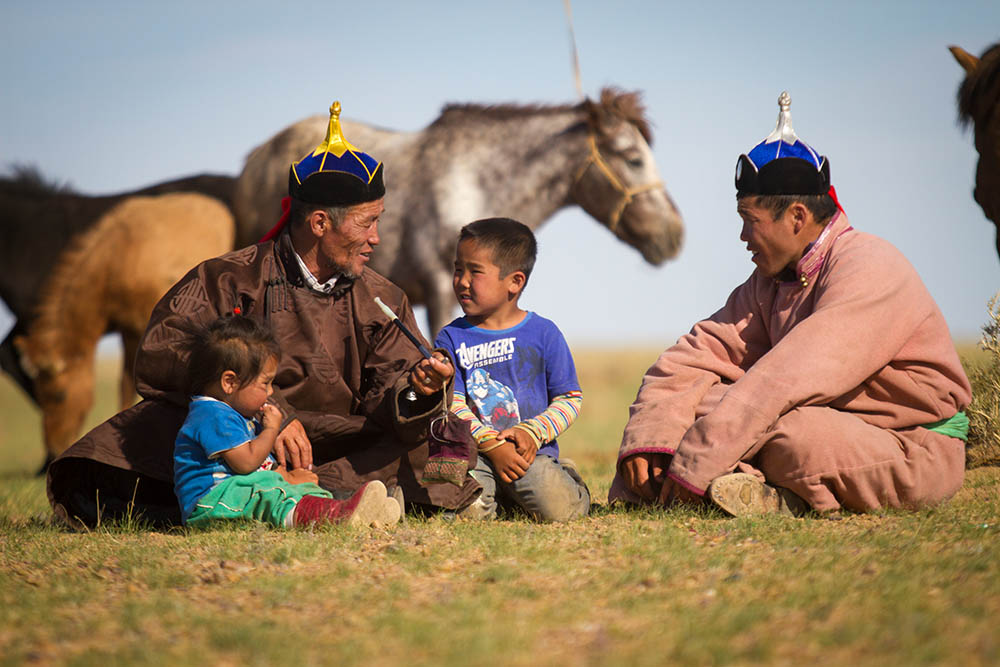
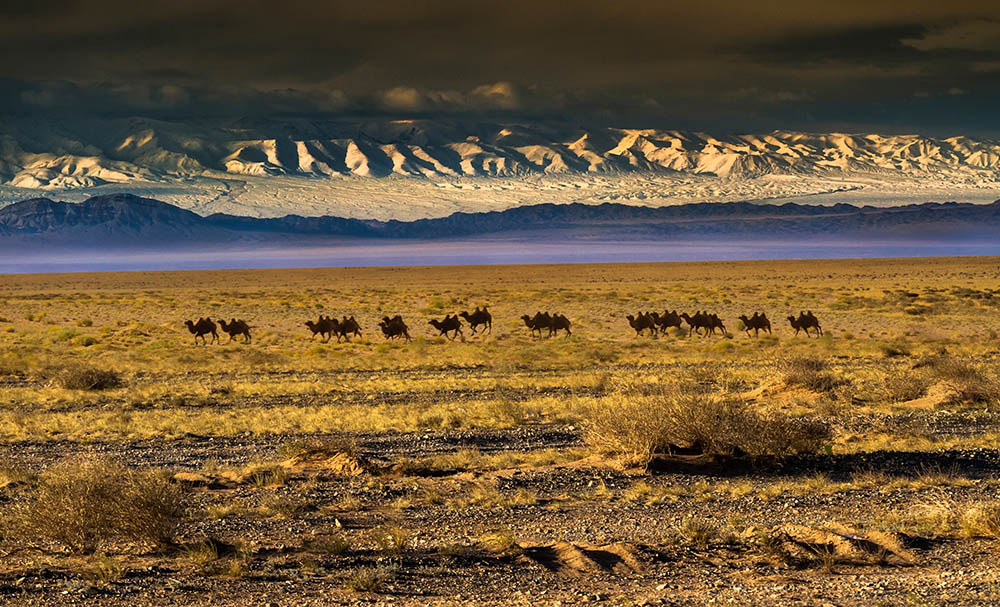
Mongolia remains home to one of the world's last major nomadic populations, with an estimated 25–40% of the population living a nomadic or semi-nomadic lifestyle that traces back thousands of years. Three main nomadic traditions still exist:
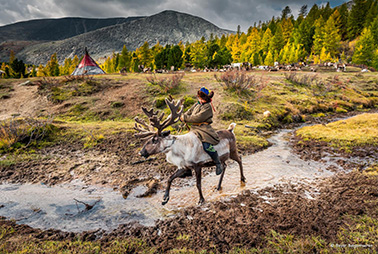
Tsaatan families rarely slaughter their reindeer, relying on them instead for milk, transport, and pack-hauling through the forest. Reindeer yogurt and cheese are staples of their diet, and only a small number of Tsaatan families remain today, making them one of the rarest cultures a traveler can encounter.
Nomad families across Mongolia live in gers, round felt tents assembled using techniques passed down for centuries. Staying with a nomadic family, learning to milk livestock, and trying fresh dairy products remain among the most memorable experiences available to visitors.
The name "Mongol" first appears in historical records in the 10th century, though a unified Mongol identity didn't take shape until Genghis Khan united the country's warring tribes in the 13th century.
Mongolia's festival calendar is packed with celebrations tied to its culture and seasons:
Despite its reputation for extreme weather, Mongolia supports remarkable biodiversity.
Ulaanbaatar's Chinggis Khaan International Airport now connects to major hubs across East Asia and beyond, making Mongolia easier to reach than in past decades. Combined with growing infrastructure and a government tourism push extending its "Years to Visit Mongolia" campaign through 2028, the country is actively working to make travel here smoother without losing what makes it distinctive.
Discover Mongolia Travel has operated since 2004 and organizes private and small-group tours, nomadic homestays, and tailor-made itineraries across the country.
How many tourists visit Mongolia each year?
Mongolia welcomed a record 846,000 foreign visitors in 2025, up from about 727,000 in 2024, reflecting steady year-over-year growth in tourism.
Is Mongolia a crowded tourist destination?
No. Despite growing visitor numbers, Mongolia still receives a fraction of the tourists that neighboring China or destinations like Australia see each year, keeping much of the country uncrowded.
What makes Mongolian food unique?
Mongolian cuisine is shaped primarily by its nomadic lifestyle and extreme climate, centered on meat from the "Five Snouts" (camel, sheep, goat, cattle, horse) and dairy products, with less Chinese or Russian influence than many visitors expect.
Can travelers stay with nomadic families in Mongolia?
Yes. Homestays with nomadic families, including opportunities to learn traditional milking and dairy-making, are among the most popular experiences for visitors.
What is the best festival to attend in Mongolia?
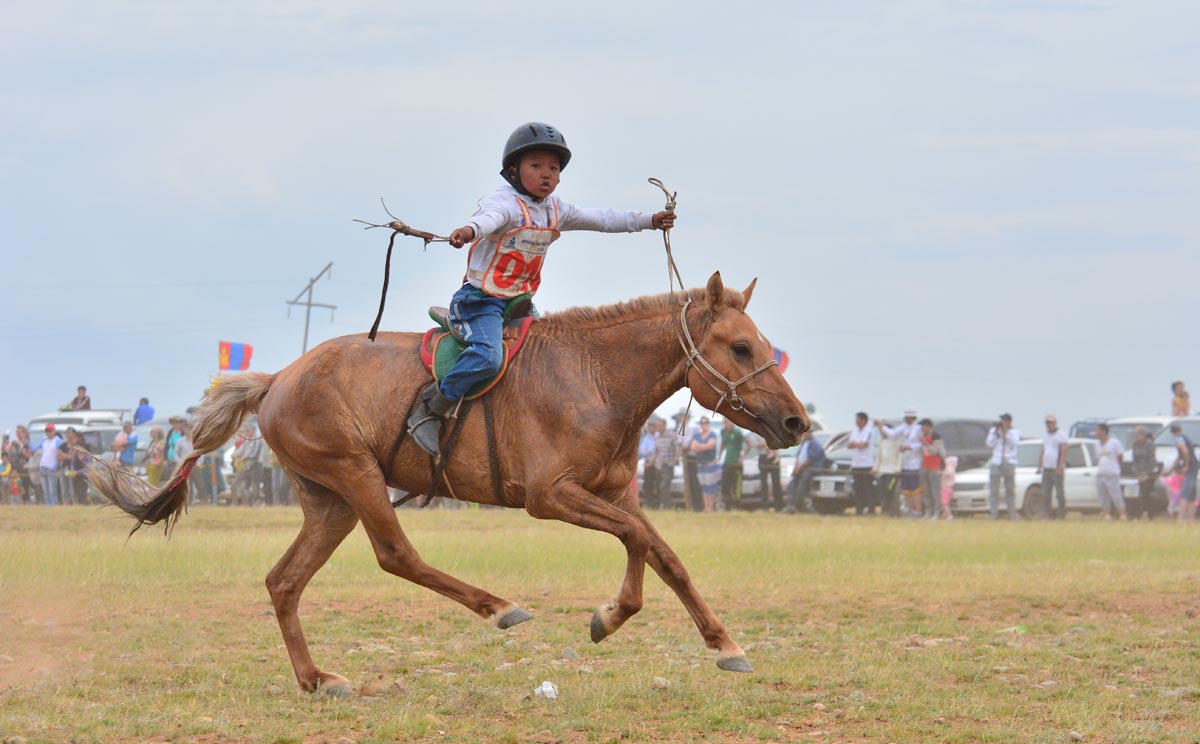
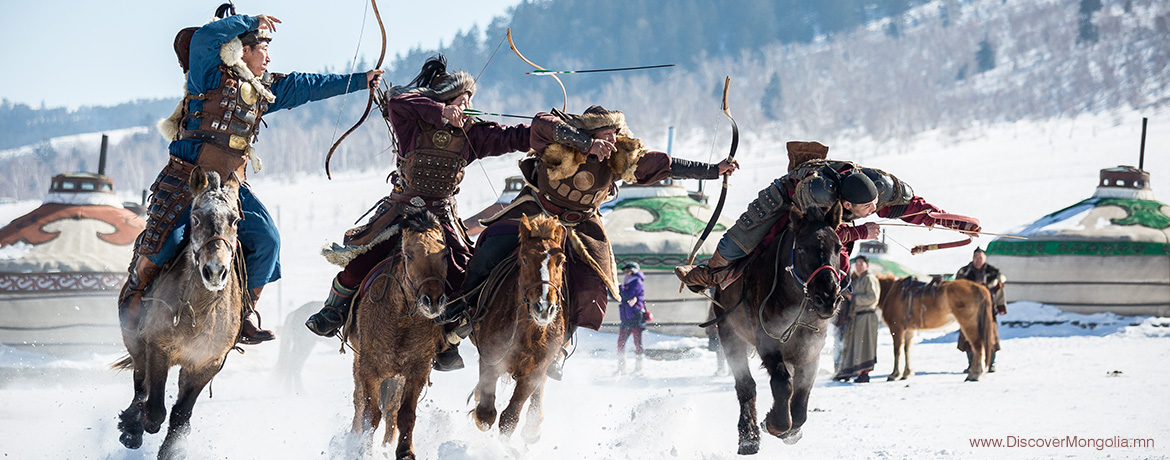
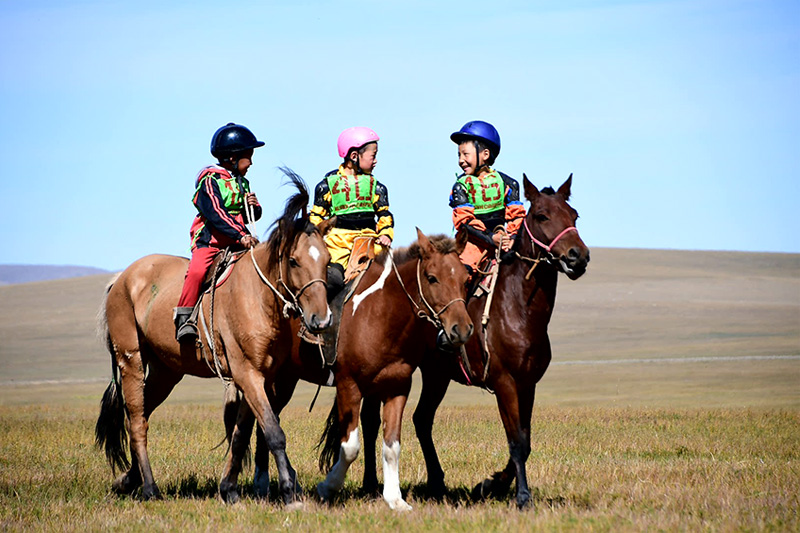
Naadam, held every July, is Mongolia's largest and most significant festival, featuring wrestling, archery, and horse racing.
Is Mongolia easy to reach by air?
Yes, increasingly so. Ulaanbaatar's Chinggis Khaan International Airport connects to major hubs across East Asia and beyond, making the country more accessible than in previous decades.
What religions are practiced in Mongolia?
Most Mongolians practice Tibetan Buddhism today, though Shamanism was the dominant religion until the 16th century. Small Muslim and Christian minorities also exist.
Who are the Tsaatan people?
The Tsaatan, or Dukha, are a small nomadic community in northern Mongolia whose lives center on reindeer herding, making them one of the rarest cultural groups a traveler can encounter.