How Does Mongolian Horse Racing Work? Naadam Guide 2026
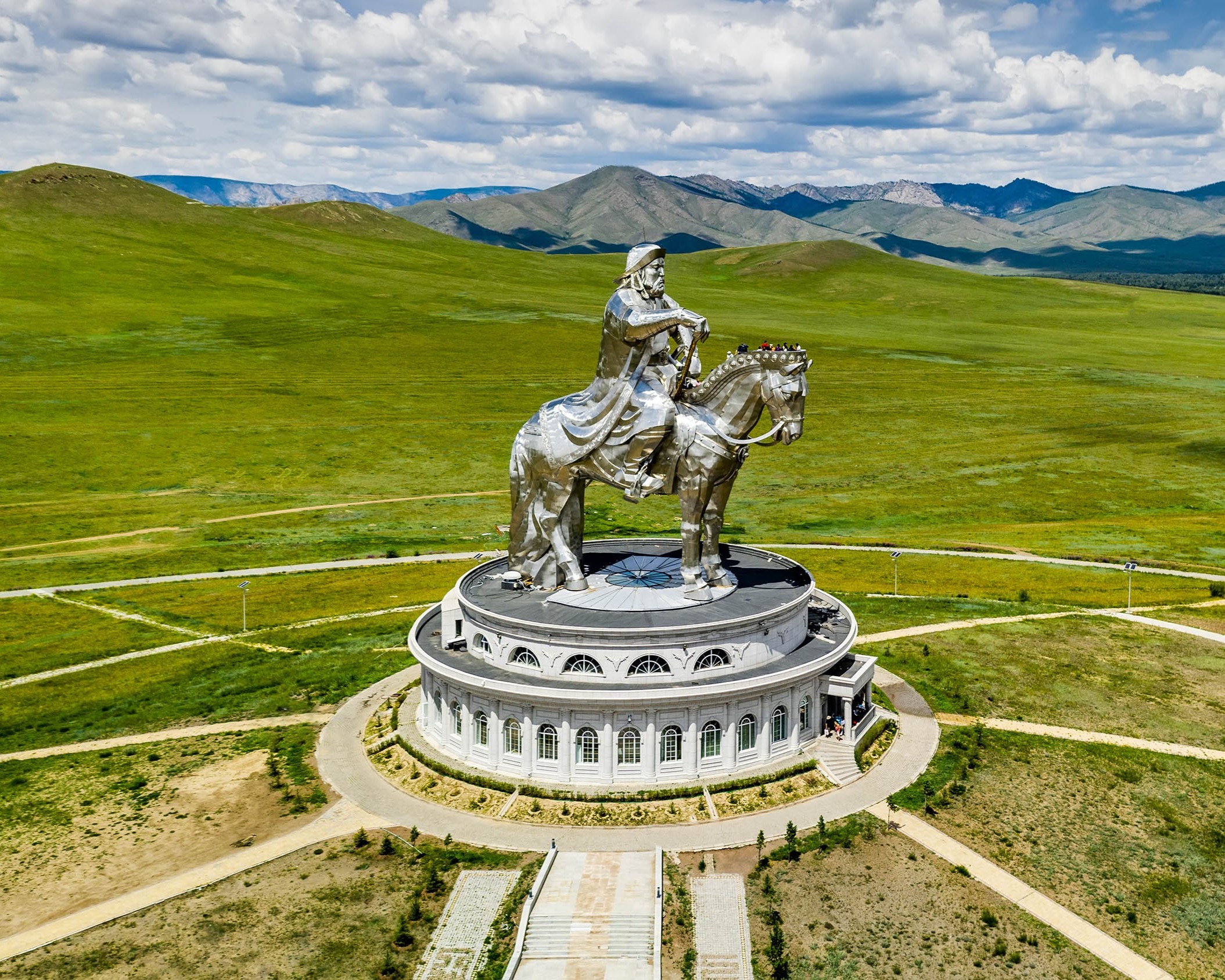
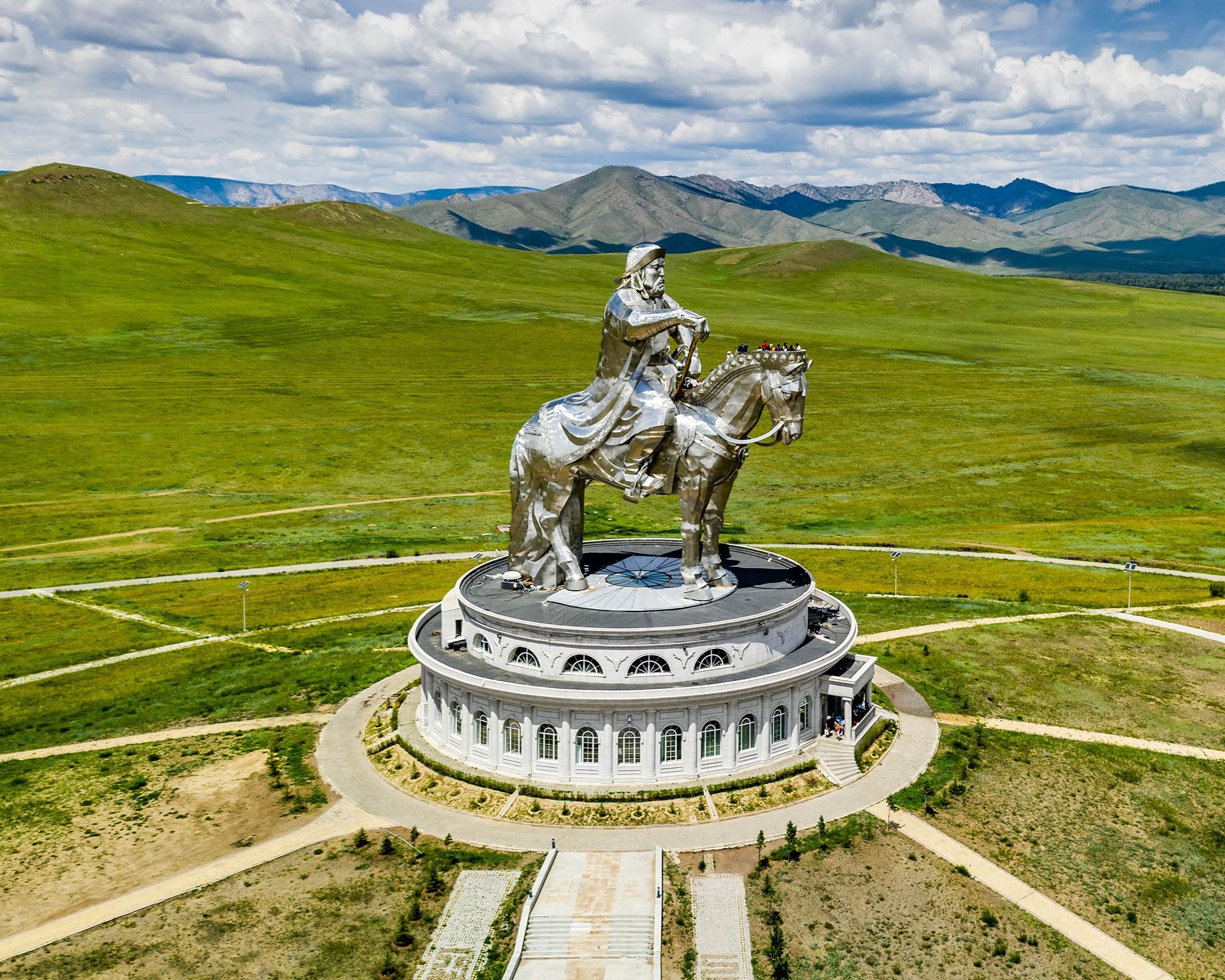
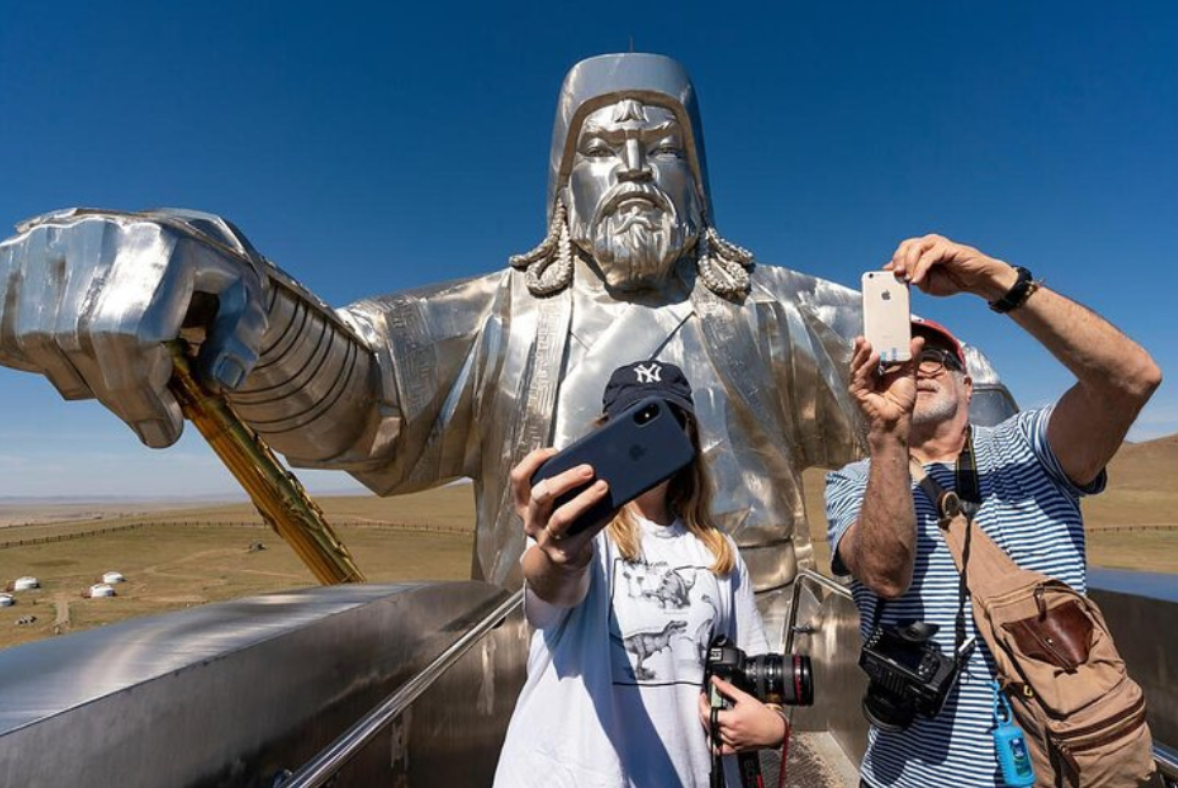
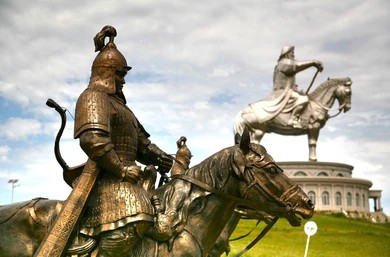
The Genghis Khan Statue Complex is a 40-meter-tall stainless steel equestrian monument in Tsonjin Boldog, about 54 km east of Ulaanbaatar. Built in 2008 to mark the 800th anniversary of the Mongol Empire, it is the largest equestrian statue in the world. Visitors can explore a museum inside the base and ride an elevator to a viewing platform in the horse's head.
The complex is a cultural and historical tourism site created to honor Mongolia's most important historical figure. Unlike a monument you can only view from outside, this site is designed as an interactive experience.
The complex includes:
The monument was completed in 2008 to mark the 800th anniversary of the founding of the Mongol Empire.
36 columns = 36 Khans — The statue's base is supported by 36 columns, each representing one of the 36 historical Khans of the Mongol Empire, starting with Genghis Khan and ending with Ligdan Khan.
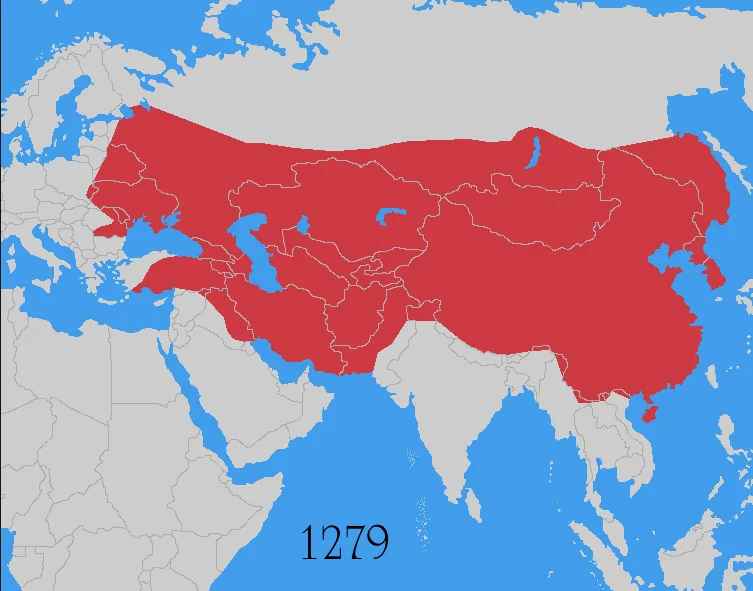
Genghis Khan, born Temujin in 1162, brought Mongol tribes together and founded the Mongol Empire in the early 13th century. He changed the course of world history in Asia and Europe.
The Mongolian steppes were previously occupied by different Mongol tribes. Temujin brought unity among Mongol tribes.
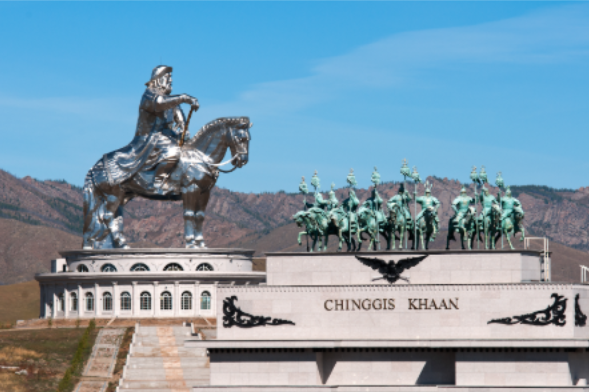
His achievements include:
His empire connected civilizations and allowed goods, technologies, and ideas to move across continents.
Today, Mongolians view Genghis Khan as the father of the nation and a symbol of unity and strength!
The monument is famous worldwide for its size and engineering. It is the largest equestrian statue on earth.
Key facts:
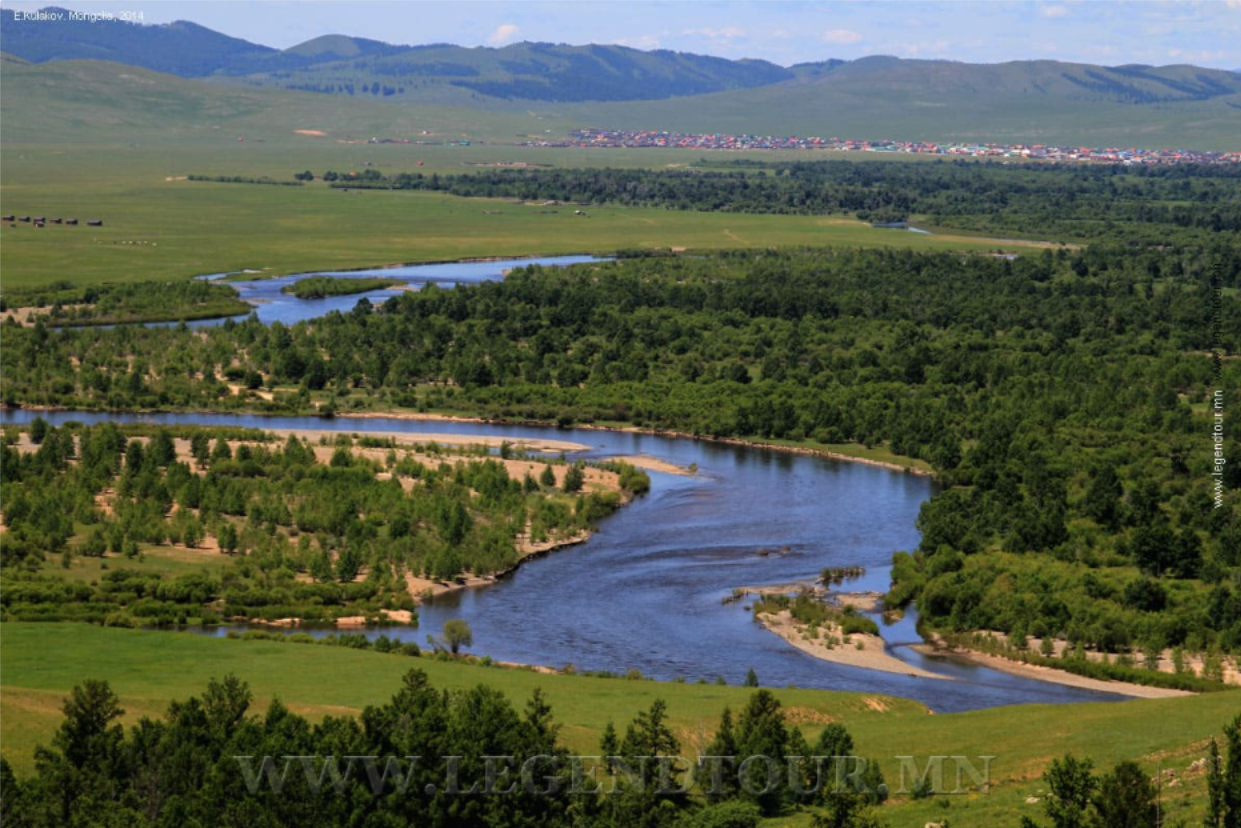
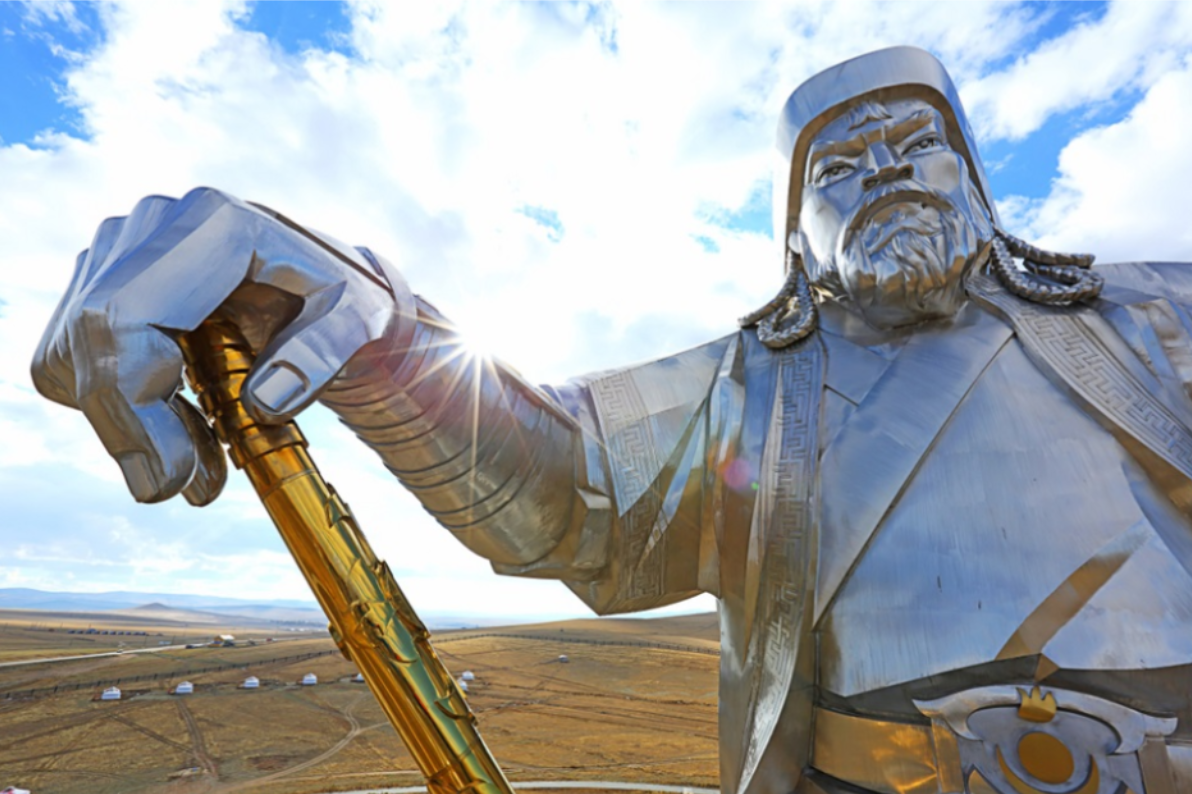
The statue depicts Genghis Khan riding forward on horseback, holding a golden whip. The horse faces east, toward the Onon River area in the Khentii Mountains, where Genghis Khan was born. This symbolically links his birthplace with the empire he built.
Genghis Khan Equestrian Statue
Emiliano Zapata Monument
Christ the Redeemer (Included strictly for scale comparison, not an equestrian statue)
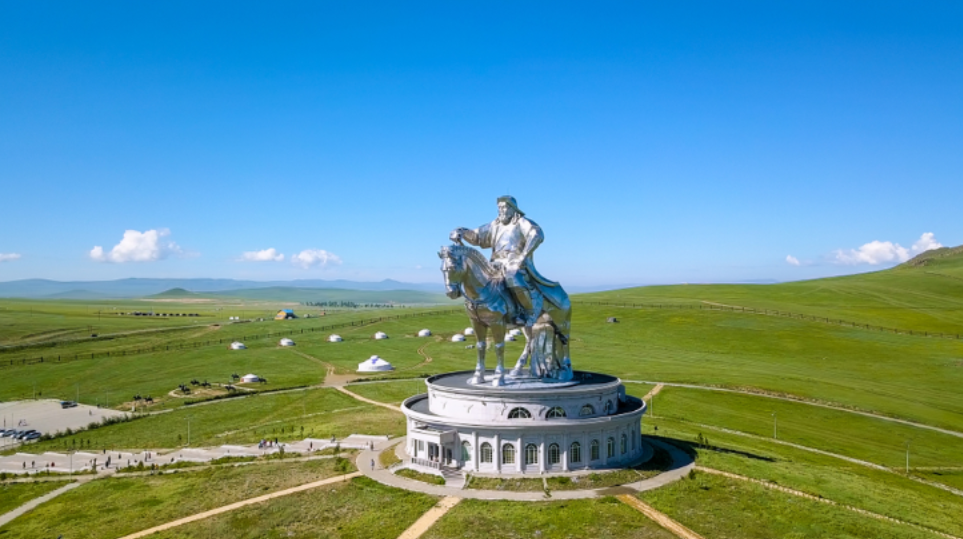
The horse is also facing east, which represents the beginning of Genghis Khan’s life and empire, as Genghis Khan was born near the Onon River in the Khentii Mountains of northeastern Mongolia, an area considered his birthplace.
The horse is facing east towards the vast steppes, symbolically linking his birthplace with his empire and his journeys from Mongolia’s homeland.
The statue stands in Tsonjin Boldog, an area about 54 kilometers east of Ulaanbaatar, Mongolia’s capital city.
According to historical legends, this site is associated with the early life of Genghis Khan. Some legends indicate that he once discovered a golden whip in this region, which was a symbol of his later power and leadership.
The Genghis Khan Statue Complex is open all year round, but each season has its own charm.
The spring season is best because the grass is fresh, and there are fewer tourists. The wind is quite strong during this season.
The summer season is the most popular because the weather is pleasant, and the surrounding area is green with grass.
The autumn season is perfect because the sky is clear, and visibility is great, especially for taking pictures.
Visiting in winter is not as pleasant because it is cold, but it is visually appealing because of the contrast between the white snow and the shiny metal. The weather should always be checked before visiting because it is prone to changing!
Genghis Khan united the Mongol tribes and founded the largest contiguous land empire in history, reshaping the course of events across Asia and Europe. To Mongolians today, the statue is a symbol of national pride and strength, and one of the country's most visited modern landmarks.
To the Mongolians today, the statue symbolizes national pride and strength.
Private car
Guided day tour
Taxi
Discover Mongolia Travel has operated since 2004 and organizes cultural and travel experiences across Mongolia, including visits to historical landmarks and national festivals.
Many travelers visit several destinations during the same trip. Popular nearby locations include:
Combining locations creates a full cultural day trip from Ulaanbaatar!
Travel tips for international visitors
Planning is essential so that the visit is done in a comfortable manner.
Wear comfortable shoes while visiting the monument as the walking area is quite large. Weather may change quickly, so it is advisable to wear layers even in summer.
Also, sunglasses are recommended while visiting the monument as the sunlight reflects on the stainless steel surface. It is advisable to carry water and snacks with you, especially during the tourist season.
Individual tourists must plan their return transportation in advance, as taxi services may not be readily available.
A wide-angle lens works well given the statue's scale. Drone photography may require prior permission, depending on current regulations.
Where is the Genghis Khan Statue located?
The statue is located in Tsonjin Boldog, about 54 kilometers east of Ulaanbaatar. The drive usually takes around one to one and a half hours.
How tall is the Genghis Khan Statue?
The statue stands 40 meters tall, making it the largest equestrian statue in the world.
Can visitors go inside the statue?
Yes, Visitors can explore museum exhibitions inside the base and take an elevator to a viewing platform.
Is the Genghis Khan Statue worth visiting?
Yes, It combines historical education, cultural insight, and panoramic views of Mongolia’s steppe landscape.
Why was the statue built?
It was built to celebrate the 800th anniversary of the Mongol Empire and to serve as a proud symbol of Mongolia’s history.
Who built it?
The project was funded by a Mongolian company called Genco Tour Bureau. It was designed by sculptor D. Erdenebileg and architect J. Enkhjargal.
How long did it take to finish?
Construction started in 2006, and the statue was finished in 2008, taking about two years to complete.
How much time should I plan for the visit?
Most visitors spend 1.5–2 hours exploring the museum, observation deck, and surrounding grounds.
When is the best season to visit?
Summer and autumn offer comfortable weather and clear views, while winter provides a unique snowy experience.
Can the statue be visited as a day trip?
Yes, It is one of the most popular day trips from Ulaanbaatar and is often combined with Terelj National Park.
Is the complex suitable for families?
Yes, The site is accessible and educational for visitors of all ages.
Discover Mongolia has organized tailor-made tours since 2004.
We handle flights, accommodation, guides, vehicles — you focus on the journey.