
.jpg)

About Mongolia
Mongolia is truly one of the world's last undiscovered travel destinations and the safest country to visit.
The capital city, Ulaanbaatar
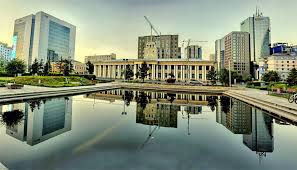
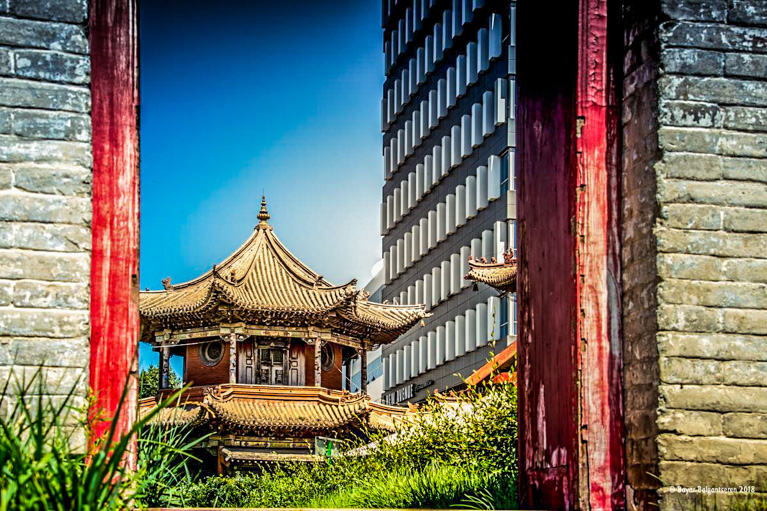
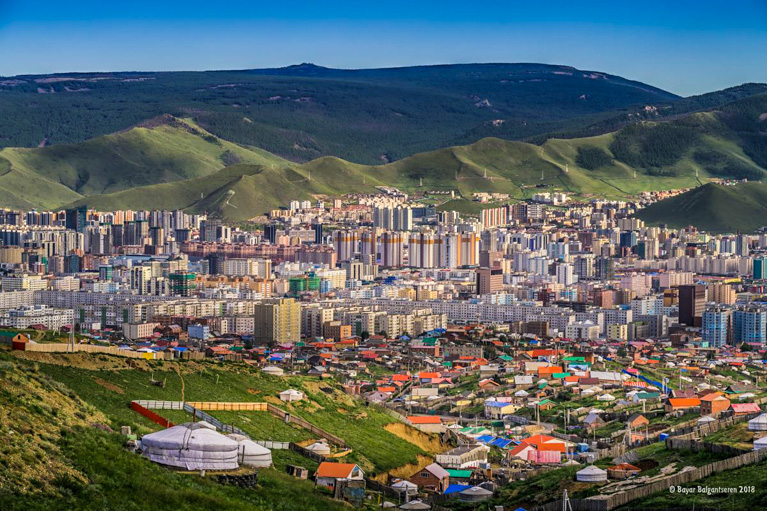
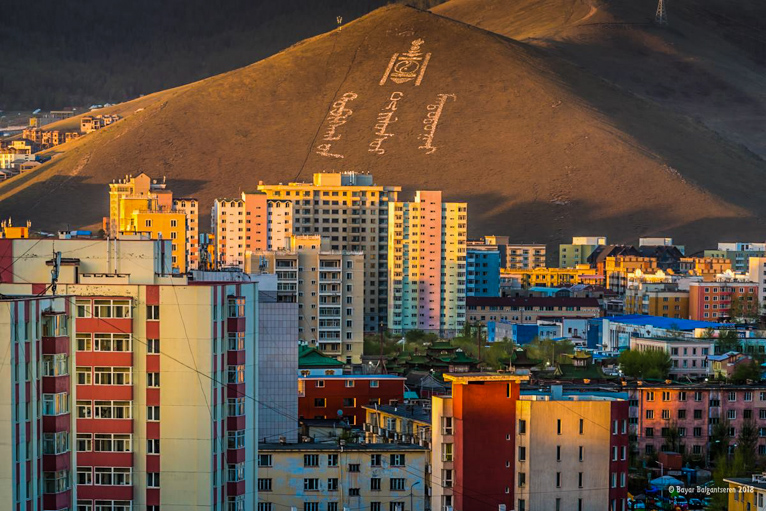
Ulaanbaatar is Mongolia's capital, home to roughly 1.68 million people, about half the country's total population. Known as the world's coldest capital city due to its high elevation and inland continental climate, it began in 1639 as a mobile Buddhist monastery called Urga before becoming a fixed city and eventually taking its current name, meaning "Red Hero," in 1924. Today it blends Buddhist monasteries, Soviet-era architecture, modern shopping centers, and traditional ger districts within a single city.
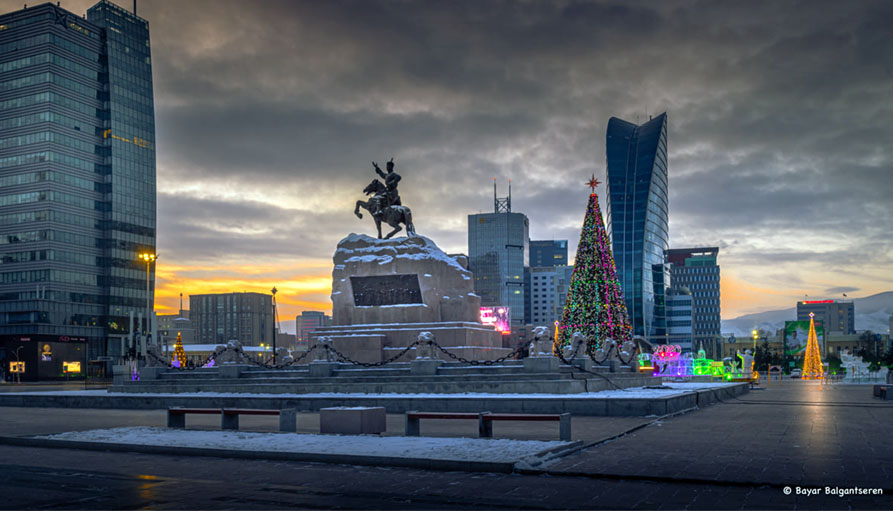
Where Is Ulaanbaatar Located?
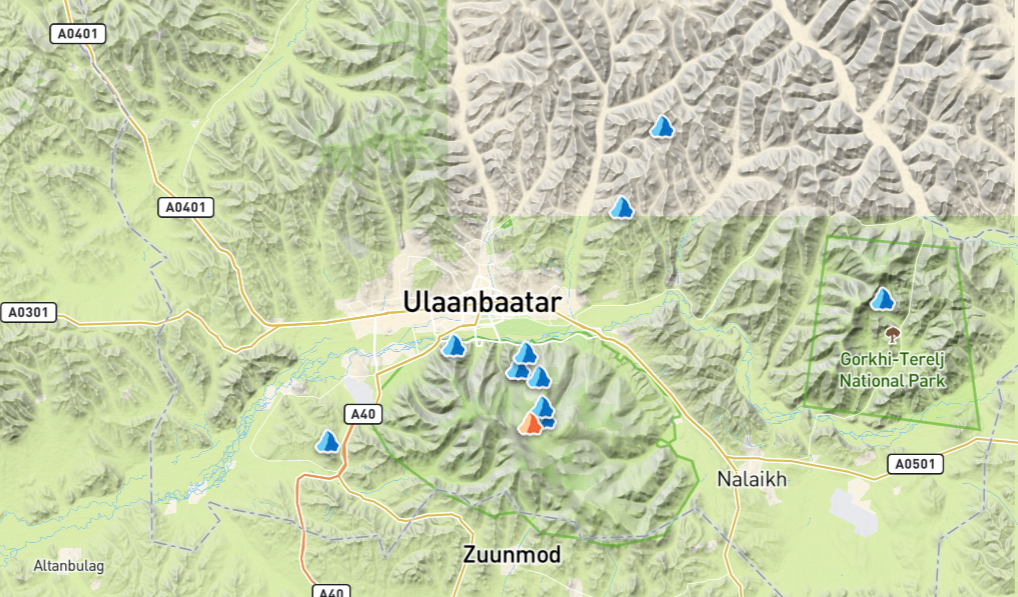
Ulaanbaatar lies in north-central Mongolia, positioned along the Tuul River valley, at an elevation of approximately 1,350 meters above sea level, a major factor in its climate. The river supports the local ecosystem and wildlife, and its banks are a popular spot for relaxation in summer.
The city is surrounded by four sacred mountains, each carrying historical and cultural weight:
- Bogd Khan Mountain (south): one of the world's oldest protected areas, offering hiking trails, forest, and panoramic views over the city
- Bayanzurkh Mountain (east): long associated with local worship and spiritual tradition
- Songino Khairkhan Mountain (west): known for scenic landscapes and outdoor recreation
- Chingeltei Mountain (north): close to the city center, with accessible trails and viewpoints
These mountains are considered protective, holding both practical and spiritual significance in Mongolian culture.
Administration structure of the city
Ulaanbaatar is divided into 9 districts, known locally as duuregs:
- Sukhbaatar District
- Chingeltei District
- Bayangol District
- Bayanzurkh District
- Khan-Uul District
- Songinokhairkhan District
- Nalaikh District
- Baganuur District
- Bagakhangai District
These districts are further divided into 122 subdistricts, called khoroos.
Why Ulaanbaatar Is The Coldest Capital City In The World
Ulaanbaatar is widely recognized as the coldest capital city on Earth. This comes down to a combination of factors:
- High elevation (around 1,350 meters)
- An inland, continental location far from any moderating ocean
- Surrounding mountains that trap cold air over the city
- Long, dry winters with very low humidity
Seasonal Overview:
- Winter (November–March): temperatures often fall below -20°C and can reach -40°C, with light but bitterly cold snowfall
- Spring (April–May): windy and dry, with rapidly changing temperatures
- Summer (June–August): warm and pleasant, averaging 20–25°C, and the best season for travel
- Autumn (September–October): cool, clear, and scenic
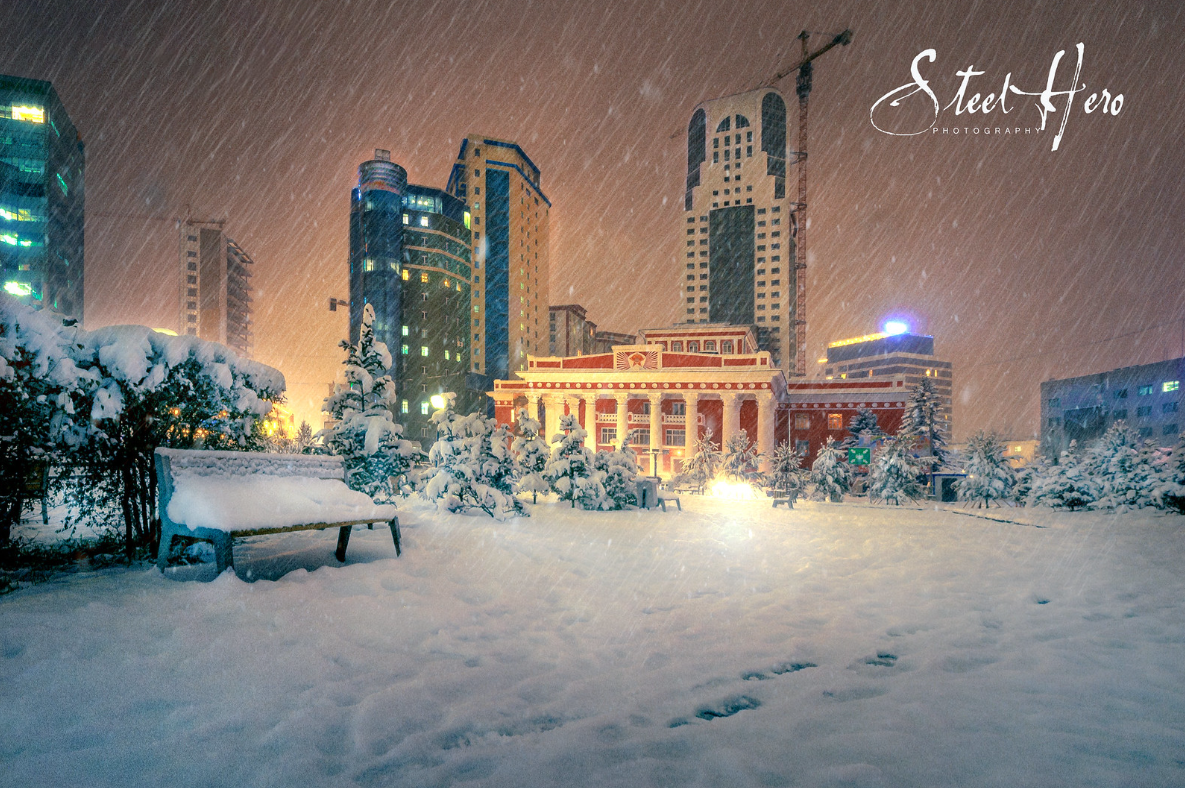
History Of The Ulaanbaatar
Early origins: Ulaanbaatar began in 1639 as a mobile Buddhist monastery called Urga. Like many early Mongolian settlements, it moved across the steppe to follow religious and trade needs before gradually settling into a fixed location as trade routes between China and Russia grew more established.
Becoming the capital: In 1924, Mongolia became a people's republic and the city was officially renamed Ulaanbaatar, meaning "Red Hero." Through the socialist period, it developed modern infrastructure, including apartment blocks, schools, and cultural institutions.
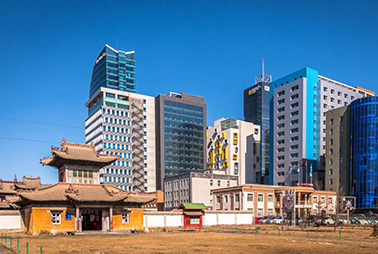
Modern development: Since the 1990 democratic transition, Ulaanbaatar has modernized rapidly. Today, skyscrapers, shopping centers, and international businesses stand alongside centuries-old temples and traditional neighborhoods.
The Best Time To Visit Ulaanbaatar
The best time to visit is from May to September, when the weather is warmest and outdoor activities are most enjoyable. Major cultural festivals, including Naadam in July, also fall within this window.
Major Attractions In Ulaanbaatar
Buddhist Monasteries
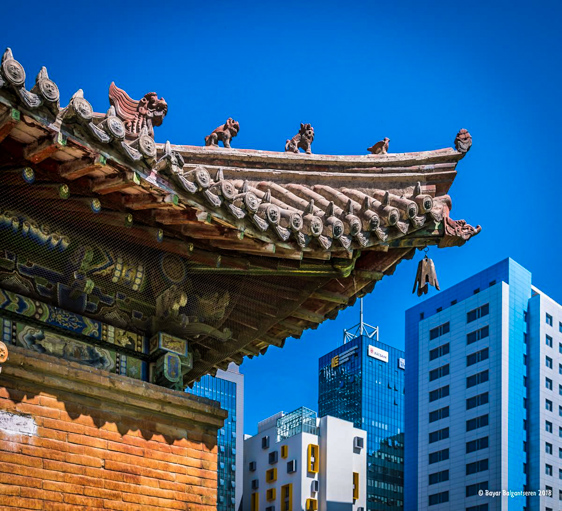
Monasteries remain important spiritual sites. Visitors can observe monks, prayer ceremonies, and traditional architecture.
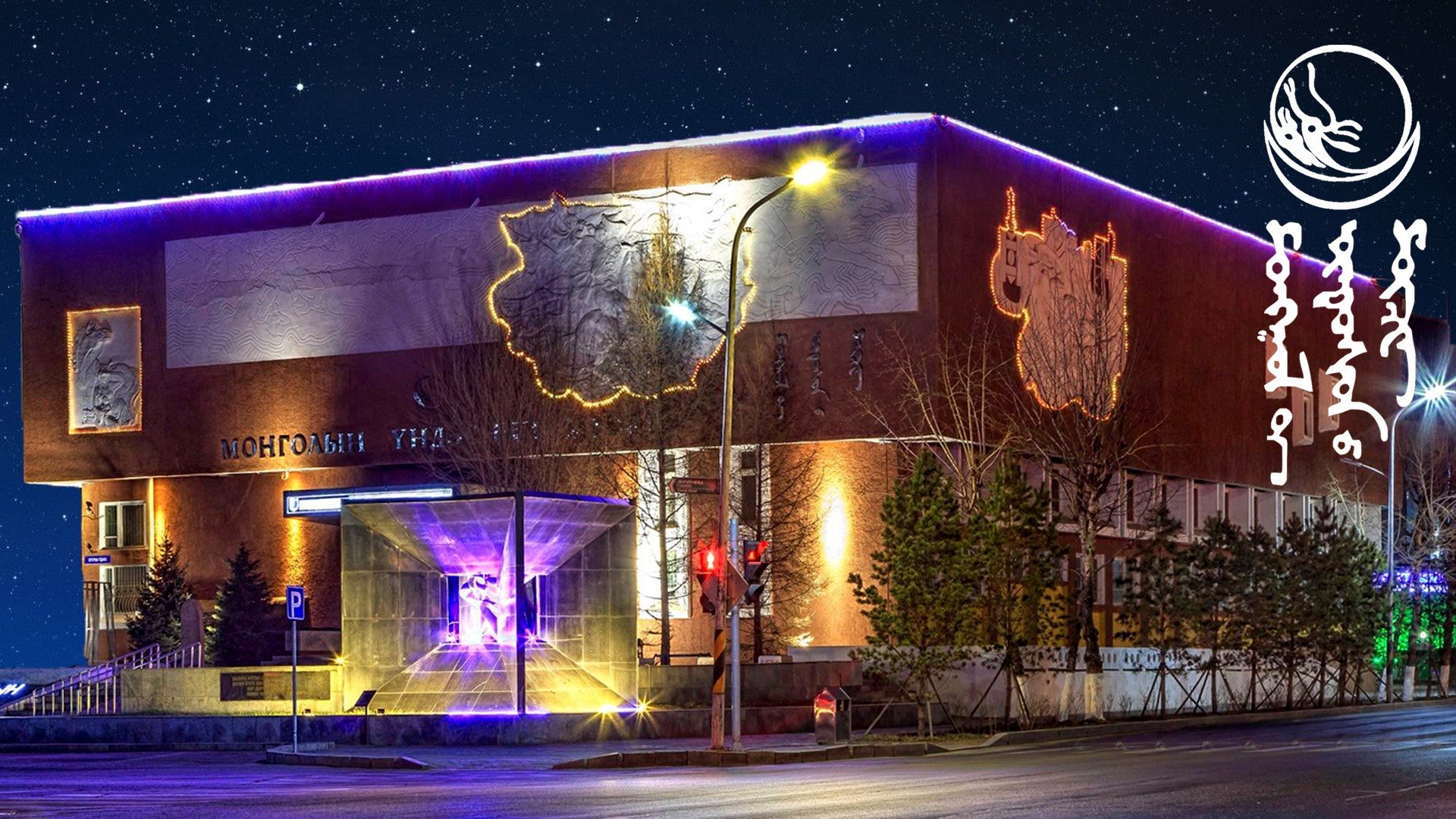
Museums
Museums provide insight into Mongolian history, including:
- Nomadic culture
- The Mongol Empire
- Socialist-era development
- Natural history
Public Squares
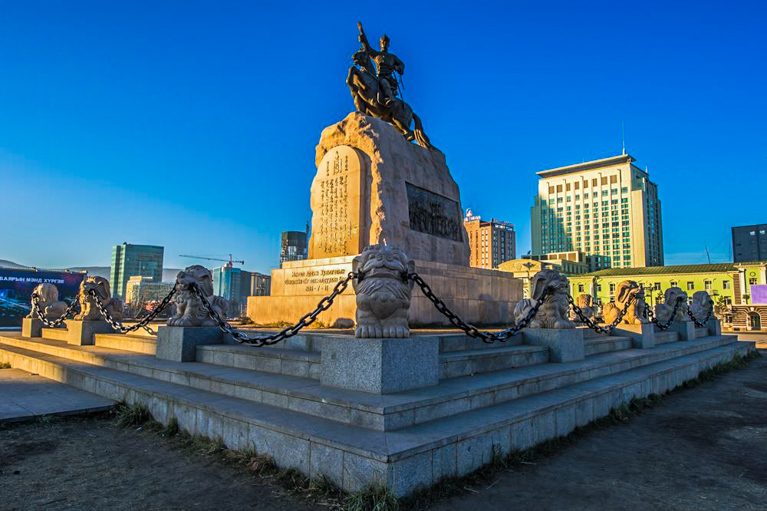
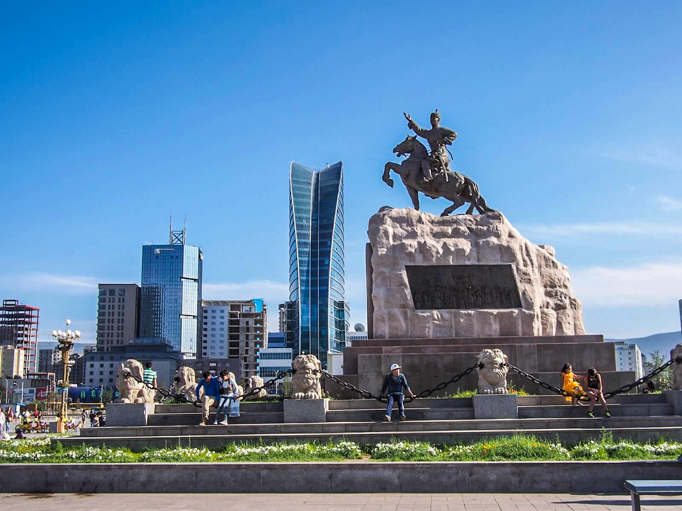
The central square is called Sükhbaatar Square. Sükhbaatar Square serves as the heart of the city and hosts major national celebrations, public gatherings, and cultural events throughout the year.
Nearby Nature
Within a short driving distance, visitors can explore national parks, mountains, and open steppe landscapes.
Food and Dining in Ulaanbaatar
Ulaanbaatar's dining scene has grown considerably alongside its urban development.
Traditional foods:
- Buuz (steamed dumplings)
- Khuushuur (fried meat pastries)
- Tsuivan (fried noodles)
- Suutei tsai (milk tea)
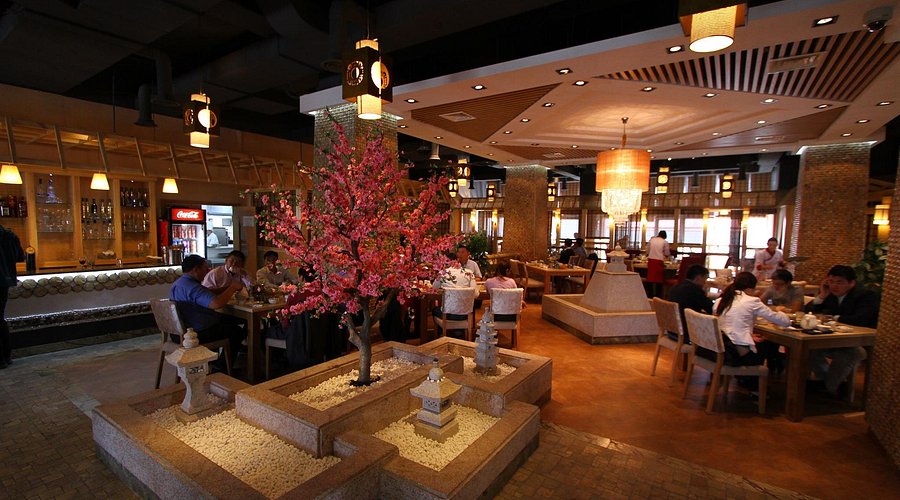
International cuisine: Thanks to globalization and urban growth, the city now also offers Korean restaurants, Japanese cuisine, European dining, vegetarian and vegan options, and specialty coffee cafés, particularly in the central districts.
International Cuisine
Due to globalization and urban growth, the city now offers:
- Korean restaurants
- Japanese cuisine
- European dining
- Vegetarian and vegan options
- Specialty coffee cafés
Modern dining culture is especially vibrant in central districts.
Top Places to Visit in Ulaanbaatar
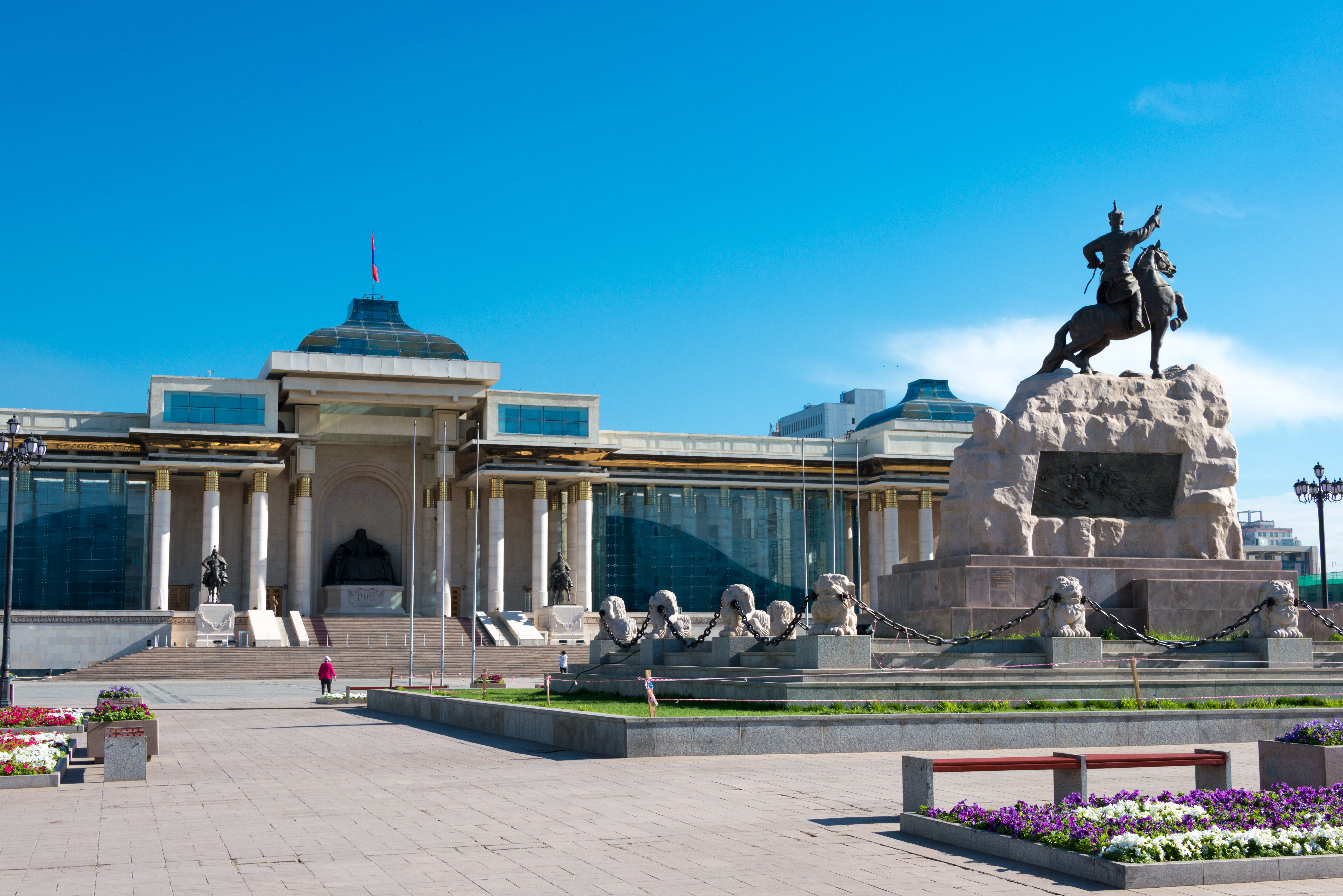
1. Sükhbaatar Square
The political and cultural heart of the city, surrounded by government buildings including the State Palace. It's a natural starting point for exploring modern Mongolia and becomes a lively gathering space during Naadam and Independence Day celebrations.
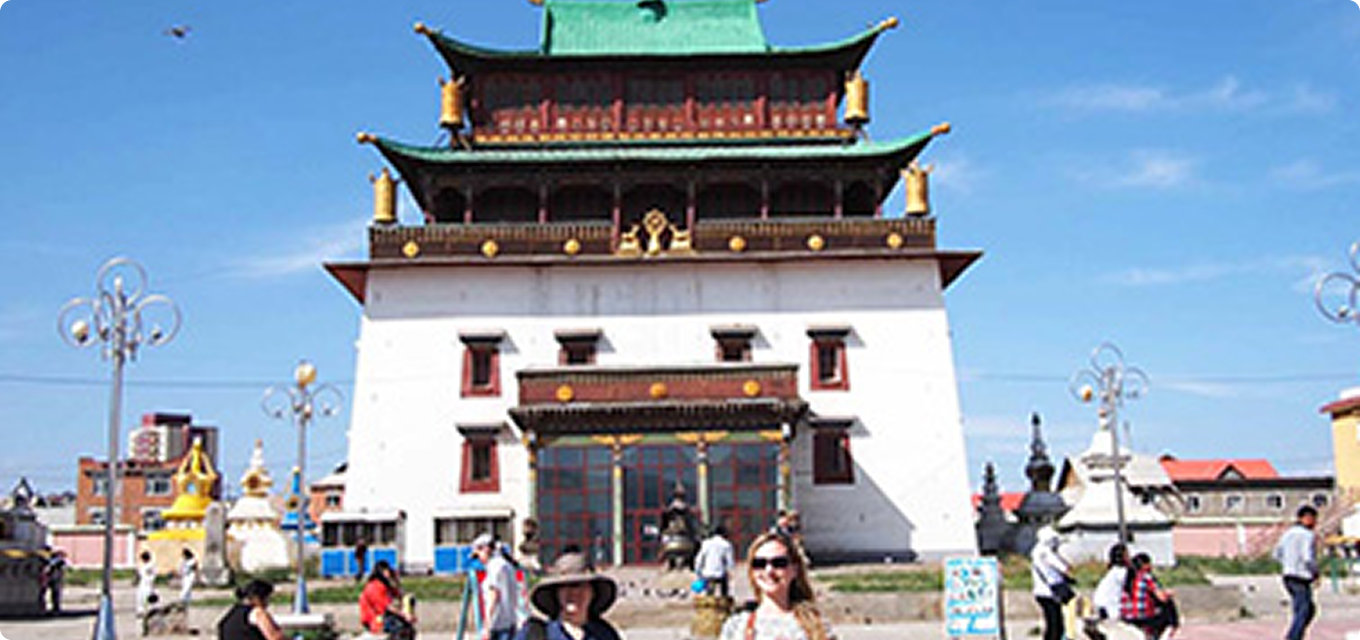
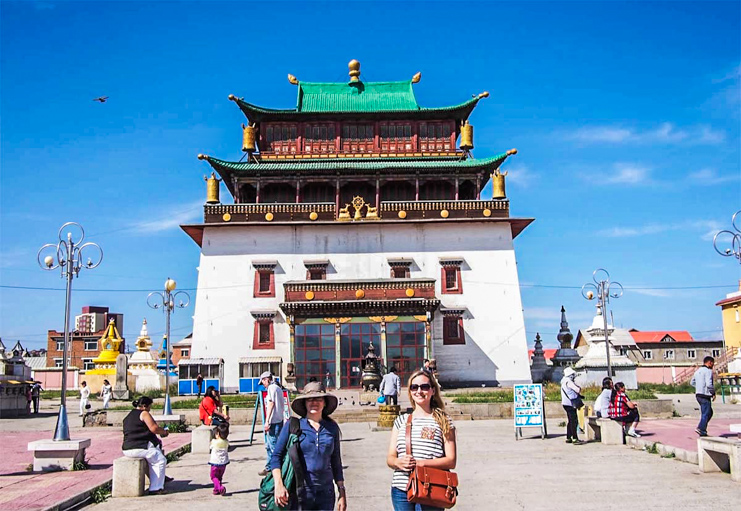
2. Gandantegchinlen Monastery
Mongolia's largest and most active Buddhist monastery, home to the towering Migjid Janraisig Buddha statue, which stands over 26 meters tall. It represents Mongolia's religious revival following the restrictions of the socialist period.
3. Bogd Khan Palace Museum
The former residence of Mongolia's last theocratic ruler, one of the few historic complexes to survive the political upheavals of the 20th century. Visitors can see royal clothing, religious art, and gifts from foreign leaders.
A modern museum in the city center dedicated to Genghis Khan's life and legacy, along with Mongolia's broader history from ancient nomadic civilizations through the present. Note that ticket prices and included services change periodically, so check current pricing before visiting.
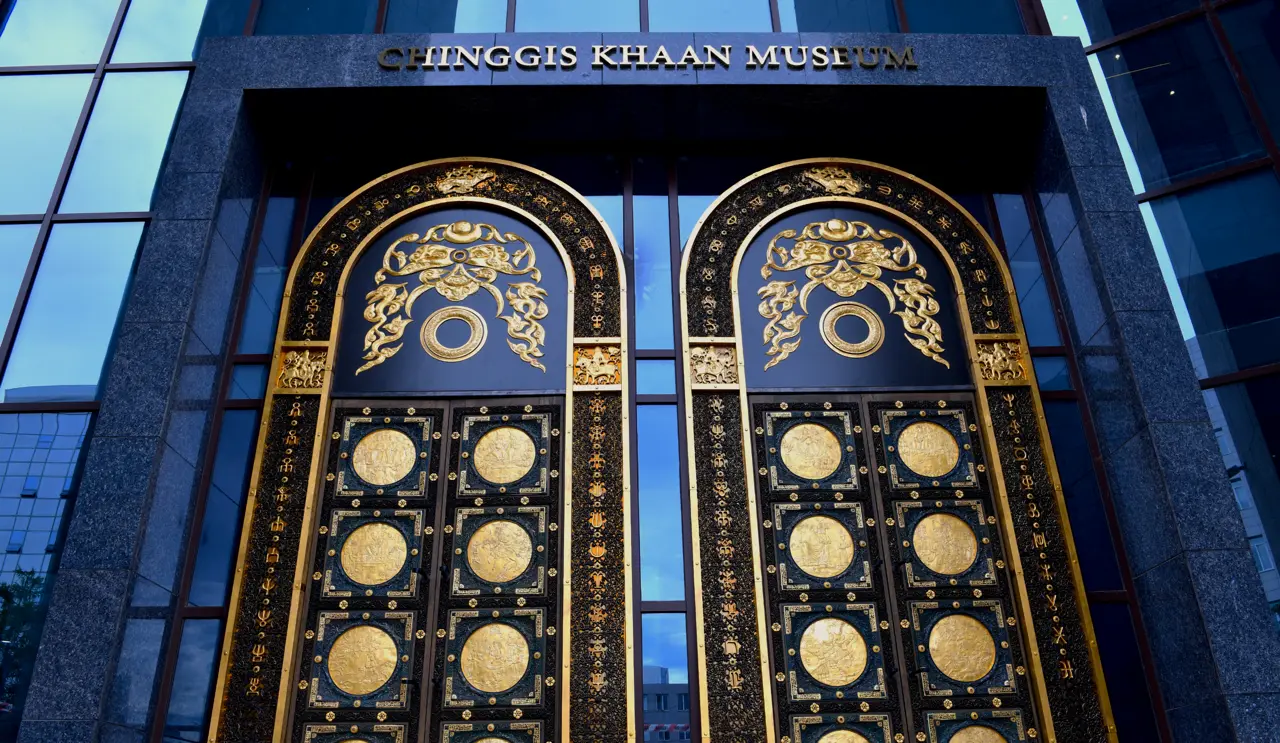
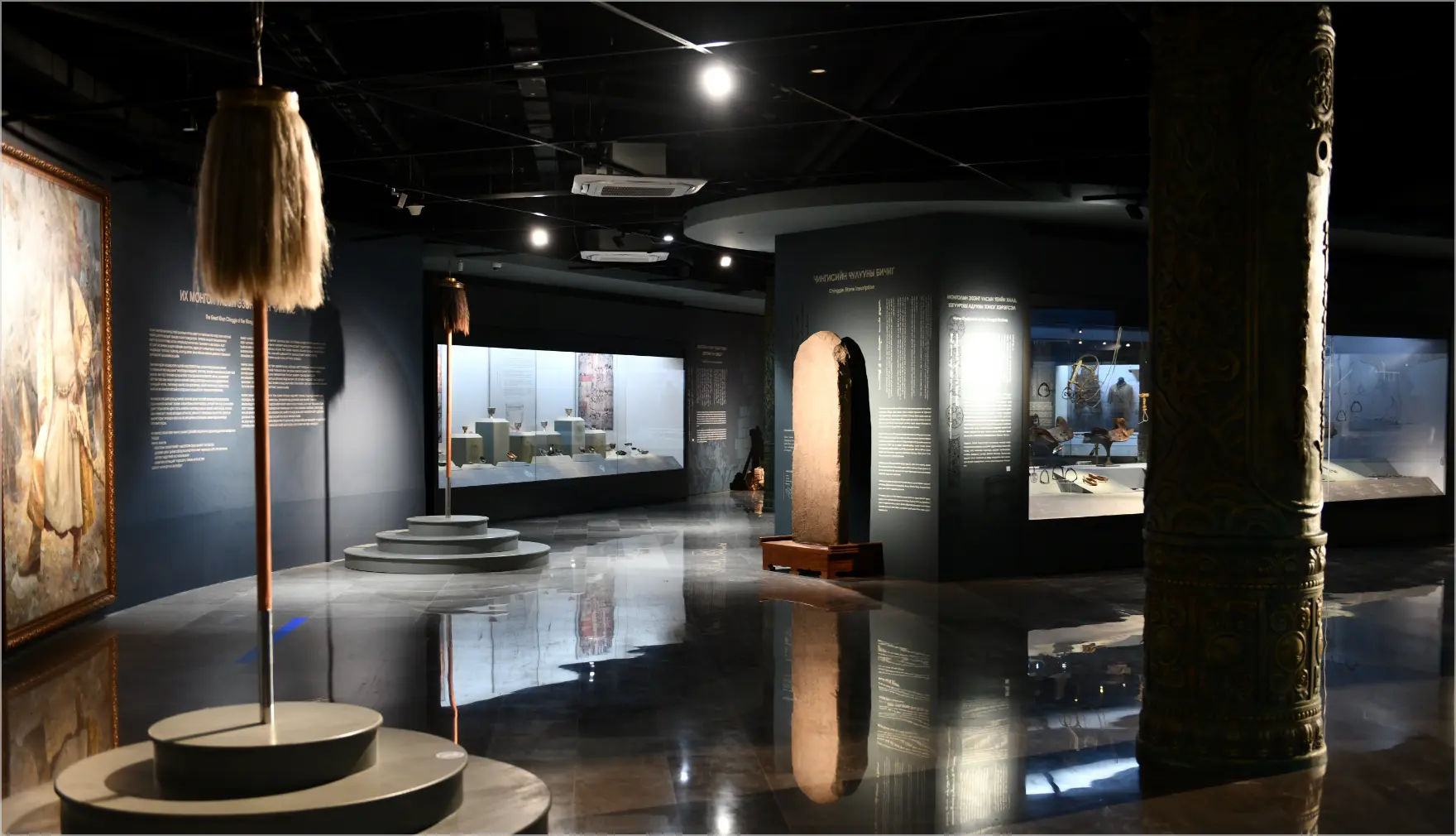
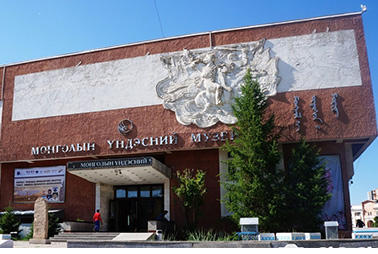
4. Chinggis Khaan National Museum
A modern museum in the city center dedicated to Genghis Khan's life and legacy, along with Mongolia's broader history from ancient nomadic civilizations through the present. Note that ticket prices and included services change periodically, so check current pricing before visiting.
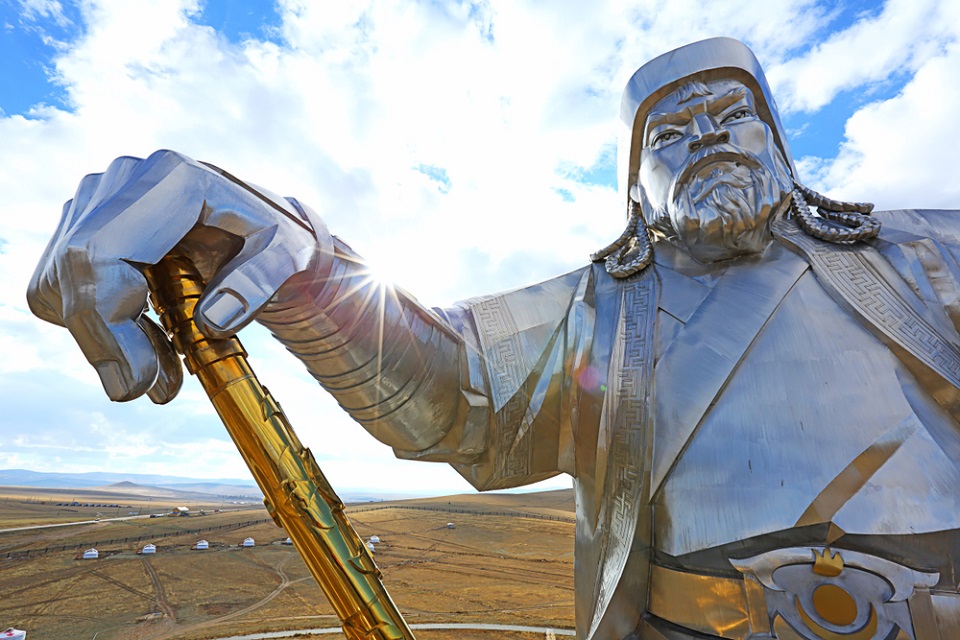
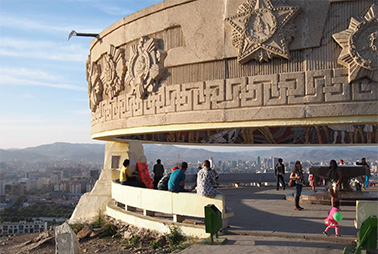
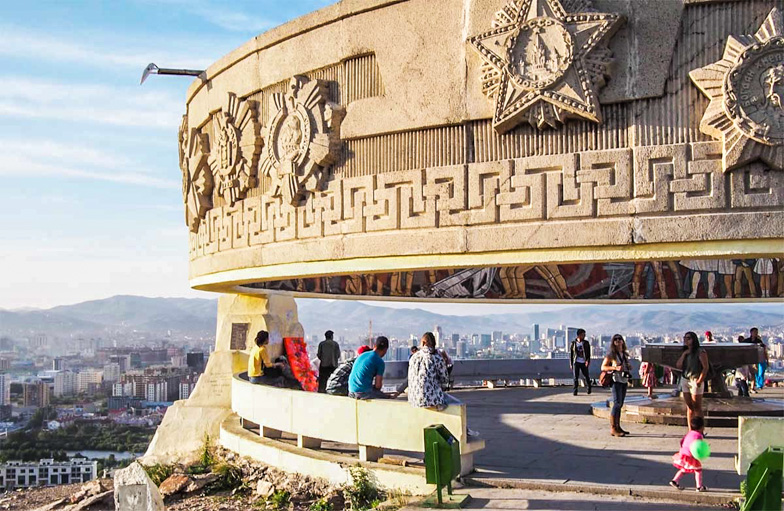
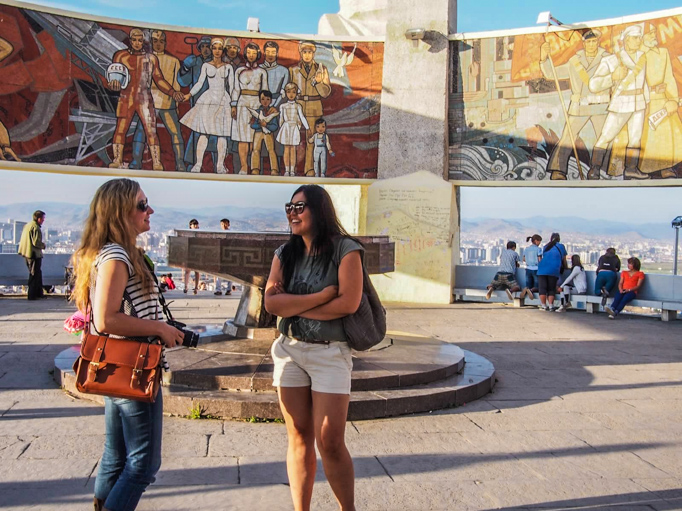
5. Zaisan Memorial
A hillside monument south of the city offering panoramic views over Ulaanbaatar, the Tuul River, and the surrounding mountains, best visited around sunset.
6. Choijin Lama Temple Museum
A well-preserved early 20th-century temple complex showcasing traditional Mongolian and Tibetan Buddhist architecture, ceremonial masks, and religious sculpture.
7. Winter Palace of the Bogd Khan
Part of the same historical complex as the Bogd Khan Palace Museum, notable for architecture that blends Mongolian, Chinese, and European influences.
8. Narantuul Market
Mongolia's largest open-air market, sometimes called the "Black Market," selling traditional deels, handmade boots, horse equipment, and souvenirs.
9. Shangri-La Mall
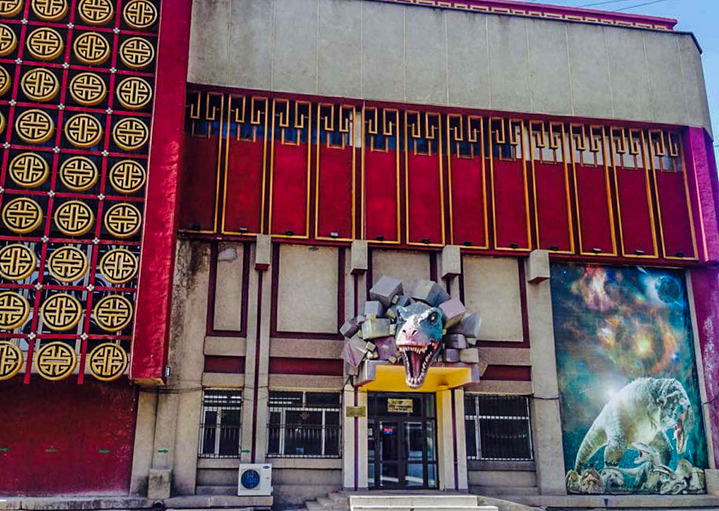
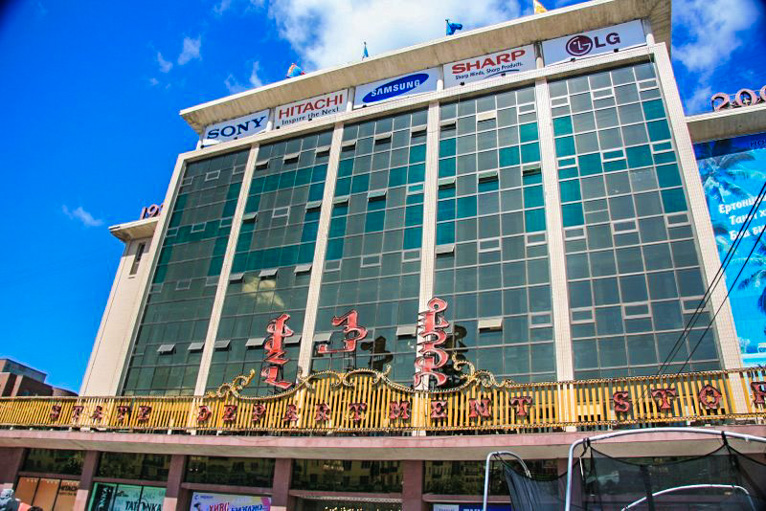
A modern shopping and entertainment complex that shows just how quickly the city has developed, standing in sharp contrast to its historic monasteries and open-air markets.
6. Choijin Lama Temple Museum
A well-preserved early 20th-century temple complex showcasing traditional Mongolian and Tibetan Buddhist architecture, ceremonial masks, and religious sculpture.
7. Winter Palace of the Bogd Khan
Part of the same historical complex as the Bogd Khan Palace Museum, notable for architecture that blends Mongolian, Chinese, and European influences.
8. Narantuul Market
Mongolia's largest open-air market, sometimes called the "Black Market," selling traditional deels, handmade boots, horse equipment, and souvenirs.
9. Shangri-La Mall
A modern shopping and entertainment complex that shows just how quickly the city has developed, standing in sharp contrast to its historic monasteries and open-air markets.
Ger Districts and Urban Expansion
One of Ulaanbaatar's most distinctive features is its extensive ger districts, informal settlements on the city's outskirts made up of traditional gers and simple detached housing. An estimated 60% of the city's population, well over 800,000 people, lives in these areas, many having moved from rural provinces in search of work, healthcare, and education.
Ger districts are culturally significant, but they also present real infrastructure challenges, particularly heating and winter air quality, since many households rely on coal and wood stoves. This is an active area of government and international attention, and travelers visiting in winter should be aware that air quality in the city can be poor during the coldest months. For more detail on the ger itself as a structure and cultural symbol, see our guide: What Is a Mongolian Ger?
Getting Around the City
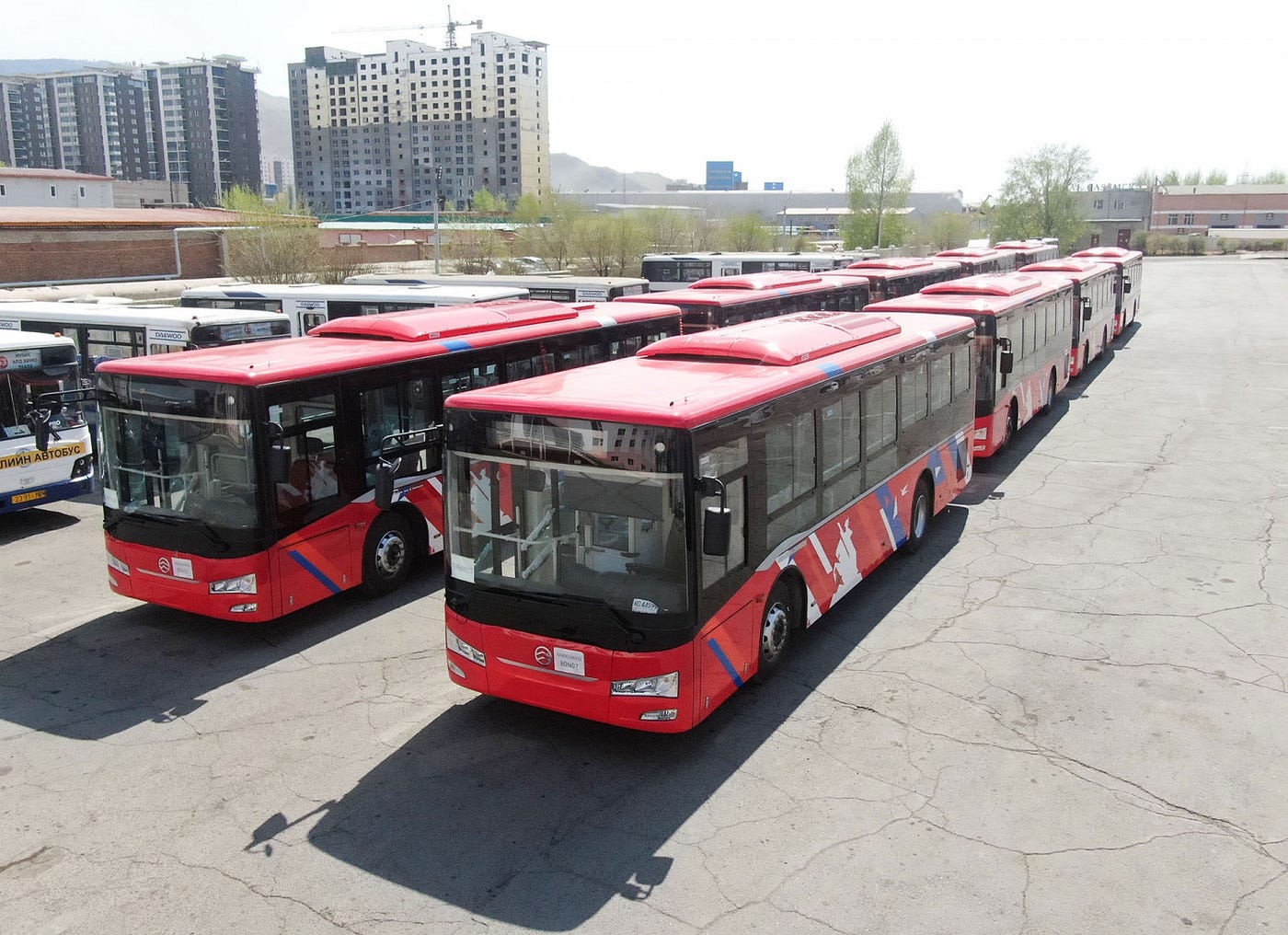
Transportation options include public buses, taxis, ride-hailing apps, and walking in central districts. Traffic congestion is common during peak hours, roughly 8:00–10:00 AM and 5:00–7:00 PM on weekdays.
International access: Ulaanbaatar is Mongolia's main transportation hub, with an international airport, a connection point on the Trans-Mongolian Railway linking Russia and China, and domestic flights to the provinces.
Day Trips from Ulaanbaatar
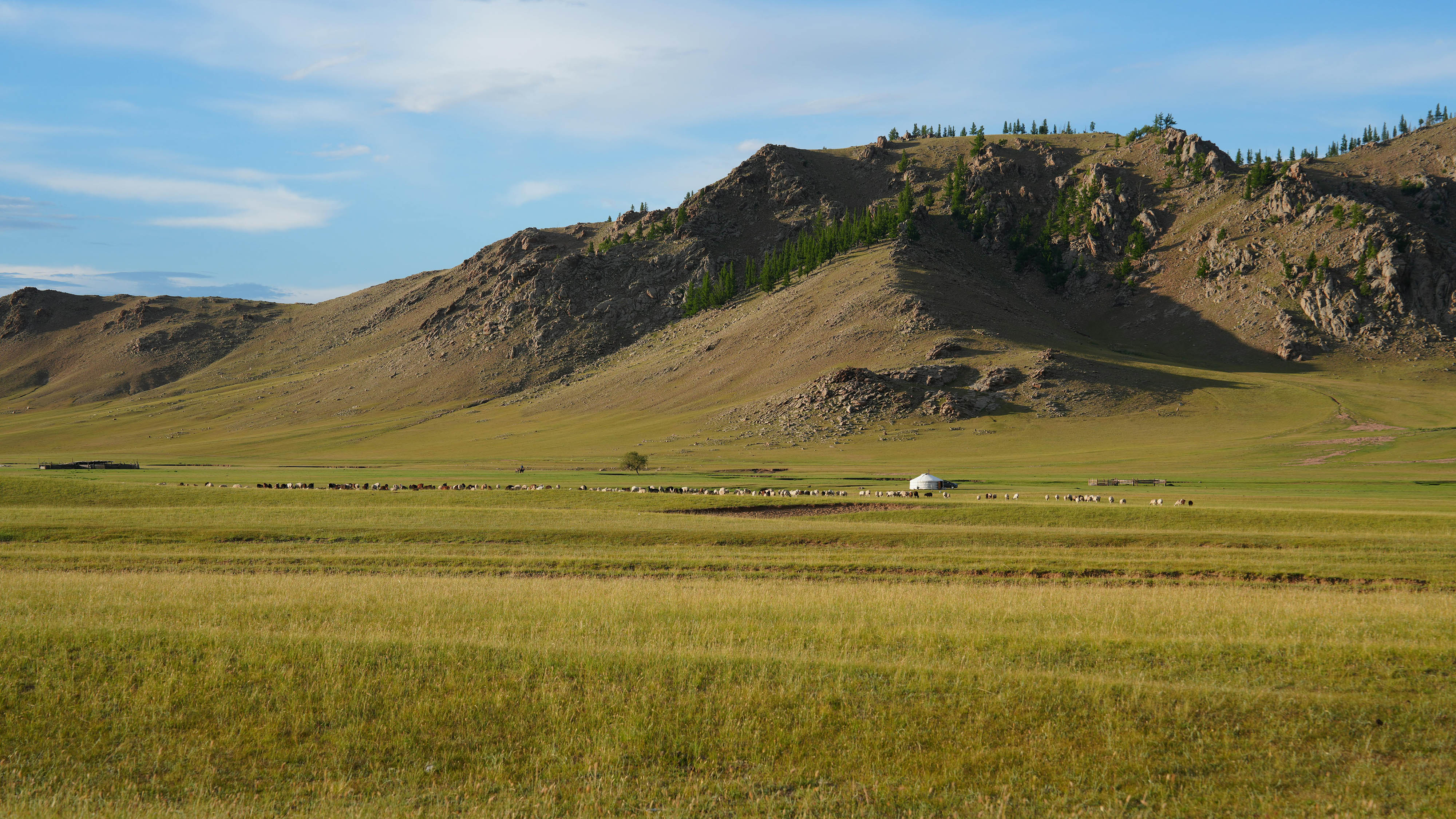
Popular options within a short drive of the city include national parks, nomadic family camps, horseback riding experiences, and historical monuments, letting visitors experience Mongolia's open steppe without a long journey.
Practical Travel Tips
- Carry cash. Some small shops don't accept cards.
- Dress in layers. Weather can change quickly, even in summer.
- Learn a few basic Mongolian greetings. It goes a long way with locals.
- Respect local customs and religious sites, particularly at active monasteries.
- Drink bottled or filtered water when traveling outside central areas.
Frequently Asked Questions
What is Ulaanbaatar?
Ulaanbaatar is the capital and largest city of Mongolia, serving as the country's political, economic, and cultural center, and the main entry point for most international visitors.
Where is Ulaanbaatar located?
It sits in north-central Mongolia along the Tuul River valley, at an elevation of roughly 1,350 meters, surrounded by four mountains considered sacred in Mongolian culture.
Why is Ulaanbaatar the coldest capital city in the world?
Its high elevation, inland continental climate, and mountain-ringed location combine to trap cold air, producing winter temperatures that regularly fall below -20°C and can reach -40°C.
How many people live in Ulaanbaatar?
The population is estimated at around 1.68 million as of 2026, roughly half of Mongolia's total population, with continued growth driven by rural migration.
What are the main attractions in Ulaanbaatar?
Sükhbaatar Square, Gandantegchinlen Monastery, the Chinggis Khaan National Museum, Zaisan Memorial, and the Bogd Khan Palace Museum are among the city's most visited sites.
When is the best time to visit Ulaanbaatar?
May through September offers the warmest weather and includes major festivals like Naadam, making it the most popular season for travel.
What is a ger district, and should travelers know about it?
Ger districts are informal settlements on Ulaanbaatar's outskirts where around 60% of the city's population lives, in traditional gers or simple housing. They're culturally significant but also a major source of the city's winter air pollution, which travelers visiting in the colder months should be aware of.
How do I get around Ulaanbaatar?
Public buses, taxis, and ride-hailing apps are all common, with walking practical in the central districts. Traffic can be heavy during weekday rush hours.
.jpg)
.jpg)
.jpg)