
About Mongolia
Mongolia is truly one of the world's last undiscovered travel destinations and the safest country to visit.
Mongolian traditional food centers on dairy ("White Food") and meat from the country's five main livestock species, shaped almost entirely by a nomadic lifestyle and extreme climate. Signature items include airag (fermented mare's milk), suutei tsai (salty milk tea), khorkhog and boodog (stone-cooked meat dishes), and borts (air-dried preserved meat). Dishes vary by season, with dairy dominant in summer and heavier meat-based meals taking over in winter, reflecting centuries of adaptation to Mongolia's environment.
This guide covers the full picture. For step-by-step recipes, see our Top 10 Mongolian Dishes guide, and for a deeper look at Mongolia's national drink, see What Is Airag?
Culture, Climate, and the Nomadic Way of Life
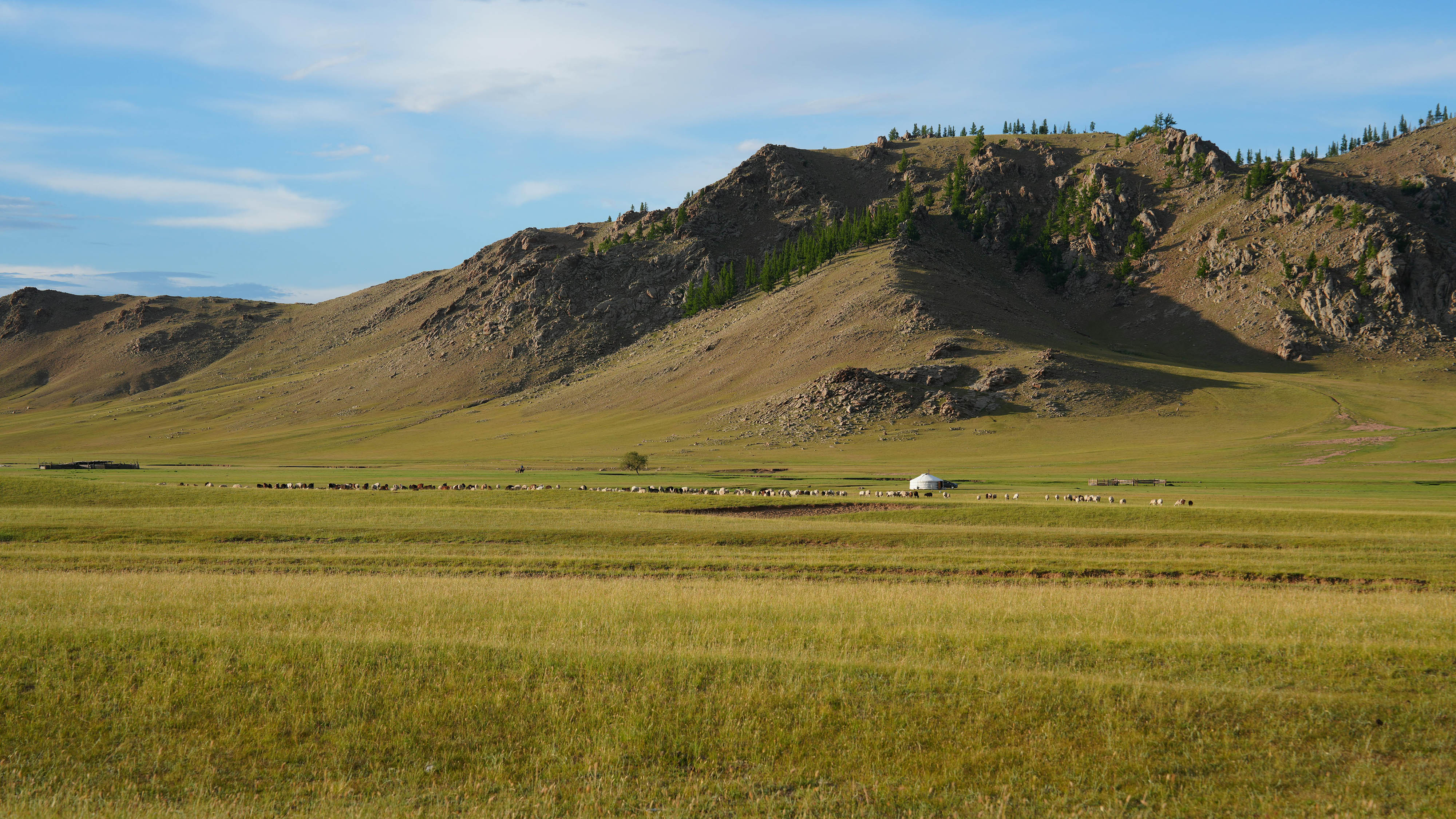
Mongolian traditional cuisine is deeply connected to the country’s nomadic lifestyle, harsh continental climate, and centuries-old pastoral culture. For thousands of years, Mongolians have lived as herders across vast steppes, deserts, and mountain regions, relying primarily on livestock for survival. As a result, Mongolian food developed around meat, dairy products, and preservation techniques suited to long winters and seasonal migration.
Unlike agricultural societies that depend heavily on crops, Mongolia’s traditional diet reflects mobility, self-sufficiency, and efficient use of animal resources. Every part of livestock: milk, meat, fat, wool, and hide, has practical and cultural value. Food is not only nourishment but also a symbol of harmony with nature.
This blog explores Mongolia’s traditional foods and beverages, focusing on dairy products known as “White Food,” fermented drinks, meat dishes, tea culture, traditional alcohol, and preservation methods that shaped Mongolian cuisine.
Dairy Products: "White Food" (Tsagaan Idee)
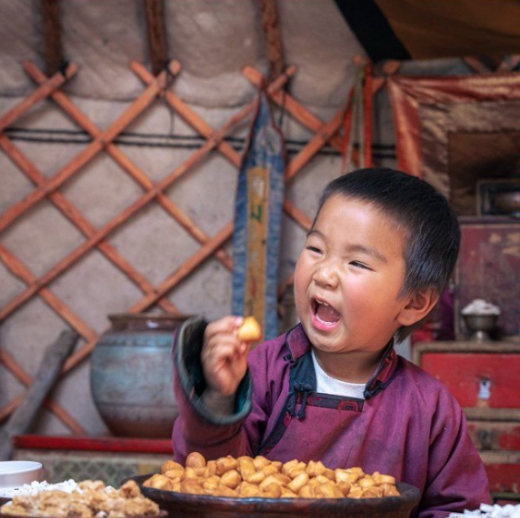
Dairy products occupy a central place in Mongolian food culture and are collectively known as Tsagaan Idee, meaning "White Food." The color white symbolizes purity, generosity, good fortune, and kindness in Mongolian tradition. Offering dairy products to guests is considered a gesture of respect and goodwill.
Nomadic families produce a wide variety of dairy foods from the milk of cows, mares, sheep, goats, yaks, and camels. Because livestock graze on natural pastureland, the taste and nutritional content of dairy products vary depending on region and season.
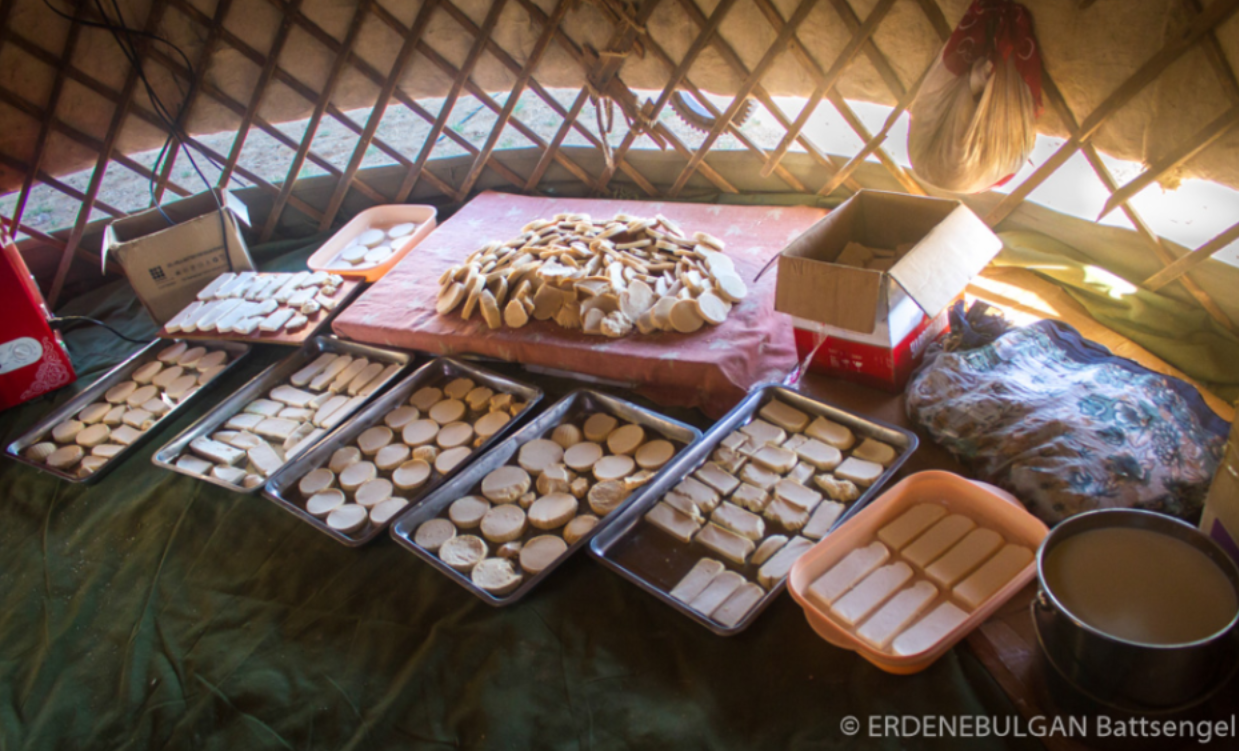
Common types of White Food:
- Fresh milk – consumed daily or used as a base for other products
- Urum – a thick layer of cream collected from boiled milk
- Mongolian butter – traditionally handmade and rich in flavor
- Aaruul – dried curd cheese preserved for long-term storage
- Tarag – yogurt similar to kefir
- Byaslag – fresh cheese
- Eezgii – sweet dried curd made after milk processing
Aaruul is particularly important for nomadic life because it can be stored for months without refrigeration. It's lightweight, nutritious, and ideal for travel across long distances. Dairy production increases during summer when animals produce more milk, and families often spend much of the warm season processing milk into foods that will sustain them through winter.
Airag: Mongolia's National Drink
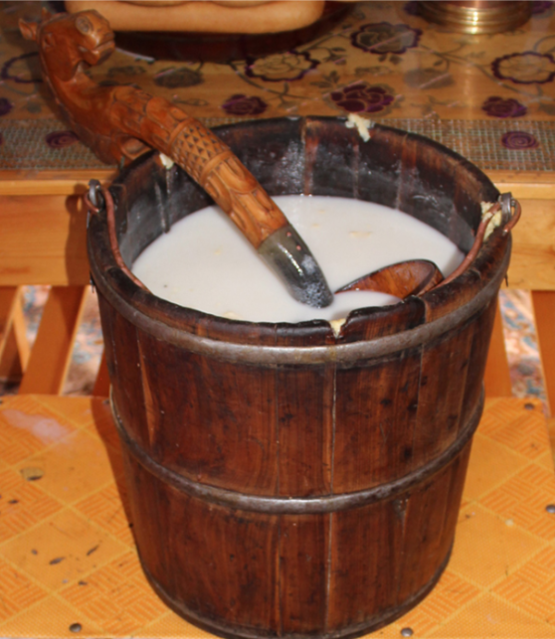
One of Mongolia's most iconic beverages is airag, fermented mare's milk, both a daily drink and a ceremonial beverage associated with celebration and hospitality.
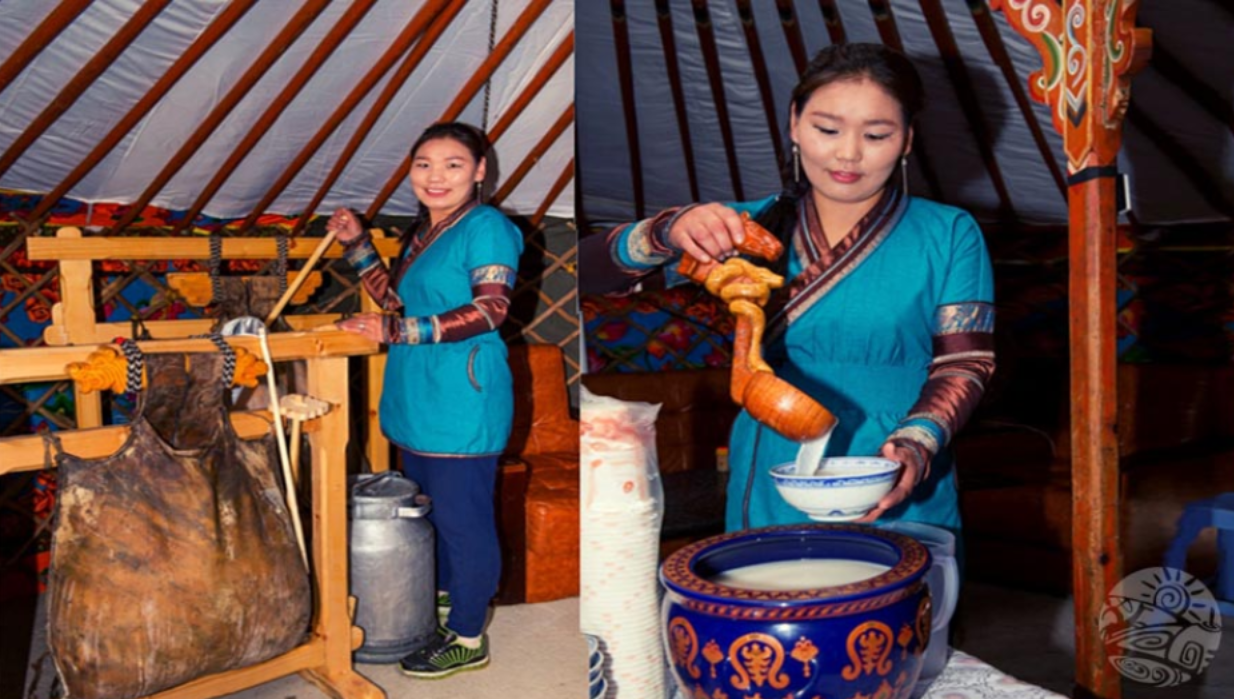
Traditionally, airag is produced during summer when mares are milked multiple times per day. The fresh milk is poured into a large leather bag called a khukhuur and stirred or beaten hundreds or even thousands of times to encourage fermentation. The result is a slightly sour, mildly alcoholic drink containing approximately 1–3% alcohol, believed to aid digestion.
Airag's role in social customs:
- Served during Naadam Festival, weddings, and Lunar New Year celebrations
- Offered to guests as a sign of honor
- Presented to winners of wrestling competitions
- Sprinkled on victorious racehorses as a blessing
Airag etiquette matters: it should never be wasted or deliberately spilled, since milk products are considered sacred gifts of nature, and guests who can't finish a bowl are encouraged to sip politely rather than refuse outright. Certain provinces, including Bulgan, Arkhangai, and Övörkhangai, are especially known for high-quality airag due to favorable pasture conditions. For more on how it's made and how to drink it politely as a guest, see our full guide: What Is Airag?
Meat in Mongolian Cuisine
Because Mongolia experiences long, cold winters, meat provides essential calories and nutrients. Traditional meals are protein-rich and designed to sustain physical labor in extreme climates. The most commonly consumed meats include sheep (mutton), goat, beef, horse meat, camel meat (regional), and occasionally wild game historically. Cooking methods developed to suit nomadic conditions where cookware and fuel were limited.
Boodog: Traditional Stone Barbecue
Boodog is one of Mongolia's most distinctive cooking techniques, often prepared during special gatherings. Traditionally made using marmot or goat, it involves removing the internal organs while keeping the skin intact, filling the carcass with heated stones along with salt, onions, or vegetables, then sealing the opening so the meat cooks from the inside using trapped heat. After cooking, people sometimes hold the warm stones briefly, believing they promote circulation and relaxation.
Khorkhog: Stone Pot Cooking
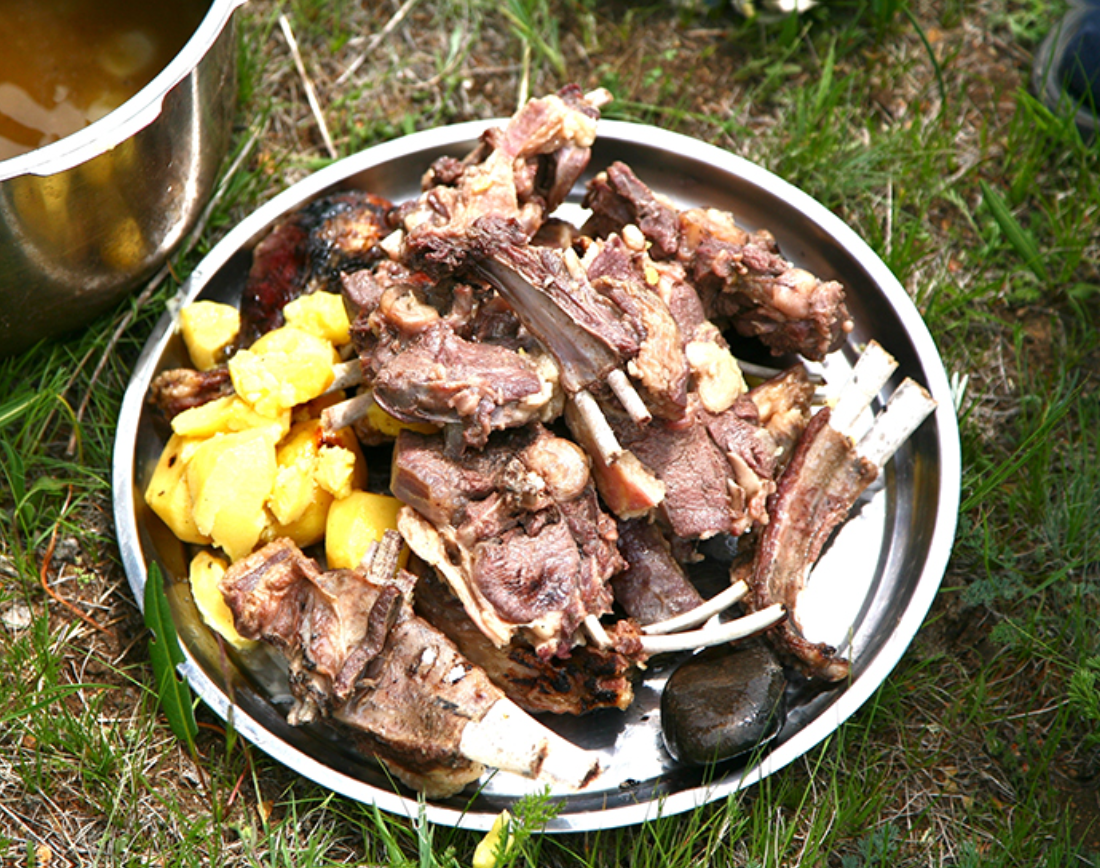
Khorkhog, sometimes called Mongolian barbecue (though it differs from Western barbecue styles), involves cutting sheep or goat meat into pieces, then placing the meat, hot stones, and vegetables into a sealed metal container heated over an open fire. The stones distribute heat evenly while the sealed environment traps steam, letting the meat cook in its own juices. Historically, similar methods were used by soldiers during military campaigns because they required minimal equipment. Khorkhog is typically prepared by men during gatherings, reflecting traditional social roles connected to outdoor cooking.
Mongolian Milk Tea (Suutei Tsai)
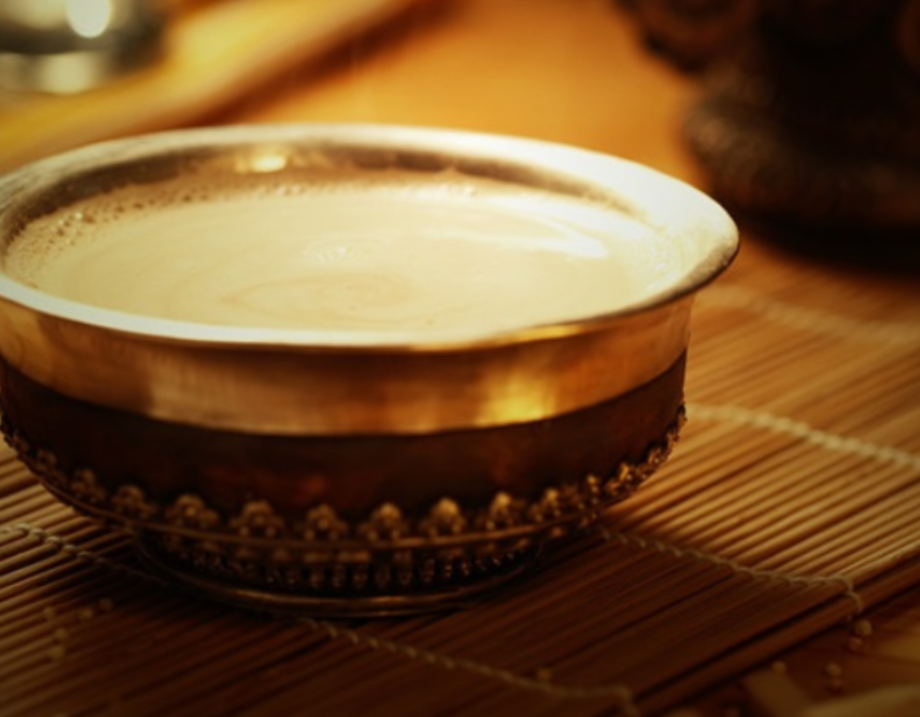
Milk tea is one of the most essential daily beverages in Mongolia, usually the first thing offered to visitors entering a ger. Unlike sweet teas common in other cultures, Mongolian milk tea is salty, made by boiling water, brick tea leaves, milk (cow, sheep, or camel), and salt. Some regional variations add rice, flour, or small dumplings, turning it into a more filling, meal-like drink.
Milk tea provides warmth during cold weather, supplies hydration and minerals, and acts as a welcoming gesture for guests. Elderly Mongolians may drink several liters daily, and traditional medicine also associates milk tea with health benefits, especially for treating colds or fatigue.
Traditional Distilled Alcohol: Shimiin Arkhi
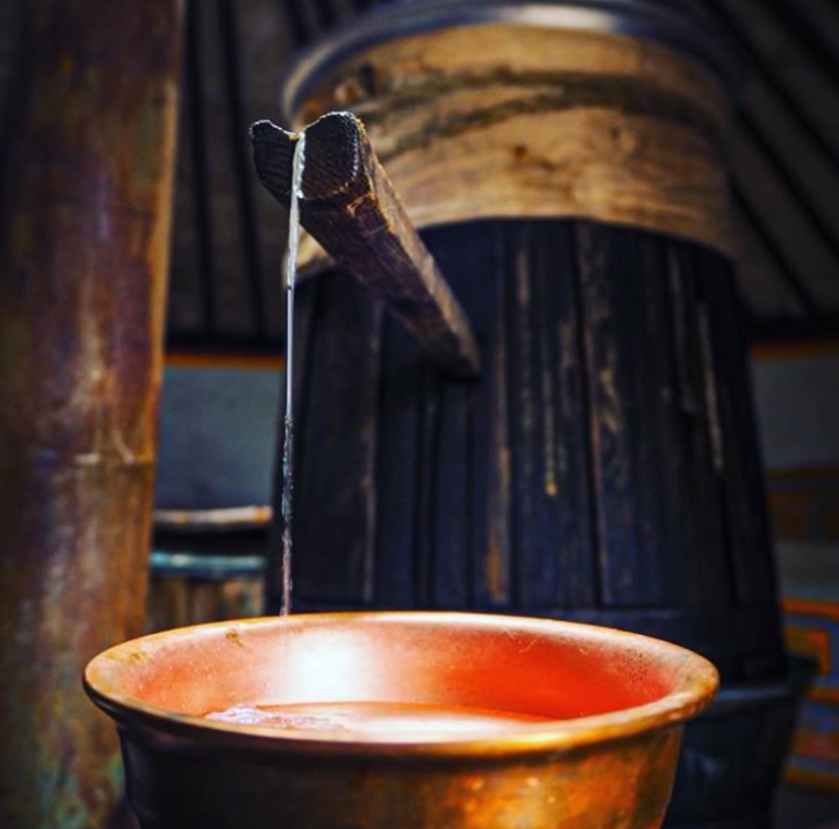
Shimiin arkhi is a distilled alcohol made from fermented milk products, produced for centuries using a process passed down through generations. Traditional distillation involves fermenting milk into yogurt or buttermilk, heating the liquid over a fire, placing a container above it to catch rising steam, cooling that steam with water-filled bowls, and collecting the condensed alcohol below. After production, a small amount of arkhi is often poured into the fire as an offering to the fire spirit, reflecting nature-worship traditions. Arkhi production is more common in rural areas, though city residents often receive homemade versions from relatives in the countryside.
Borts: Dried Meat Preservation
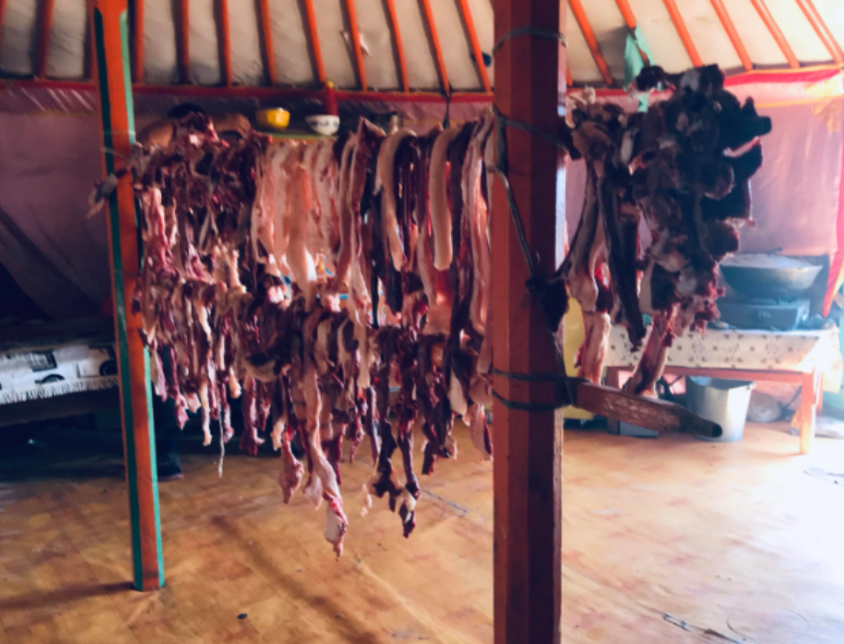
Borts, air-dried meat, is one of the most practical foods in Mongolian cuisine, developed for long-term storage. Thin strips of beef are hung in shaded, ventilated areas during winter, where the dry climate naturally freezes and dehydrates the meat, producing extremely hard dried meat that can last for months or even years. Before cooking, borts is crushed into powder and added to boiling water, instantly creating a nutritious soup or broth, allowing nomadic families and travelers to carry lightweight, high-protein food across vast distances.
Food and Hospitality in Mongolian Culture
Food in Mongolia represents social values and cultural identity. Hospitality is a core principle of nomadic life, since survival historically depended on cooperation and mutual support.
Common hospitality traditions:
- Always offering tea or dairy products to guests
- Serving the best available food regardless of household wealth
- Sharing meals communally
- Respecting food by avoiding waste
Seasonal Eating Patterns
Traditional Mongolian diets shift with the seasons:
- Summer: abundant dairy production, airag consumption, lighter meals
- Autumn: preparation for winter, meat preservation, fat storage
- Winter: heavy meat-based meals, soups and boiled dishes, high-calorie foods for warmth
- Spring: historically limited food supply, greater reliance on stored products
These seasonal rhythms reflect the close relationship between nomadic families and their livestock. For a food-focused look at one specific seasonal celebration, see our guide: Tsagaan Sar Foods and Drinks
What Mongolians Traditionally Don't Eat
While Mongolian cuisine is rich in meat and dairy, several foods and eating habits are traditionally uncommon, for cultural, environmental, and historical reasons:
- Vegetables and fruits: Mongolia's harsh climate and short growing season historically limited fresh produce, though imports and greenhouse farming have changed this in modern times.
- Pork: Not a traditional staple, mainly because pigs don't suit a nomadic herding lifestyle, though it's available today, especially in urban areas.
- Fish: Despite Mongolia's rivers and lakes, fish has historically played a minor role in the diet, partly due to cultural beliefs and partly because herding was the primary livelihood.
- Spicy food: Traditional cooking rarely uses chili or strong spices, focusing instead on the natural taste of meat and dairy.
- Complex sauces and heavy seasoning: Traditional dishes typically use just salt, without the elaborate spice blends common in many neighboring cuisines.
- Wasted food, especially dairy: Not a food category, but a strongly held value; dairy products are considered sacred gifts of nature and are treated accordingly.
Modern Changes and Continuity
Urbanization and globalization have introduced new foods into Mongolia, including vegetables, rice, and international cuisine. However, traditional foods remain deeply respected and widely consumed, especially during festivals and family gatherings. Today, Mongolian cuisine represents a blend of ancient nomadic practices and modern influences: while lifestyles change, core traditions such as dairy culture, meat preparation, and hospitality continue to define national identity.
Frequently Asked Questions
Why does Mongolian cuisine rely heavily on meat and dairy?
Mongolia's harsh continental climate and nomadic lifestyle make large-scale agriculture difficult. For centuries, Mongolians depended on livestock such as sheep, goats, cattle, horses, and camels for survival, making meat and dairy the foundation of the traditional diet.
What is "White Food" in Mongolian culture?
"White Food" (Tsagaan Idee) refers to dairy products such as milk, yogurt, cheese, butter, and dried curds, symbolizing purity, kindness, and good fortune, and commonly offered to guests as a sign of respect.
Is airag alcoholic?
Yes, Airag contains a small amount of alcohol from natural fermentation, usually around 1–3%, making it mild compared to most alcoholic beverages.
What makes Mongolian cooking methods unique?
Techniques like boodog and khorkhog use heated stones to cook meat evenly without ovens or complex tools, reflecting the adaptability nomadic life demanded.
Why is Mongolian milk tea salty instead of sweet?
Suutei tsai includes salt because it was designed to provide hydration and minerals for herders working long hours outdoors, and the salty flavor complements heavy meat-based meals.
What is borts and why is it important?
Borts is air-dried meat preserved naturally in Mongolia's dry climate, storable for long periods without refrigeration and quickly turned into soup, making it essential for nomadic travel and winter survival.
Are traditional foods still important in modern Mongolia?
Yes, Although urban lifestyles have introduced international cuisine, traditional foods remain central to Mongolian identity, especially during festivals, family gatherings, and cultural celebrations.
What role does food play in Mongolian hospitality?
Food represents generosity and respect. Guests are almost always welcomed with milk tea or dairy products, and accepting even a small portion is considered polite and appreciated.