
The most popular Mongolian dishes to cook at home include buuz (steamed dumplings), khuushuur (fried meat pastries), khorkhog (stone-cooked meat), and tsuivan (hand-pulled noodles with meat), most built around mutton, beef, or lamb, wheat dough, and simple vegetables like onion, carrot, and cabbage. Most recipes require no specialty equipment beyond a steamer or a large pot, making them approachable for home cooks outside Mongolia.
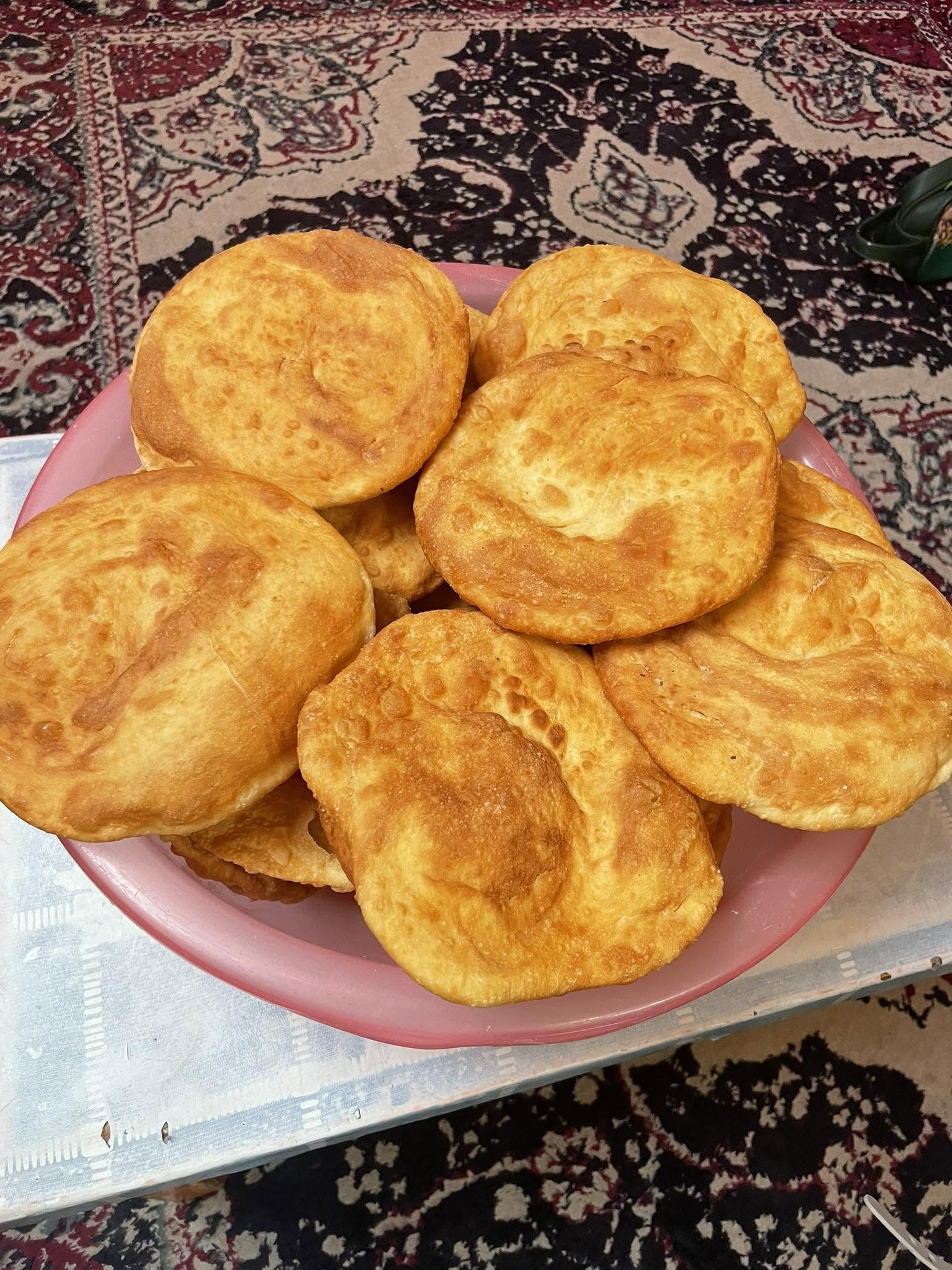
1. Khuushuur (Fried Meat Pastry)
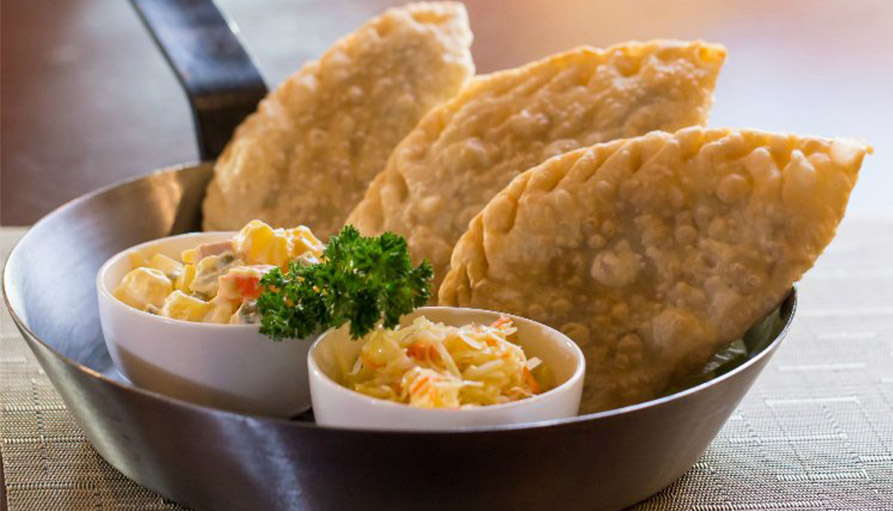
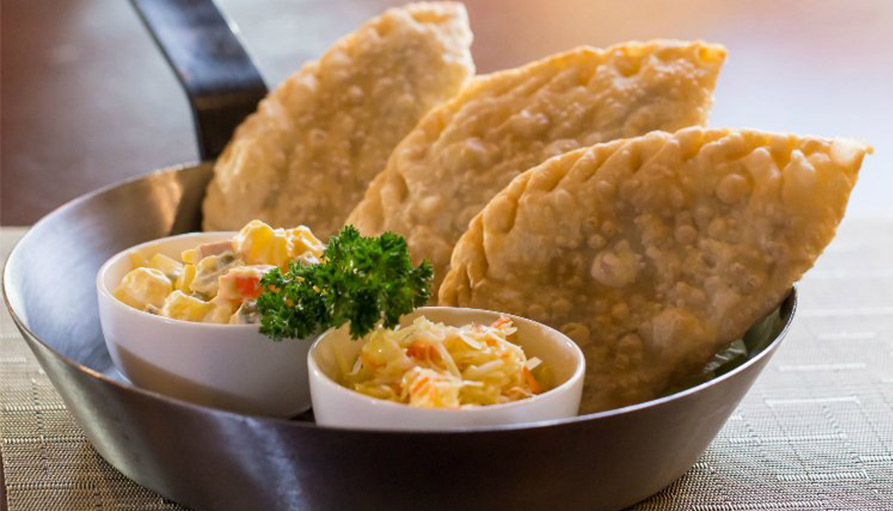
Khuushuur is a flattened, fried dumpling, often considered Mongolia's signature street food and a Naadam Festival staple.
Ingredients:
- 500g ground mutton or beef
- 1 onion, finely diced
- 2 cups flour
- 3/4 cup water
- Salt and pepper to taste
- Oil for frying
Steps:
- Mix flour and water into a firm dough; rest for 20 minutes.
- Combine ground meat, onion, salt, and pepper.
- Roll dough into thin circles, place a spoonful of filling in the center, and fold into a half-moon, sealing the edges firmly.
- Fry in hot oil until golden brown on both sides, about 3–4 minutes per side.
3. Tsuivan (Hand-Pulled Noodles with Meat)
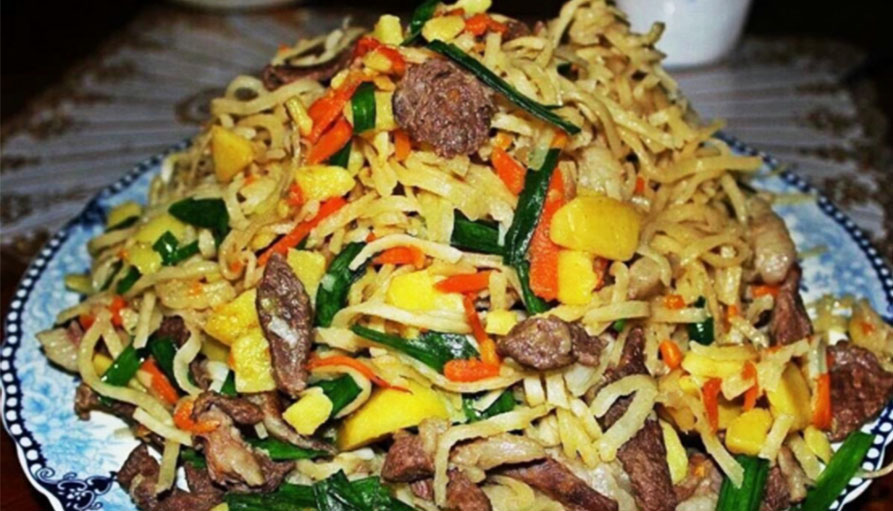
Essentially, it's a noodle stew prepared with mutton and various vegetables. The noodles are traditionally made by hand (for some, this is an added challenge), and they're cooked or steamed together with diced meat and vegetables. Use whatever you have at hand - onions, cabbage, peppers, carrots, or potatoes. It is best served freshly prepared and sprinkled with scallions.
Tsuivan is a filling noodle stew, popular for using whatever vegetables are on hand.
Ingredients:
- 400g mutton or beef, sliced thin
- 3 cups flour, plus water to form dough
- 1 onion, sliced
- 1 carrot, julienned
- 1/2 cabbage, sliced
- Oil, salt, and pepper
Steps:
- Make a stiff dough from flour and water, roll thin, and cut into noodle strips (or use store-bought wide noodles as a shortcut).
- Sauté meat and onion in oil until browned.
- Add carrot and cabbage, cooking until softened.
- Add noodles on top, cover, and steam for 10–15 minutes, then stir everything together before serving.
3. Bantan (Meat and Flour Soup)
Bantan is a simple, warming soup, sometimes described as a Mongolian comfort food or hangover remedy.
Ingredients:
- 300g meat, diced small
- 4 cups water or broth
- 1/2 cup flour
- 2 spring onions, chopped
- Salt and pepper
Steps:
- Simmer meat in water or broth until tender, about 30–40 minutes.
- Whisk flour with a small amount of cold water to form a smooth paste.
- Stir the flour paste into the simmering broth to thicken the soup.
- Season with salt and pepper, and garnish with spring onions before serving.
4. Khorkhog (Stone-Cooked Barbecue)
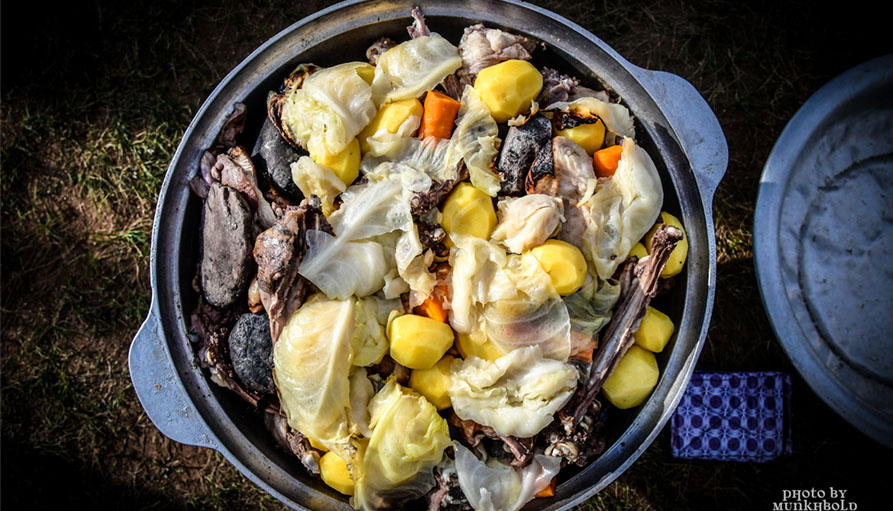
Khorkhog is Mongolia's most famous celebratory dish, traditionally cooked with heated stones inside a sealed pot.
Ingredients:
- 1.5 kg bone-in lamb, mutton, or goat, cut into pieces
- 3–4 potatoes, quartered
- 2 carrots, chopped
- 1 onion, quartered
- 1 head cabbage, chopped
- Salt to taste
- Water
Steps:
- Traditionally, river stones are heated in an open fire until very hot, then layered into a large pot alternating with meat and vegetables. At home, a heavy Dutch oven or pressure cooker works as a substitute, without the stones.
- Add a small amount of water, seal the pot tightly, and cook over medium-low heat (or use a pressure cooker) for about 1.5 to 2 hours, until the meat is tender.
- Serve directly from the pot, traditionally passing pieces of meat by hand.
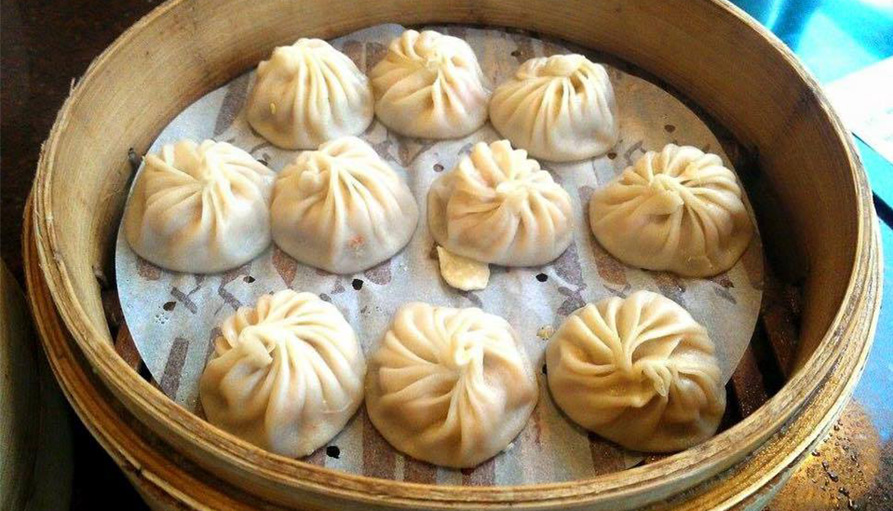
5. Buuz (Steamed Dumplings)
Buuz are Mongolia's most iconic dish, especially associated with Tsagaan Sar, when families steam hundreds at once.
Ingredients:
- 500g ground mutton or beef
- 1 onion, finely chopped
- 2 cloves garlic, minced
- 2 cups flour
- 3/4 cup water
- Salt and pepper to taste
Steps:
- Make a firm dough from flour and water; rest for 20 minutes, then roll into small circles.
- Mix meat, onion, garlic, salt, and pepper.
- Place filling in the center of each circle and pleat the edges closed at the top, leaving a small opening.
- Steam for 15–20 minutes until the dough is fully cooked through.
6. Budaatai Khuurga (Mongolian Fried Rice)
A quick, everyday dish that comes together in under 15 minutes.
Ingredients:
- 300g shredded beef or lamb
- 2 cups cooked rice
- 1 onion, sliced
- 1 carrot, shredded
- 1/2 cabbage, shredded
- 1 bell pepper, sliced
- A handful of snow peas
- Oil, salt, and pepper
Steps:
- Stir-fry the meat in oil until browned.
- Add onion, carrot, cabbage, and bell pepper, cooking until just tender.
- Add cooked rice and snow peas, stirring to combine and heat through.
- Season with salt and pepper before serving.
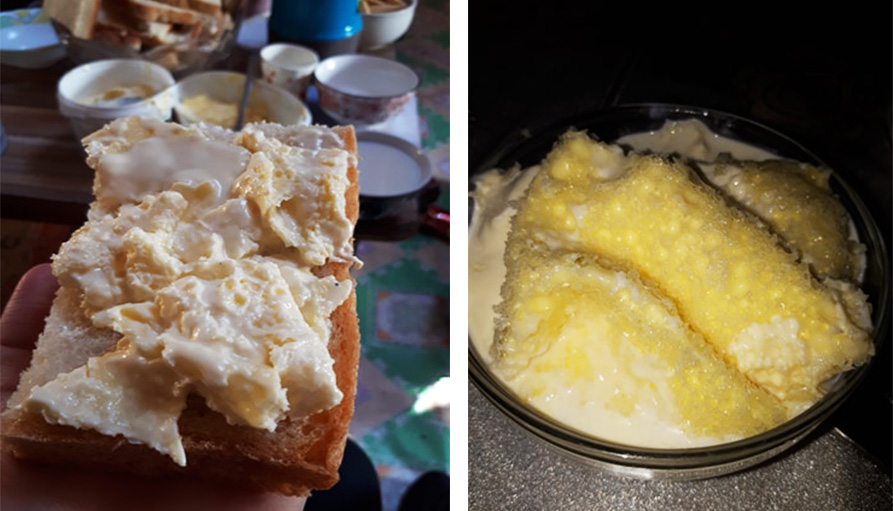
7. Orom (Clotted Cream)
Orom, sometimes called urum, is a rich, calorie-dense dairy treat made from goat, yak, or cow's milk.
Ingredients:
- 4 cups whole milk (unhomogenized, if available)
Steps:
- Gently heat milk in a wide, shallow pan without boiling, until a skin begins to form on top.
- Simmer very slowly for 45–60 minutes, ladling the milk over the forming skin occasionally.
- Let the pan cool, then refrigerate for several hours or overnight.
- Lift off the thickened cream layer that has formed on top and serve with jam, sugar, or bread.
8. Gambir (Mongolian Pancakes)
A simple fried dough dessert, often made from leftover dumpling dough.
Ingredients:
- 2 cups flour
- 3/4 cup water
- 2 tbsp melted butter
- 2 tbsp sugar
- Oil for frying
Steps:
- Mix flour and water into a soft dough; rest for 15 minutes.
- Roll into thin rounds and spread with a thin layer of butter and sugar.
- Fold or roll the dough, then pan-fry until golden on both sides.
- Serve warm with jam.
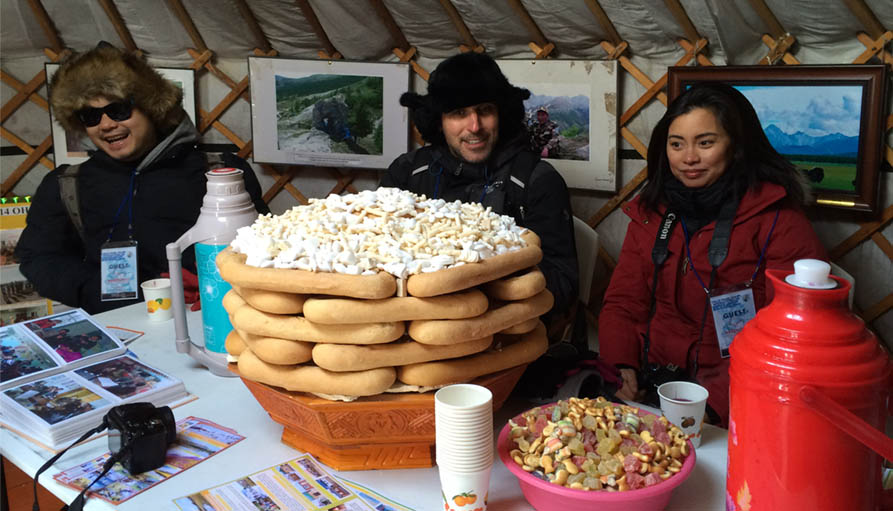
9. Ul Boov ("Shoe Sole" Cake)
Ul Boov is a festive, layered pastry stacked into a tower and decorated with candy for celebrations, particularly Tsagaan Sar.
Ingredients:
- 3 cups flour
- 1 cup butter, softened
- 1/2 cup sugar
- 2 eggs
- 1 tsp baking powder
Steps:
- Combine flour, butter, sugar, eggs, and baking powder into a firm dough.
- Shape into flattened oval pieces resembling a shoe sole, then score a pattern on top with a fork or knife.
- Fry each piece in oil until golden brown, or bake at 180°C (350°F) for about 12–15 minutes.
- Stack the pieces into a tiered tower, traditionally in odd numbers, and decorate with candy, dairy products, or dried fruit.
10. Boortsog (Mongolian Cookies)
This delicious finger food is a version of the butter cookie, served with even more butter or honey.
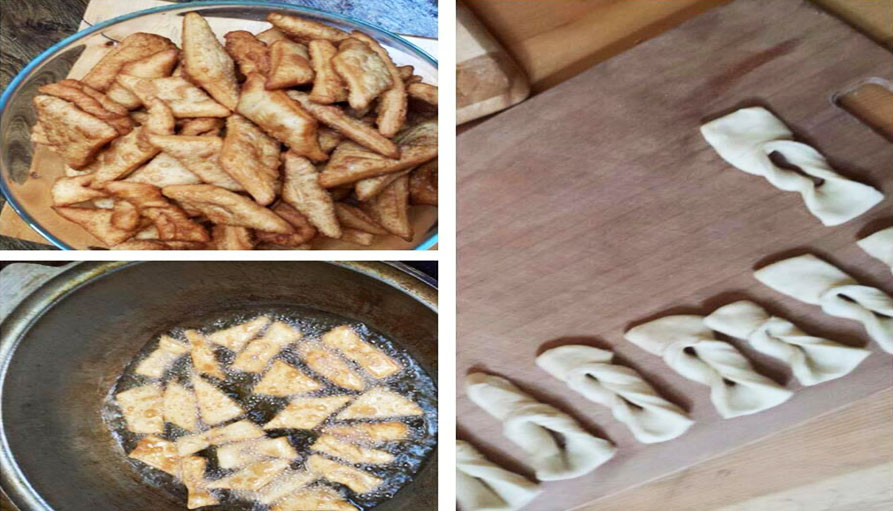
A simple fried butter cookie, common at celebrations and as an everyday snack.
Ingredients:
- 3 cups flour
- 1/2 cup butter, softened
- 1/4 cup sugar
- 1/2 cup milk
- 1 tsp baking powder
- Oil for frying
Steps:
- Combine all ingredients into a smooth, firm dough.
- Roll out and cut into small strips or diamond shapes.
- Fry in oil until golden brown, turning once.
- Cool before serving, optionally with honey.
How These Dishes Compare
- Dumplings: buuz (steamed) and khuushuur (fried) are the closest relatives, both using meat-filled dough
- Noodles and grains: tsuivan (noodles) and budaatai khuurga (rice) are the most complete one-pot meals
- Soups: bantan is the simplest and quickest, suited to using leftover meat and broth
- Celebration dishes: khorkhog and ul boov are the two most associated with festivals and special occasions
- Sweets and snacks: orom, gambir, and boortsog are the lightest, quickest options, and the best starting point for first-time cooks trying Mongolian food
Practical Tips for Cooking Mongolian Food at Home
- Substitute mutton with lamb or beef if mutton isn't available locally; the flavor will differ slightly but the technique remains the same.
- A bamboo or metal steamer works well for buuz; a stacked steamer basket lets you cook a large batch at once, as is traditional.
- Don't skip resting the dough for dumpling-based dishes; it makes rolling much easier and prevents tearing.
- Khorkhog can be adapted with a pressure cooker or Dutch oven at home, since heated stones aren't practical outside Mongolia.
- Make dumplings in bulk and freeze extras, following the common Mongolian household practice of preparing large batches of buuz ahead of holidays like Tsagaan Sar.
Discover Mongolia Travel has operated since 2004 and includes home-cooked meals with nomadic families as part of many of its countryside itineraries, offering a chance to learn these recipes firsthand.
Frequently Asked Questions
What is the most popular Mongolian dish?
Buuz, steamed meat dumplings, are generally considered Mongolia's most iconic dish, especially prominent during the Tsagaan Sar holiday.
What meat is traditionally used in Mongolian cooking?
Mutton is the most traditional choice, though beef and lamb are common substitutes both in Mongolia and abroad.
Is Mongolian food difficult to cook at home?
Most dishes use simple techniques like steaming, frying, or stewing, and don't require specialty equipment beyond a steamer or heavy pot, making them approachable for home cooks.
What can I use instead of heated stones for khorkhog?
A pressure cooker or heavy Dutch oven works well as a substitute, cooking the meat and vegetables together in a sealed pot until tender.
What is orom made from?
Orom, also called urum, is a clotted cream made by slowly heating milk from goats, yaks, or cows until a thick skin forms on top.
Which Mongolian dish is best for a festive occasion?
Khorkhog, a stone-cooked meat dish traditionally shared among family and guests, and ul boov, a decorated layered pastry tower, are both closely tied to Mongolian celebrations.
Are there vegetarian versions of Mongolian dishes?
Yes, Meat-free versions of khuushuur and buuz, filled with vegetables instead of meat, are made throughout Mongolia and adapt easily for vegetarian cooks at home.
What's an easy first Mongolian recipe to try?
Khuushuur or boortsog are good starting points, since both use straightforward dough and frying techniques without complex filling work.
Start planning your Mongolia travel
Discover Mongolia has organized tailor-made tours since 2004.
We handle flights, accommodation, guides, vehicles — you focus on the journey.