
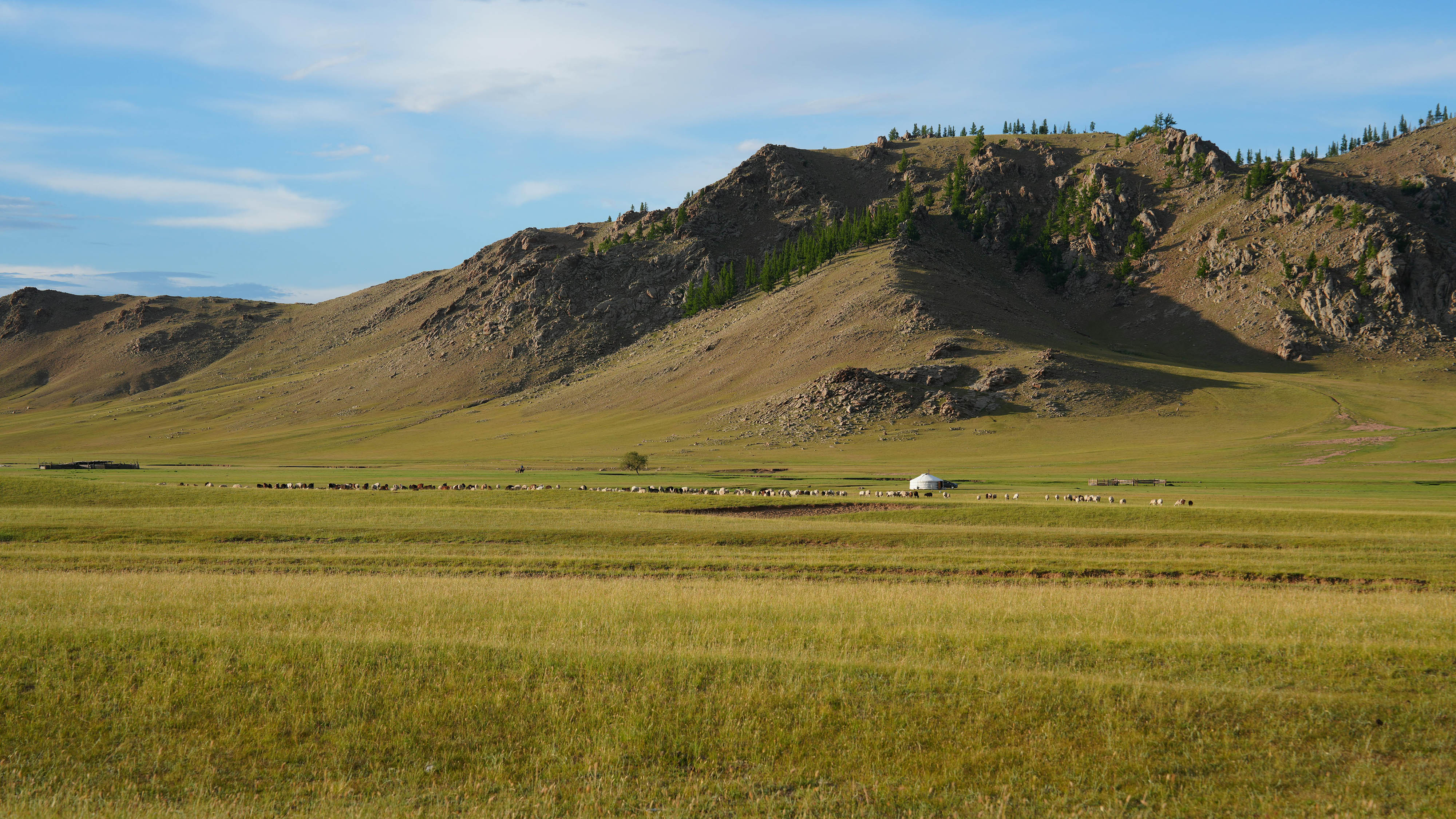
About Mongolia
Mongolia is truly one of the world's last undiscovered travel destinations and the safest country to visit.
Traditional Mongolian games fall into two broad categories: simple games played with natural materials like stones and animal anklebones, and more elaborate games using carved or painted pieces, such as chess, dominoes, and cards. The most distinctive is shagai, played with polished sheep anklebones, while Mongolian chess (shatar) is one of the oldest and most widely recognized crafted-piece games, with pieces reflecting Mongolian rather than European or Chinese cultural imagery.
Two Categories of Traditional Games
Mongolian games generally split into two types, based on how they're made and played:
- Natural material games – played with readily available items like stones, sticks, or animal bones, closely tied to nomadic and herding life, often carrying ritual or symbolic meaning, and usually simple in their rules
- Crafted piece games – played with carved or painted pieces, including chess, dominoes, cards, and khorol, generally more intellectually demanding and tied to social and artistic tradition rather than daily herding life
Ail Ger: The Simplest Traditional Game
Ail ger, meaning "family home," is likely Mongolia's simplest traditional game, roughly comparable to children in other cultures playing "house" with dolls. Players arrange stones in a small circle to represent a ger, place smaller stones inside to represent furniture and household items, and gather stones of different shapes and colors outside the circle to represent the family's livestock herds. It's an accessible, low-cost game that reflects daily herding life in miniature.
Shagai: The Anklebone Game
Shagai, Mongolia's most distinctive traditional game, is played using the cleaned and polished anklebones of sheep. Each of the four sides of an anklebone represents a different animal: horse, sheep, camel, or goat, and this basic idea underpins dozens of different games played with the bones.
Multicolored Turtle: In earlier times, families who collected more anklebones than needed for everyday games would choose an auspicious day and climb a mountain to play "multicolored turtle," afterward leaving the bones as an offering to the mountain or sky. The game uses an auspicious number of bones in Buddhist tradition, most often 81 or 108, arranged to represent the five elements, five colors, and the body of a turtle itself, a symbol of the cosmos in traditional Mongolian iconography. Players take turns collecting bones from different parts of the turtle's body based on a die roll, and the player holding the most bones once the turtle's body is fully collected wins.
Horse Race: One of the most common shagai games played today, horse race is designed for two or more players and uses the anklebones to simulate a race, a playful nod to the centrality of horses in Mongolian life.
Shagai's cultural significance runs deep enough that Mongolian anklebone shooting, a related shooting-based version of the game, was added to UNESCO's Representative List of the Intangible Cultural Heritage of Humanity in 2014. For more on this competitive version, see our guide: 6 Must-See Things at Naadam Festival
Mongolian Chess (Shatar)
Mongolian chess, known as shatar, is one of the oldest and most popular traditional games using crafted pieces. Mongolian scholars note that traditional shatar sets are often carved to depict recognizably Mongolian imagery, nobles, horses, camels, and oxcarts, rather than the European-style pieces used in international chess.
Shatar's rules sit closer to European chess than to Chinese xiangqi, though with some distinct differences. One notable example: in Mongolian chess, only the pawn positioned directly in front of the queen is restricted to moving one space at a time when advancing diagonally, a rule that doesn't exist in standard international chess.
Other Crafted-Piece Games
Beyond chess, several other games using carved or painted pieces remain part of Mongolian tradition:
- Dominoes – played similarly to international versions, with painted rather than plain pieces
- Cards – traditional Mongolian card games remain popular for social gatherings
- Khorol – a domino-like game using pieces decorated with the 12 animals of the Mongolian zodiac and Buddhist symbols, blending gameplay with religious and astrological imagery
Trying These Games as a Traveler
- Countryside homestays and ger camps often keep a set of shagai on hand, and hosts are frequently happy to teach a simple version to visiting guests
- Naadam Festival features anklebone shooting as an official event, offering a chance to watch the game's competitive form firsthand
- Souvenir shops in Ulaanbaatar sell polished shagai sets, traditional shatar chess sets, and khorol games, all functional and distinctive gifts to bring home; see our guide to
- Family visits during Tsagaan Sar often include informal games, particularly among children, making the holiday season a good time to see these traditions in casual use
Frequently Asked Questions
What is shagai?
Shagai is a traditional Mongolian game played with the cleaned and polished anklebones of sheep, with each of the four sides representing a different animal: horse, sheep, camel, or goat.
What is Mongolian chess called?
Mongolian chess is called shatar, and its pieces traditionally depict Mongolian cultural imagery, including nobles, camels, and oxcarts, rather than the European-style pieces used in standard chess sets.
Is shagai recognized internationally?
Yes, A competitive shooting-based version of the anklebone game was added to UNESCO's Representative List of the Intangible Cultural Heritage of Humanity in 2014.
What is "multicolored turtle"?
It's a traditional shagai game once played on mountaintops using an auspicious number of anklebones, often 81 or 108, arranged to represent the five elements and the body of a turtle, a symbol of the cosmos in Mongolian tradition.
Can tourists buy traditional Mongolian games as souvenirs?
Yes, Polished shagai sets, handmade shatar chess sets, and khorol games are widely sold in Ulaanbaatar souvenir shops and make distinctive, functional gifts.
How is Mongolian chess different from international chess?
While broadly similar to European chess, shatar has some distinct rules, including a restriction on how the pawn in front of the queen can move diagonally, and pieces reflect Mongolian rather than European imagery.
What is ail ger?
Ail ger, meaning "family home," is a simple game where children arrange stones to represent a ger, household items, and livestock, similar to playing "house" in other cultures.
Where can travelers experience these games in person?
Countryside homestays, ger camps, and Naadam Festival (for anklebone shooting specifically) all offer opportunities to see or take part in traditional Mongolian games.