How to Travel to Mongolia from the USA or Canada in 2026: Flights, Visas & Routes
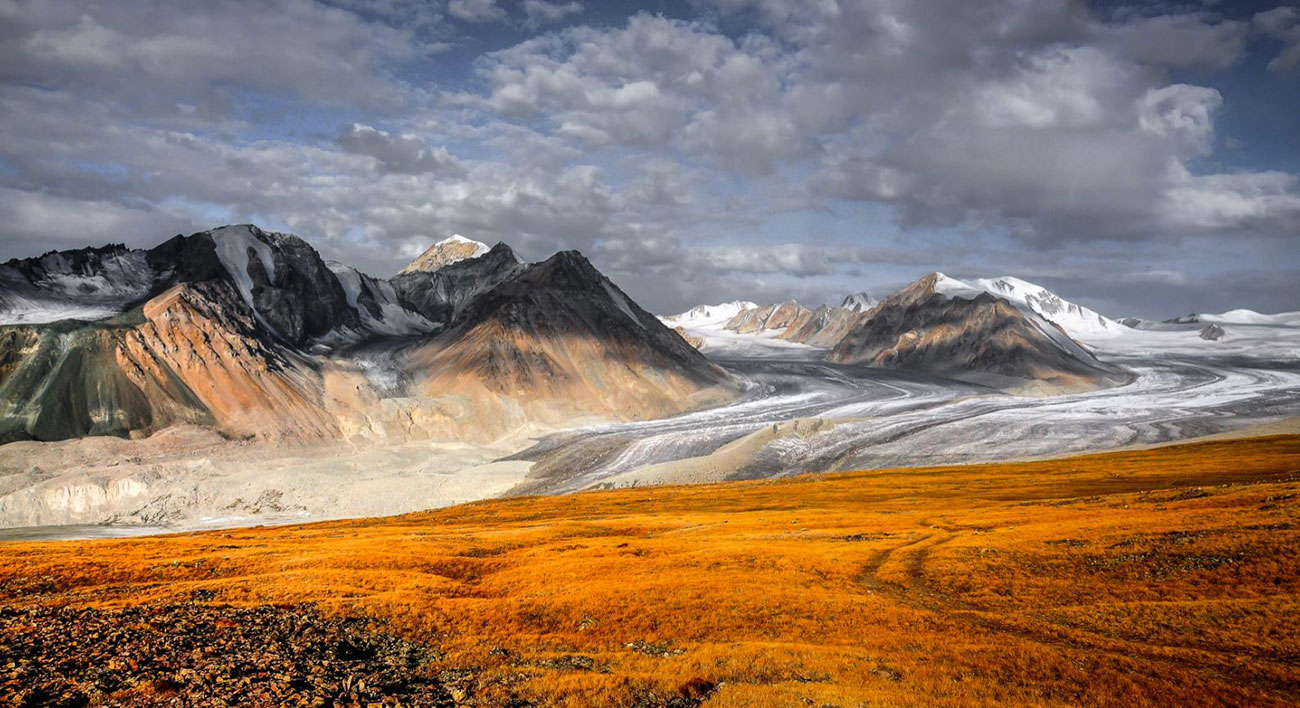
The best places in Mongolia for landscape photography include the Altai Tavan Bogd mountains, Khongoryn Els sand dunes, Khermen Tsav canyon, and Lake Khuvsgul, spanning everything from glacier-capped peaks to red desert cliffs. Most locations are in western Mongolia's Altai region or the southern Gobi Desert, and the best light for photography is generally early morning or late afternoon between June and September.
The list is compiled by our photo tour partner and consultant Bayar, one of the best photographers in Mongolia.
Night-sky photography is a whole extra dimension here — Mongolia's low population density and flat, treeless steppe give it some of the darkest skies on Earth, making it a genuinely excellent astrophotography destination alongside its daytime landscape shots
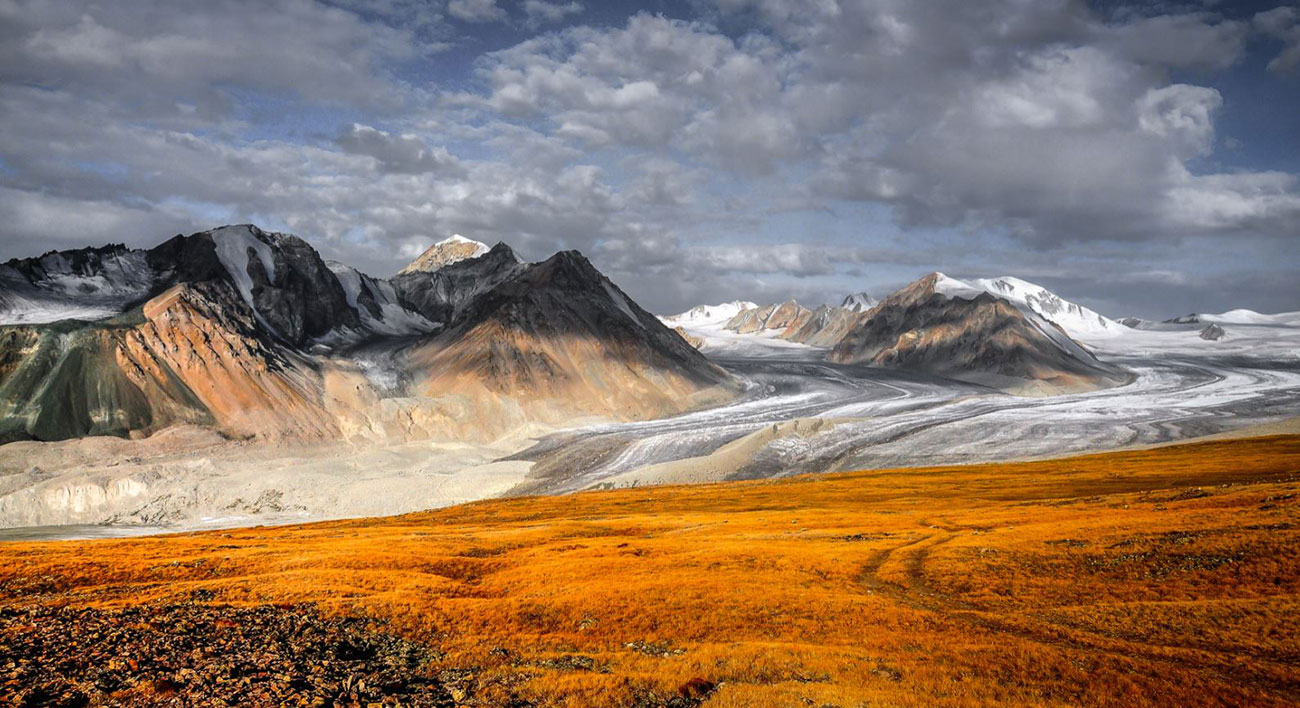
Altai Tavan Bogd, meaning "Five Saints of the Altai," covers part of the Mongol Altai mountain range in the far west of the country. Within Mongolia, this range stretches roughly 900 km, and its highest point, Khüiten Peak, reaches 4,374 meters, the tallest point in the country.
Beyond the peaks, the Tsagaan Gol (White River) is a striking subject, its glacial meltwater turning pale white in summer heat. The park is also home to golden eagles and the Kazakh eagle hunters who train them, offering rare cultural photography alongside the landscape.
Best for: mountain and glacier photography, cultural portraits
These twin peaks, Kharkhiraa at around 4,040 meters and Turgen at around 4,029 meters, rise in Uvs Province and are separated by a dramatic mountain pass. The area includes alpine lakes and a waterfall, and the range is protected for its biodiversity, including snow leopards and argali sheep.
Best for: alpine scenery, waterfalls, wide-angle mountain shots
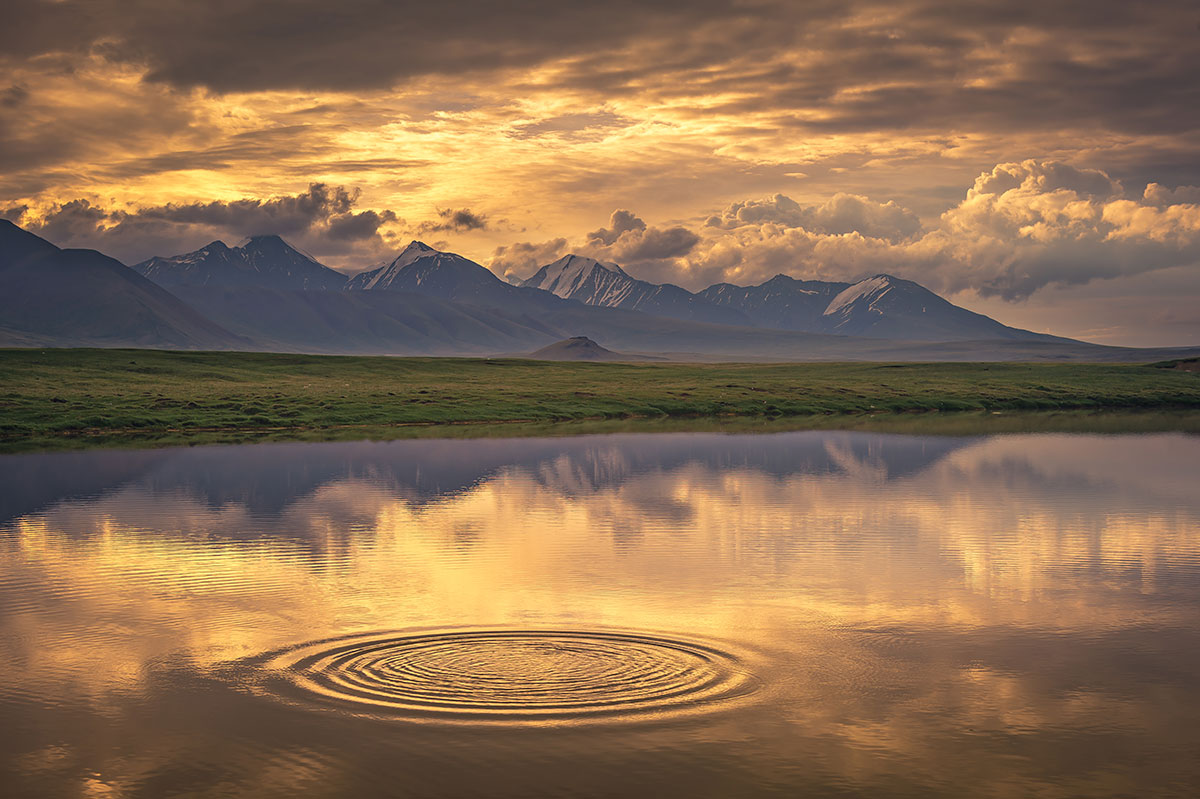
Located within Altai Tavan Bogd National Park in Bayan-Ulgii Province, Khoton Lake pairs clear freshwater with the surrounding mountain backdrop. The combination of still water and jagged peaks makes it a strong location for reflection shots, especially early morning when the water is calmest.
Best for: reflection photography, calm-water shots
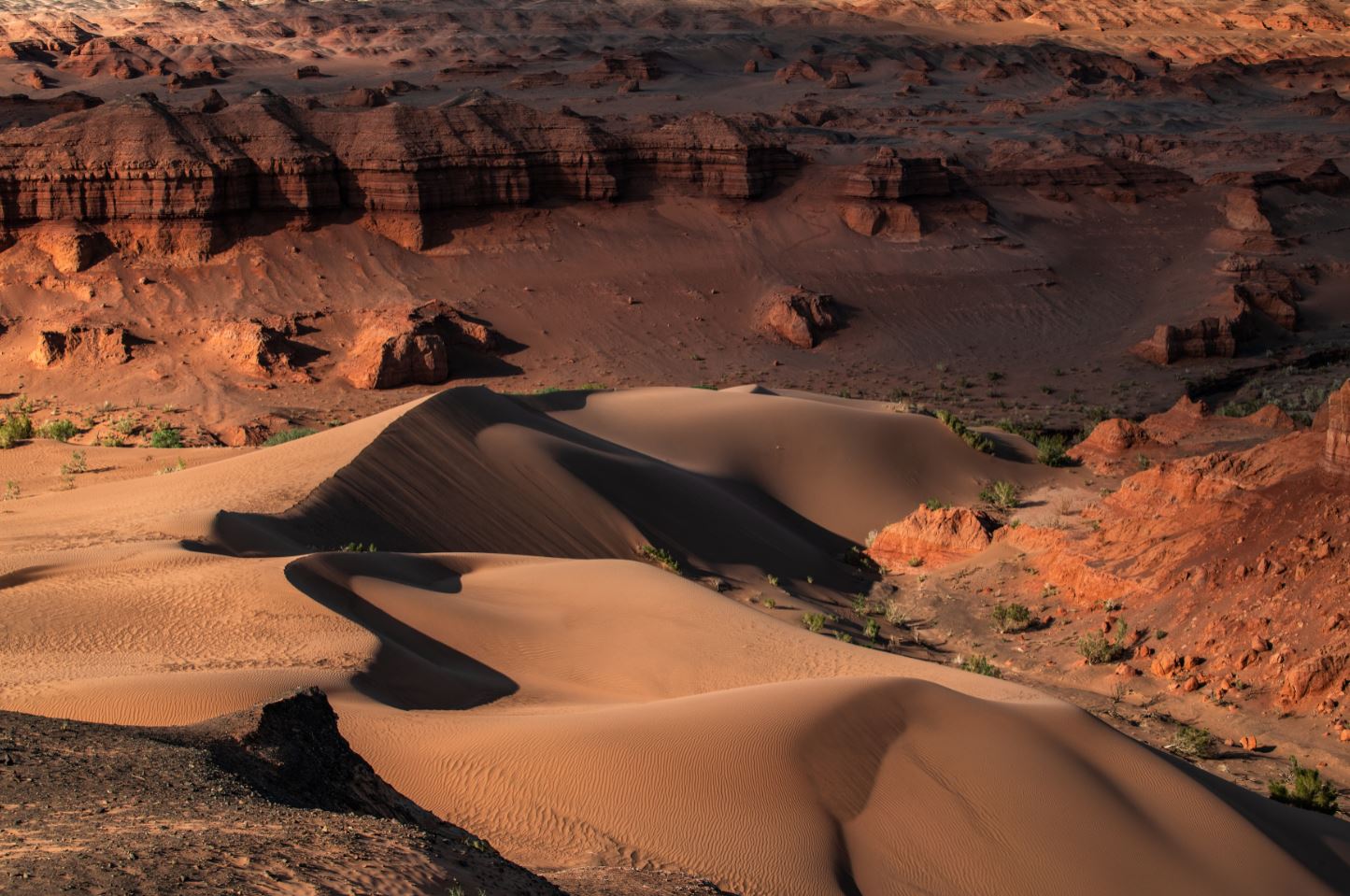
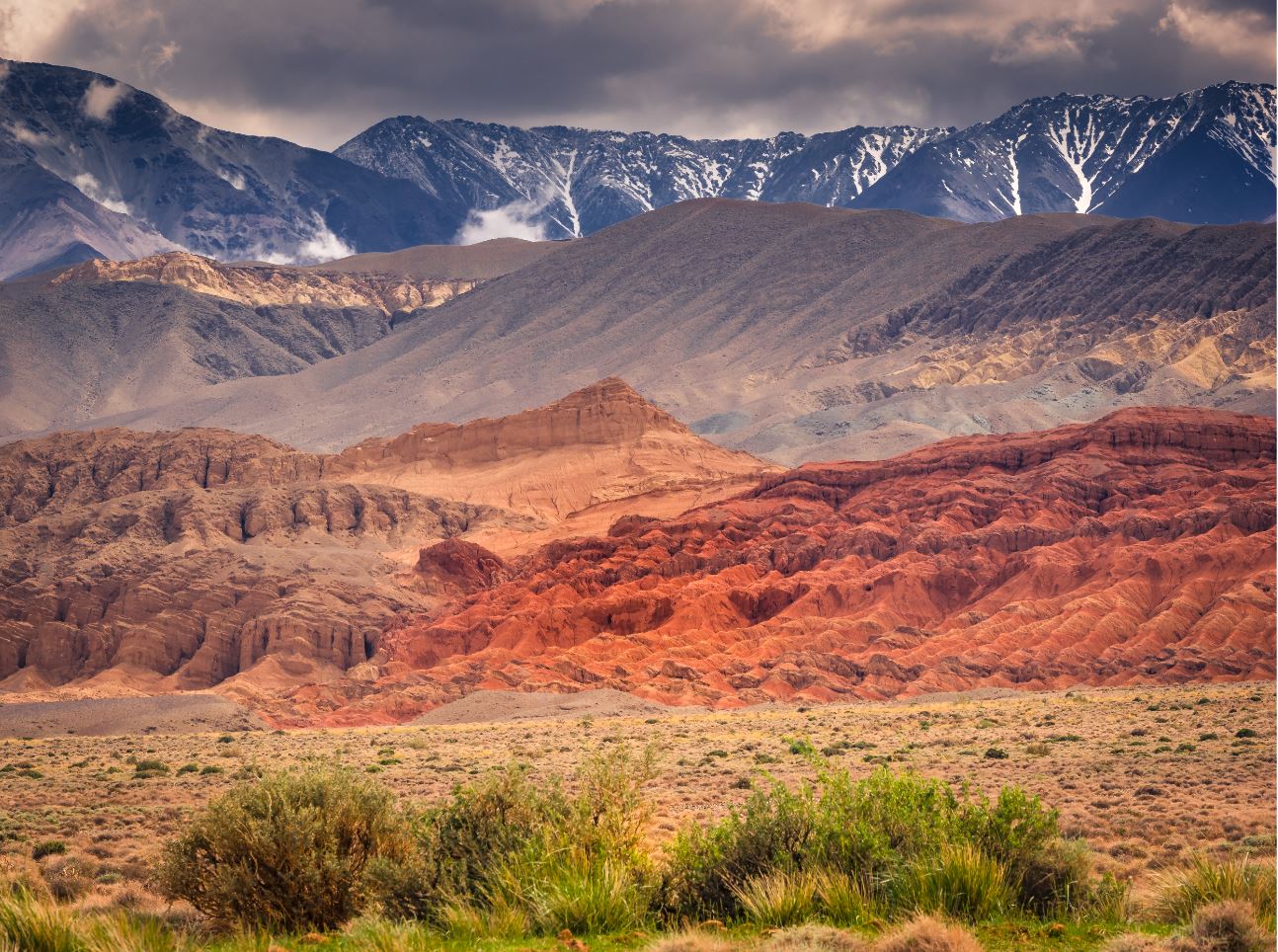
Khermen Tsav is a mesmerizing reddish canyon in the Mongolian Gobi desert, in the southern part of Mongolia. It stretches some 15 to 20 km, and it was formed millions of years ago under the ocean that once covered the area. The now desolate area of today offers some of the most amazing views in Mongolia.
Khermen Tsav is a striking red canyon in the southern Gobi Desert, stretching 15 to 20 km. It formed under an ancient sea millions of years ago, and the exposed rock layers create dramatic textures and colors, especially at sunrise and sunset.
Best for: canyon and rock-formation photography, golden hour shots
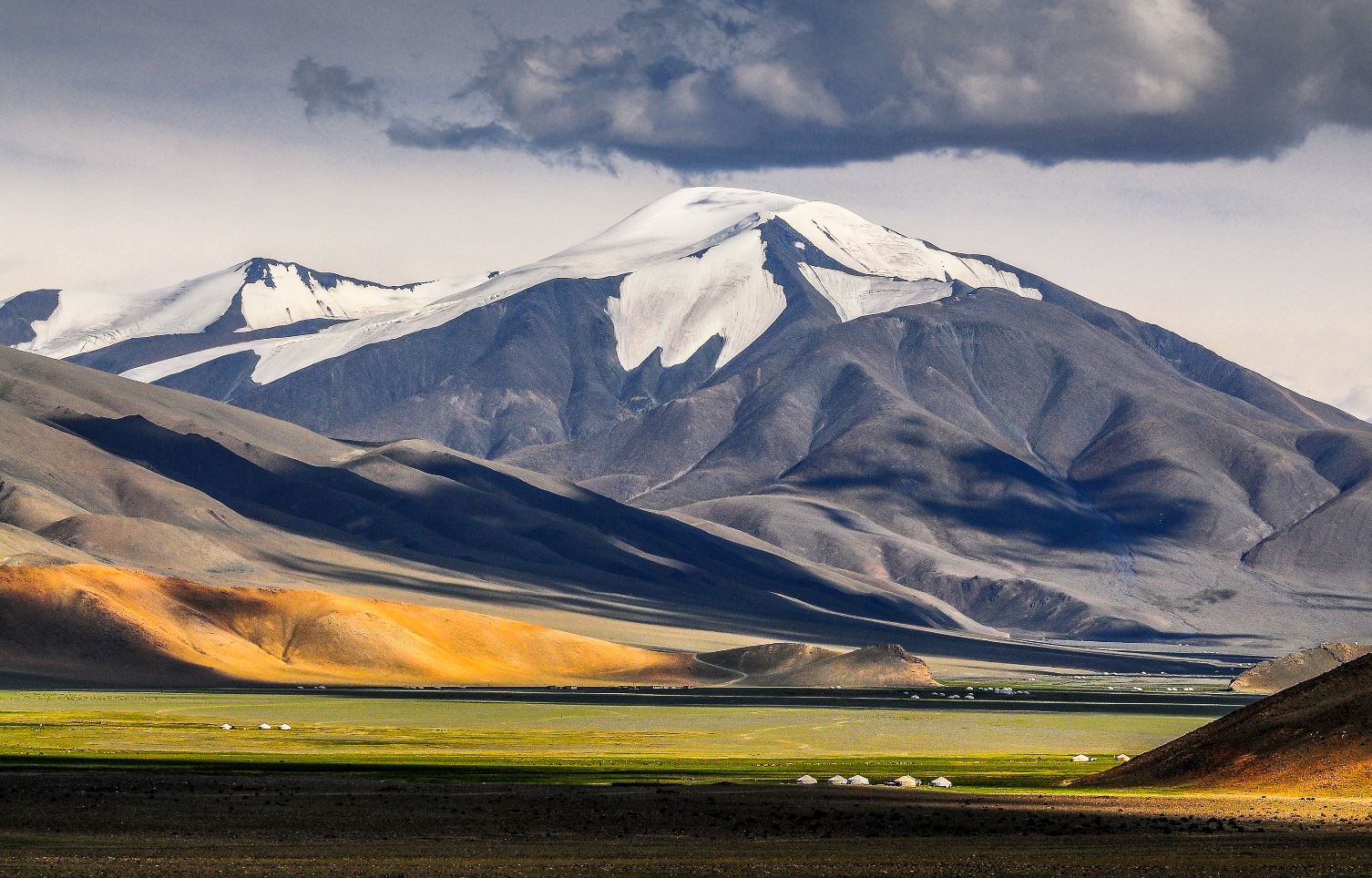
The Tsambagarav Mountain (peak is 4175m) is a sacred mountain to Mongolians. It’s the centerpiece of a well-kept national park that bears the same name. The snow-capped mountain stands in stark contrast to the green steps below, offering one of the most beautiful images of what Mongolia.
Tsambagarav, a sacred snow-capped peak reaching around 4,193 meters, sits at the center of its own national park. The white summit contrasts sharply with the green steppe below, creating one of the more recognizable mountain images in Mongolia.
Best for: snow-capped peak contrast shots
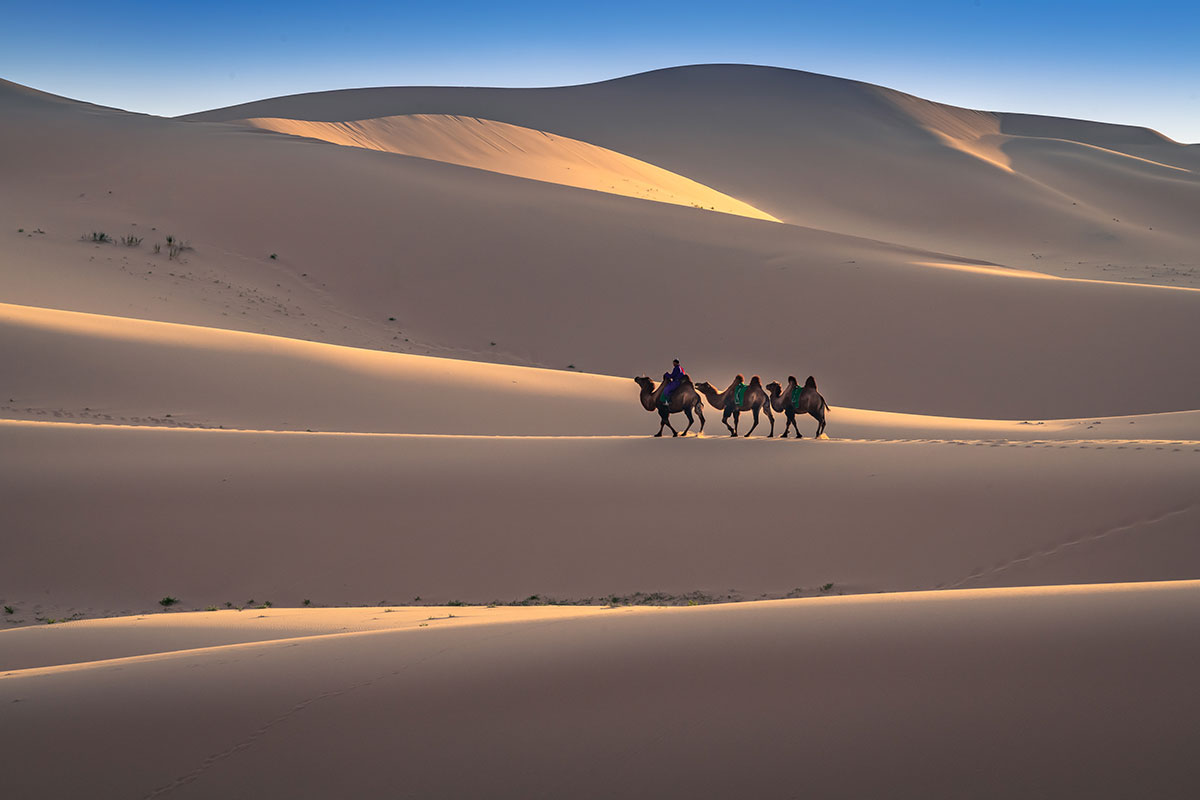
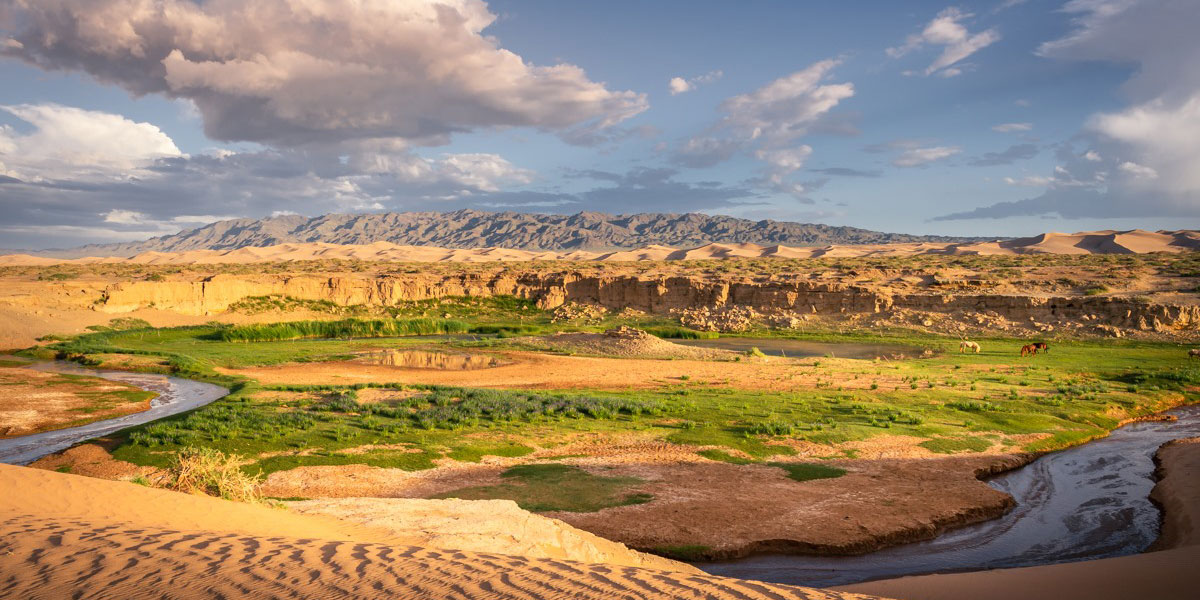
There’s not much that one can say about the spectacular Khongor dunes of the Gobi desert. They are the highest and largest sand dunes in Mongolia, with some areas reaching 300m in height. One must experience them and forever be in awe of Mother Nature.
Khongoryn Els is the largest and best-known dune field in the Gobi Desert, with ridges reaching up to 300 meters. The dunes stretch across a wide area of southern Mongolia and shift constantly with the wind, creating different patterns from one visit to the next.
Best for: sand dune texture, sunset silhouettes
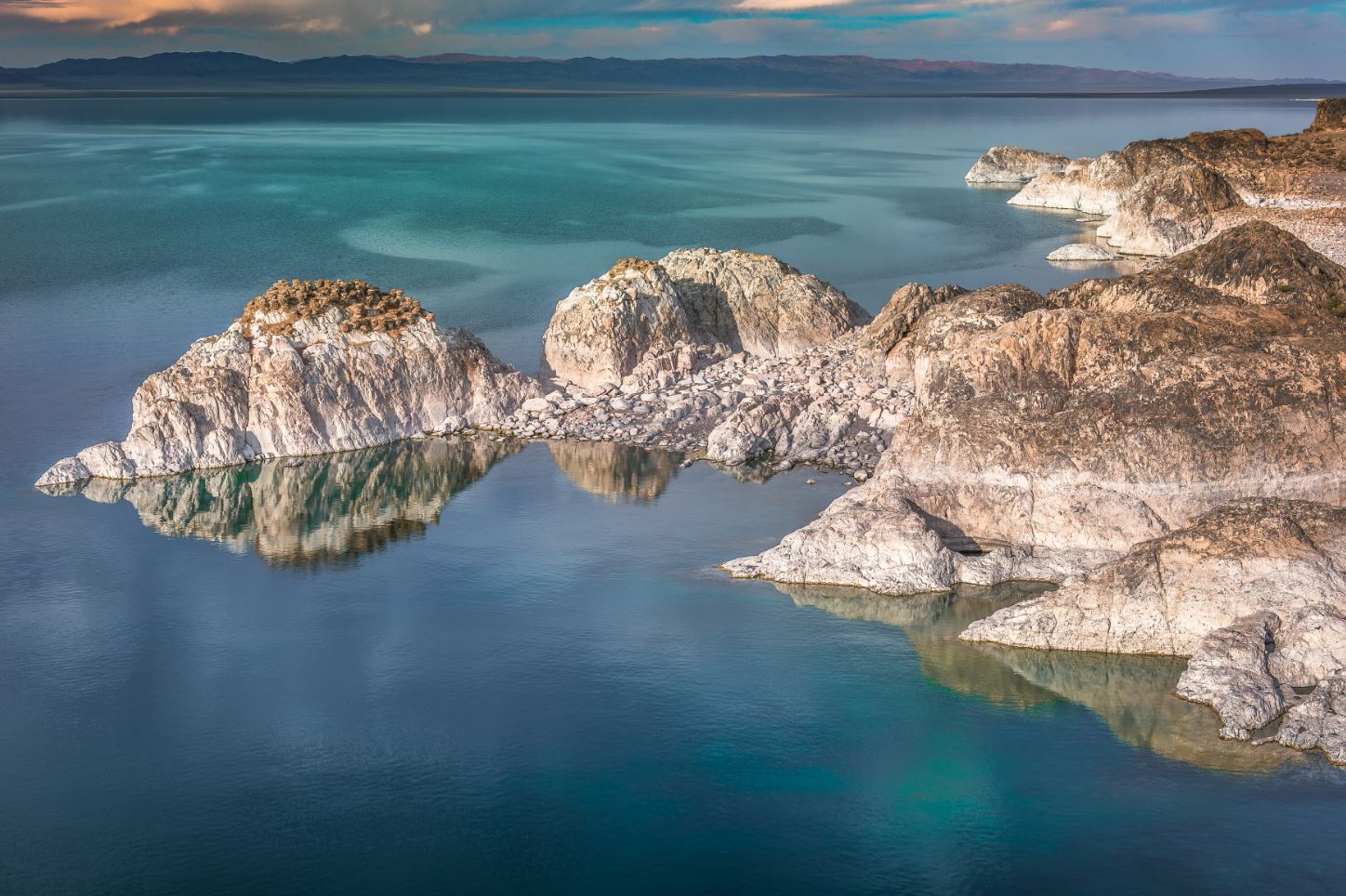
Khetsuu Khad is the centerpiece of the great Khyargas Lake of Mongolia. The enormous white rock sticks out of the limitless and clear blue water. The beauty in this unique contrast offers a breathtaking and memorable experience to its visitors.
Khetsuu Khad is a large white rock formation rising from the deep blue water of Khyargas Lake. The contrast between the pale stone and dark water creates a striking subject, particularly under clear skies.
Best for: rock-and-water contrast, minimalist compositions
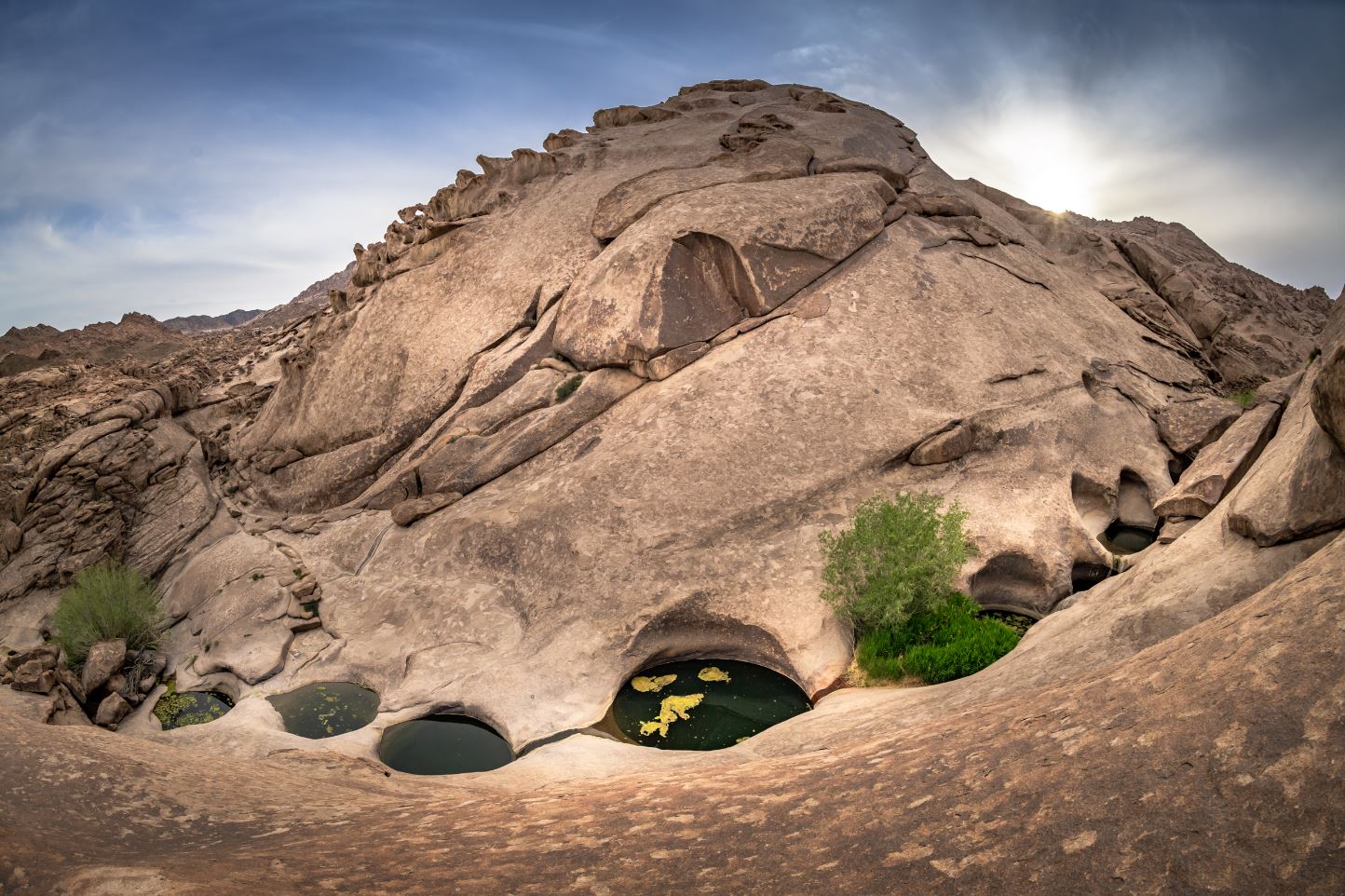
In the province of Govi-Altai, in the middle of Govi, lies the lonely Mount Eej Khairkhan. The sacred mountain is a granite formation that towers above a desolate landscape. It bears unique and fascinating rock formations that make great photo ops.
In Govi-Altai Province, Eej Khairkhan is a sacred granite mountain rising from an otherwise flat and empty landscape. Its unusual rock formations and isolation make it a strong subject for wide shots that emphasize scale and solitude.
Best for: dramatic isolation shots, rock texture
Again in the Govi-Altai province, another mountain mesmerizes the viewer. The Burkhan Buudai mountain is another massive rock formation that offers the viewer a stunning glimpse of the real Mongolia.
Also in Govi-Altai Province, Burkhan Buudai is another large rock formation offering sweeping views of the surrounding desert-steppe landscape. Like Eej Khairkhan, it works well for photographers looking to capture Mongolia's sense of scale and emptiness.
Best for: wide desert-steppe landscapes
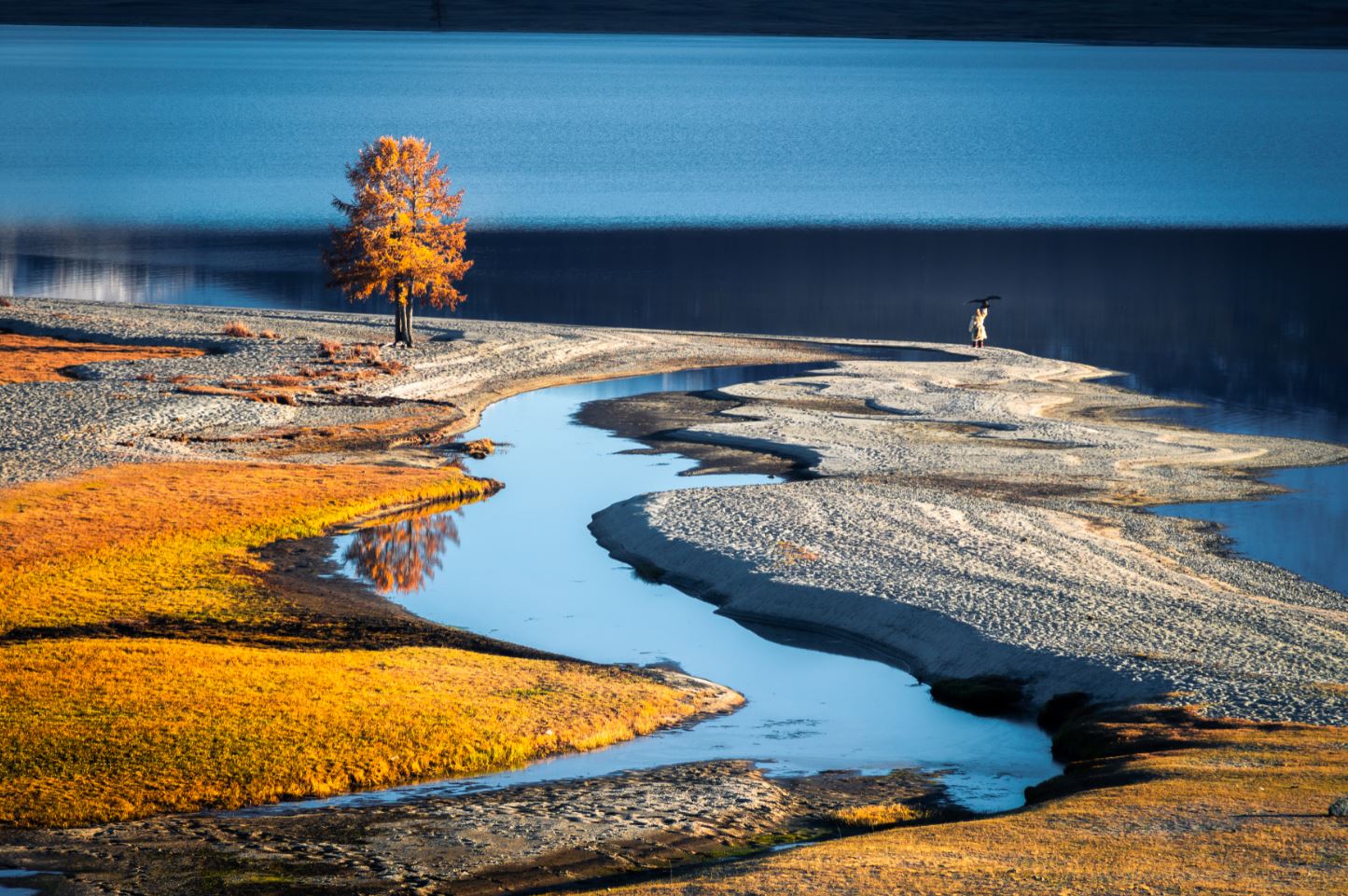
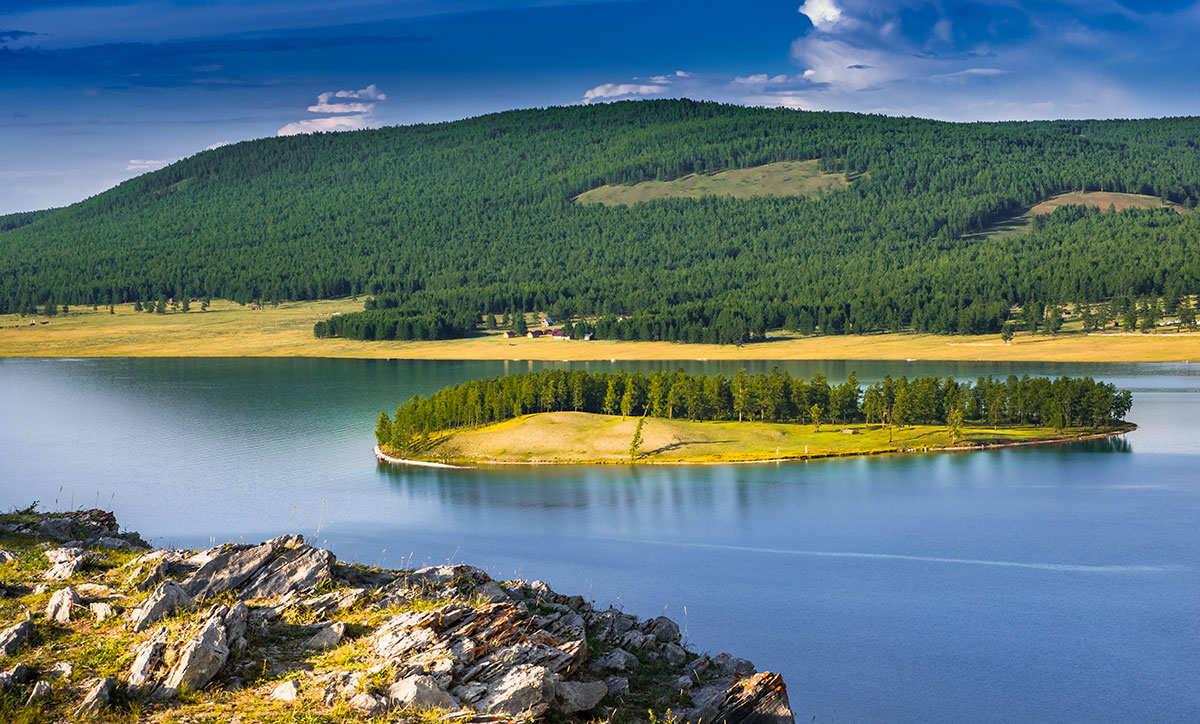
Lake Khuvsgul, in northern Mongolia, is the country's largest freshwater lake and among the largest in Asia by volume, second only to Lake Baikal in Russia. Surrounded by forested mountains, it's one of the few places in Mongolia to photograph mountains, clear blue water, and reindeer herded by local Tsaatan communities in the same trip.
Best for: forest-lake landscapes, reindeer and cultural shots
If you have limited time, choose one region rather than attempting to cover the whole country. Western Mongolia suits travelers focused on mountains and cultural photography with eagle hunters, while the Gobi suits those chasing desert light and dramatic rock formations. Lake Khuvsgul works well as an add-on to a broader Mongolia itinerary, especially for forest and water scenes.
Discover Mongolia Travel has operated since 2004 and runs dedicated photo tours to these locations, developed with input from local photographers who know the light and timing at each site.
What is the best time of year for landscape photography in Mongolia?
June through September offers the most reliable weather and access across most regions, though the Gobi's canyons and dunes also photograph well in the cooler shoulder months of May and late September.
Which region has the best mountain photography in Mongolia?
Western Mongolia, particularly Altai Tavan Bogd National Park, offers the country's highest peaks and glacier scenery, along with cultural photography opportunities with Kazakh eagle hunters.
Is the Gobi Desert good for landscape photography?
Yes, Locations like Khermen Tsav canyon and the Khongoryn Els sand dunes offer strong color and texture, especially at sunrise and sunset.
Do I need a guide to photograph these locations?
A local guide is strongly recommended, since many sites are remote with limited signage, and local knowledge of lighting conditions and timing improves results significantly.
Can I visit all ten locations in one trip?
It's not practical in a single trip, since the locations span western, southern, and northern Mongolia. Most photographers focus on one region per visit.
Is Lake Khuvsgul worth visiting for photography?
Yes, especially for photographers wanting forested mountains, clear water, and reindeer herding culture in the same location, which is unique among Mongolia's photography destinations.
What gear should I bring for a Mongolia photography trip?
A wide-angle lens for landscapes, extra batteries and a power bank, and dust protection for camera gear are all essential, given the remote locations and desert conditions.
Are there organized photo tours to these locations?
Yes, several Mongolian operators run photography-focused tours built around light and timing rather than standard sightseeing routes.
Discover Mongolia has organized tailor-made tours since 2004.
We handle flights, accommodation, guides, vehicles — you focus on the journey.