What Meat Do Mongolians Eat? Mongolian Meat Guide (2026)
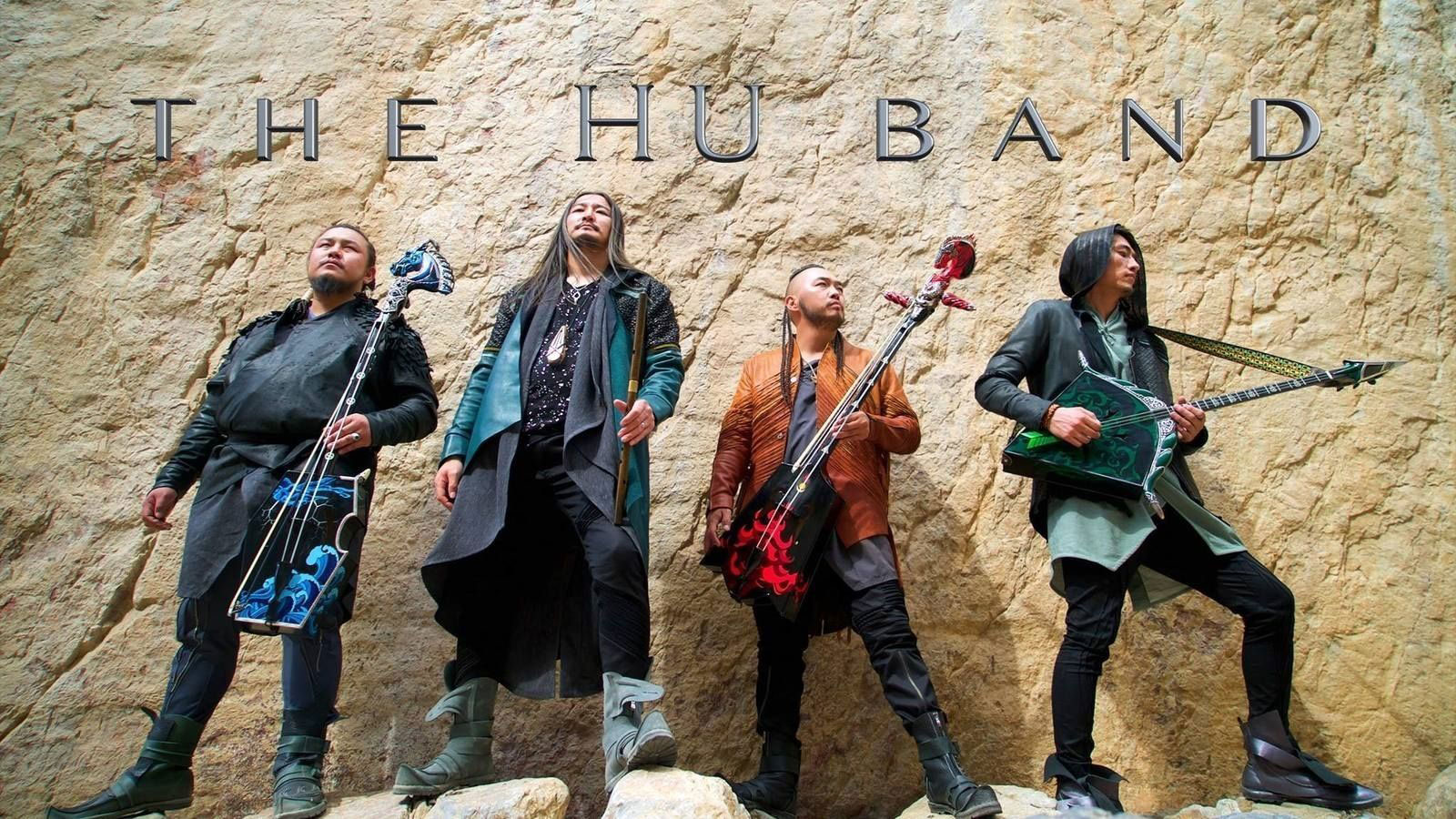
The Hu is a Mongolian folk metal band formed in 2016 in Ulaanbaatar, known for combining throat singing and traditional instruments like the morin khuur with heavy rock. They call their sound "Hunnu rock," a name that references both the Mongolian word for "human" and the ancient Hunnu (Xiongnu) empire. Since their 2019 debut album The Gereg, they've toured internationally, played Glastonbury, and become the first band to receive Mongolia's highest state honor, the Order of Genghis Khan.
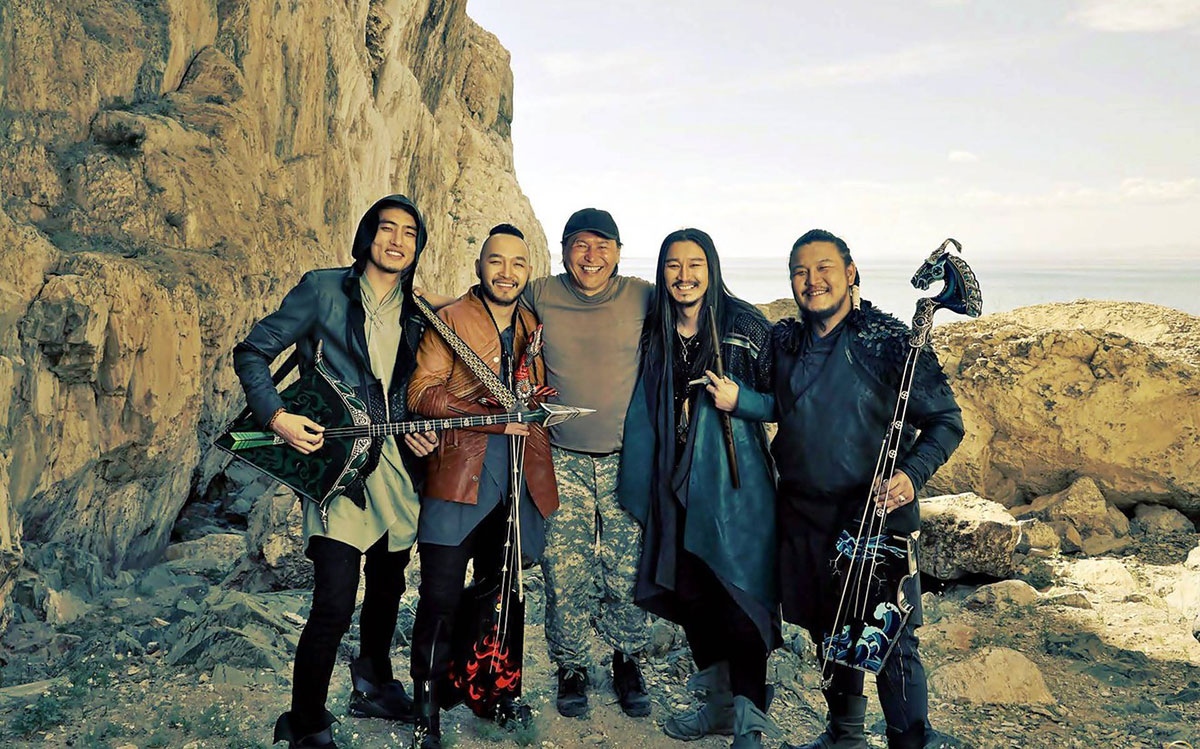
The Hu was formed in 2016 in Ulaanbaatar by producer and songwriter Bayarmagnai "Dashka" Dashdondog, who selected the members from students at the Mongolian State Music and Dance Conservatory. The band consists of four core members:
All four trained in throat singing and traditional Mongolian music before joining the band, which gives their sound a technical depth beyond typical rock instrumentation.
The band's name comes from the Mongolian root word for "human being." Their genre name, "Hunnu rock," carries a double meaning: it echoes "The Hu" itself, while also referencing the Hunnu (Xiongnu) empire, an ancient nomadic power based in what is now Mongolia. The name choice reflects the band's core idea, connecting modern music to Mongolia's deep historical roots.
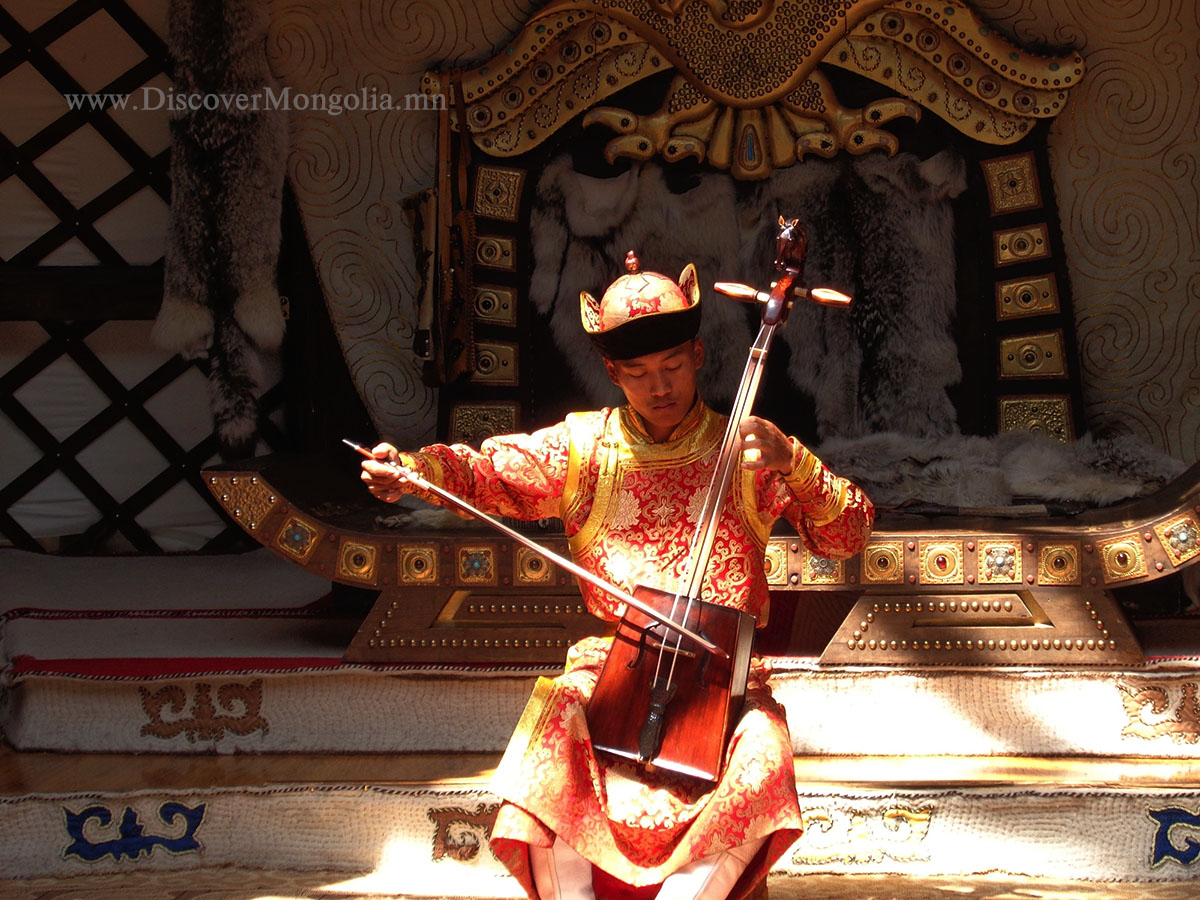
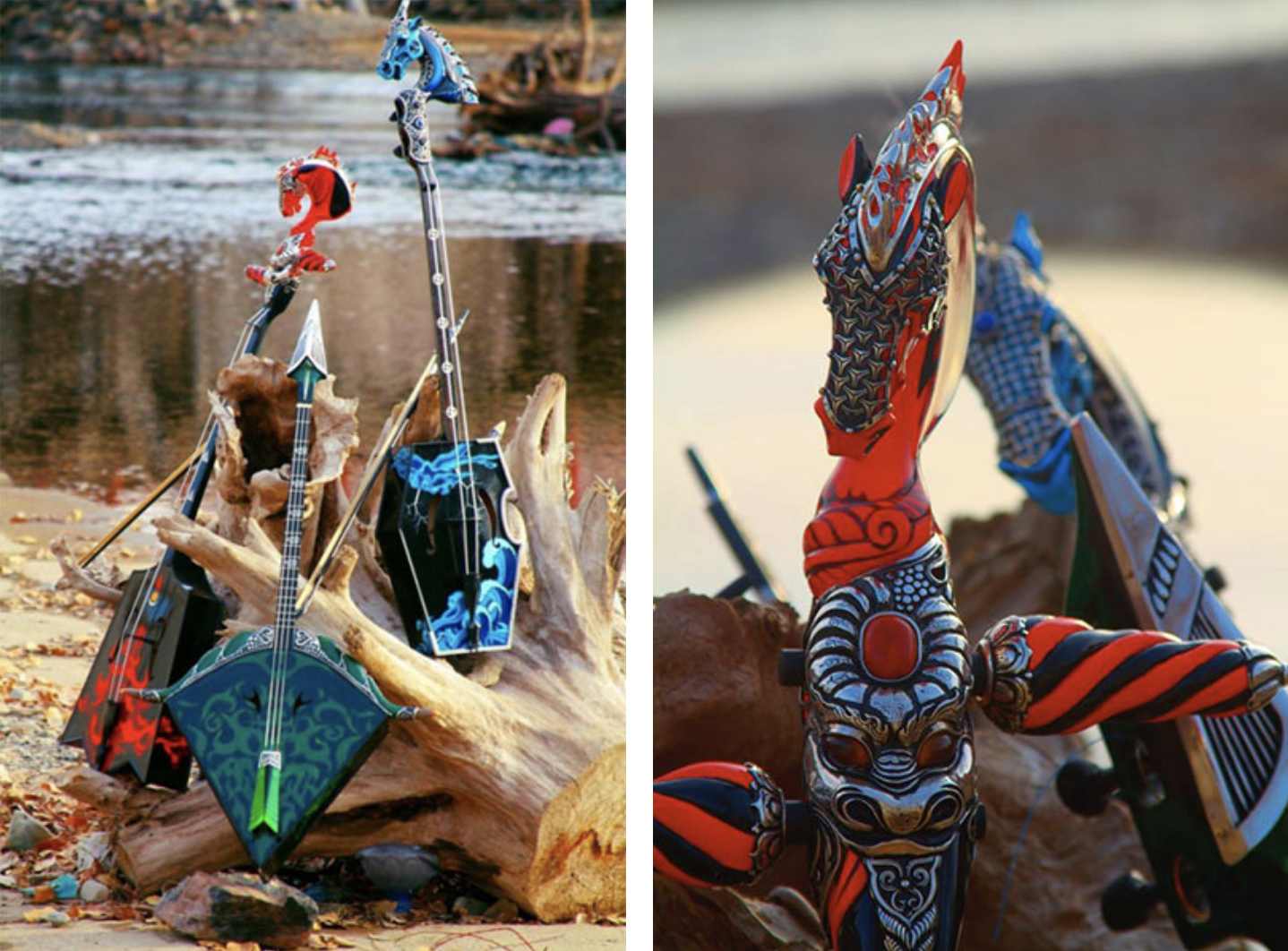
The Hu's sound blends traditional Mongolian elements with modern hard rock, using instruments including:
The band also performs traditional Mongolian throat singing, layered over electric guitar, bass, and drums. Their custom instruments, designed with the band's producer, use bold color schemes (red, blue, and green) while producing the same sound and pitch as traditional versions. Stage outfits mix old Mongol Empire-inspired warrior clothing with modern rock styling.
The Hu's rise has been unusually fast for a band singing primarily in Mongolian:
The music video for "Yuve Yuve Yu" doubles as a visual introduction to western Mongolia. It features sweeping shots of the Gobi Desert, the snow-capped peaks of Altai Tavan Bogd, and Uvs Lake, chosen specifically to showcase the region's scale and beauty alongside the band's performance.
You don't need a Hu concert to hear these traditions in person. In Ulaanbaatar and beyond, travelers can experience the instruments and throat singing styles that inspired the band:
"Wolf Totem" the band's 10th anniversary live concert is being held in Ulaanbaatar, Mongolia on August 8th, 2026
What genre of music does The Hu play?
The Hu plays a style they call "Hunnu rock," which blends traditional Mongolian throat singing and instruments with heavy metal and rock structures.
Who are the members of The Hu?
The band consists of Galbadrakh "Gala" Tsendbaatar, Nyamjantsan "Jaya" Galsanjamts, Enkhsaikhan "Enkush" Batjargal, and Temuulen "Temka" Naranbaatar, formed by producer Bayarmagnai "Dashka" Dashdondog.
What instruments does The Hu use?
They use the morin khuur (horsehead fiddle), tovshuur (Mongolian lute), and tumur khuur (jaw harp), alongside electric guitar, bass, and drums.
When did The Hu release their first album?
Their debut album, The Gereg, was released on September 13, 2019, and reached #1 on the Billboard World Albums chart.
Has The Hu released new music recently?
Yes. Following their 2022 album Rumble of Thunder, they released a live album from Glastonbury in 2024, an EP called The Trooper the same year, and Echoes of Thunder in 2025, along with newer singles.
Why is the band called "The Hu"?
Their name comes from the Mongolian root word for "human being," reflecting the band's connection between modern music and Mongolian identity.
Can travelers hear similar traditional music while visiting Mongolia?
Yes. Traditional music and throat singing performances are held regularly in Ulaanbaatar, and some countryside ger camps arrange live performances by local musicians.
Has The Hu received recognition in Mongolia itself?
Yes. They were the first band to receive the Order of Genghis Khan, Mongolia's highest state honor, reflecting their role in bringing Mongolian culture to a global audience.
Discover Mongolia has organized tailor-made tours since 2004.
We handle flights, accommodation, guides, vehicles — you focus on the journey.