What Meat Do Mongolians Eat? Mongolian Meat Guide (2026)
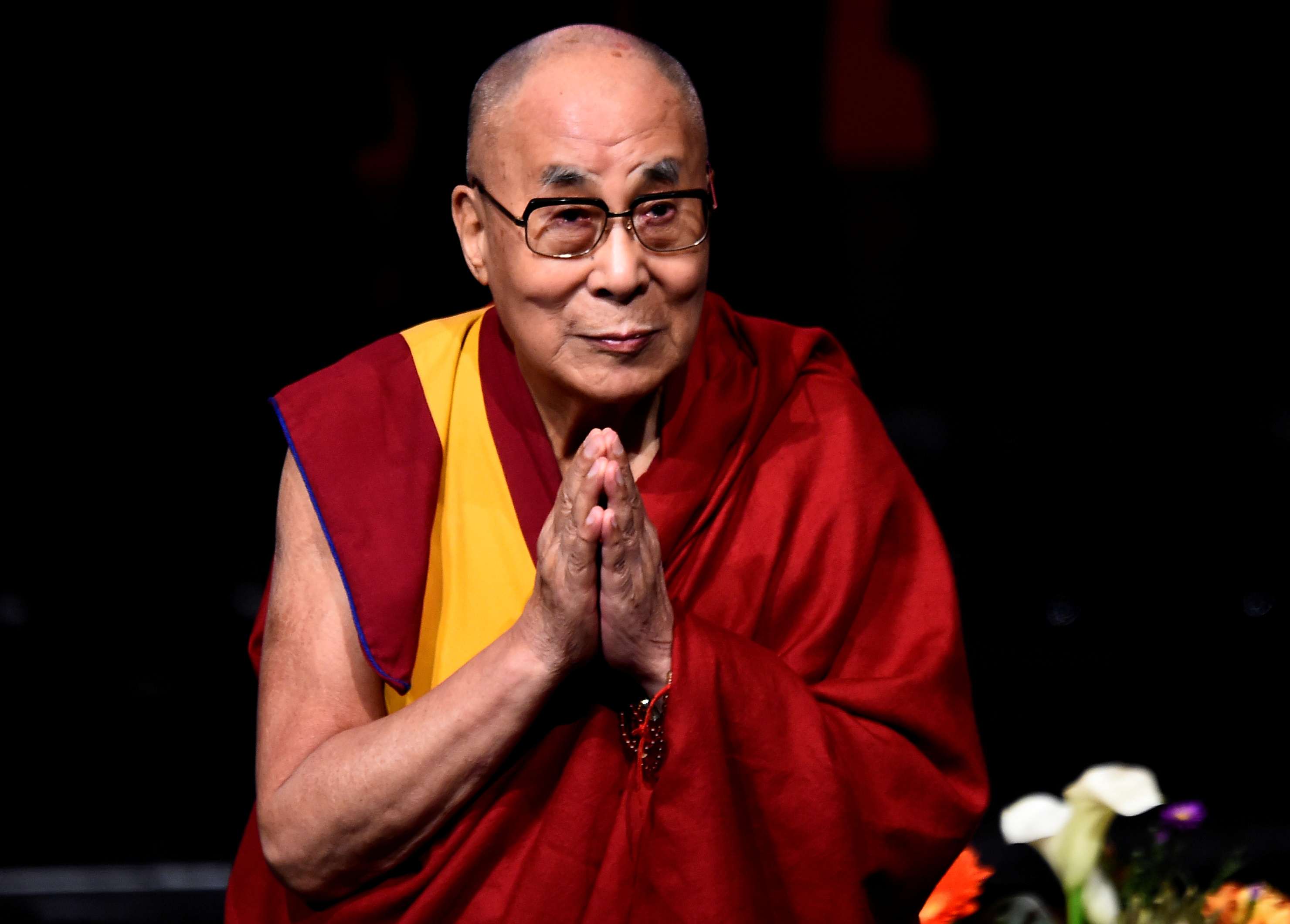
The title “Dalai Lama” is known around the world, but its name has an interesting connection with Mongolia. The title was first given in the 16th century by the Mongol ruler Altan Khan to the Tibetan Buddhist teacher Sonam Gyatso. The name itself even combines two languages: Mongolian and Tibetan.
The title has both Mongolian and Tibetan roots.
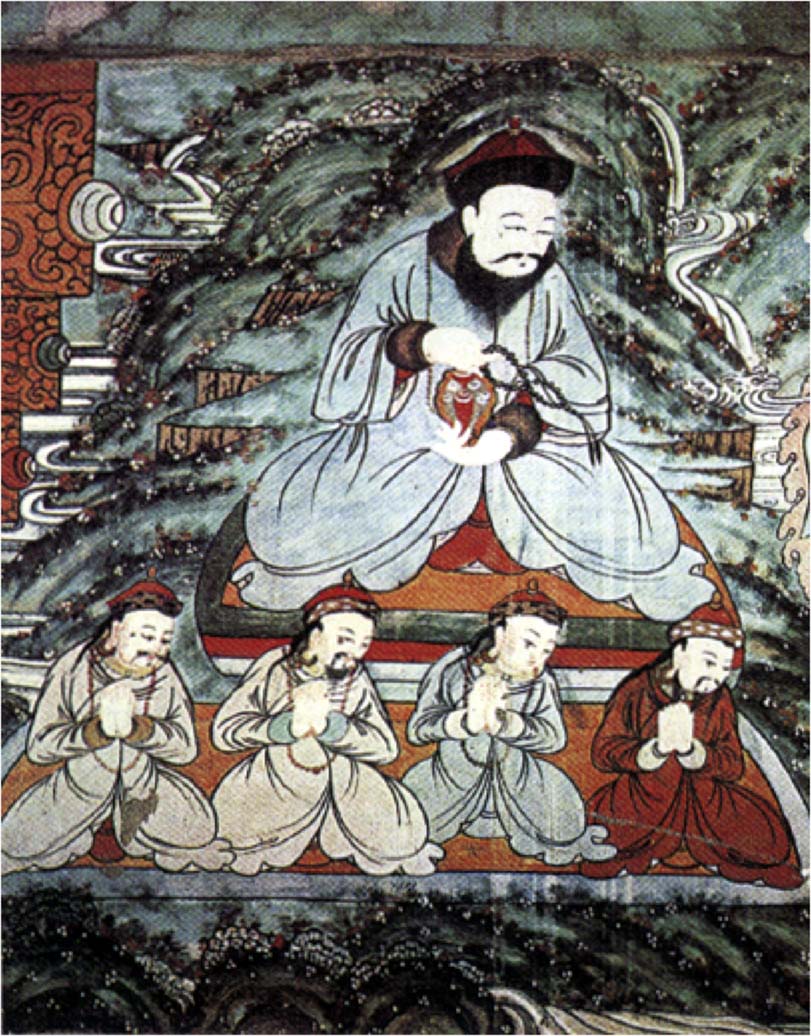
The word “Dalai” also corresponded closely to the Tibetan word gyatso, meaning “ocean,” which was already part of Sonam Gyatso’s name.
This is why the Mongolian connection is more than simply a coincidence in pronunciation.
The title was given by Altan Khan, a powerful ruler of the Tümed Mongols.
“Dalai is a Mongolian word meaning ‘ocean.’”
In 1578, Altan Khan met Sonam Gyatso, an important teacher of the Gelug school of Tibetan Buddhism. During their relationship, Altan Khan gave Sonam Gyatso the title that became known as “Dalai Lama.”
Sonam Gyatso, in return, gave Altan Khan a religious title described by the Office of the Dalai Lama as “Brahma, the king of religion.”
Their relationship combined religion and political patronage and became an important moment in the history of Buddhism in Mongolia.
This is one of the most confusing parts of the story.
Sonam Gyatso was the first person to receive the Dalai Lama title during his lifetime, but he became known as the Third Dalai Lama.
Two earlier teachers in the same reincarnation lineage were then recognized retrospectively:
So there was never a person who was publicly called the “First Dalai Lama” before Sonam Gyatso received the title.
The numbering was applied backward through the recognized reincarnation lineage.
The answer requires a small distinction.
The word Dalai is Mongolian, and the title was given by a Mongol ruler. However, lama is Tibetan, and the religious lineage itself belongs to Tibetan Buddhism.
It is therefore more accurate to say that the title has a Mongol-Tibetan origin rather than simply calling it a completely Mongolian title.
That mixed origin reflects the close political and religious relationship between Mongol rulers and Tibetan Buddhist teachers during this period.
The relationship between Mongol rulers and Tibetan Buddhism did not begin in 1578.
During the Mongol Empire, Tibetan Buddhist teachers had already developed relationships with Mongol rulers. One famous example was the Tibetan Buddhist teacher Phagpa, who became closely associated with Kublai Khan in the 13th century. The Metropolitan Museum of Art notes that Phagpa was a close adviser to Kublai Khan and created the Phagpa script for Mongolian in 1269.
This earlier history makes one statement in the old version of this blog particularly important to correct.
Tangut was not another name for Tibet.
Western Xia, also known as Xixia, was a Tangut-led state that controlled parts of northwest China until its destruction by the Mongols in 1227. Tibet was a different region with its own political and religious history.
Altan Khan’s relationship with Sonam Gyatso helped strengthen the spread of the Gelug tradition of Tibetan Buddhism among Mongol communities.
Sonam Gyatso continued teaching among Mongols and died in 1588 while teaching in Mongolia.
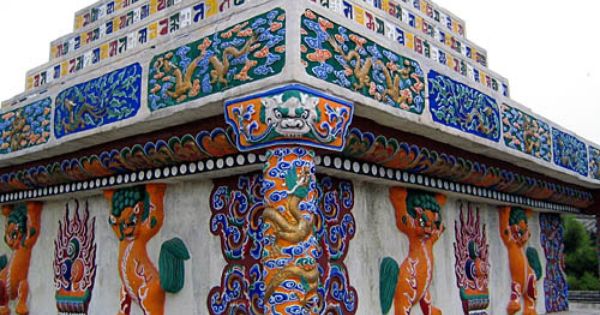
The relationship also created a lasting religious connection between Mongolia and Tibet. Tibetan Buddhism later became deeply influential in Mongolian religious life, art, monasteries and scholarship.
This history explains why many Buddhist traditions found in Mongolia today have strong Tibetan connections.
One of the most interesting Mongolia connections came immediately after Sonam Gyatso.
The Fourth Dalai Lama, Yonten Gyatso, was born in Mongolia in 1589. His father was a Mongol chieftain and a grandson of Altan Khan.
He received his early religious education in Mongolia before traveling to Tibet in 1601.
This makes the Fourth Dalai Lama an especially important figure in the shared religious history of Mongolia and Tibet.
Yes, Altan Khan belonged to the Borjigin royal line and was a descendant of the family of Genghis Khan.
He was one of the important Mongol rulers of the 16th century and led the Tümed Mongols. His alliance with Tibetan Buddhist leaders became one of the most lasting parts of his historical legacy.
His relationship with Sonam Gyatso helped link Mongol political authority with the growing influence of Tibetan Buddhism.
The Dalai Lama is a Tibetan Buddhist institution, even though part of the title has Mongolian origins.
The historical title combines:
This combination is a good example of how closely the histories of Mongolia and Tibet interacted.
It is therefore misleading either to describe the Dalai Lama as purely Mongolian or to ignore the Mongolian origin of the word Dalai.
As of 2026, the current holder of the title is the 14th Dalai Lama, Tenzin Gyatso.
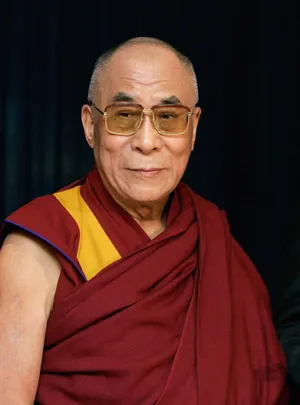
He was born in 1935 and celebrated his 91st birthday on July 6, 2026.
He belongs to the same recognized Dalai Lama lineage whose title became established through the meeting between Sonam Gyatso and Altan Khan more than four centuries ago.
How to Explore This Buddhist History in Mongolia
Travelers interested in the Dalai Lama’s Mongolian connection can see the wider influence of Tibetan Buddhism at monasteries across Mongolia.
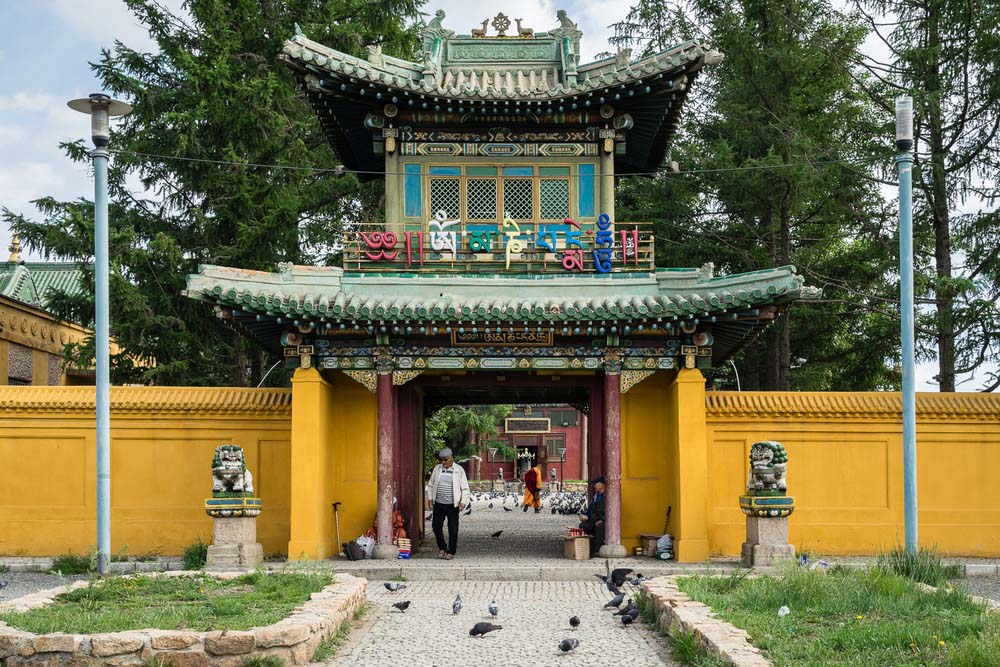
Visit Gandantegchinlen Monastery
Gandan Monastery in Ulaanbaatar is one of Mongolia’s most important active Buddhist monasteries. It offers a useful introduction to the continuing role of Tibetan Buddhist traditions in modern Mongolia.
Visit Erdene Zuu Monastery
Erdene Zuu stands beside the former Mongol capital of Karakorum in the Orkhon Valley.
UNESCO describes Erdene Zuu as the earliest surviving Mongol Buddhist monastery and recognizes the monastery and surrounding Orkhon Valley as part of a World Heritage cultural landscape.
Amarbayasgalant is another important place for understanding Mongolia’s Buddhist heritage. Its architecture and history show how deeply Buddhist institutions became established in Mongolia after the period of Altan Khan.
When visiting a monastery, dress respectfully, avoid interrupting ceremonies, and ask before photographing monks or religious rituals.
Discover Mongolia's local team can include Buddhist heritage sites as part of a wider journey through Mongolia's history and culture.
What does Dalai Lama mean?
“Dalai” is Mongolian for “ocean,” while “lama” is a Tibetan term for a religious teacher. The complete title is commonly translated or interpreted as “Ocean of Wisdom.”
Who gave the Dalai Lama his title?
The Mongol ruler Altan Khan gave the title to Sonam Gyatso in 1578. Sonam Gyatso became known as the Third Dalai Lama.
Why was the first person called Dalai Lama actually the Third Dalai Lama?
Sonam Gyatso was the first person to receive the title during his lifetime. Two earlier teachers in his reincarnation lineage were later recognized as the First and Second Dalai Lamas.
Is Dalai a Mongolian word?
Yes, dalai is a Mongolian word meaning “ocean.” It corresponded with gyatso, the Tibetan word for ocean that was already part of Sonam Gyatso’s name.
Is the Dalai Lama Mongolian?
No, the Dalai Lama is a Tibetan Buddhist institution. However, the word Dalai is Mongolian and the title was first given to Sonam Gyatso by the Mongol ruler Altan Khan.
Was any Dalai Lama born in Mongolia?
Yes, the Fourth Dalai Lama, Yonten Gyatso, was born in Mongolia in 1589. His father was a grandson of Altan Khan.
Did Mongolia get Buddhism from Tibet?
Yes, Tibetan Buddhism became a major influence in Mongolia through centuries of interaction between Mongol rulers and Tibetan Buddhist teachers. These relationships existed before Altan Khan but became especially important again from the late 16th century onward.
Is the current Dalai Lama the 14th Dalai Lama?
Yes, Tenzin Gyatso is the 14th Dalai Lama and remains the current holder of the title in 2026. He celebrated his 91st birthday on July 6, 2026.
Discover Mongolia has organized tailor-made tours since 2004.
We handle flights, accommodation, guides, vehicles — you focus on the journey.