What Are the Best Festivals in Mongolia? 2026 Travel Calendar

Mongolia's travel industry offers accessible entry points, steady seasonal demand, and long-term career growth in roles such as tour guiding, driving, hospitality, and business management. Most roles do not require a university degree, though language skills and a recognized guide certificate help significantly. The sector also supports entrepreneurship, since many successful tour operators started as guides or drivers before starting their own companies.
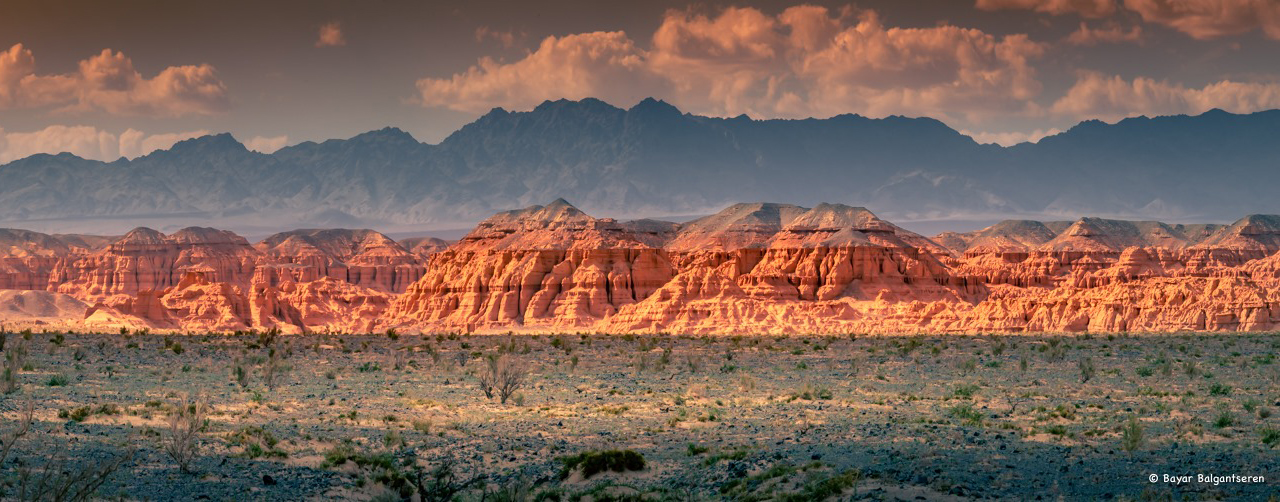
Tourism is one of the more visible growth sectors in Mongolia's economy, alongside mining and agriculture. It draws visitors interested in the Gobi Desert, Lake Khuvsgul, the Genghis Khan Statue Complex, and nomadic homestays, and this demand supports a wide range of jobs across the country.
Here are seven practical reasons to consider it.
Mongolia's tourism numbers have grown steadily since the early 2000s, with international visitor interest continuing to expand each year. Hospitality, tour guiding, and transport roles all see increased demand during peak season.
Most entry-level roles, such as junior guide, driver, or hospitality staff, do not require a university degree. What matters more is language ability, reliability, and a genuine interest in Mongolian culture and geography.
Mongolia's tourism sector includes far more than guiding. Common roles include:
Many roles in this field, especially guiding and driving, involve regular travel to places like the Gobi Desert, Khuvsgul, and Terelj National Park. Even office-based roles in tour companies often include familiarization trips to destinations across the country.
Mongolia's tourism sector has shifted toward community-based and sustainable tourism in recent years, with growing interest in nomadic homestays and eco-friendly ger camps. This creates new roles focused on sustainable tourism planning and community partnerships, alongside traditional guiding work.
Working in tourism builds skills that transfer well to other industries: problem-solving, foreign language use, customer service, logistics, and working under pressure. These are useful even if someone later moves into a different field.
Many of Mongolia's tour operators were founded by people who started as guides or drivers and later launched their own companies. Experience in the field, combined with local knowledge and client relationships, is often the strongest foundation for starting an independent tourism business.
Tour Guide – Requires a Mongolian Guide Certificate and foreign language skills. Demand is highest during the tourism season (June–September), with limited year-round opportunities.
Driver – Needs off-road driving experience and good vehicle knowledge. Most positions are seasonal.
Ger Camp & Hospitality Staff – Hospitality experience is helpful but often not required. Jobs are mainly available during the tourism season.
Booking & Operations Coordinator – Requires strong language and organizational skills. Positions are generally available year-round.
Interpreter / Translator – Requires fluency in one or more foreign languages. Work is usually seasonal or project-based.
Tour Company Management – Requires tourism industry experience and business management skills. These roles are typically available year-round.
Guiding, driving, and ger camp roles are typically seasonal, concentrated in the warmer months when most international travel to Mongolia happens. Office-based roles in booking, operations, and management tend to run year-round, since planning for the next season starts well before it begins.
If you're testing whether tourism is the right career for you, a single peak season as a guide or driver is a practical way to find out before committing further.
Discover Mongolia Travel has operated since 2004 and, like many established Mongolian tour operators, brings on seasonal guides, drivers, and support staff each year to run its cultural and travel experiences across the country.
Do I need a university degree to work in Mongolia's tourism industry?
No, Most entry-level roles, including guiding and driving, prioritize language skills, training, and a genuine interest in the country over formal degrees.
Is English required to work as a tour guide in Mongolia?
English is the most commonly requested language for guiding roles, though guides fluent in other languages such as Spanish, German, or Italian are also in demand.
Are tourism jobs in Mongolia seasonal or year-round?
Guiding, driving, and ger camp roles are mostly seasonal, concentrated from June to September. Booking, operations, and management roles are more often year-round.
What is a Mongolian Guide Certificate?
It's a recognized qualification that many reputable tour operators require or prefer for guides, confirming training in guiding skills and knowledge of Mongolia.
Can foreigners work in Mongolia's tourism industry?
Some international staff work in Mongolia's tourism sector, particularly in specialized or management roles, though most guiding and driving positions are filled locally. Work permit rules apply, so check current requirements before applying.
How do I start a career as a tour guide in Mongolia?
Start with guide training through a tour operator or university tourism program, work toward a Guide Certificate, and gain experience on local trips before moving to longer overland tours.
Is it possible to start my own tour company in Mongolia?
Yes, Many current tour operators were founded by former guides and drivers who built local knowledge and client relationships before starting their own businesses.
What skills matter most for a tourism career in Mongolia?
Language ability, reliability, problem-solving under pressure, and genuine knowledge of Mongolian geography and culture matter more than formal credentials for most roles.