Bogd Khan Uul: The World's Oldest National Park (2026 Guide)

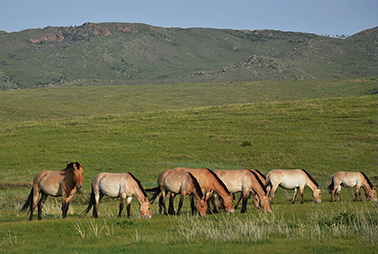
Hustai National Park is a 900 km² protected area located 100 km southwest of Ulaanbaatar, Mongolia. It is home to the world's last surviving wild horse — the Przewalski horse (locally called takhi) — which was reintroduced here from European zoos starting in 1994. Entry costs approximately $5–10 USD, and the park is open year-round with the best wildlife viewing in spring and autumn.
Just two hours' drive southwest of Mongolia's capital, Hustai National Park protects one of Central Asia's last intact steppe ecosystems — and is home to one of conservation's most remarkable success stories.
The Przewalski horse, the world's only truly wild horse species, was declared extinct in the wild in 1969
Through a decades-long international effort, it has been successfully reintroduced to these rolling hills and river valleys, and today a population of over 300 horses roams the park in family herds across a landscape that has barely changed in centuries.
Hustai is the most accessible major wildlife destination from Ulaanbaatar and represents an ideal introduction to Mongolia's extraordinary natural environment. This guide covers everything you need to know to plan a visit — from the science behind the takhi reintroduction to the park's archaeological monuments, seasonal conditions, and practical logistics.
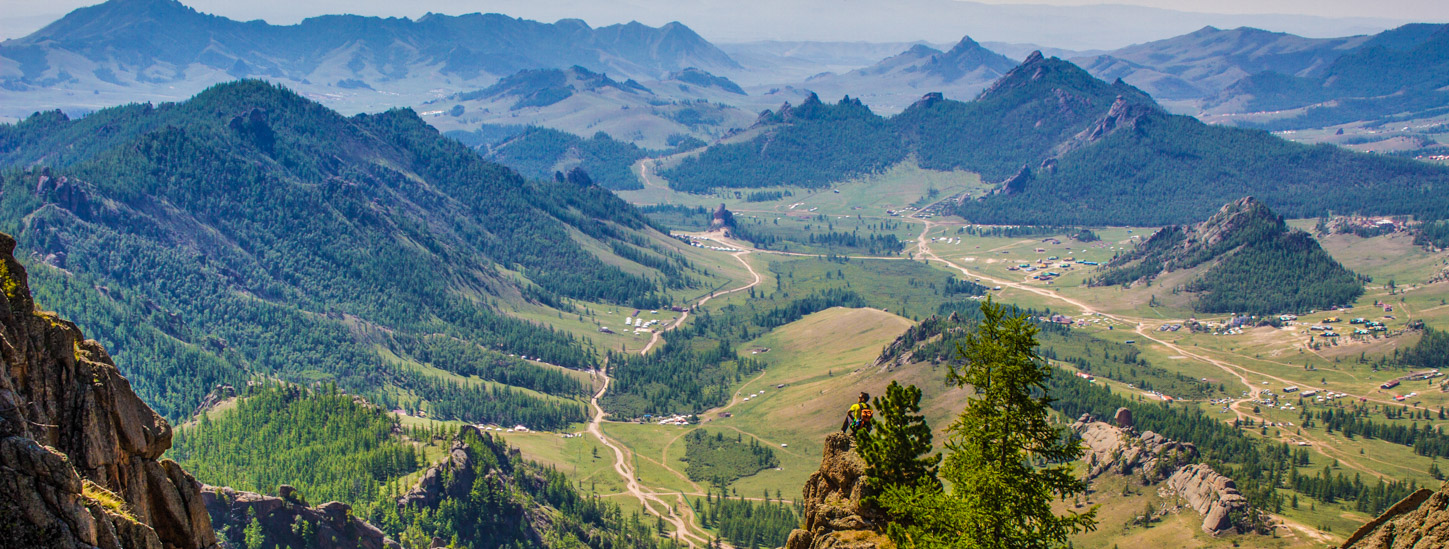
Hustai National Park (also spelled Khustai Nuruu) was established in 1993 as a Strictly Protected Area — Mongolia's highest conservation designation. The park covers 90,000 hectares (900 km²) and occupies the foothills of the Khentii Mountain range, at the transition zone between Central Asian steppe and northern forest. This ecotone — where grassland and forest meet — creates exceptional biodiversity.
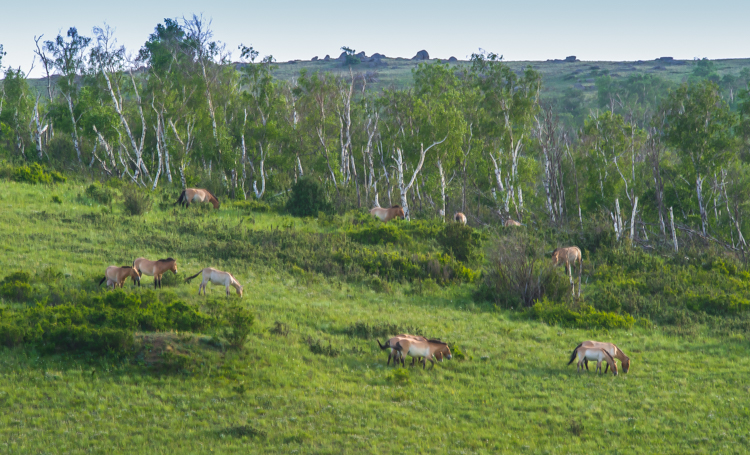
The park sits at an average elevation of 1,200–1,600 metres above sea level and is drained by the Tuul River, which flows through its southern boundary. Its landscape is characterised by open rolling hills covered in feather grass and wormwood steppe, cut by wooded ravines of elm, willow, and aspen.
UNESCO has recognized Hustai's exceptional conservation value, and the park has been nominated as a Man and Biosphere Reserve. It is managed through a partnership between the Mongolian government, the Dutch Foundation for the Preservation and Protection of the Przewalski Horse, and local communities — a model of international conservation cooperation.
The Przewalski horse (Equus ferus przewalskii) — called takhi (тахь) in Mongolian, meaning "spirit" — is the only horse species that has never been domesticated by humans. Every other horse on earth is descended from domesticated stock; the takhi represents an unbroken evolutionary line stretching back through the ice ages.
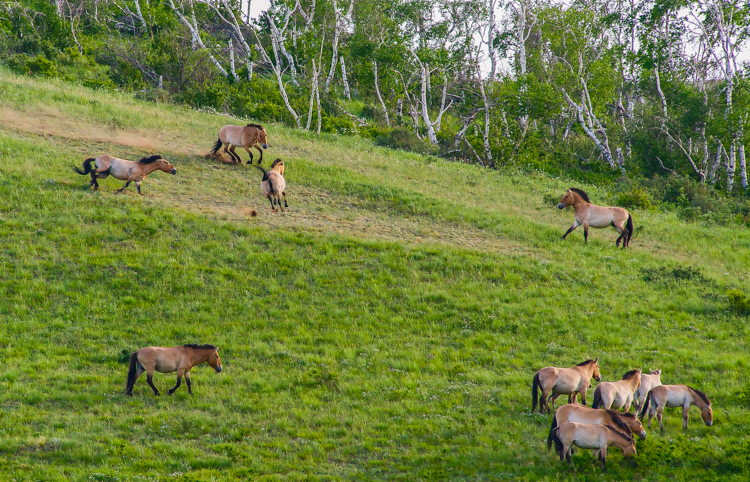
Physically, the takhi is distinctive. It stands approximately 146 cm at the shoulder (compared to 152–163 cm for a domestic horse), weighs around 300 kg, and measures 250 cm in body length. Its build is compact and muscular. The coat is dun or bay in colour, typically with a dark dorsal stripe running down the spine and darker colouring on the legs. Unlike domestic horses, the takhi has a short, upright mane with no forelock, and its legs have slight callouses (chestnuts) similar to those of early horses in the fossil record.
The IUCN classifies the Przewalski horse as Endangered. The last confirmed wild sighting was in 1969, in the Dzungarian Gobi. The species survived only in captivity — in European and American zoos — for the following two decades. The reintroduction programme began in Mongolia in 1992, and Hustai received its first 16 horses from the Netherlands in 1994. The current Hustai population has grown to approximately 300+ horses living in around 70 separate family herds. This is the largest self-sustaining wild population of the species on earth.
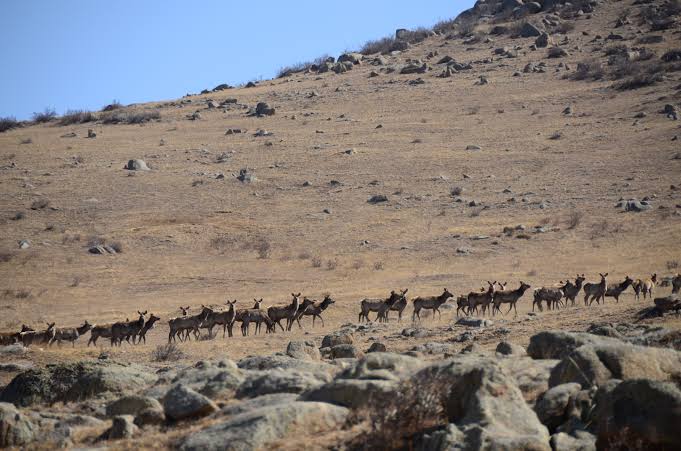
While the takhi is the star attraction, Hustai supports a remarkably diverse community of wildlife. Large mammals include red deer (Cervus elaphus), Mongolian gazelle (Procapra gutturosa), wild boar, and wolves — the takhi's main natural predator in the park. Corsac fox, badger, and Pallas's cat are present, and the Siberian brown bear makes occasional visits from the northern forested zones.
The birdlife is exceptional. Over 220 bird species have been recorded in the park, including the saker falcon (Mongolia's national bird), the eagle owl, the demoiselle crane, and numerous raptors. The park's river corridor supports breeding populations of common kingfisher and several wader species during migration.
The botanical diversity is equally impressive: 450 vascular plant species have been recorded within the park boundaries, of which approximately 200 have documented medicinal properties in Mongolian traditional medicine. The spring wildflower display — in May and early June — transforms the steppe into a coloured carpet of iris, tulip, and poppy.
Hustai National Park contains a significant concentration of Turkic stone monuments dating to the 6th–8th century AD — predating the Mongol Empire by five centuries. The Ungut monument complex includes:
• Stone steles inscribed with ancient Turkic Runic script — some of the oldest written records in the region
• Deer stones: tall carved standing stones depicting stylised running deer, characteristic of the Bronze and Early Iron Age cultures of the steppe
• Khirigsuurs: elaborate burial mounds surrounded by stone circles, associated with Bronze Age chieftains
These monuments are accessible on guided walks within the park and provide a striking context for the natural landscape — reminders that this steppe has been a sacred and inhabited landscape for millennia. Some are several hundred years older than the oldest Mongolian written sources.
Season Months Wildlife Activity Conditions Verdict
Spring April–May Foals born; high activity; wildflowers peak Cool 5–15°C; muddy tracks possible Excellent — foals and wildflowers
Summer June–August Peak visitor season; herds visible Warm 18–28°C; green steppe Very good — easiest access
Autumn September–October Rutting season; dramatic light; photography peak Cool 5–15°C; clear skies Best for photography
Winter November–March Horses in winter coat; stark beauty Very cold −15°C to −30°C For adventurous visitors only
Spring (April–May) is particularly special: foals are born from April onwards, and the steppe erupts with wildflowers. The takhi herds are highly active in the cool morning temperatures. Autumn offers the best photographic light — clear blue skies, golden grass, and mature stallions during the rut. Summer is the most comfortable and accessible season, though the park is busiest with Mongolian and international visitors in July and August.
Hustai is the most accessible of Mongolia's major protected areas from Ulaanbaatar. The 100 km journey follows a paved road for most of the distance, with a short gravel section approaching the park entrance. The drive takes 1.5–2 hours depending on Ulaanbaatar traffic.
• Private car hire from Ulaanbaatar: approximately $80–120/day for a driver and 4WD vehicle — recommended for flexibility
• Organised tour from Ulaanbaatar: half-day or full-day options; cost $60–120 per person depending on group size and operator
• Public transport: no direct public transport connects UB to the park; shared minibuses to the nearest town (Altanbulag) depart from Dragon Centre but leave you 30+ km short of the park
Park headquarters are at the entrance, where you register and pay the entrance fee. A park guide must accompany all visitors on wildlife drives within the protected zone. Accommodation inside the park is available at the Hustai Nuruu Ger Camp, operated by the park authority.
• Dawn wildlife drive: the most important activity — horses are most active in the first two hours after sunrise
• Guided nature walk: explore the steppe and woodland on foot with a park-certified guide
• Archaeology trail: visit the Ungut deer stones and khirigsuur burial mounds
• Bird watching: particularly productive along the Tuul River corridor
• Photography: exceptional subjects from dawn to dusk — bring a telephoto lens (400mm+ recommended)
• Night sky observation: minimal light pollution makes Hustai one of Mongolia's best stargazing locations
• Ger camp experience: staying overnight in the park's traditional ger camp
Item Approximate Cost (USD)
Park entrance fee (per person) $5–8 USD
Vehicle entrance fee $5 USD
Guided day tour from UB (per person) $60–120 USD
Ger camp accommodation (per person/night, incl. meals) $60–100 USD
Private car hire from UB (per day) $80–120 USD
Professional photography permit Additional fee — enquire at park HQ
Can I see the Przewalski horses on a day trip from Ulaanbaatar?
Yes — Hustai is specifically designed for day visitors from Ulaanbaatar. Depart early morning (7–8am) to arrive for the dawn wildlife drive when the horses are most active. With an early start, you can see the horses, walk the archaeology trail, and return to UB by mid-afternoon. A full day gives you more time and a better chance of observing multiple herds in different parts of the park.
Are the Przewalski horses dangerous?
They are wild animals and must be treated accordingly. Maintain a minimum distance of 200 metres from horse herds at all times. Never get between a mare and her foal — mares defending foals are unpredictable. Do not make sudden movements or loud noises near horses. Binoculars and a telephoto lens (200mm minimum) are essential for good viewing at a respectful distance. Your park guide will position the vehicle appropriately for wildlife observation.
Is Hustai National Park the only place to see wild Przewalski horses in Mongolia?
Hustai has the largest accessible population. A second reintroduced population exists in the Great Gobi B Strictly Protected Area (approximately 100 horses), but this site is extremely remote and rarely visited by tourists. A third reintroduction site in Khomyn Tal (Zavkhan province) is developing. Wild Przewalski horses exist nowhere else on earth outside of captivity.
Is Hustai National Park suitable for children?
Yes, Hustai is one of Mongolia's most family-friendly wildlife destinations. The road access is good, drives within the park are relatively short, and the Przewalski horses are visually dramatic and impressive for children. The park's ger camp provides a comfortable and safe overnight experience. Many families rate the dawn wildlife drive as among the most memorable moments of their Mongolia trip.
Can I stay overnight at Hustai?
Yes, The park operates its own ger camp within the protected area. Staying overnight is highly recommended: it allows for both dawn and dusk wildlife drives, when the horses are most active and the light is best for photography. Book in advance, particularly for June through August when the camp is often fully booked weeks ahead.
Are there entrance fees at Hustai National Park?
Yes, A park entry fee applies for all visitors. As of 2026, the fee for foreign visitors is approximately $5–8 USD per person, with a separate vehicle fee. Fees are paid at the park headquarters at the entrance. All fees directly support the Przewalski horse reintroduction programme and the management of the protected area.
How many Przewalski horses exist in the world today?
Approximately 2,000 Przewalski horses exist worldwide as of 2024, including both captive (zoo) and wild/reintroduced populations. Hustai National Park hosts the world's largest self-sustaining wild population, with over 300 horses in approximately 70 family herds. Without the reintroduction programmes that began in the early 1990s, this species would be extinct in the wild. The recovery of the takhi is considered one of conservation biology's greatest successes.
Discover Mongolia has organized tailor-made tours since 2004.
We handle flights, accommodation, guides, vehicles — you focus on the journey.