What Meat Do Mongolians Eat? Mongolian Meat Guide (2026)
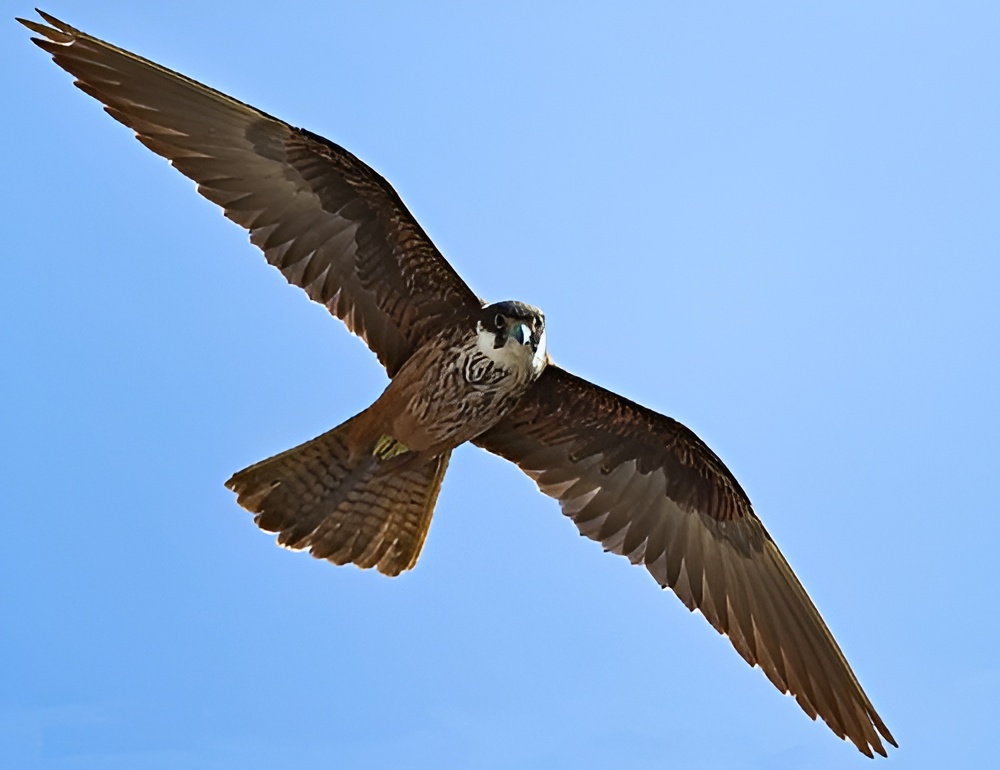
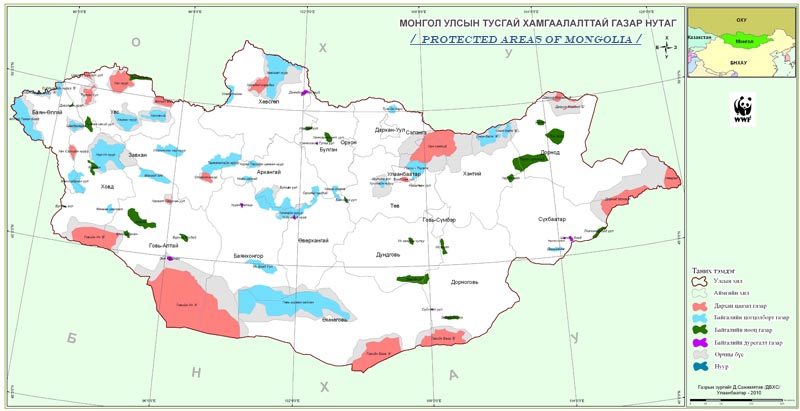
Mongolia is home to roughly 139 mammal species, around 449 bird species, and smaller numbers of fish, reptiles, and amphibians, shaped by habitats ranging from northern taiga to the Gobi Desert. Signature species include the snow leopard, Argali sheep, Siberian musk deer, and the Przewalski's horse, the world's only truly wild horse species, successfully reintroduced to Mongolia after going extinct there in the wild. Most wildlife viewing happens in national parks such as Khustai, Gobi Gurvansaikhan, and the Altai Tavan Bogd region.
Mongolia's wildlife diversity comes from its position at the meeting point of Siberian forest, Central Asian steppe, and true desert. Commonly cited figures for the country's biodiversity include:
Species counts vary slightly between sources depending on survey year and classification, but the overall picture is consistent: Mongolia supports far more biodiversity than its dry, sparsely populated reputation suggests.
No animal represents Mongolian conservation success better than the Przewalski's horse, known locally as takhi. It's the world's only truly wild horse species, genetically distinct from domesticated horses, and it went extinct in the wild by the late 1960s.
The snow leopard is Mongolia's most iconic predator, sometimes called the "ghost of the mountains" for how rarely it's seen despite a substantial population.
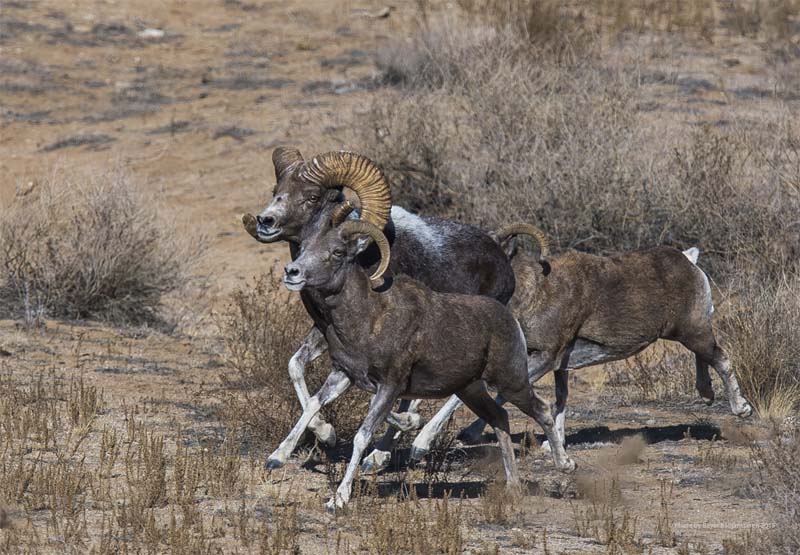
The Argali is the world's largest wild sheep species, and one of Mongolia's most significant populations lives in the Altai Mountains region.
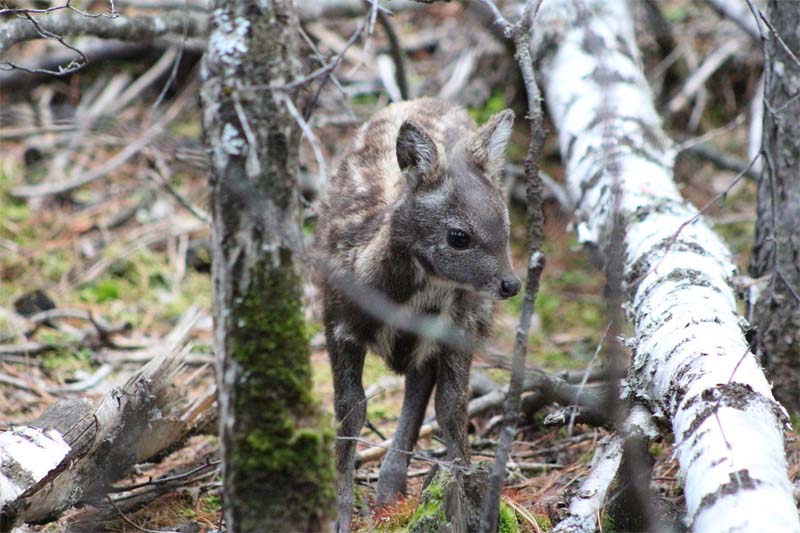
The Siberian musk deer is a small, secretive, mostly nocturnal species found at elevations above roughly 2,600 meters.
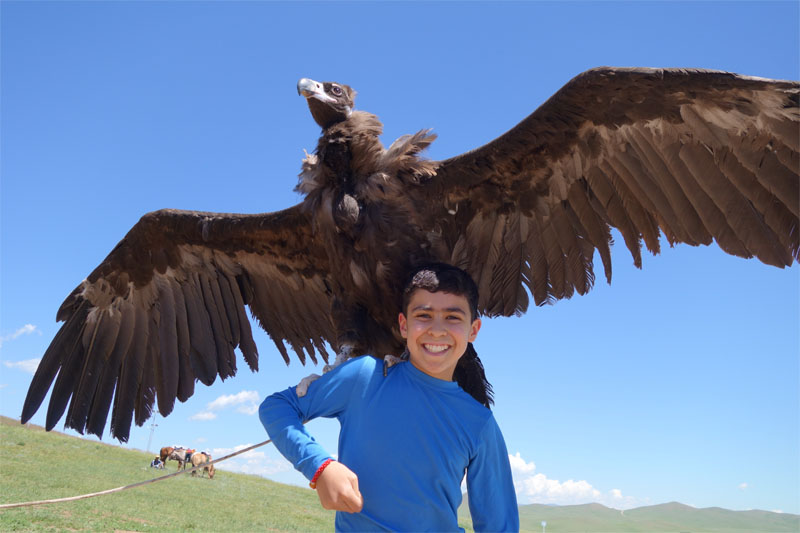
The Cinereous vulture, also called the black or monk vulture, is the largest vulture species in Europe, Asia, and Africa.
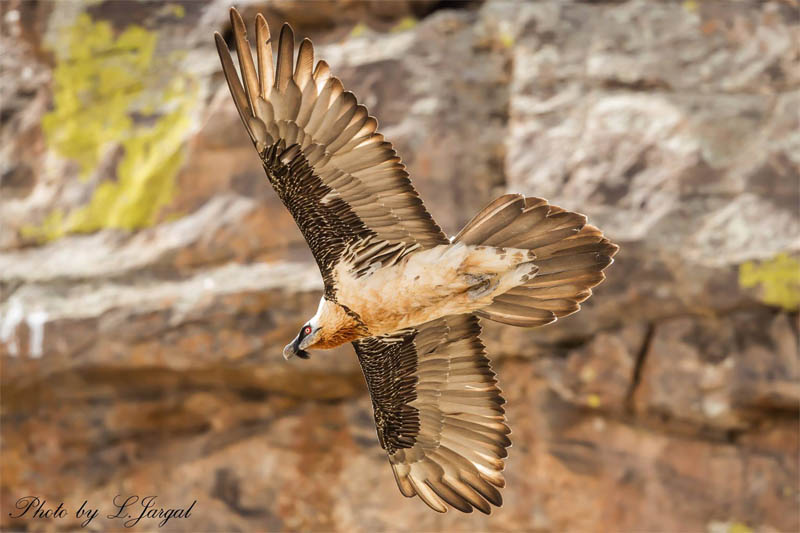
The Lammergeyer has one of the largest wingspans of any bird and is the only bird species known to feed primarily on bone rather than flesh.
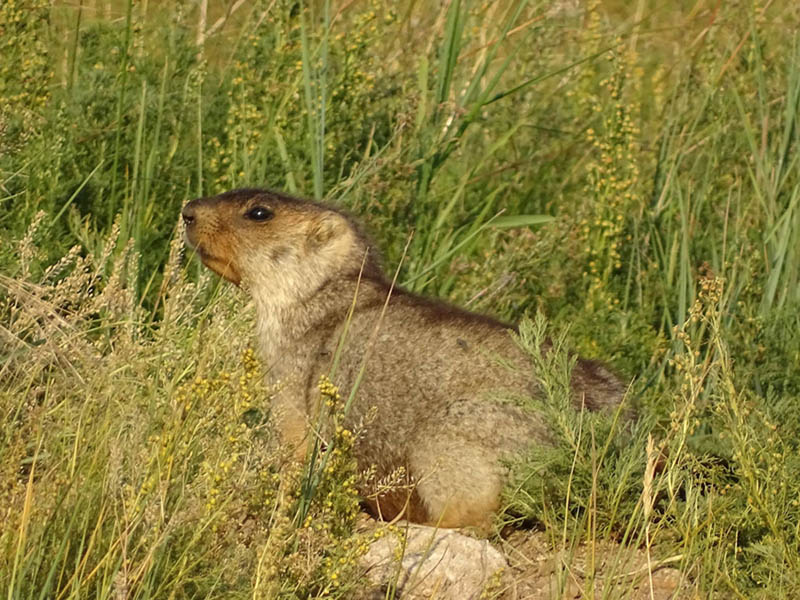
The Tarbagan marmot, found mainly around the Altai mountains region, is now an endangered species after historically being hunted for food and fur.
The Altai snowcock is a large, partridge-like mountain bird found at high elevations, often in the same terrain as ibex and Argali sheep.
Several of Mongolia's most distinctive species, including the musk deer and wild Bactrian camel, are endangered partly because of poaching and illegal wildlife trade. Travelers can support conservation by choosing tour operators who work with licensed protected areas, avoiding any wildlife products of unclear origin, and reporting suspected poaching or illegal wildlife trade to local authorities.
Discover Mongolia Travel has operated since 2004 and organizes wildlife-focused itineraries to national parks including Khustai and Gobi Gurvansaikhan.
What is the most iconic wild animal in Mongolia?
The snow leopard and the Przewalski's horse are generally considered Mongolia's two most iconic wild species, representing the country's remote mountain wilderness and its conservation successes.
Can tourists see wild horses in Mongolia?
Yes, Khustai National Park, about two hours from Ulaanbaatar, is the most reliable place to see wild Przewalski's horses, reintroduced after going extinct in the wild in the late 1960s.
How many snow leopards live in Mongolia?
Mongolia holds an estimated population of around 1,000 snow leopards, among the largest national populations of the species in the world, though sightings remain rare.
Is the Siberian musk deer endangered?
Yes, It's classified as a threatened species, primarily due to illegal poaching for its musk glands, which are highly valuable on international markets.
What's the difference between a wild sheep and a wild goat in Mongolia?
Sheep, like the Argali, are grazers that prefer grass, while goats, like the Siberian ibex, are browsers that prefer shrubs and leaves, a useful distinction when spotting wildlife in mountain terrain.
Where can I see wild Bactrian camels?
Wild Bactrian camels live in remote, strictly protected parts of the Gobi Desert and are rarely seen outside dedicated conservation areas, unlike the domesticated camels common throughout the region.
What's the best time of year for wildlife viewing in Mongolia?
May through September offers the most accessible conditions for most species, though some wildlife, including snow leopards, is more visible against snow during a specialized winter expedition.
Is it ethical to buy animal products as souvenirs in Mongolia?
Travelers should avoid musk-based or other wildlife-derived products of unclear origin, since illegal poaching remains a serious threat to species like the Siberian musk deer.