What Meat Do Mongolians Eat? Mongolian Meat Guide (2026)
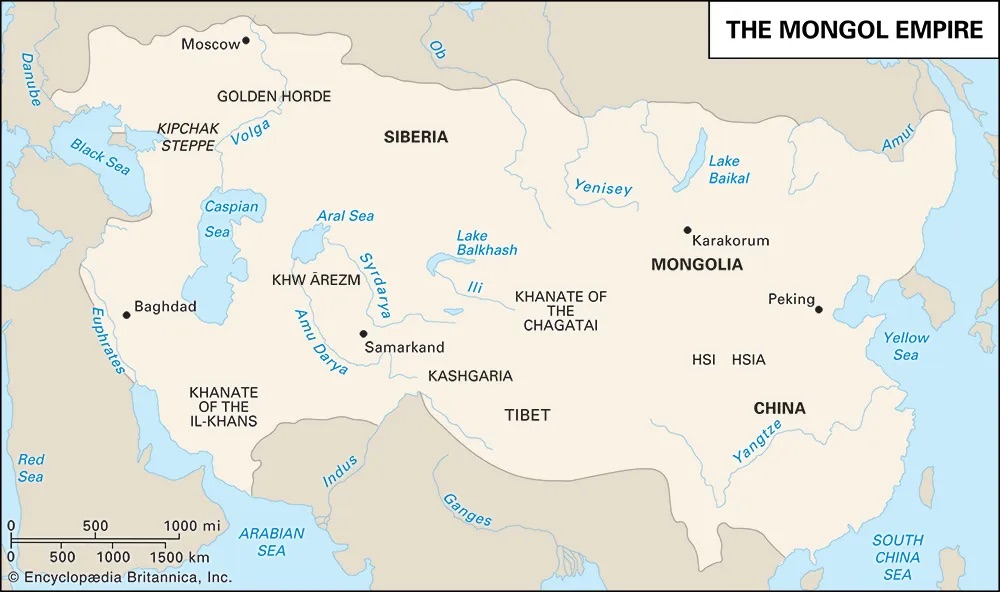
Batu Khan, grandson of Genghis Khan, led the Mongol conquest of Kievan Rus between 1237 and 1240, establishing the Golden Horde and ruling over Russian lands for roughly two and a half centuries. Historians remain divided on the impact of this period: some argue Mongol rule pushed fractured Russian princedoms toward eventual unity and introduced useful administrative and military practices, while others emphasize the destruction, population loss, and centuries of tribute payments imposed on the Russian lands.
Batu Khan was the son of Jochi, Genghis Khan's eldest son, making him a grandson of Genghis Khan himself. After Jochi's death, Batu inherited command of the westernmost portion of the Mongol Empire and led a major western campaign starting in the mid-1230s, eventually founding the khanate that became known as the Golden Horde.
Before the Mongols arrived, Kievan Rus wasn't a unified state. It was a loose collection of principalities, each ruled by its own prince, often in competition with one another.
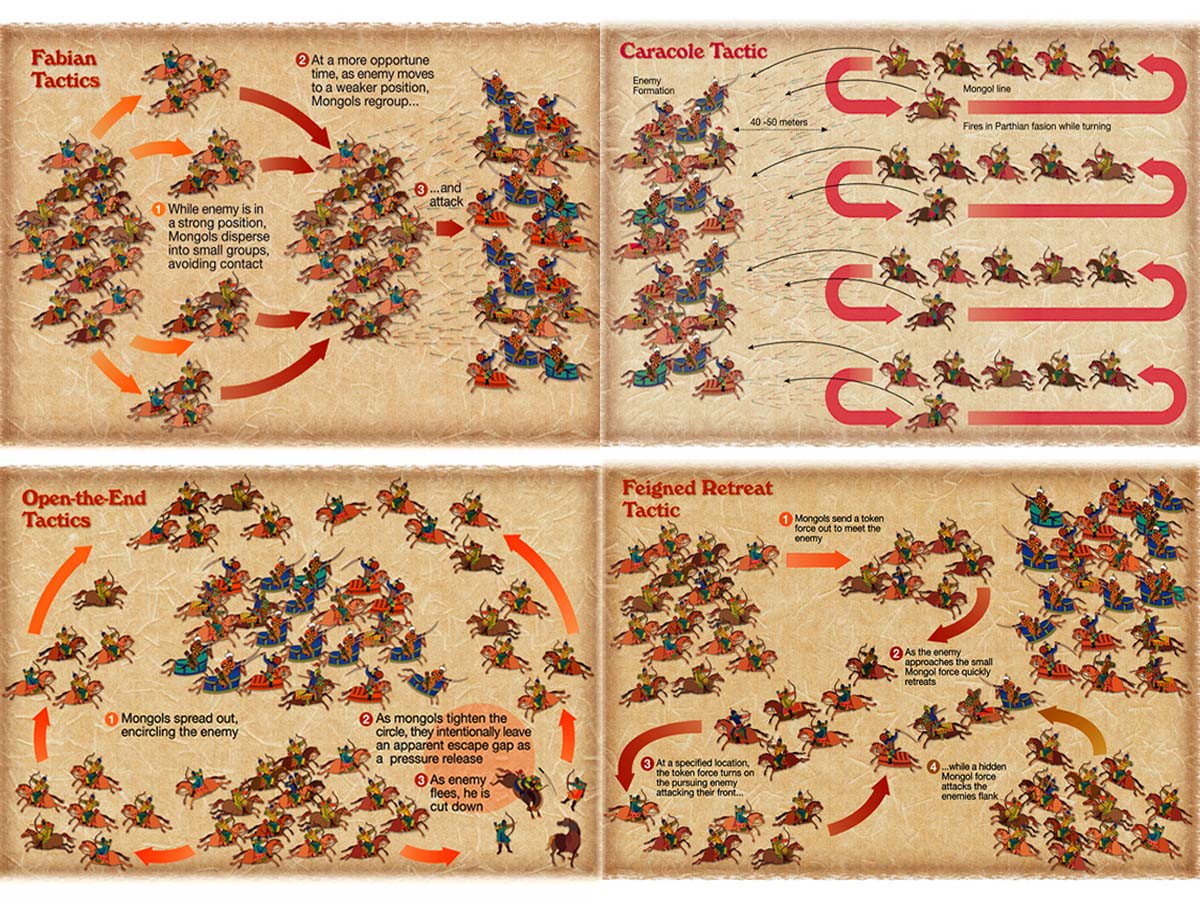
Batu Khan's forces first encountered Rus territory in the 1220s, then launched a full invasion between 1237 and 1240. Cities including Ryazan, Vladimir, and eventually Kiev itself were besieged and largely destroyed. The fall of Kiev in 1240 is generally treated by historians as marking the definitive end of the Kievan Rus state, which had already been fragmenting for decades before the Mongols arrived.
Following the conquest, Batu Khan established his headquarters at Sarai, on the lower Volga River, and Mongol rule over Russian principalities continued for roughly two and a half centuries, from 1240 until 1480.
This is one of the most debated questions in Russian historiography, and historians land in different places.
The case for Mongol influence pushing unification: Some historians, most notably the Russian-American historian George Vernadsky, argue that Mongol conquest and the resulting demands for tribute gave Rus princes a shared incentive to unite against a common ruler, something their pre-Mongol rivalries had never produced on their own. This view, associated with a school of thought called Eurasianism, holds that Mongol administrative and military organization, including a rigid organizational structure the Mongols used to break their forces into units of ten, hundreds, and thousands, influenced how Muscovy later organized its own state and army.
The case against this framing: Many Soviet and later Russian historians rejected this interpretation almost entirely, arguing the Mongol invasion caused overwhelming destruction, deepened regional divisions rather than healing them, and actively worked to prevent the principalities from centralizing power, since a divided Rus was easier for the Golden Horde to control. In this view, the eventual rise of a unified Muscovite state happened despite Mongol rule, not because of it.
A middle-ground view held by many modern historians: Mongol rule brought genuine devastation to Russian cities and populations, while also, indirectly and over centuries, contributing to some administrative and military practices that later Russian states adopted. Both things can be true at once, and most contemporary scholarship treats the question as more nuanced than either side of the older debate suggested.
Mongol dominance over Russian lands didn't end all at once. In 1380, Prince Dmitrii Donskoi of Moscow won a symbolically significant victory over Golden Horde forces at the Battle of Kulikovo Field, a moment still remembered as an early milestone in Russian resistance. It didn't end Mongol authority immediately, however; the Golden Horde, under a different leader, sacked Moscow again just two years later, in 1382. Mongol rule over Russian principalities didn't formally end until the Great Stand on the Ugra River in 1480, a full century after Kulikovo.
Mongolia's imperial reach into Russia is one of the clearest examples of how thoroughly the Mongol Empire shaped world history well beyond Mongolia's own borders, alongside its more commonly known influence on China and Central Asia. Travelers interested in this era can explore it further through:
Discover Mongolia Travel has operated since 2004 and can help travelers build itineraries around Mongolia's imperial history, including sites connected to the Mongol Empire's expansion across Asia and into Europe.
Who was Batu Khan?
Batu Khan was a grandson of Genghis Khan and the son of Jochi, who led the Mongol conquest of Kievan Rus between 1237 and 1240 and founded the Golden Horde.
How long did the Mongols rule over Russia?
Mongol rule over Russian principalities lasted roughly two and a half centuries, from the fall of Kiev in 1240 until the Great Stand on the Ugra River in 1480.
Did the Mongols help unify Russia?
Historians disagree. Some argue Mongol conquest gave fractured Russian princedoms a shared incentive to unite, while others argue Mongol rule deliberately deepened divisions between principalities and that unification happened despite, not because of, Mongol influence.
What was the Battle of Kulikovo?
Fought in 1380, it was a symbolically important Russian victory over Golden Horde forces led by Prince Dmitrii Donskoi of Moscow, though it didn't end Mongol rule, which continued for another century.
When did Mongol rule over Russia actually end?
Mongol authority over Russian lands formally ended in 1480, at the Great Stand on the Ugra River, a full century after the Battle of Kulikovo.
What was the Golden Horde?
The Golden Horde was the western khanate of the Mongol Empire, founded by Batu Khan, that ruled over Russian principalities and other territories from its capital at Sarai on the Volga River.
Is it accurate to call the Mongols "barbaric" in this history?
Most modern historians avoid that framing, since it oversimplifies a complex period; the Mongol conquest caused genuine large-scale destruction while Mongol administrative systems also influenced later Russian state structures, and serious scholarship treats both facts as part of the same history.
Where can I learn more about this history while visiting Mongolia?
The National Museum of Mongolia and the museum at the Genghis Khan Statue Complex near Ulaanbaatar both cover the broader history of the Mongol Empire's expansion, including its reach into Europe.