About Mongolia
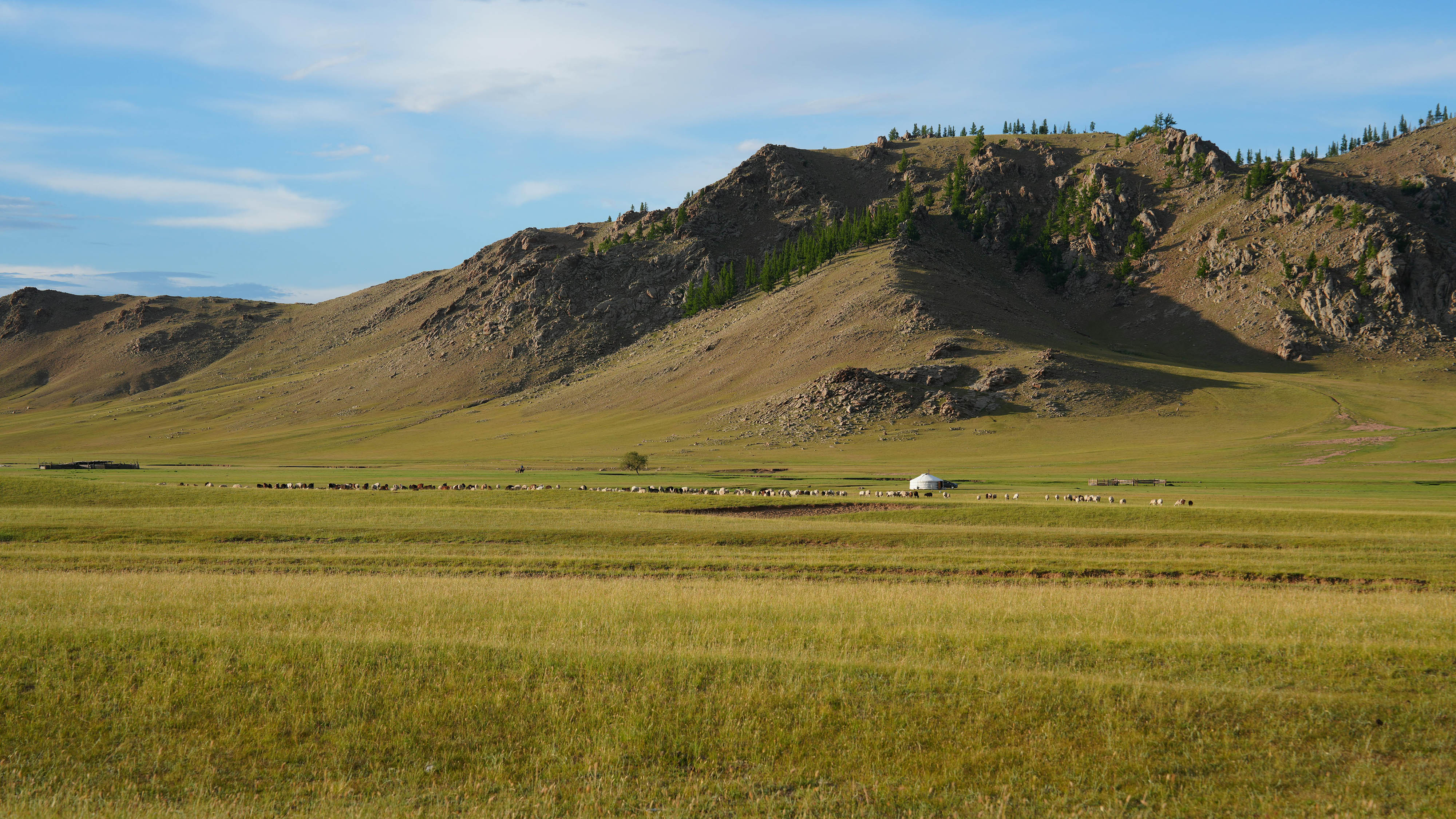
Mongolia is truly one of the world's last undiscovered travel destinations and the safest country to visit.
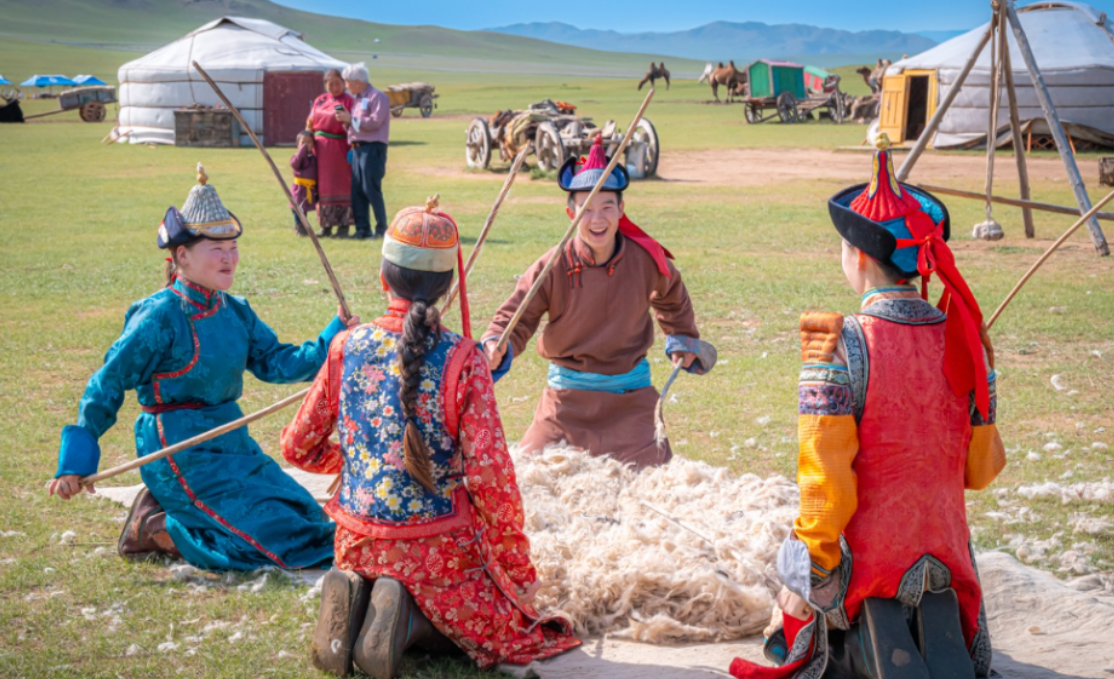
Mongolia is home to more than 20 ethnic groups. The majority are Khalkh Mongols (around 84–85%), while minorities include Kazakhs, Dörvöd, Buriads, and Uriankhai. Despite differences in language, religion, and regional customs, most groups share a nomadic heritage centered on livestock, mobility, and strong cultural traditions.
Why Mongolia Is More Diverse Than People Think
Mongolia is often imagined as ethnically uniform just “Mongols.” That’s not quite true.
Across its vast steppe, desert, forest, and mountain regions, Mongolia developed multiple ethnic communities shaped by:
- Migration across Central Asia
- Tribal alliances during the Mongol Empire
- Geographic isolation between regions
- Shifting borders and historical states
Major Ethnic Groups in Mongolia (Overview)
Mongolia’s population includes several ethnic groups, each with its own identi
- Khalkh Mongols (~84.5%) — core Mongolian identity, standard language
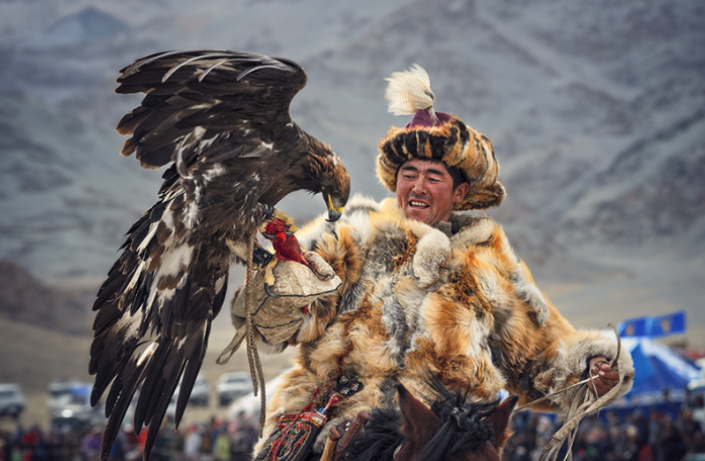
- Kazakh people (~3.9%) — Turkic, Muslim, eagle hunters
- Dörvöd (~2.4%) — western Oirat Mongols
- Bayad (~1.7%) — western regional group
- Buriad people (~1.3%) — northern, Siberian influence
- Zakhchin (~1.0%) — strong folk traditions
- Dariganga (~0.9%) — known for craftsmanship
- Uriankhai (~0.8%) — mountain & forest lifestyle
- Other groups (<1% each) — smaller regional identities
Khalkh Mongols: The Majority Group
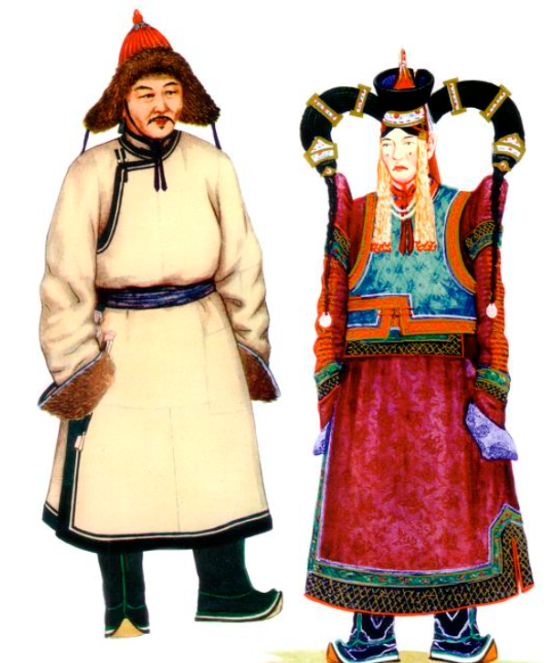
The Khalkh Mongols are the largest ethnic group in Mongolia and form the cultural and linguistic foundation of the modern nation.
Historical Background
The Khalkh became dominant after the unification of Mongol tribes during the 13th century under Chinggis Khan. Over time, their dialect developed into the standard Mongolian language used today.
Cultural Characteristics
- Speak Khalkh Mongolian (official national language)
- Practice traditional nomadic herding
- Strong connection to Mongolian customs and festivals
- Major contributors to national identity
While often described as descendants of the Mongol Empire, modern scholars emphasize that Mongolian identity developed collectively among many tribes rather than a single lineage.
Kazakh People of Mongolia
The Kazakh people are the largest ethnic minority in Mongolia and differ from Mongol groups in both language and religion.
Origins
Kazakhs are a Turkic ethnic group whose main population lives in Kazakhstan and western Central Asia.
Life in Mongolia
Most Mongolian Kazakhs live in Bayan-Ölgii Province in western Mongolia.
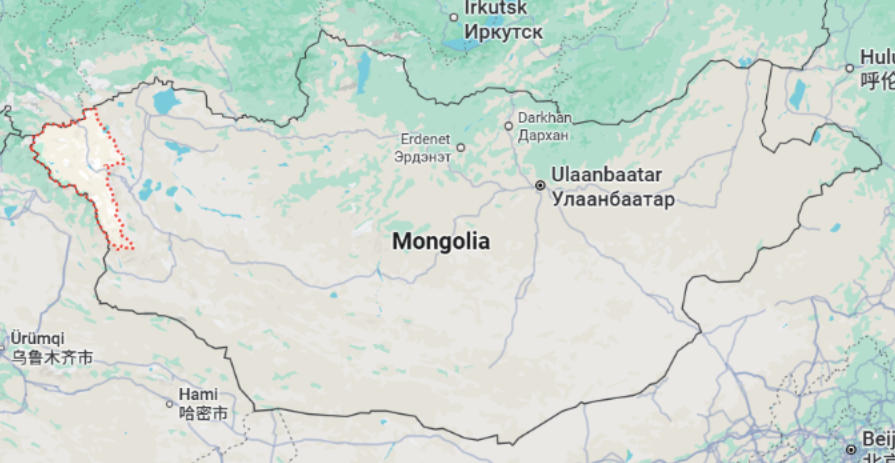
Key cultural features include:
- Kazakh language (Turkic family)
- Islamic religious traditions
- Eagle hunting culture
- Distinct embroidery and clothing styles
Kazakh communities preserve strong cultural traditions while also participating fully in Mongolian society.
Dörvöd (Durbet)
The Dörvöd are part of the western Mongol tribes historically connected to the Oirat confederation.
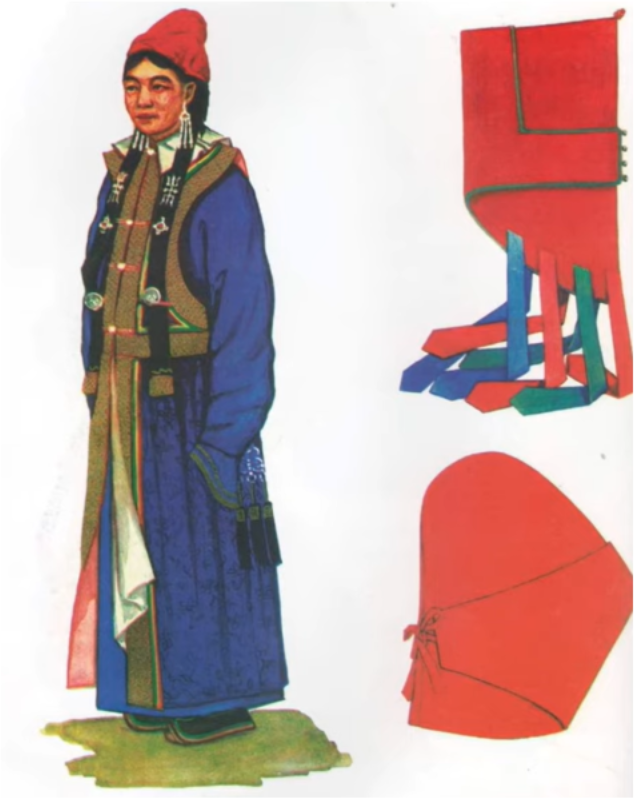
Historical Movement
Their ancestors migrated across Central Asia during the 17th century, with some settling near Russia and others returning to areas that are now western Mongolia.
Cultural Identity
- Primarily live in western provinces
- Maintain Oirat linguistic traditions
- Known for pastoral livestock herding
Their history reflects the large-scale migrations common among nomadic societies.
Bayad People
The Bayad are another western Mongol ethnic group with roots tracing back to early tribal alliances of the Mongol Empire.
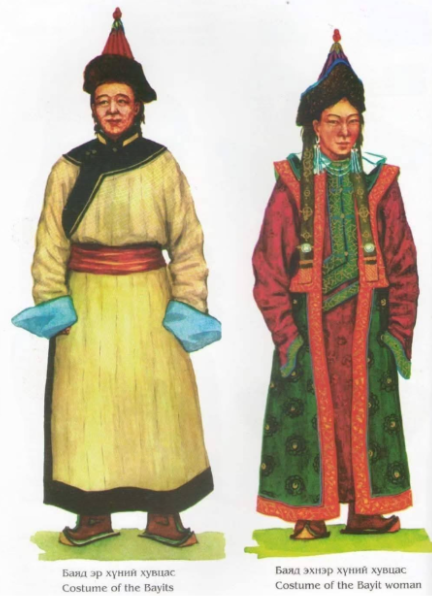
Cultural Traits
- Located mainly in western Mongolia
- Share similar customs with neighboring Mongol groups
- Maintain regional dialect variations
Differences between Mongolian ethnic groups are generally subtle and rarely create social divisions.
Buriad (Buryat) Mongols
The Buriad people inhabit northern Mongolia and regions near Lake Baikal in Siberia.
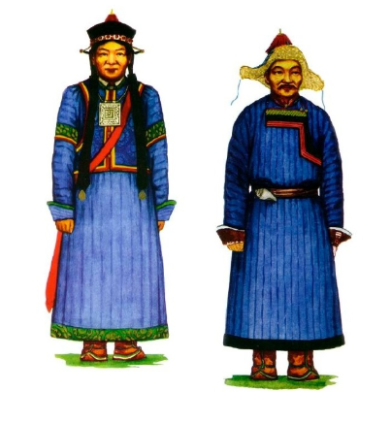
Origins
They developed through interaction between Mongol tribes and northern Siberian populations.
Cultural Features
- Forest-steppe lifestyle
- Unique dialect variations
- Strong shamanistic traditions alongside Buddhism
Many Buriads live across modern borders in Russia and Mongolia, showing how ethnic identity often extends beyond political boundaries.
Dariganga People
The Dariganga live mainly in southeastern Mongolia, especially in Sukhbaatar Province.
Regional Identity
They belong to the eastern Mongol cultural group and speak a dialect closely related to Khalkh Mongolian.
Cultural Highlights
- Skilled metalwork and craftsmanship
- Strong horse culture traditions
- Distinct regional clothing styles
Despite their small population, they maintain a recognizable regional identity.
Zakhchin People
The Zakhchin are a western Mongol group known for strong artistic and oral traditions.
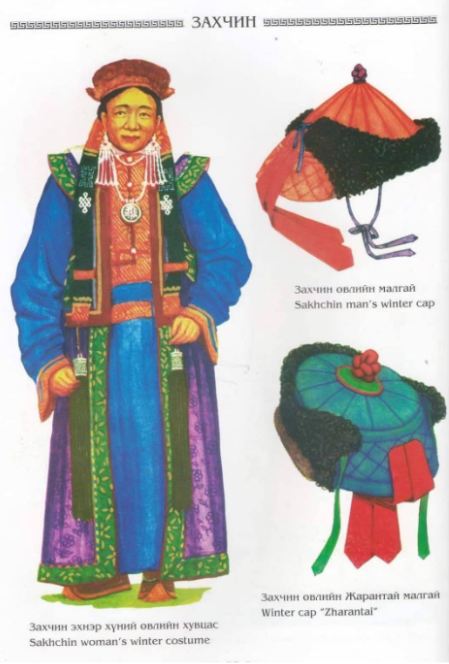
Historically, their spiritual beliefs combined:
- Early shamanistic practices
- Nature worship
- Later Tibetan Buddhist influences
Traditional storytelling, epic poetry, and music played important roles in preserving history and cultural values among Zakhchin communities.
Uriankhai (Tuvan-Related Groups)
The Uriankhai people live mainly in mountainous northern Mongolia near the Russian border.
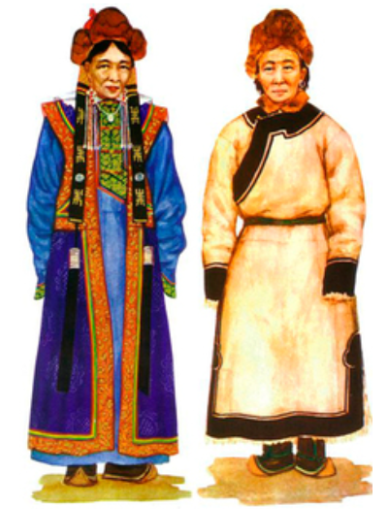
Environment
Their homeland features:
- Harsh winters
- High mountains
- Forested landscapes
Cultural Characteristics
- Some communities speak Tuvan-related languages
- Practice reindeer or livestock herding
- Maintain strong ties to traditional music and throat singing cultures
Over time, many Uriankhai communities adopted the Mongolian language while preserving elements of their original identity.
Shared Cultural Foundations
Despite ethnic diversity, Mongolia’s groups share many cultural similarities shaped by nomadic life.
Common traditions include:
- Seasonal migration with livestock
- Living in gers (portable homes)
- Respect for nature and land
- Horse-centered culture
- Hospitality toward guests
These shared practices create a strong sense of national unity.
Language and Communication
The official language of Mongolia is based on the Khalkh dialect. However, many ethnic groups maintain their own linguistic traditions.
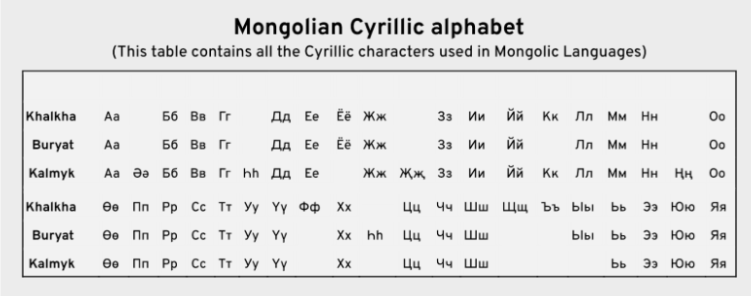
Examples:
- Kazakh language (Turkic)
- Oirat dialects (western Mongols)
- Buriad dialects
- Tuvan-related languages
Religious Traditions in Mongolia
Religious traditions in Mongolia are diverse and often interconnected, reflecting centuries of cultural exchange and nomadic ways of life. Rather than existing separately, many belief systems overlap and blend together in daily practices and spiritual understanding.
The main religious influences include:
Tibetan Buddhism
Tibetan Buddhism has been the dominant religion in Mongolia since the 16th century. Monasteries historically served not only as religious centers but also as places of education, art, medicine, and community leadership. Buddhist teachings emphasize compassion, wisdom, and the pursuit of spiritual balance. Today, monasteries, prayer rituals, and sacred ceremonies remain important parts of cultural life.
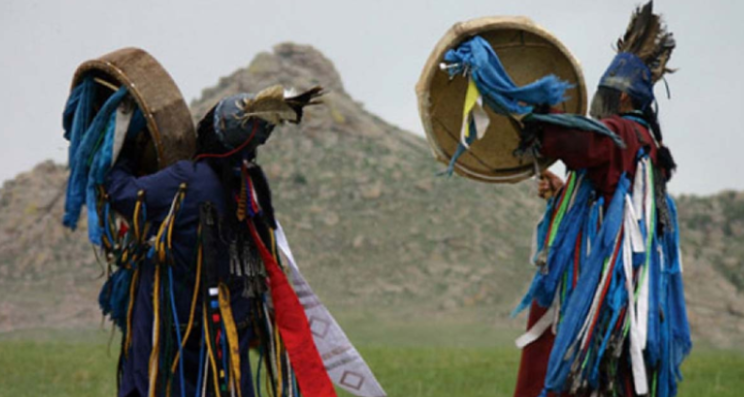
Shamanism
Shamanism represents Mongolia’s oldest spiritual tradition, dating back thousands of years before Buddhism arrived. It centers on communication with spirits of nature, ancestors, and the sky. Shamans perform rituals to heal illness, protect families, and maintain harmony between humans and the natural world. Elements of shamanism continue to influence modern spiritual practices, even among Buddhists.
Islam (among Kazakhs)
Islam is mainly practiced by the Kazakh ethnic minority living in western Mongolia. Their religious life includes mosque worship, Islamic holidays, and traditions connected to family and community values. Despite religious differences, Kazakh culture coexists peacefully with Mongolia’s broader cultural environment.
Folk Spiritual Practices
Many Mongolians observe everyday spiritual customs rooted in respect for nature and ancestral traditions. These include offering milk or food to the land, honoring sacred mountains and rivers, and practicing rituals for good fortune and protection. Such practices are often combined with Buddhist or shamanistic beliefs.
Historically, Mongolian belief systems have emphasized balance and harmony between humans, animals, and nature. This worldview reflects the nomadic lifestyle, where survival depended on understanding seasonal changes, respecting the environment, and maintaining spiritual connections with the surrounding landscape!
Ethnic Identity in Modern Mongolia
Modern Mongolia promotes a unified national identity while recognizing cultural diversity.
Important realities today:
- Ethnic differences are mostly cultural rather than political.
- Intermarriage between groups is common.
- Urbanization is gradually blending regional distinctions.
- Traditional customs remain strong in rural areas.
Ethnic heritage continues to influence festivals, clothing styles, music, and local traditions.
Cultural Experiences for Visitors
Travelers to Mongolia can experience ethnic diversity through:
- Regional festivals
- Traditional music and dance
- Local crafts and clothing
- Nomadic family visits
- Cultural museums
Frequently Asked Questions
How many ethnic groups live in Mongolia?
There are more than 20 ethnic groups in Mongolia. Most belong to Mongolic cultural traditions, while some, like the Kazakhs, have different linguistic origins.
Who are the Khalkh Mongols?
The Khalkh are the largest ethnic group and form the majority population. Their dialect became the basis of the modern Mongolian language.
Are Kazakhs Mongolian?
Kazakhs in Mongolia are citizens of Mongolia but belong to a Turkic ethnic group with their own language and Islamic traditions.
Do ethnic groups speak different languages?
Yes. Many groups have their own dialects or languages, although most people also speak standard Mongolian.
Are ethnic differences important in daily life?
Ethnic identity is mainly cultural. Mongolia is socially unified, and differences rarely create social divisions.
Where can travelers see ethnic traditions?
Visitors can experience ethnic culture in western Mongolia, northern forest regions, and during national festivals and local celebrations.
Is nomadic culture shared by all groups?
Yes. Most ethnic communities historically practiced nomadic herding, which remains a common cultural foundation.
Are traditional customs still practiced today?
Yes. Many communities continue traditional clothing, music, festivals, and seasonal herding practices, especially in rural areas.