
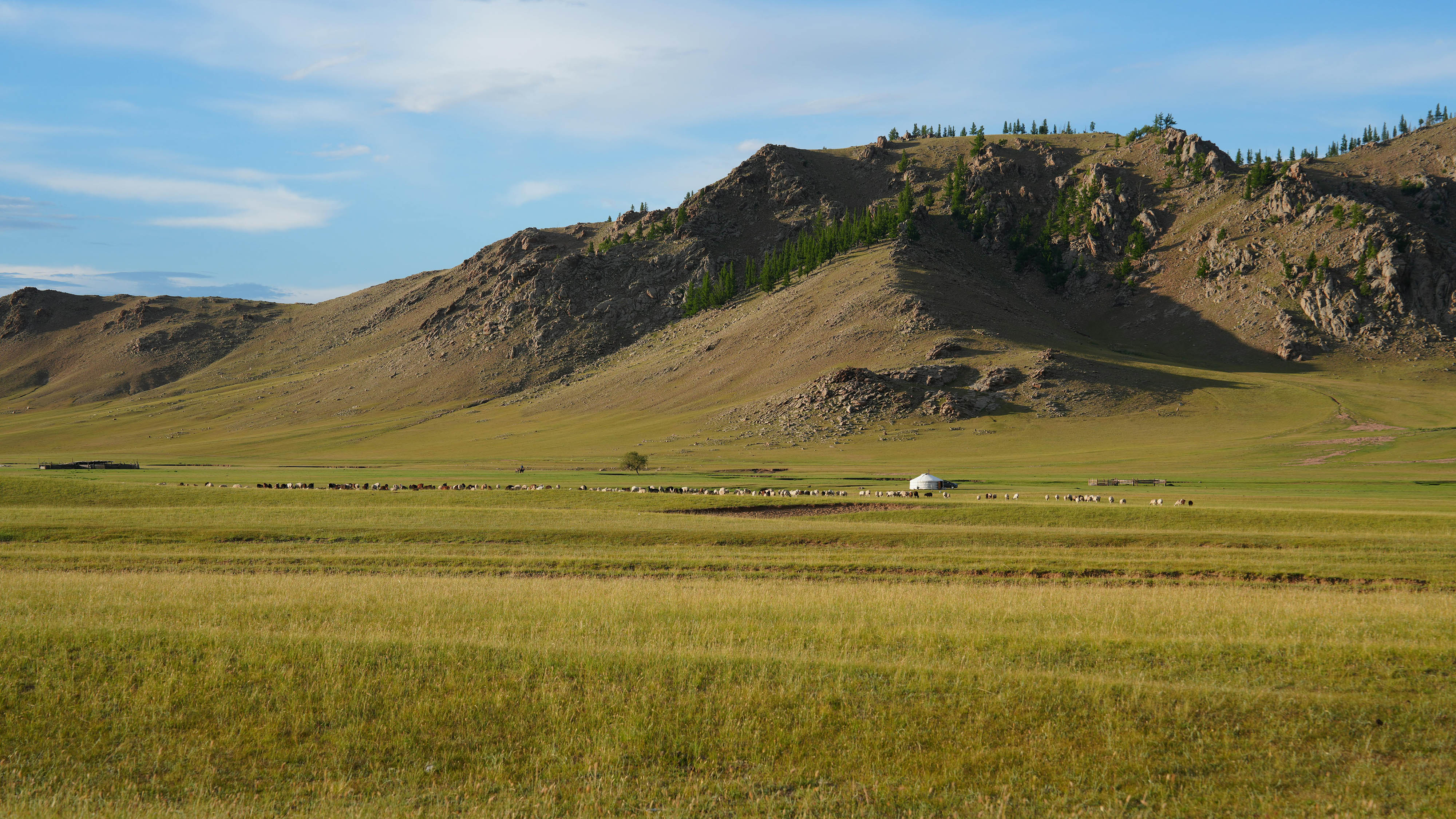
About Mongolia
Mongolia is truly one of the world's last undiscovered travel destinations and the safest country to visit.
Mongolia has a long tradition of nomadic medicine, including herbal remedies, bone setting, and acupuncture, alongside a modern healthcare system that began in 1925 with the country's first hospital. Today, quality care is concentrated in Ulaanbaatar, while medical facilities in rural areas remain basic. Travelers should carry comprehensive travel insurance that explicitly covers medical evacuation, bring their own prescription medications, and check recommended vaccinations well before departure, since serious injuries in remote areas may require evacuation to Ulaanbaatar or even internationally.
The History of Mongolian Medicine
Mongolia has a rich heritage of traditional medicine directly tied to its nomadic way of life. Herbal medicine, acupuncture, cauterization, massage, and bone setting have all been practiced for centuries, developed to treat the injuries and ailments common to herding communities living far from formal medical care.
Modern medicine arrived comparatively recently. In 1925, Russian doctor Shastin founded Mongolia's first People's Hospital, with just 15 beds. During the socialist period that followed, Mongolia built out a national network of hospitals, clinics, and trained medical staff, a policy that was, by most measures, successfully implemented across the country.
Mongolia's Healthcare System Today
Mongolia's health sector includes medical schools at all levels, the Center for Hygiene and Epidemiology, medical research institutes, a Mother and Child Care Center, central clinical hospitals, and provincial (aimag) and district (soum) hospitals, along with pharmaceutical and drug quality assurance agencies. Since Mongolia's transition to a market economy, several hundred new private clinics, hospitals, and health centers have opened, expanding access, particularly in Ulaanbaatar.
Despite this growth, a significant gap remains: healthcare quality drops sharply outside the capital. Ulaanbaatar has modern hospitals, including private clinics with English-speaking staff, while regional hospitals in provincial centers are generally more basic, may lack English-speaking doctors, and can be hours away over unpaved roads.
Practical Health Information for Travelers
This is the section that matters most before you go.
Recommended Vaccinations
The CDC and WHO recommend travelers to Mongolia be up to date on the following, depending on individual health history and itinerary:
- Hepatitis A and B
- Typhoid
- Rabies (particularly relevant for travelers who may have animal contact in rural areas)
- Tick-borne encephalitis
- Meningitis
- Polio
- MMR (measles, mumps, rubella)
- Tdap (tetanus, diphtheria, pertussis)
- Varicella (chickenpox) and shingles
- Pneumonia and influenza
- COVID-19
Consult your doctor or a travel health clinic at least 6–8 weeks before departure, since some vaccines require multiple doses over time.
Travel Insurance and Medical Evacuation
Comprehensive travel insurance that explicitly covers medical evacuation, including air ambulance, is essential for travel in Mongolia, not optional. Mongolia has no reciprocal healthcare agreements with Western countries, meaning travelers generally pay out of pocket for treatment and file claims afterward. Many hospitals require a significant portion of the estimated cost, sometimes around 80%, paid in advance before treatment begins. For serious injuries in remote areas like the Altai Mountains or Gobi Desert, ground evacuation to Ulaanbaatar can take a full day, and international evacuation to Beijing or Seoul may be the backup plan for the most serious cases. Confirm with your insurance provider specifically that Mongolia and medical evacuation are covered before you travel, since not all policies include this by default.
Emergency Numbers
- Ambulance: 103
- Fire: 101
- Police: 102
Don't assume English-speaking operators; if you're at a hotel or ger camp, ask staff to help translate an emergency call if needed.
Medical Facilities in Ulaanbaatar
SOS Medica Mongolia, located near the airport, is generally considered the most modern medical facility in the country and is widely used by foreign travelers and expats. It's worth saving its contact information before you travel, along with the details of your insurance provider's emergency assistance line. Outside Ulaanbaatar, treat any medical facility as basic and plan accordingly.
Altitude and Air Quality
Parts of Mongolia sit at meaningful elevation, and altitude sickness is a genuine risk in some regions, so pace yourself and stay hydrated when traveling to higher areas. Separately, Ulaanbaatar experiences serious winter air pollution, driven partly by coal and wood heating in the city's ger districts, which can aggravate asthma, bronchial, or sinus conditions. Travelers with respiratory conditions visiting in winter should plan accordingly and bring any regular medications.
Food, Water, and Medication
- Drink bottled or properly filtered water, especially outside Ulaanbaatar
- Bring your own prescription medications in original packaging, along with a doctor's note if carrying controlled substances, since pharmacy access is limited outside the capital
- Pack a basic travel medical kit, including remedies for common travel ailments like diarrhea, colds, and minor injuries
- If traveling with a tour operator on remote routes, ask in advance what first aid supplies and emergency communication (such as a satellite phone) are carried
What Happens If You Get Sick During a Tour?
In most cases, minor illness during a Mongolia trip can be treated at a local hospital or clinic. For tours in more remote areas, however, the nearest adequate facility may be far away, and in serious cases, evacuation by vehicle or aircraft to Ulaanbaatar may be necessary. This is precisely why medical evacuation coverage matters so much for Mongolia specifically, more than for many other destinations.
Frequently Asked Questions
What vaccines do I need for Mongolia?
The CDC and WHO recommend hepatitis A and B, typhoid, rabies, tick-borne encephalitis, meningitis, polio, MMR, Tdap, and routine vaccines including COVID-19 and influenza, though your specific itinerary and health history should guide your final list with a doctor.
Is travel insurance required for Mongolia?
It isn't legally required, but comprehensive insurance covering medical evacuation is strongly recommended and, in practical terms, essential, given Mongolia's remote terrain and the cost of emergency evacuation.
What is the emergency number in Mongolia?
Ambulance is 103, fire is 101, and police is 102. English-speaking operators aren't guaranteed, so ask local staff for help if needed.
Is healthcare good in Mongolia?
Ulaanbaatar has modern hospitals and clinics, some with English-speaking staff, but healthcare quality drops significantly outside the capital, where facilities are more basic and often far apart.
What should I pack for health reasons?
Bring your own prescription medications in original packaging, a basic travel medical kit, and any items specific to conditions like asthma, especially if traveling to Ulaanbaatar in winter.
Is altitude sickness a concern in Mongolia?
Yes, in some regions. Pace yourself, stay hydrated, and be aware of symptoms if traveling to higher-elevation areas.
What is SOS Medica Mongolia?
It's widely considered the most modern medical facility available to foreign travelers in Ulaanbaatar, located near the airport, and is a useful contact to save before your trip.
Can I drink tap water in Mongolia?
It's best to stick to bottled or properly filtered water, particularly outside Ulaanbaatar, to reduce the risk of gastrointestinal illness.