How to Travel to Mongolia from the USA or Canada in 2026: Flights, Visas & Routes
Mongolia is one of the world's most extraordinary destinations — a vast, largely untouched wilderness where ancient traditions survive alongside a modern capital city. But it is also one of the most demanding destinations for unprepared travellers. Every season, visitors arrive without enough cash, in the wrong clothing, or with a rigid schedule that Mongolia's roads will quickly shatter. The consequences range from inconvenient to genuinely dangerous.
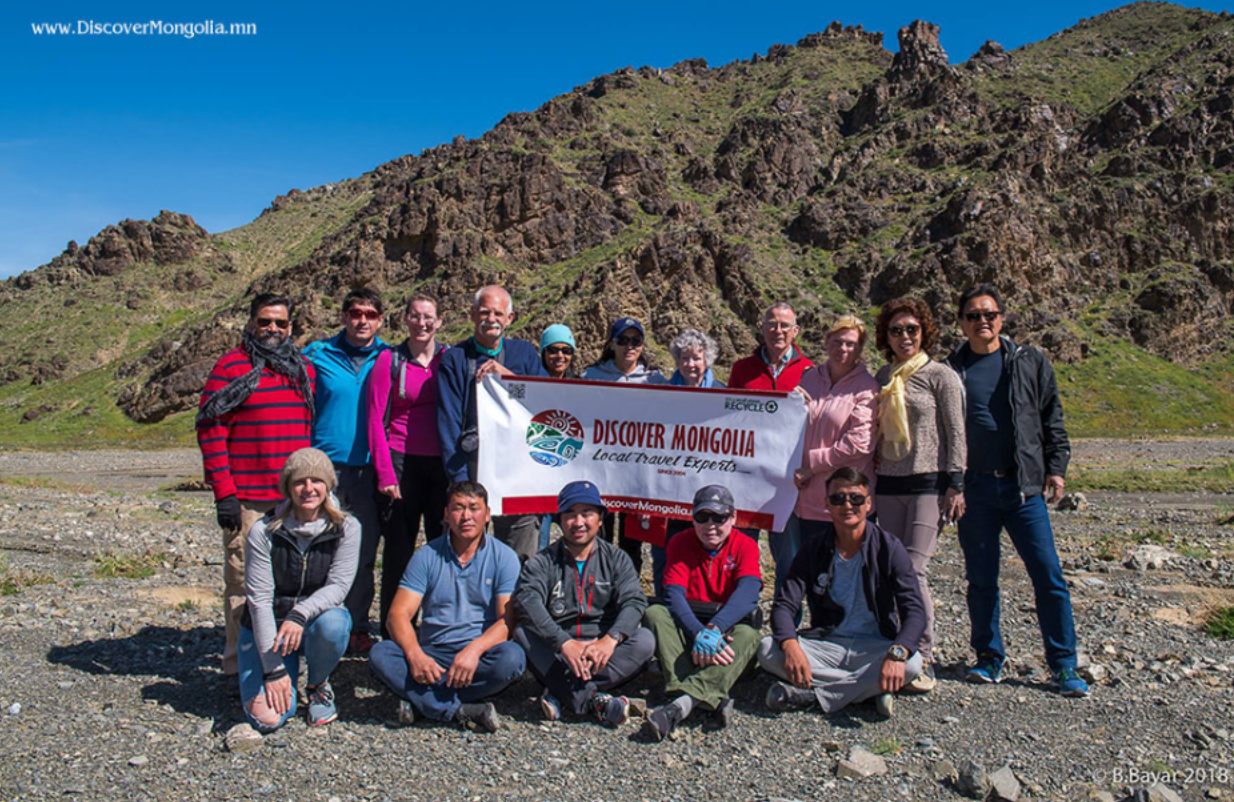
The good news? Every single mistake on this list is preventable with the right preparation. We Discover Mongolia Travel company have compiled these ten pitfalls from two decades of guiding international travellers across Mongolia — from the Gobi Desert to the Altai Mountains, from luxury tented camps to remote nomadic ger stays. Read this guide before you pack, and you will arrive ready for one of the most rewarding adventures on earth.
Mongolia is marketed as a summer destination — golden steppe, wild horses, open skies. And it is stunning in summer. But even in July, temperatures at altitude can drop to 5°C overnight, and travelers who pack only T-shirts and light trousers find themselves shivering in their ger at midnight. The full picture is starker. Ulaanbaatar is the world's coldest capital city by average annual temperature, sitting at just 0.2°C across the year. In January, the city averages −26°C, with recorded lows reaching −40°C in freezing cold snaps. Wind chill makes it worse. In rural areas, heated transport between stops is never guaranteed, and vehicle heating is entirely dependent on a running engine, meaning an unexpected breakdown.
Frostbite risk begins at around −15°C with any wind exposure, affecting fingers, toes, nose, and ears within minutes. Even experienced travelers are caught out — they assume being inside a vehicle is protection, but Mongolian jeeps break down, and the steppe offers no shelter. Even for summer visitors, the rule is simple: always pack a quality down jacket, thermal base layers, and waterproof outer layer, regardless of the season. If you are visiting between October and April, treat the cold as a life-safety issue, not a comfort one.
In the capital city, Ulaanbaatar (UB), you can use Visa and Mastercard at most hotels, high-end restaurants, and supermarkets. However, as you leave the city, the card becomes less usable .
Small village shops and nomadic families selling handmade crafts or camel rides do not have card machines. Many do not have reliable internet to process digital transfers.
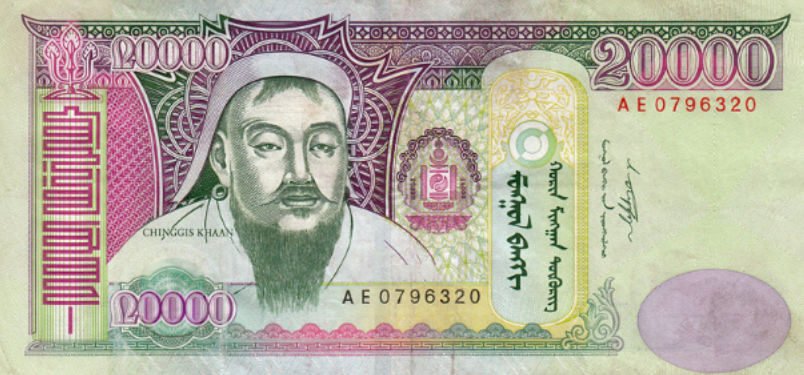
Outside of Ulaanbaatar, Mongolia is a cash economy. Full stop. Rural ger camps, local markets, national park entry points, roadside fuel stops, and nomadic families do not have card readers. Even in the capital, many smaller restaurants, guesthouses, and shops prefer cash.
2026 Currency Tips:
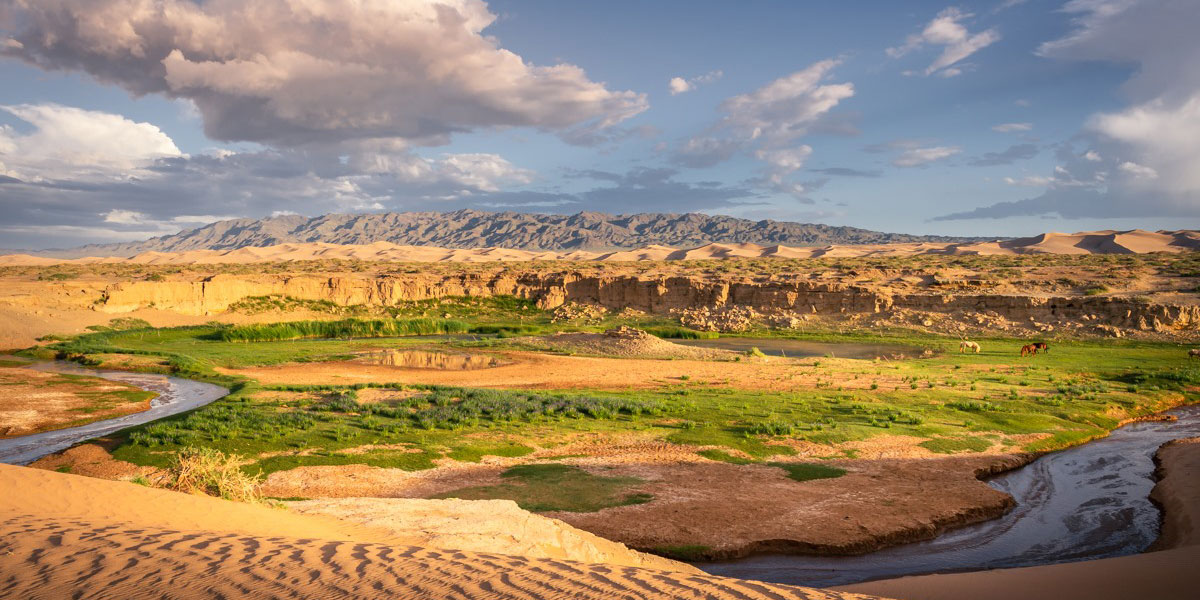
Mongolia has approximately 12,000 km of paved roads — in a country covering 1.56 million km². That is roughly one metre of paved road for every 130 square metres of land. The rest of the network consists of dirt tracks, seasonal paths, and open steppes where drivers simply navigate by landmarks and experience.
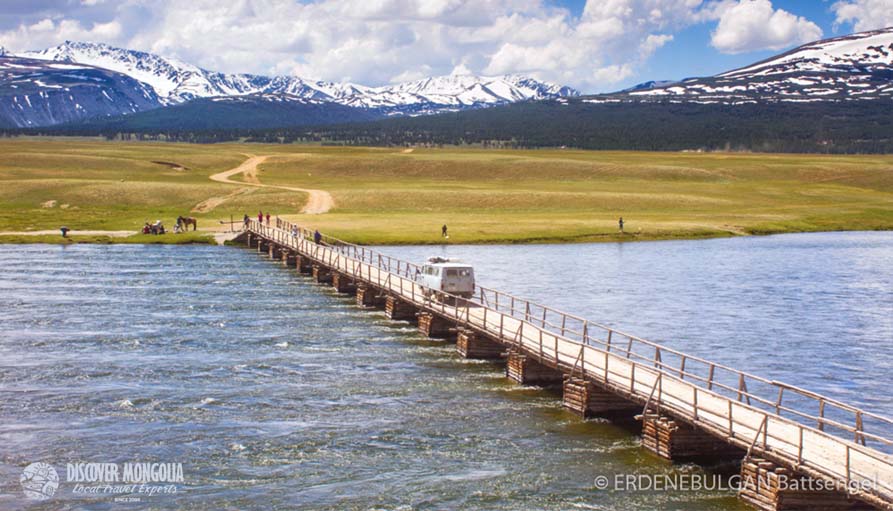
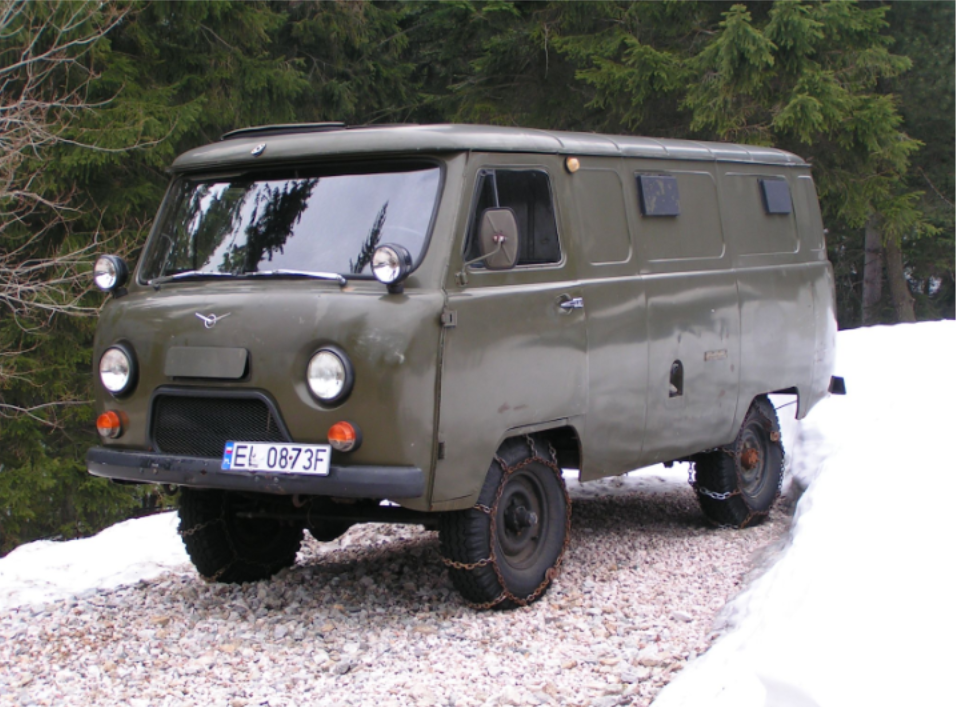
Google Maps distances in Mongolia are almost meaningless. A journey shown as 100 km may take 4 to 6 hours due to the road surface, river crossings, soft sand sections, or the need to navigate around impassable terrain. Flat tyres are common — a serious off-road journey will typically see at least one. River crossings without bridges add further unpredictability depending on the season and rainfall.
The golden rule: always ask locals and experienced drivers how long a route takes in hours, never in kilometres. Then add a 50% time buffer to whatever figure you receive. Rigid itineraries with fixed daily distances are the most common cause of unnecessary stress in Mongolia.
Mongolian nomadic culture has a rich and specific set of customs around hospitality, the home (ger), and social interaction. Violating these is rarely dangerous, but it creates awkwardness, signals disrespect and can genuinely upset your hosts. Understanding the basics turns a polite visit into a genuine cultural exchange.
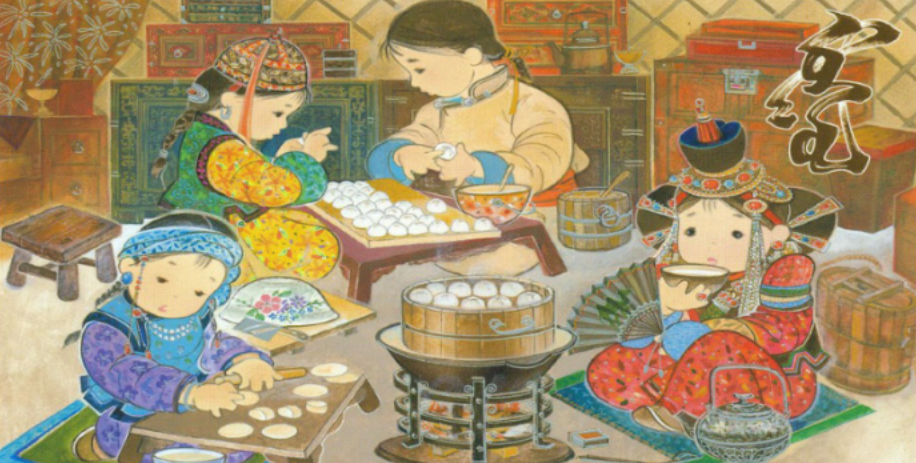
• Do not step on the threshold (bosgo) of a ger — it symbolizes the neck of the building and is considered deeply inauspicious. Always step over it.
• Do not lean against the support poles (toono poles) inside a ger.
• Always accept food and drink with your right hand, or with both hands supported at the elbow — never the left hand alone.
• Do not whistle inside a ger.
• Move clockwise inside a ger when walking between areas.
• When offered a snuff bottle, accept it with your right hand, bring it to your nose, and return it the same way.
• The Mongolian handshake can involve a light touch of the forearm under the elbow — if your host does this, reciprocate.
• Do not point your feet toward the central hearth.
• When offered food or drink, accept at least a small amount — declining outright is considered rude. A small bite or sip is perfectly acceptable even if you don't want more.
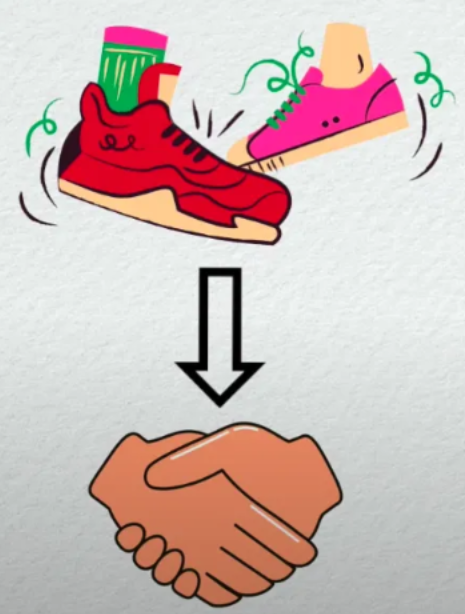
There is also a unique custom called the handshake rule. If you accidentally bump someone's foot with your foot, you must shake their hand immediately. This shows that the touch was an accident and that you are a friend.
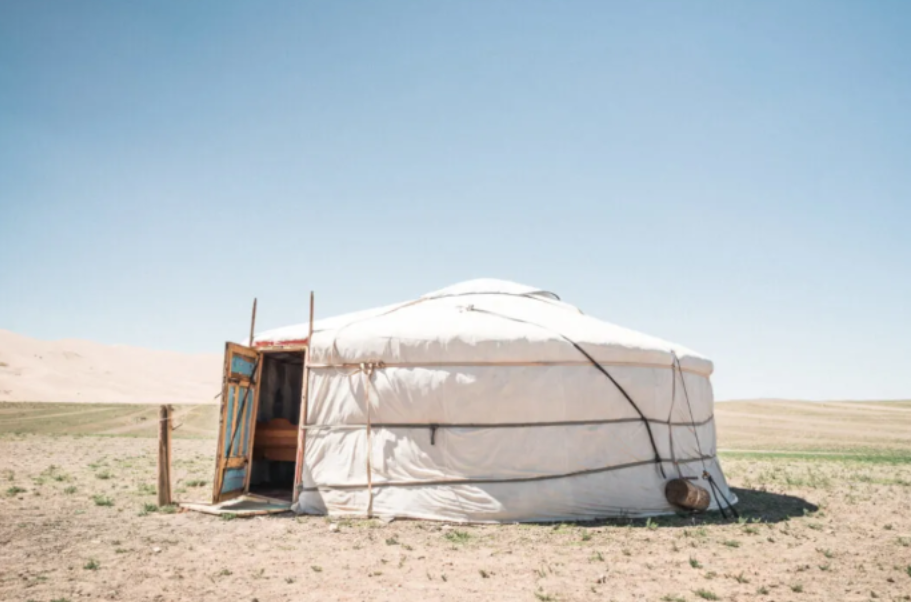
You should also be careful when entering a traditional ger. Never step on the threshold, which is the wooden bottom of the door. Always step over it. Stepping on the threshold is seen as a sign of disrespect to the owner of the home.
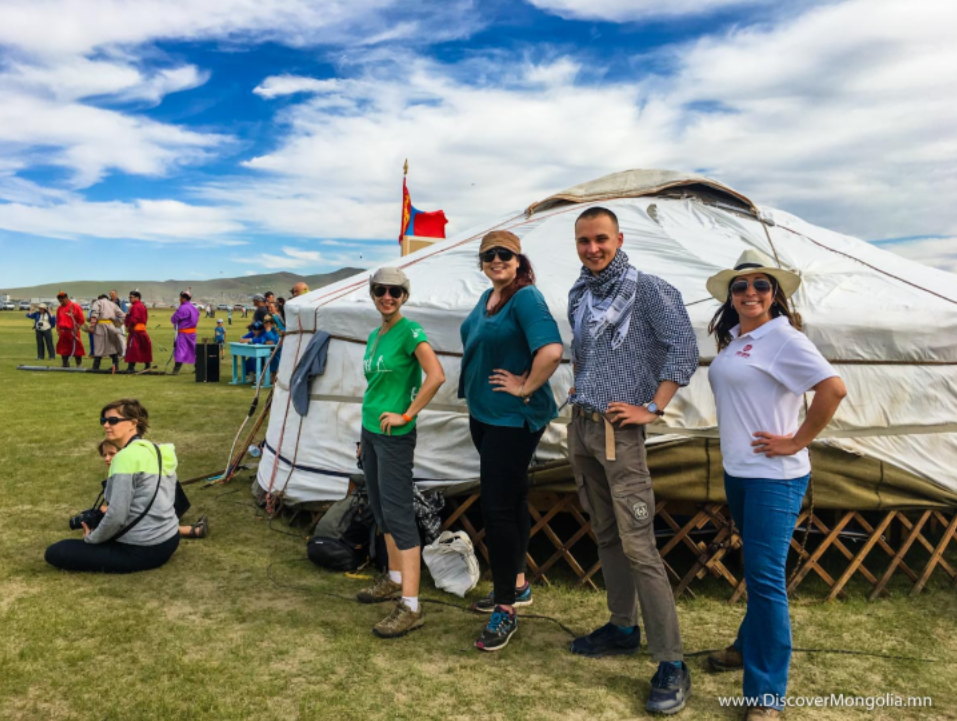
These small actions help you connect better with your hosts.
Mongolia is a very safe country for people because there is very little crime against tourists. However, nature can be dangerous if you are alone. Renting a car and driving into the desert without a local guide is a big mistake. You will lose your phone signal very quickly. GPS is not always accurate on dirt tracks that change after a heavy rain. If your car breaks down, you might be alone for a long time.
The answer depends heavily on where and how. Ulaanbaatar is generally safe by international standards, though petty theft — pickpocketing in crowded areas, bag snatching near the Naran Tuul Black Market — is a reality, as in any capital city. Violent crime against tourists is rare.
Rural Mongolia is a different matter. Beyond the capital, there is no mobile phone coverage across vast areas, no roadside assistance, no functioning GPS navigation beyond downloaded offline maps, and no medical infrastructure for hours or days of travel. Getting stuck without a guide and a functioning 4WD vehicle is a genuine emergency. Navigation in open steppe requires local experience that most foreign travellers simply do not have.
Solo female travellers face additional considerations. While Mongolia is generally respectful, hitchhiking in rural areas carries real risks and is strongly discouraged. A professional local guide and a pre-arranged vehicle are not optional extras for rural travel — they are the difference between a safe adventure and a dangerous situation.
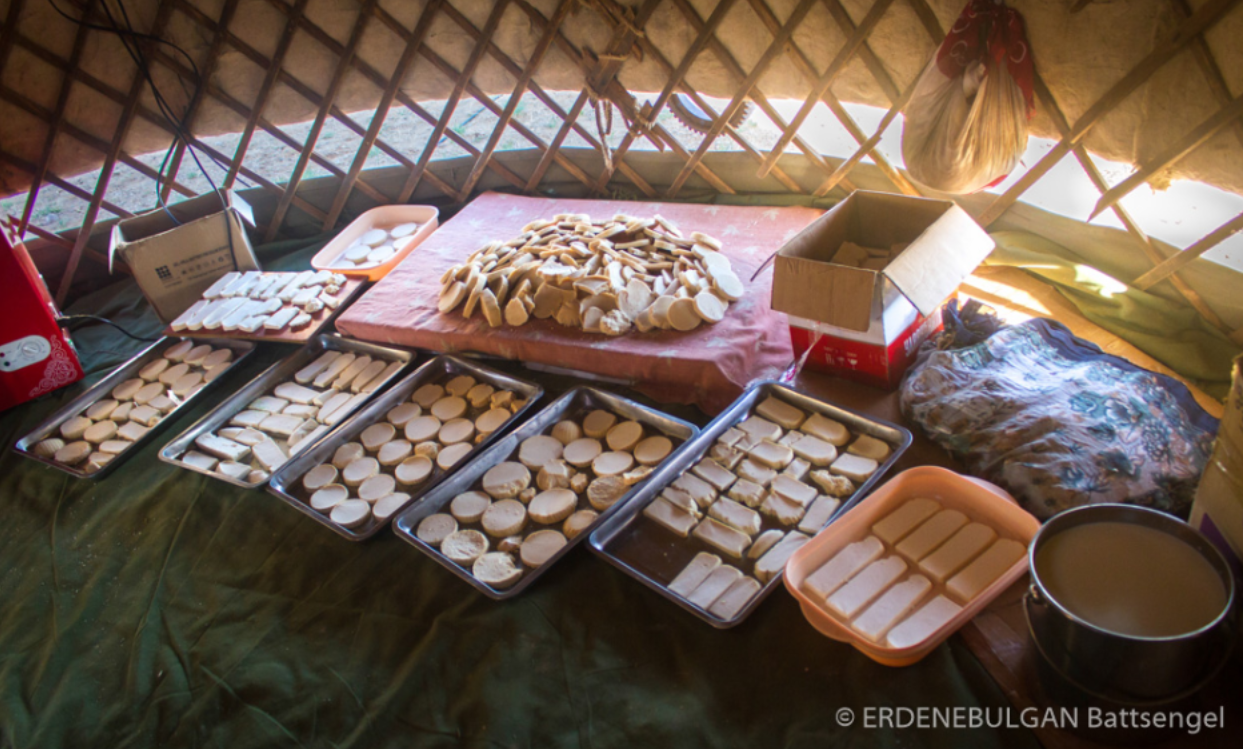
Tsagaan Idee (цагаан хоол) translates as “white items/products” — it refers to the dairy products that form a central part of the traditional Mongolian diet, especially in summer when dairy production is high. These include aaruul (dried curd, often very hard and sour), tarag (yogurt), airag (fermented mare's milk with a low alcohol content), and öröm (cream).
The broader nomadic diet is heavy on meat and dairy, with mutton, beef, and horse meat as staples. Vegetables appear mainly in soups. For vegetarians and vegans, rural Mongolia presents a genuine challenge: the concept of a meat-free diet is foreign to many nomadic communities, and communicating dietary restrictions requires advance planning.
In Ulaanbaatar, the situation is entirely different — the city has Indian restaurants, Korean food halls, European bistros, and dedicated vegetarian menus. The key is to notify your tour operator of dietary requirements well in advance. A good operator will brief ger camp cooks and carry supplementary food for rural stays. If you simply arrive and expect to be catered for, you may find yourself eating plain rice and bread for several days.
IMPORTANT: If you have a strict diet, you should bring your own fiber and vitamins. Fresh salads are very hard to find in remote ger camps because vegetables do not grow well on the steppe.
A standard hard-shell suitcase is one of the least appropriate luggage choices for Mongolia. Traditional gers have limited floor space and narrow doorways, and overstuffed suitcases are awkward to store and transport. Mongolian domestic airlines — which connect Ulaanbaatar to provincial centres — typically enforce strict luggage limits of 15 to 20 kg, and excess baggage fees can be significant.
The recommendation is a soft-sided duffel bag or a quality hiking backpack. These can be squeezed into overhead compartments on small aircraft, strapped to the roof of a jeep, or pushed under a ger bed without difficulty. Pack lightweight layering systems rather than a few heavy bulky garments — a set of thermal base layers, a mid-layer fleece, and a waterproof outer shell covers almost every weather scenario and weighs less than a single heavy coat.
A daypack for excursions — photography walks, archaeological sites, city sightseeing — is equally important. It frees your hands, protects your camera, and ensures you always have water and snacks on longer walks.
Is it Mongolia dangerous for tourists?
No, Mongolia consistently ranks as a safe destination for international travelers. The main risks are accidents (vehicle breakdowns, extreme weather, remoteness) rather than crime. Ulaanbaatar has occasional petty theft in crowded areas, particularly around the Narantuul Market. Violent crime against tourists is rare. Rural Mongolia is safe in terms of crime but carries genuine risks of isolation and accident without a guide.
What vaccinations do I need for Mongolia?
Consult your doctor or travel health clinic at least 6 weeks before departure. Commonly recommended vaccinations include Hepatitis A and B, Typhoid, and — if you are trekking in forested northern regions — tick-borne encephalitis. If you are in areas with wildlife contact, consider rabies vaccination (Mongolia has rabies in wildlife populations). No vaccinations are mandatory for entry. Carry a standard travel first aid kit including broad-spectrum antibiotics on prescription.
Should I tip in Mongolia?
Tipping is not a traditional practice in Mongolian culture but is welcomed and appreciated. A 10% tip in restaurants is a generous gesture. For guides, $10–20 USD per day is appropriate; for drivers, $5–10 USD per day. Ger camp staff do not typically expect tips but will appreciate them. These contributions make a real difference to the income of local workers.
Can I drink tap water in Mongolia?
Can I drink tap water in Mongolia? In Ulaanbaatar, tap water is technically treated, but most locals and experienced travelers drink bottled water. In rural areas, water comes from rivers, springs, and wells and must always be purified before drinking. Bottled water is cheap and widely available in towns and at ger camps. Carry a water purification filter or iodine tablets as backup on long rural journeys.
What are the biggest health risks in Mongolia?
Altitude-related symptoms can affect visitors in western Mongolia's mountain areas (above 3,000m). Intense UV radiation at high altitude causes rapid sunburn — wear high-SPF sunscreen and protective clothing. Dehydration is common due to the dry continental climate; drink more water than you think you need. Food-borne illness from undercooked or raw meat is a risk — eat at reputable camps and restaurants and avoid raw meat products.
What documents do I need to travel in Mongolia?
A valid passport with at least 6 months' validity from your date of entry is required. Citizens of over 60 countries—including EU member states, the UK, and Australia—are exempt from visa requirements for tourist stays up to 30 days under a temporary waiver active through December 31, 2026. US citizens are exempt for up to 90 days. Some national parks and protected border zones require special permits, which a reputable tour operator handles automatically. No driving license is required if you use a hired local driver, but you must carry an International Driving Permit (IDP) if you plan to drive yourself
Discover Mongolia has organized tailor-made tours since 2004.
We handle flights, accommodation, guides, vehicles — you focus on the journey.