How to Travel to Mongolia from the USA or Canada in 2026: Flights, Visas & Routes
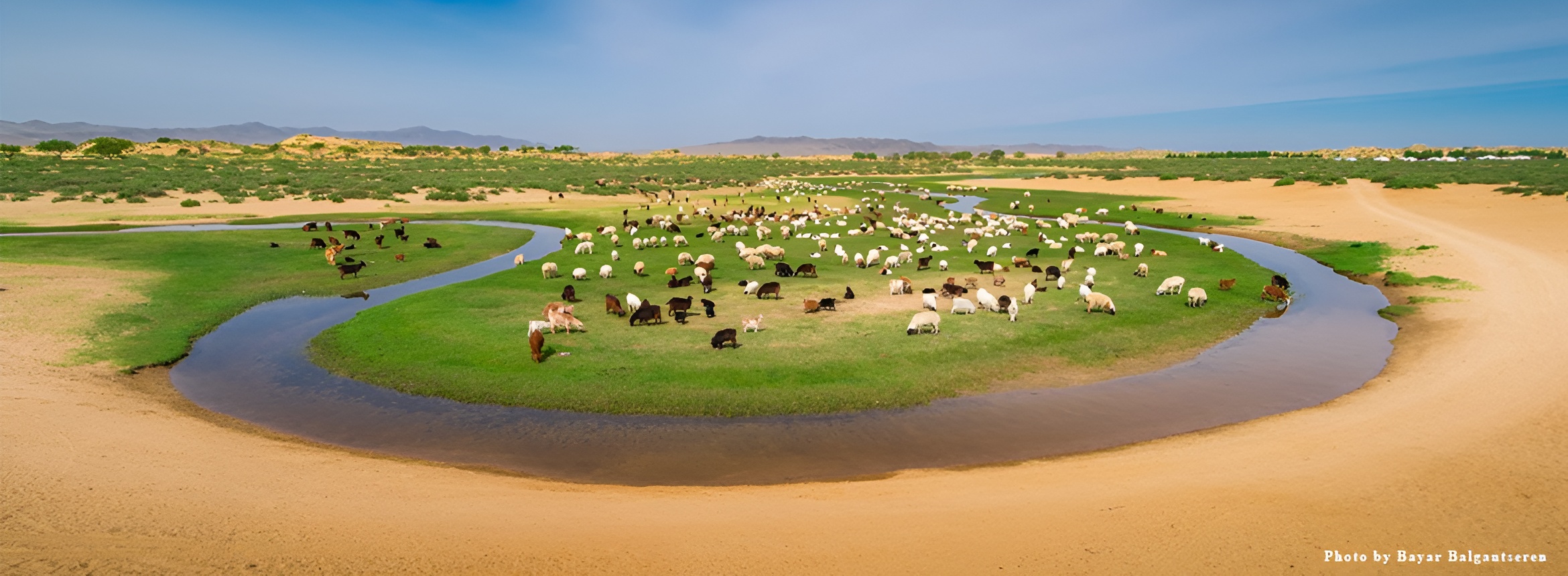
Mongolia is a landlocked country in East-Central Asia, bordering Russia and China, covering 1.56 million square kilometers with a population of 3.4 million. The best time to visit is June to August for warm weather, or January to February for the Tsagaan Sar festival. A 30-day visa on arrival is available for most nationalities at Ulaanbaatar's Chinggis Khaan International Airport.
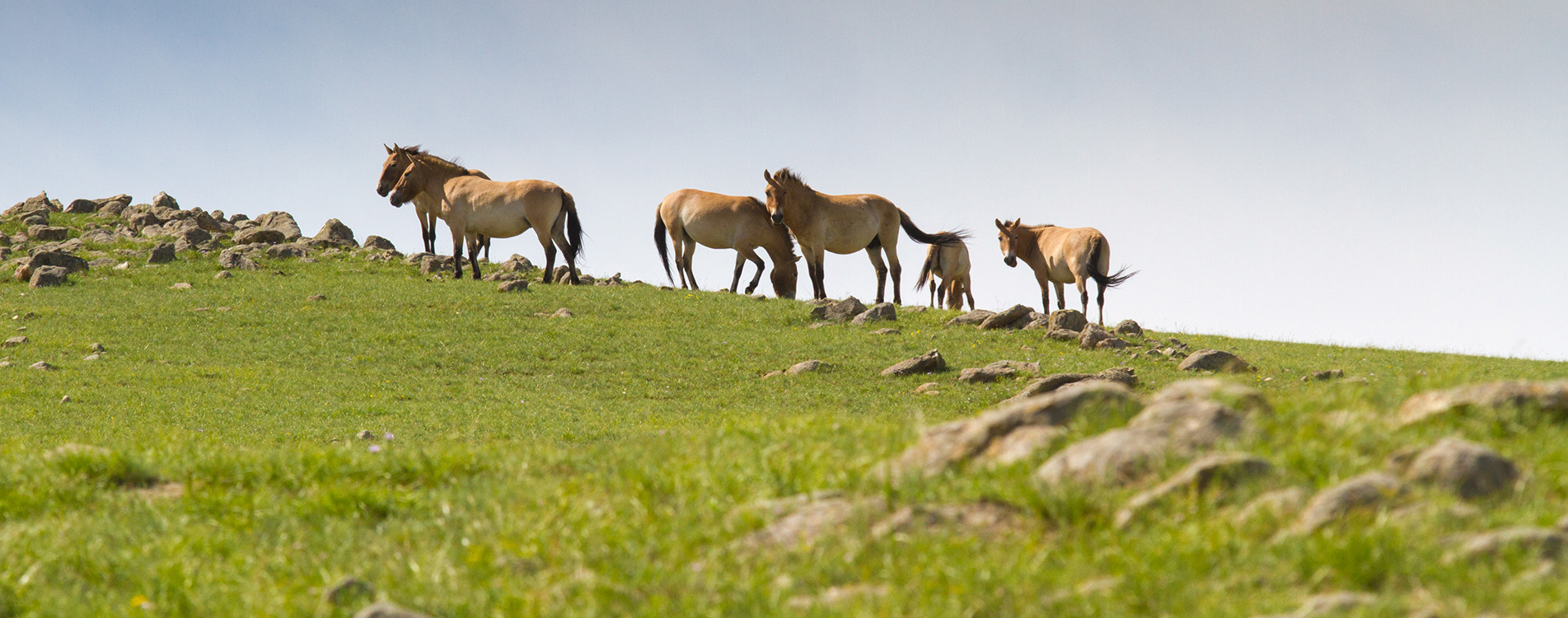
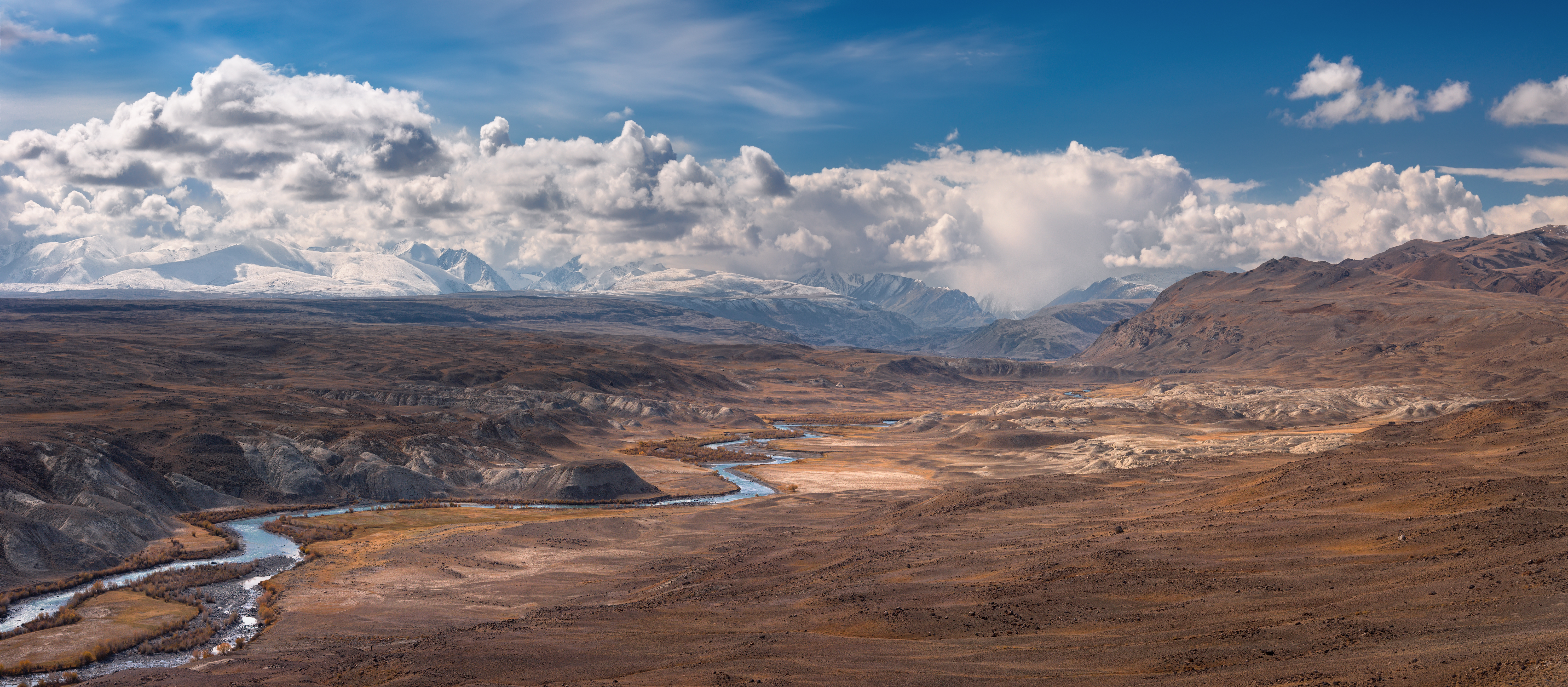
Mongolia is one of the last great wilderness frontiers on earth. Stretching across 1.56 million square kilometers between Russia to the north and China to the south, it is the world's most sparsely populated sovereign nation.
With just 3.56 million people spread across a land mass three times the size of France
While roughly 40% of the workforce is tied to agriculture/pastoral herding, rapid urbanization means only 20% to 25% of the population live a strictly traditional nomadic or semi-nomadic lifestyle today.
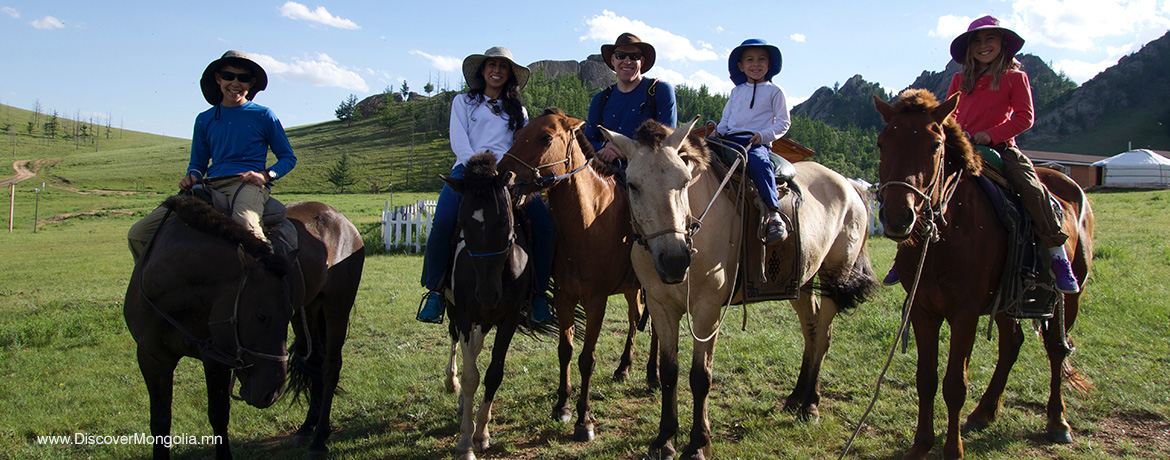
What makes Mongolia extraordinary for travelers is precisely what makes it logistically challenging: the sheer scale of the country, the near-total absence of tourist infrastructure outside Ulaanbaatar, and the untouched quality of its landscapes. You will drive for hours across open steppes without seeing another vehicle. You will sleep in a traditional felt tent (ger) while wolves call in the distance.
You will share fermented mare's milk with a family who has never met a foreigner before. These are experiences that are genuinely difficult to find anywhere else in the world in 2026.This guide covers everything a first-time visitor needs to know: how to get there, visa requirements, when to visit, where to go, how much to budget, what to pack, and the cultural customs that will earn you genuine respect from your Mongolian hosts.
All information has been compiled by the team at Discover Mongolia, who have been organizing tours throughout the country since 2004.
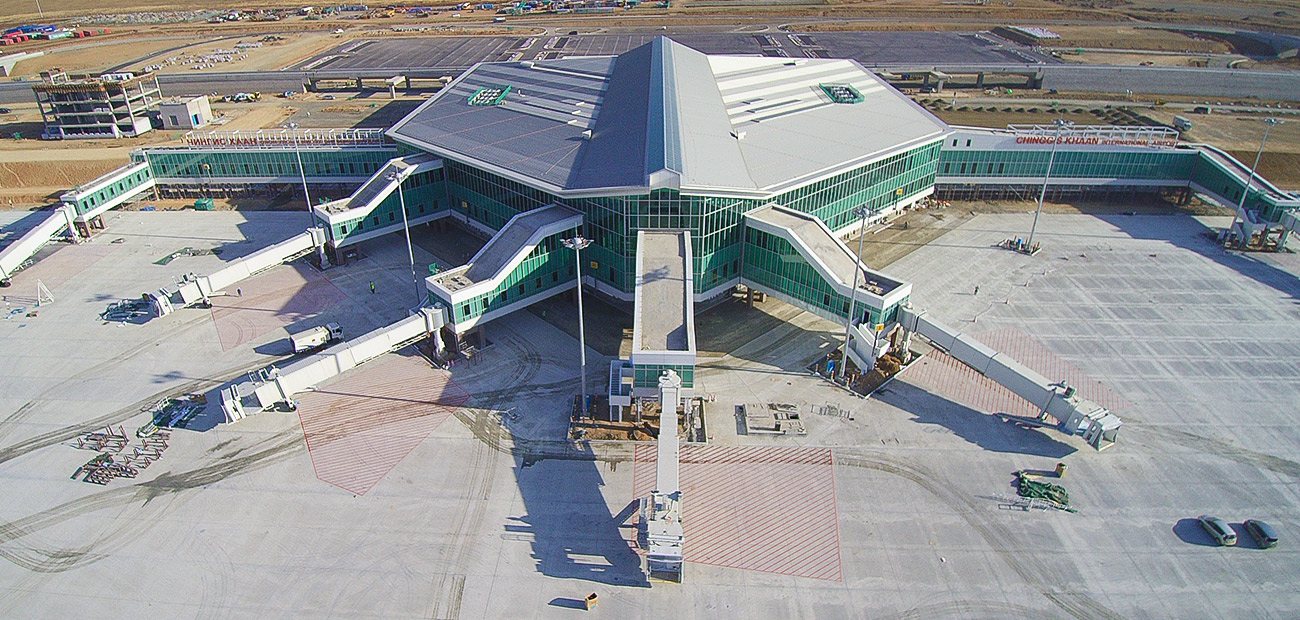
Mongolia's main international gateway is Chinggis Khaan International Airport, which opened its new terminal in 2021 and is located approximately 50 kilometres southwest of Ulaanbaatar city centre. The drive to the city takes 40 to 60 minutes depending on traffic. A taxi costs approximately 100,000 to 150,000 MNT (around $28 to $42 USD).
MIAT Mongolian Airlines is the national carrier and operates regular international routes. The most common routes to Mongolia are:
Travellers from London typically reach Mongolia with one stop, most commonly via Istanbul, Frankfurt, Seoul, or Beijing, with a total journey time of 12–15 hours. From Los Angeles, most itineraries connect through Seoul, Tokyo, or Istanbul and usually take 15–18 hours, depending on connection times.
Domestic flights within Mongolia are operated by Hunnu Air, Aero Mongolia, and MIAT, connecting Ulaanbaatar with destinations such as Dalanzadgad, Murun, Khovd, Ulgii, and Choibalsan. One-way domestic fares generally range from with prices typically $100 to $250 one way.
Visa-free for citizens of 64 countries
Visa-free for citizens of 64 countries Visitors from the USA, UK, EU countries, Canada, Australia, Japan, South Korea and many others can stay up to 30 days visa-free. This includes citizens of the United States, most European Union member states, United Kingdom, Canada, Australia, Japan, South Korea, and many others. The official and up-to-date list is maintained at immigration.gov.mn.
For citizens of countries not on the visa-free list, two main options are available:
• E-Visa: Available online at e-visa.mn. Processing takes approximately 3 to 7 business days. Cost is typically $50 USD. Valid for a single entry and stay of up to 30 days.
• Visa on Arrival: Mongolia does not issue standard tourist Visas on Arrival at the airport. Travelers from non-exempt nations must secure an e-visa online before boarding.
all foreign nationals staying more than 48 hours must have their host or hotel register their address online within 48 hours of arrival. Immigration registration is managed entirely by the Immigration Agency of Mongolia.
Mongolia has a classic continental climate: short warm summers and extremely cold dry winters. The country's average altitude of 1,580 metres above sea level intensifies both the summer sunshine and the winter cold. The following temperature guide covers Ulaanbaatar:
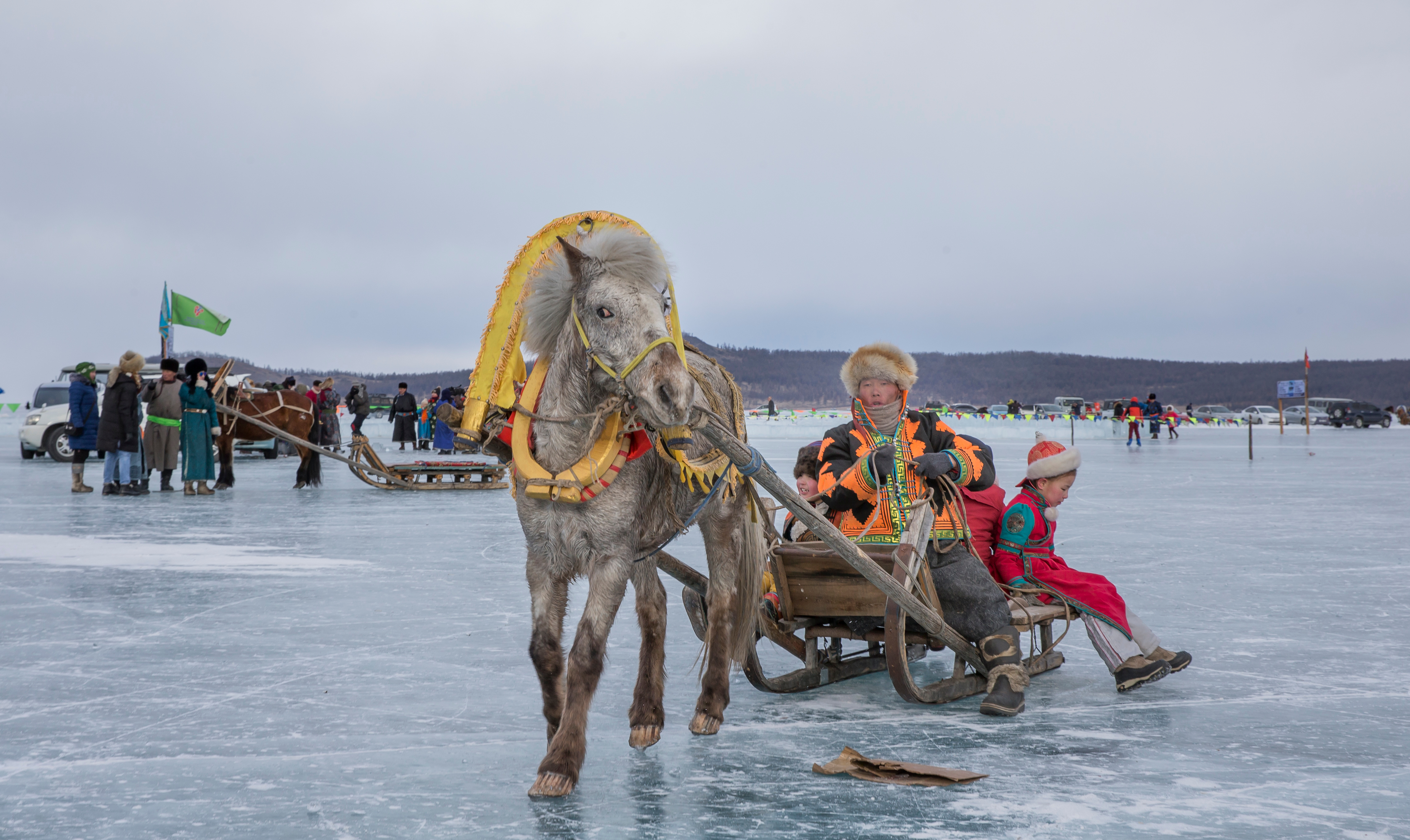
The Naadam Festival (July 11 to 13) is Mongolia's most iconic event, featuring wrestling, horse racing, and archery held at the National Stadium in Ulaanbaatar. Book accommodation 4 to 6 months in advance for Naadam week. The Golden Eagle Festival in Bayan-Ulgii (typically the first or second weekend of October) showcases Kazakh eagle hunters and their birds.
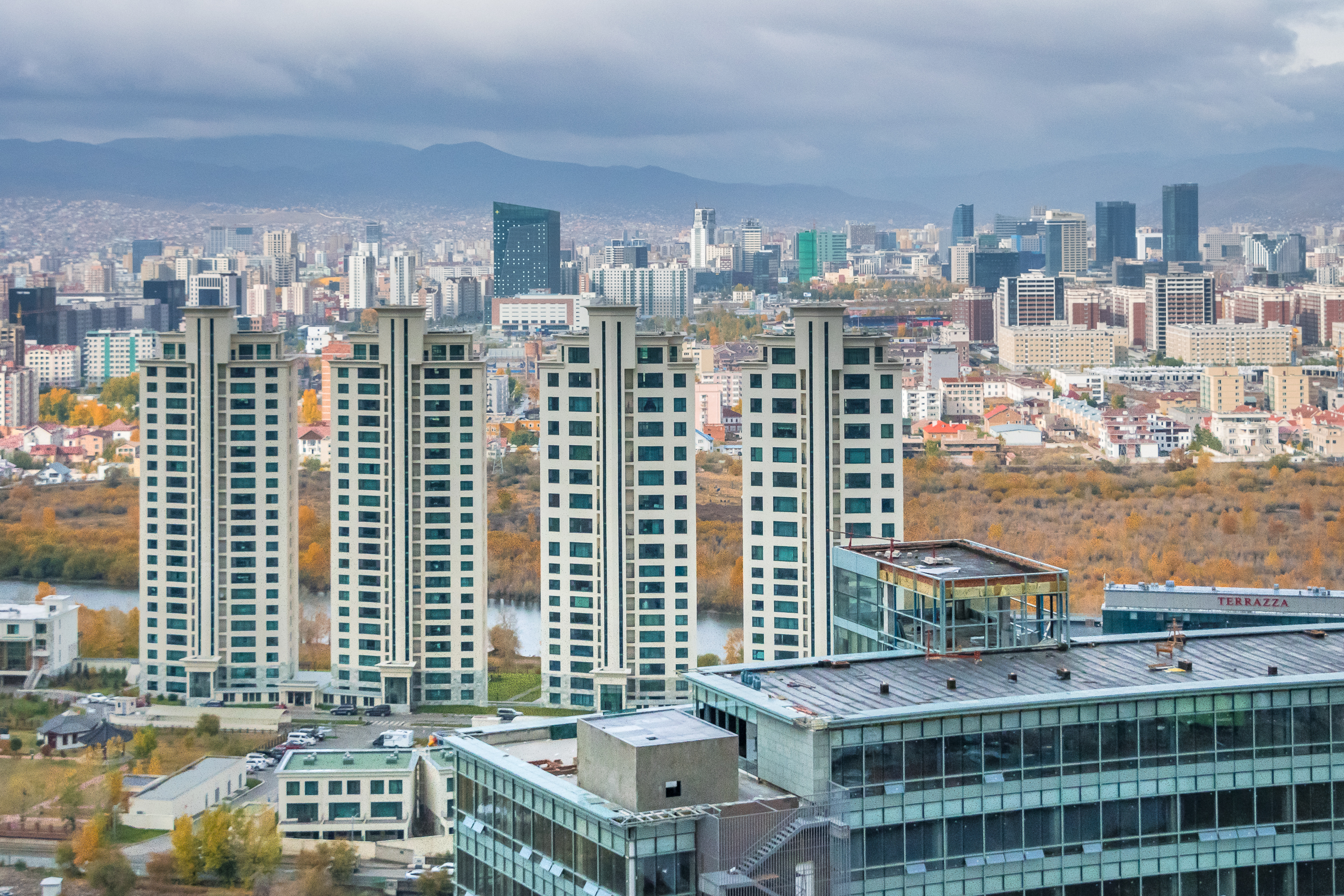
1. Ulaanbaatar: The capital city, home to 1.6 million people. Key sights include Gandantegchinlen Monastery, the National Museum of Mongolia, Sukhbaatar Square, and Choijin Lama Temple Museum.
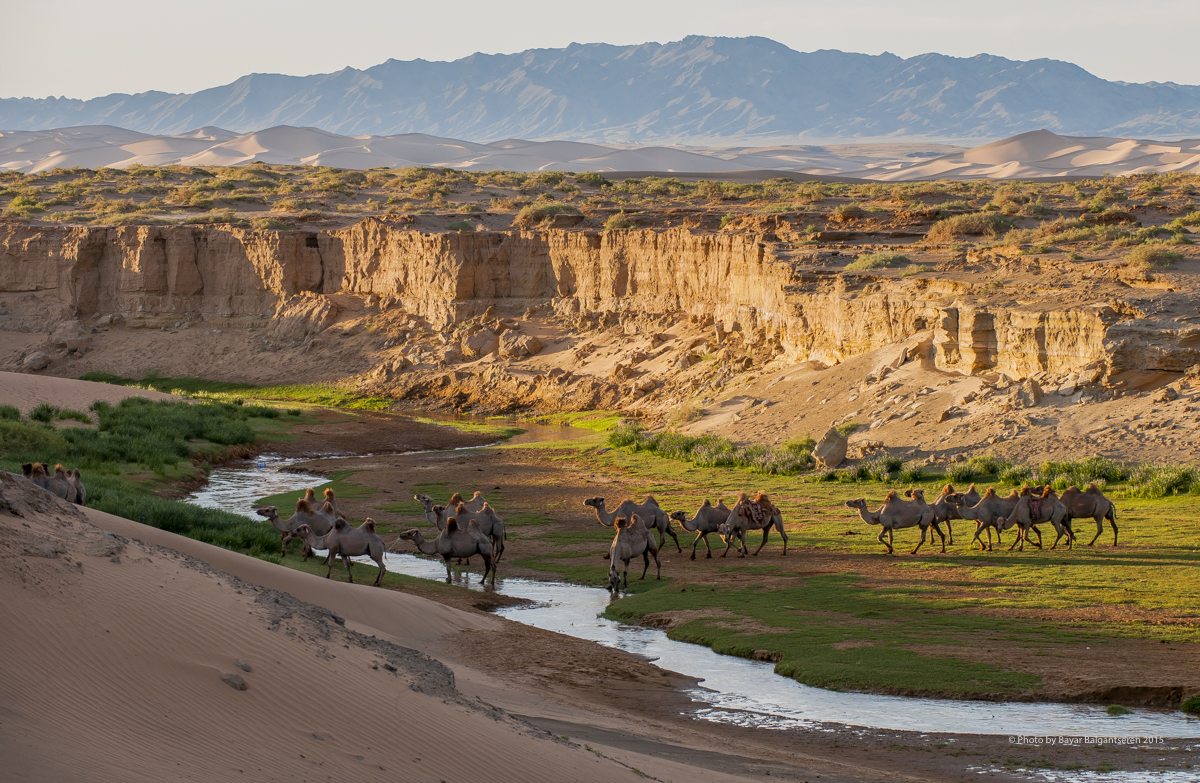
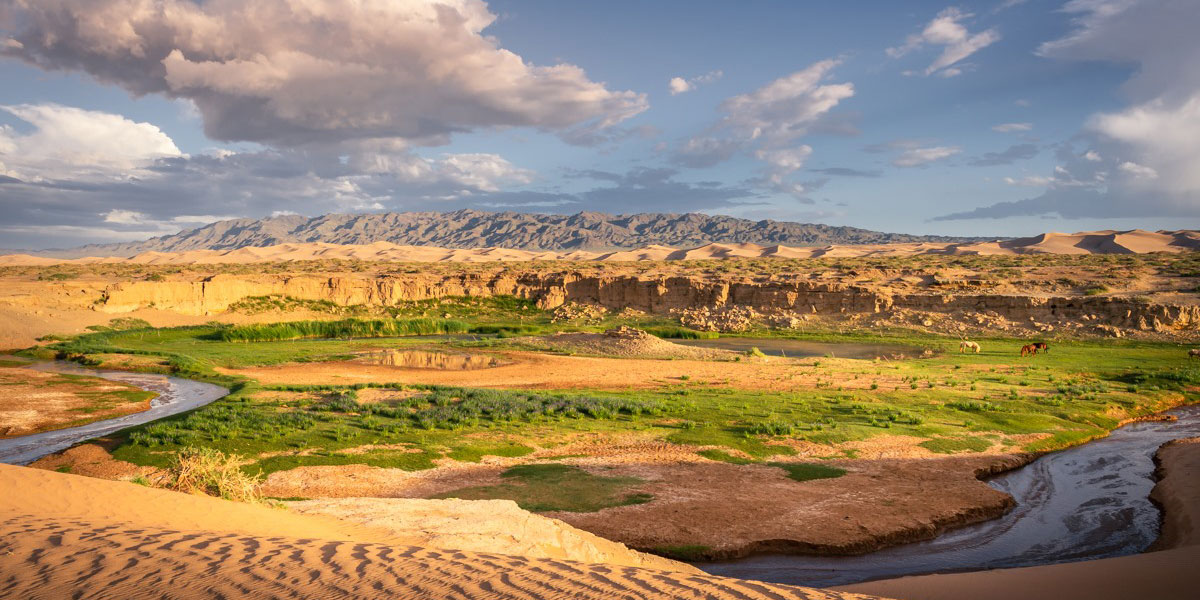
2. Gobi Desert: 600-650km south of UB. Includes Khongoryn Els sand dunes (180 km long, up to 300m high), Yolyn Am ice canyon, and Bayanzag Flaming Cliffs where dinosaur eggs were first discovered in 1923.
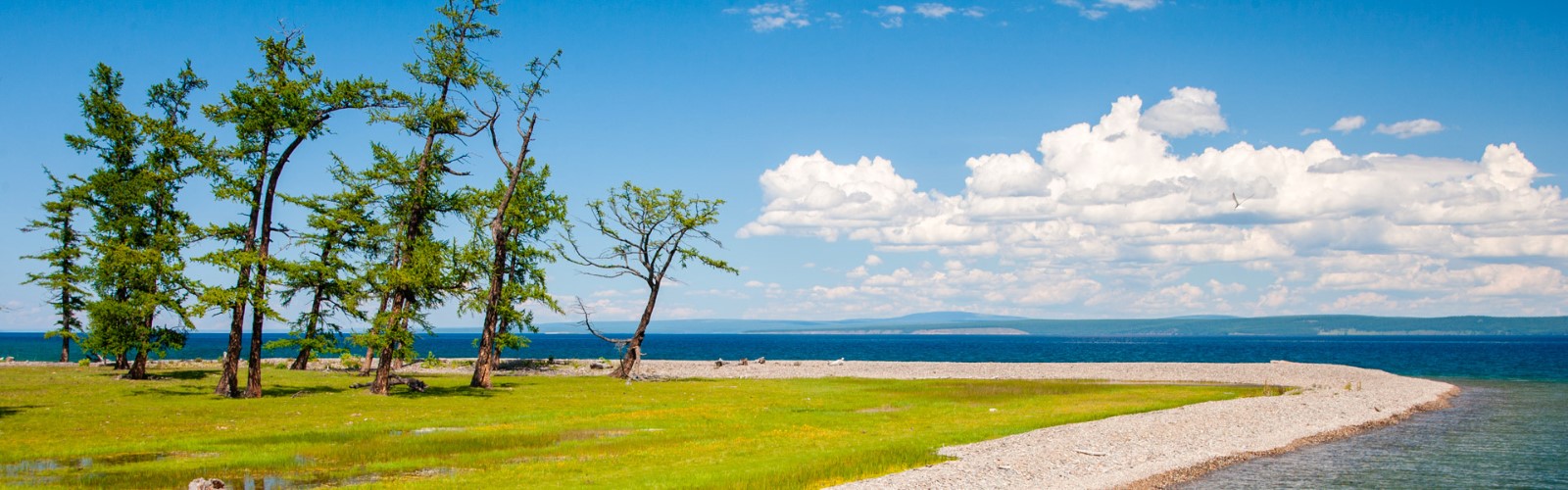
3. Lake Khuvsgul: 778 km north of UB. The second-largest freshwater lake in Asia by volume. 136 km long, 262 metres deep, at 1,645 metres altitude. Ringed by mountains and taiga forest.
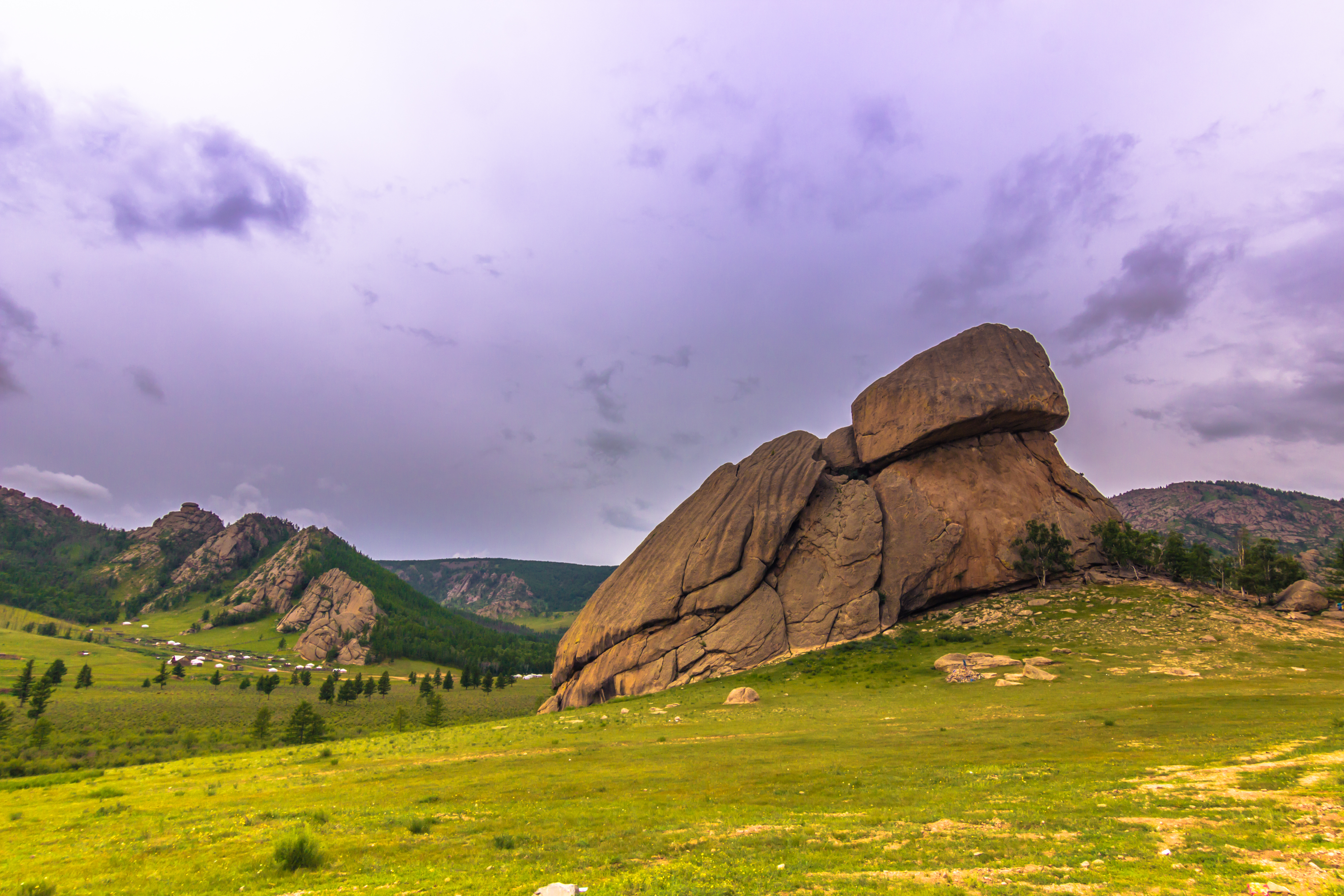
4. Terelj National Park: 55 km east of UB. Famous for Turtle Rock granite formations and Aryapala Buddhist Monastery. Ideal for 1 to 3 day trips.
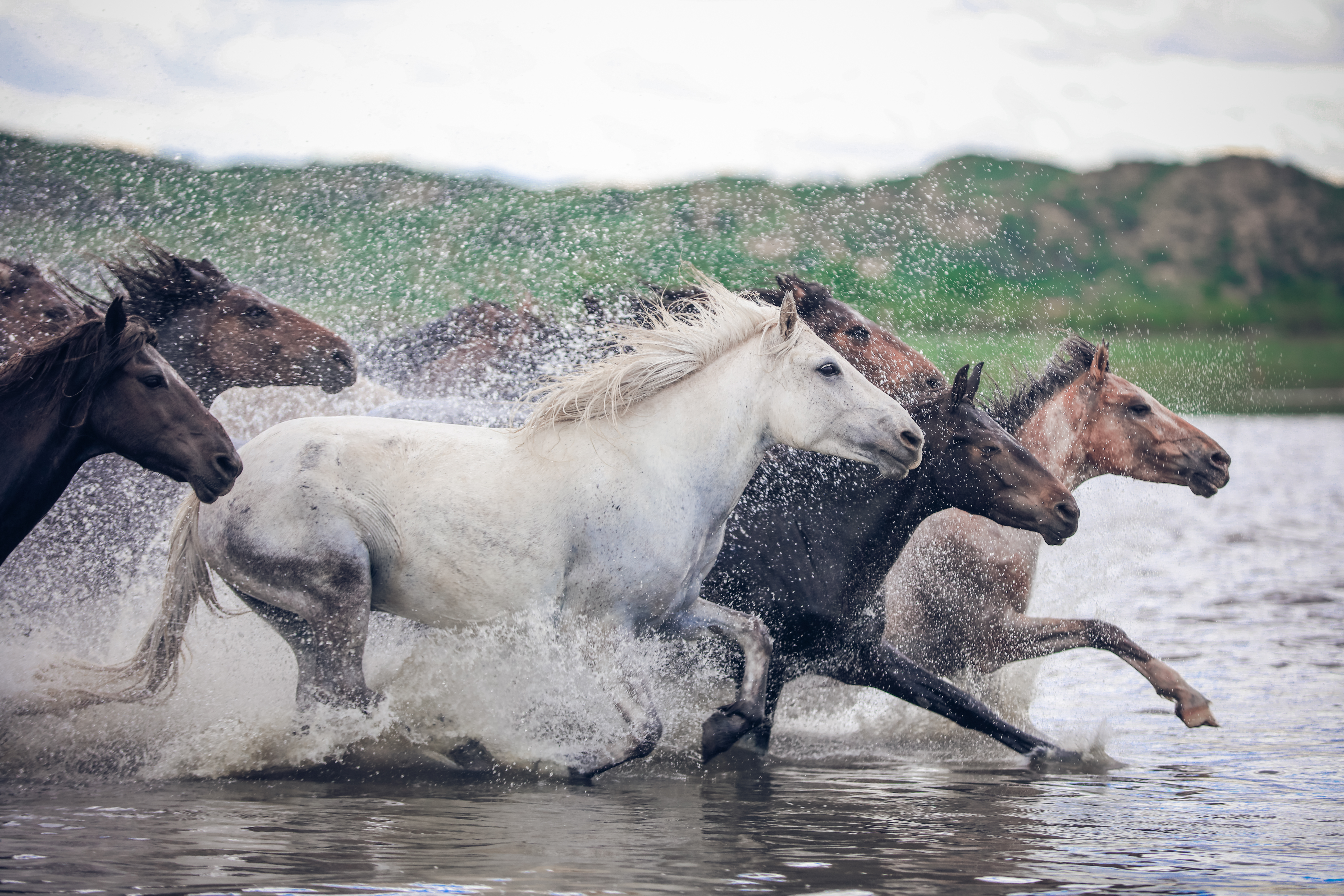
5. Hustai National Park: 100 km southwest of UB. Home to reintroduced Przewalski horses (takhi), the world's last truly wild horse species. 900 km2 of protected steppe.
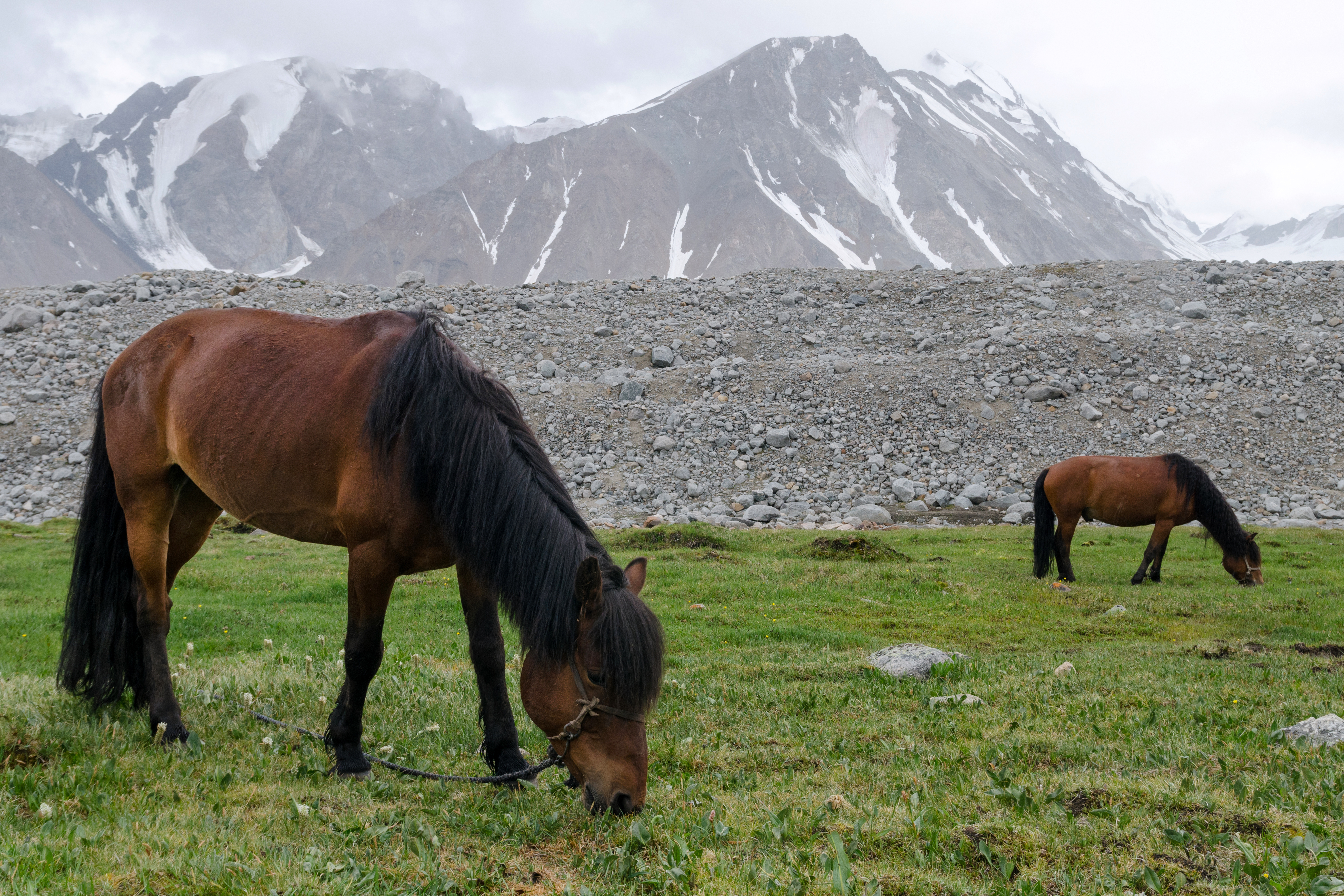
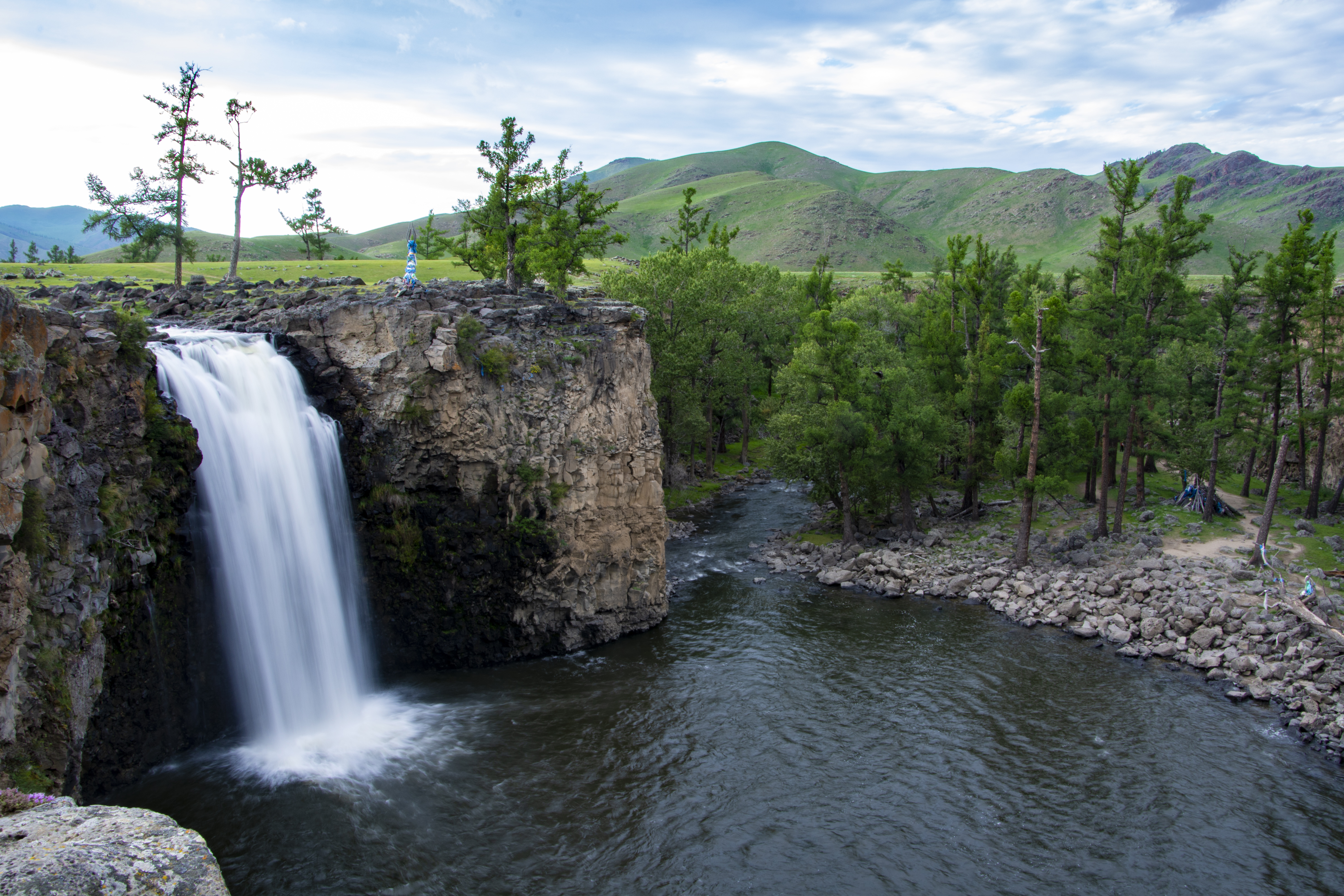
6. Khangai Mountains: 700 km west of UB. Dominated by Otgontenger Peak (4,031 m). Notable for Orkhon Waterfalls (20m drop), White Lake (Tsagaan Nuur), and ancient Tuvkhun Monastery.
7. Altai Mountains / Bayan-Ulgii: 1,700 km west of UB (fly). Home to Kazakh eagle hunters. Khuiten Peak (4,374 m) is Mongolia's highest mountain. Golden Eagle Festival in October.
8. Orkhon Valley: 360 km west of UB. UNESCO World Heritage Site. Ancient capital Karakorum (Kharkhorum) and Erdene Zuu Monastery with its 108 stupas.
Most remote destinations do not accept card payment. Carry USD for large purchases and Mongolian Tugrik (MNT) for everyday expenses. The exchange rate by July, 2026 is approximately 1 USD to 3,580 MNT.
• Layered clothing: Summer temperatures swing dramatically -- up to 28C during the day, dropping to 5 to 8C at night on the steppe. Pack a base layer, fleece mid-layer, and a wind/waterproof outer shell.
• High-SPF sunscreen (SPF 50+): Mongolia's high altitude intensifies UV radiation significantly.
• Cash in USD and Mongolian Tugrik: ATMs exist in Ulaanbaatar and some aimag centres but are absent in rural areas. Convert enough cash before leaving UB.
• Offline maps: Download Mongolia maps on Maps.me or Gaia GPS before leaving Ulaanbaatar. Mobile data is unreliable outside towns.
• Sturdy hiking boots with ankle support for trekking and sand dune climbing.
• Dust buff or neck gaiter: The Mongolian steppe kicks up significant dust, especially during vehicle travel.
• Water purification tablets or a Lifestraw for river and stream water during remote trekking.
• Small padlock for ger camp accommodation: Most gers do not have locking doors.
• Greet with your right hand extended, or with both hands palm-up under your right elbow to show respect.
• When entering a ger, step over (never on) the threshold at the door.
• Walk clockwise inside a ger after entering. Men sit on the left (western) side, women on the right (eastern) side.
• Always accept offered food and drink with your right hand, or with both hands.
• Do not whistle inside a ger -- it is believed to bring bad spirits.
• At a sacred ovoo (stone cairn), circle it clockwise three times and leave an offering for good luck and safe travel.
• Never point your feet toward the hearth (central stove) of a ger -- the fire is sacred.
Is Mongolia safe for tourists?
Yes, Mongolia is generally a safe destination for international travellers. Violent crime against tourists is rare. The main practical risks are road conditions (many routes are unpaved tracks with no signage), extreme weather, and the significant distance from medical facilities in rural areas. Travel insurance with emergency evacuation coverage is strongly recommended.
What currency does Mongolia use?
Mongolia's official currency is the Mongolian Tugrik, abbreviated MNT. The approximate exchange rate by July, 2026 is 1 USD to approximately 3,580 MNT. USD is also widely accepted in tourist-facing businesses. Outside Ulaanbaatar, carry enough Tugrik for your entire time in the countryside.
What language do Mongolians speak?
The official language is Mongolian, written in the Cyrillic script since the Soviet era. Russian is understood by many older Mongolians. In Ulaanbaatar and tourist areas, English is increasingly spoken, particularly among younger Mongolians working in hospitality and tourism.
Can I travel independently in Mongolia?
Yes, but it requires significant preparation. The main challenges are vast distances, the near-total absence of road signage, unmapped tracks that change seasonally, and no mobile coverage across most of the countryside. Independent travel works within Ulaanbaatar and for Terelj National Park. For the Gobi, Altai, Khuvsgul, and other remote regions, a local guide and 4WD vehicle are strongly recommended.
Is Mongolia good for solo travellers?
Yes, with the right approach. Ulaanbaatar is very solo-friendly with a growing hostel and cafe culture. Organized small-group tours are the ideal format for solo travellers wanting to explore the countryside. Solo rural travel without a guide involves genuine risks from remoteness.
What food will I eat in Mongolia?
Traditional Mongolian cuisine is centred on meat and dairy. The most common dishes are khuushuur (fried mutton dumplings), buuz (steamed dumplings), tsuivan (hand-pulled noodles with meat), and bansh (small boiled dumplings). Airag (fermented mare's milk) is a traditional beverage. Ulaanbaatar has a diverse restaurant scene including international cuisine.
How many days do I need for Mongolia?
A minimum of 7 days allows you to see Ulaanbaatar and one major destination. Ten to 14 days is the sweet spot for combining two major regions. Three weeks or more allows for a comprehensive journey across multiple regions including western Mongolia.
Does Mongolia have internet and mobile data?
4G mobile coverage is available throughout Ulaanbaatar and in most aimag capital towns. Once you leave a town, coverage drops rapidly. Mobicom and Unitel are the two main providers. Buying a local SIM card at the airport costs approximately $5. Download offline content before leaving Ulaanbaatar for the countryside.
Discover Mongolia has organized tailor-made tours since 2004.
We handle flights, accommodation, guides, vehicles — you focus on the journey.