Bogd Khan Uul: The World's Oldest National Park (2026 Guide)
Bogd Khan Uul National Park, just south of Ulaanbaatar, is widely cited as the world's oldest protected area, with its sacred status dating back to the 12th or 13th century and formal protection granted in 1778, more than a century before Yellowstone. The park centers on Bogd Khan Mountain, reaching around 2,256 meters, and combines forested hiking trails, monastery ruins, Bronze Age petroglyphs, and wildlife including musk deer and red deer.
Bogd Khan Mountain's protected status has a longer history than most visitors realize.
Because of this long, layered history, Bogd Khan Uul is widely described as the world's oldest protected natural area, predating Yellowstone National Park (established 1872) by close to a century using the 1778 date, or by many centuries using the 12th-century date. It's worth noting that a small number of other sites, such as the Tobago Main Ridge Forest Reserve (protected in 1776), also claim to be among the world's oldest protected areas, so "oldest" claims in this space are sometimes debated.
Bogd Khan Mountain, the park's centerpiece, reaches an elevation of around 2,256 meters (7,402 feet) at its highest point, Tsetsee Gun. The park covers roughly 41,000 hectares of core protected area, bordered by the Tuul River along its northern edge.
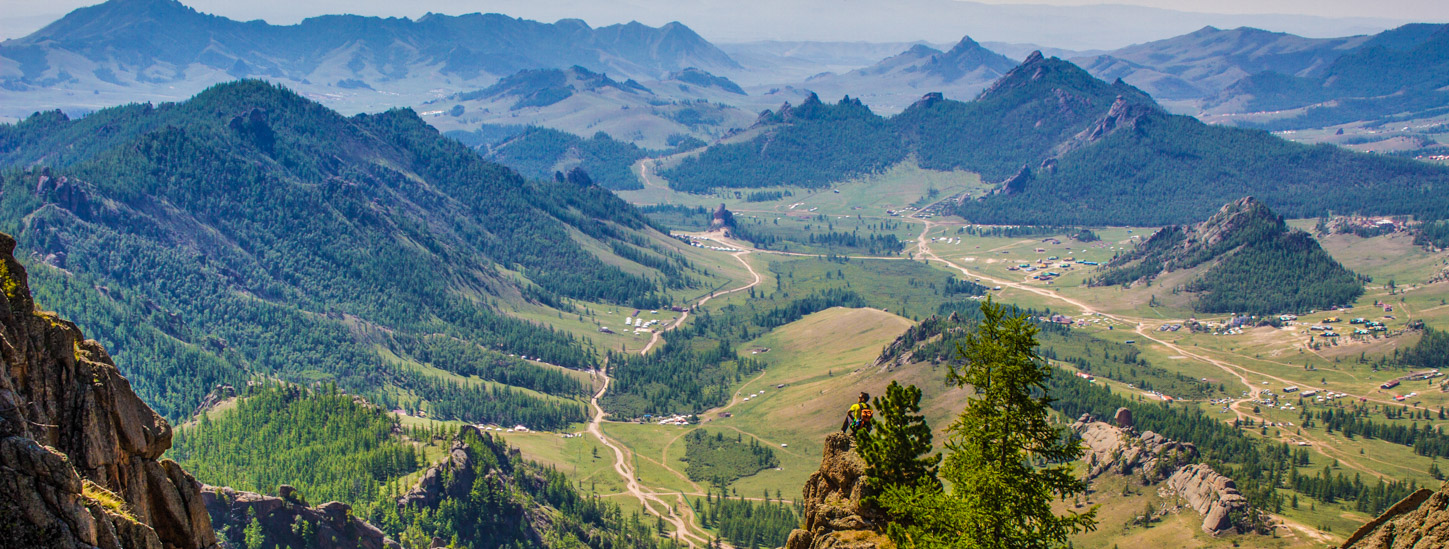
The mountain's two sides look strikingly different: the northern slopes are covered in dense coniferous forest, while the southern side is largely bare rock. This contrast, along with alpine meadows and forest-steppe terrain, makes the park a distinct ecosystem from the open grassland most visitors associate with Mongolia.
Because hunting and logging have been restricted here for centuries, Bogd Khan Uul supports wildlife that's harder to find elsewhere near a major city:
Getting there: Parts of the park's boundary, including Zaisan Hill, sit right at the edge of central Ulaanbaatar, making them accessible by taxi or short drive. Other access points, like the trailhead near Manzushir Monastery, involve a longer drive of around 45 minutes to an hour from the city center.
Best time to visit: The park is open year-round. Summer (June–August) offers the most comfortable hiking conditions and lush scenery. Winter (December–February) transforms the park into a snow-covered landscape, popular for winter hiking, though temperatures drop well below freezing.
Where to stay: Most visitors stay in Ulaanbaatar and visit the park on a day trip, though some ger camps operate near the park's edges for a more immersive overnight option.
Bogd Khan Uul's claim rests on continuous protected status rather than the formal "national park" label, since that specific designation didn't exist yet in 1778.
Discover Mongolia Travel has operated since 2004 and can arrange guided hikes and day trips to Bogd Khan Uul as part of an Ulaanbaatar itinerary.
Is Bogd Khan Uul really the world's oldest national park?
It's widely cited as one of the oldest protected areas in the world, with sacred protected status dating to the 12th–13th century and formal protection granted in 1778, though a few other sites also claim similarly early protected status.
How far is Bogd Khan Uul from Ulaanbaatar?
Parts of the park's boundary, including Zaisan Hill, are within a short drive of central Ulaanbaatar, while other areas, like Manzushir Monastery, take roughly 45 minutes to an hour to reach.
How tall is Bogd Khan Mountain?
The highest point, Tsetsee Gun, reaches approximately 2,256 meters (7,402 feet) above sea level.
What wildlife can I see in the park?
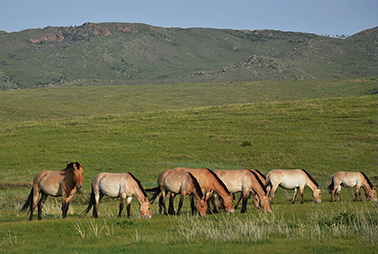
Musk deer, red deer, Eurasian lynx, wild boar, marmots, and various bird species live in the park, protected by centuries of restricted hunting and logging.
What historical sites are inside the park?
Manzushir Monastery ruins, Bronze Age petroglyphs, and Zaisan Hill Memorial are all within or at the edge of the protected area, with the Bogd Khaan Winter Palace Museum located nearby at the mountain's base.
What is the best time of year to visit?
Summer (June–August) offers the easiest hiking conditions, while winter (December–February) offers a quieter, snow-covered experience for those prepared for cold temperatures.ummer (June–August) offers the easiest hiking conditions, while winter (December–February) offers a quieter, snow-covered experience for those prepared for cold temperatures.
Do I need a guide to visit Bogd Khan Uul?
It's not required for accessible areas like Zaisan Hill, but a guide is helpful for reaching Manzushir Monastery, trailheads to Tsetsee Gun, and locating the park's petroglyphs.
Is Bogd Khan Uul suitable for a day trip from Ulaanbaatar?
Yes, Most visitors explore the park as a half-day or full-day trip from the city, often combining it with a visit to the Bogd Khaan Winter Palace Museum.