
What Meat Do Mongolians Eat? Mongolian Meat Guide (2026)
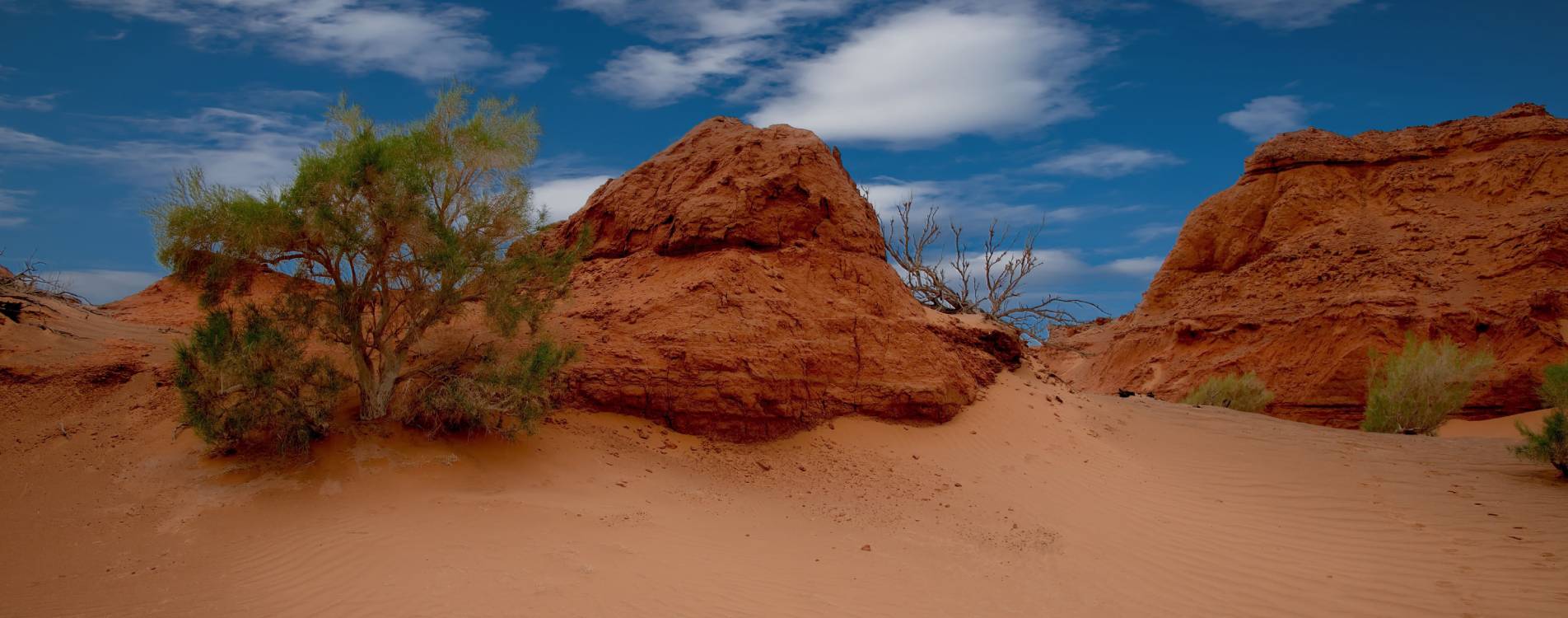
At first glance, the Gobi desert looks like a rocky wasteland where nothing grows. However, that is not the case. Several species of plants have adapted to survive in the blistering heat of the Gobi desert.
The Gobi Desert is home to resilient plants such as saxaul trees, wild onions, bindweed, saltwort, and sophora. Adapted to extreme conditions, these species survive through deep root systems, water storage, and a strong resistance to drought and salt. Despite its harsh environment, the Gobi supports a surprisingly rich and unique desert ecosystem.
Plants in the Gobi have learned to survive in tough conditions. They’ve adapted in simple but powerful ways:
Because of these quiet adaptations, plants are able to live and endure in one of the harshest places on Earth!
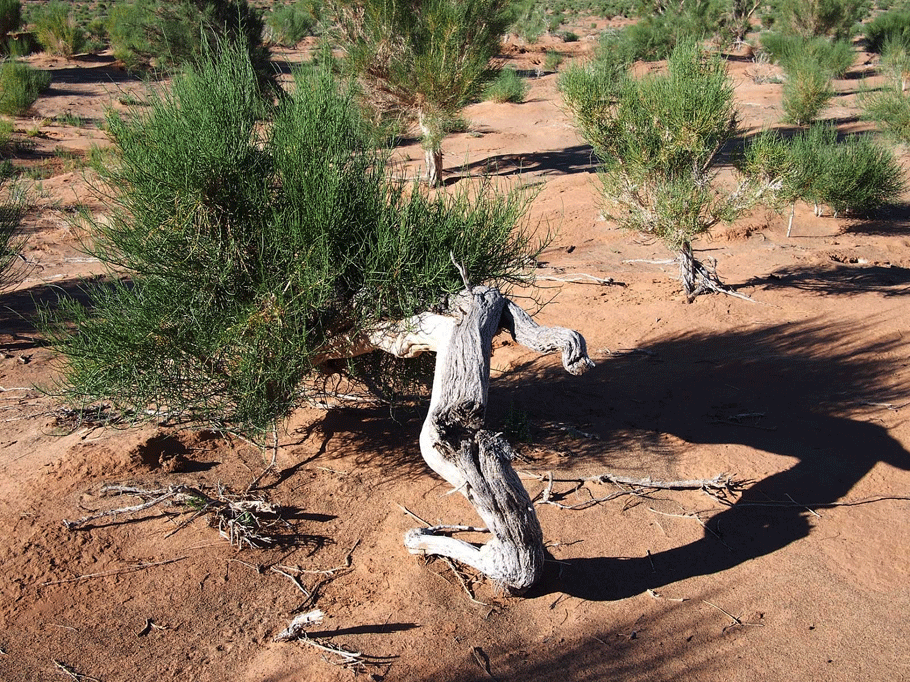
Saxaul is one of the most important plants in the Gobi Desert: a small, hardy tree that can survive extreme drought. Its twisted, wind-shaped trunk and tiny leaves help it hold onto every bit of moisture, while its bark stores water for long periods.
More than just a plant, saxaul plays a vital role in the desert. It helps prevent desertification, provides fuel and shade, and is sometimes the only tree in vast areas. In certain situations, even water can be extracted from its bark, making it incredibly valuable for survival.
Saxaul wood is so dense that it doesn't float in water.
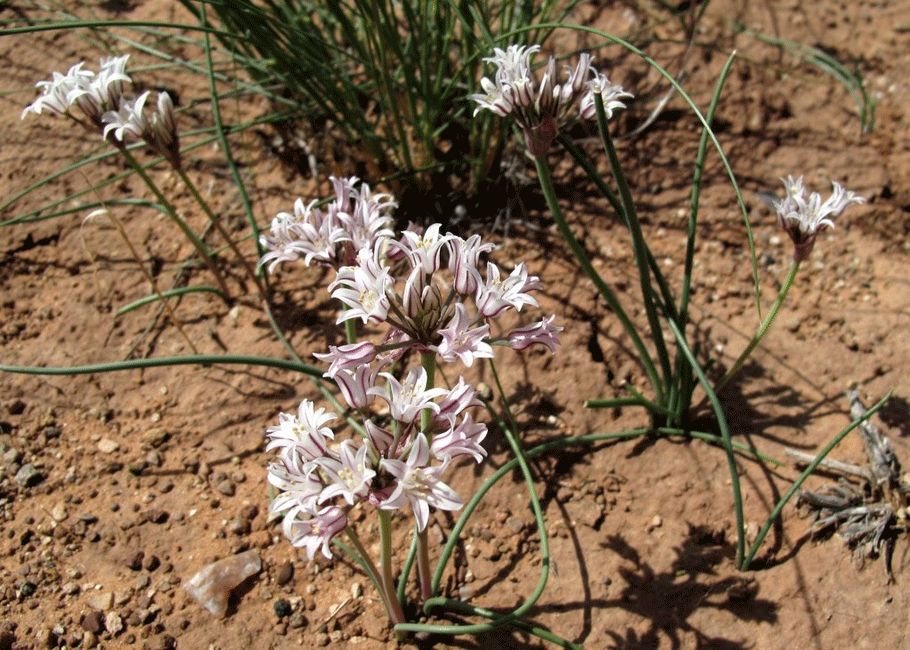
Wild onions grow naturally across parts of the Gobi, quietly supporting both people and animals. They have a strong, slightly nutty flavor and are surprisingly versatile.
They serve as a food source for nomads and travelers, while also feeding animals like camels and wild asses. In some cases, they are even used in traditional remedies.
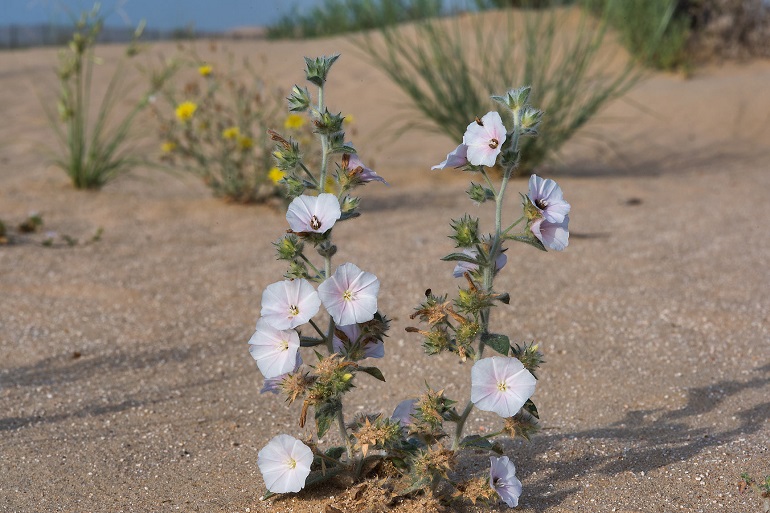
The Bindweed or Convolvulus is one of the few flowering plants that grow in the Gobi desert. There are actually many species of Convolvulus. When you are in the unforgiving Gobi, any flowering plant is a welcome sight. The particular type of bindweed seen in the Gobi is called Convolvulus ammonia and it has white colored flowers.
Bindweed is one of the few flowering plants you’ll find in the Gobi, bringing a rare touch of softness to the desert.
It stands out because it adds color to an otherwise dry landscape and often signals that there has been some seasonal moisture. In a place where flowers are rare, bindweed becomes especially noticeable.
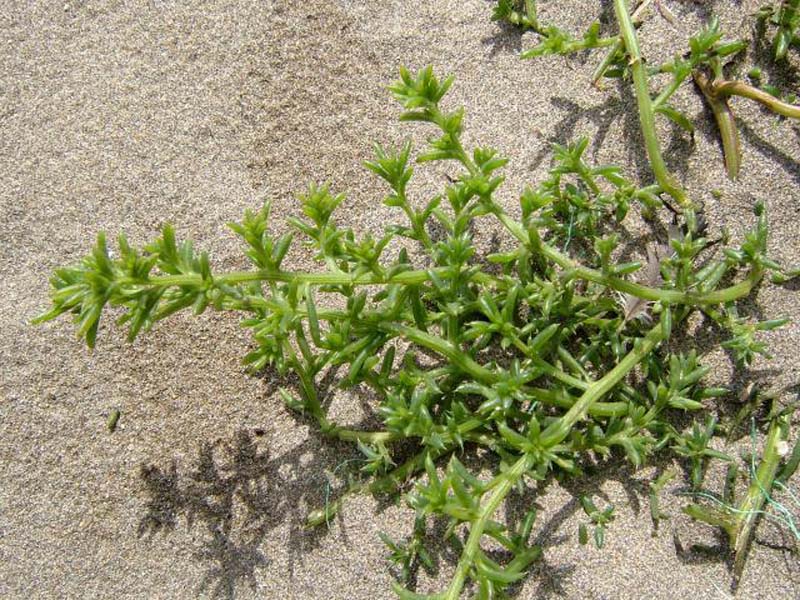
Saltwort is perfectly adapted to the Gobi’s salty soils, thriving where many other plants cannot.
As a halophyte, it can tolerate high salt levels, but this also makes it less appealing as food for animals.
Sophora is a resilient plant known for its healing properties.
It has long been used in traditional medicine, valued for its anti-inflammatory and antioxidant qualities. Its roots, in particular, are commonly used in Asian herbal treatments.
Even though plant life in the Gobi is sparse, it plays a quiet but essential role in keeping the ecosystem alive. These plants help hold the land together, reduce soil erosion, and create a foundation for other life to exist.
Animals like the Bactrian camel rely on these plants for survival, showing just how important even the smallest vegetation can be in such a harsh environment.
The idea that the Gobi is empty isn’t quite true. In reality, it’s home to dozens of plant species that quietly support both wildlife and nomadic life. Some areas are even more fertile than you might expect. The desert may be harsh, but it is far from lifeless.
The Gobi is now a popular travel destination because of its unique environment. The combination of nature and culture makes it one of Mongolia’s most interesting regions.
Visitors come to see:
1. What plants grow in the Gobi Desert?
The Gobi Desert has plants like saxaul, wild onions, bindweed, saltwort, and sophora. These species are adapted to dry and harsh conditions.
2. How do plants survive in the Gobi Desert?
They survive through deep roots, water storage, and reduced leaves that minimize water loss.
3. What is the most important plant in the Gobi?
The saxaul tree is the most important because it prevents desertification and supports local life.
4. Are there edible plants in the Gobi Desert?
Yes, wild onions are commonly eaten and used by both humans and animals.
5. Do flowers grow in the Gobi Desert?
Yes, plants like bindweed produce flowers, although they are rare.
6. What is a halophyte plant?
A halophyte is a plant that can grow in salty soil, like saltwort.
7. Is the Gobi Desert completely dry?
No, some areas have enough moisture to support plant life.
8. Why are Gobi plants important?
They support animals, prevent erosion, and help maintain the desert ecosystem.
Discover Mongolia has organized tailor-made tours since 2004.
We handle flights, accommodation, guides, vehicles — you focus on the journey.