What Meat Do Mongolians Eat? Mongolian Meat Guide (2026)
Meat is one of the foundations of traditional Mongolian cuisine. Sheep, goats, cattle, horses, yaks, and camels have supported pastoral families for generations, providing not only meat but also milk, wool, transport, hides, and other household resources. For travelers, Mongolian meat can taste different from what they are used to at home. The cuts, cooking methods, amount of fat, and animals used all depend on the region, season, household, and dish.
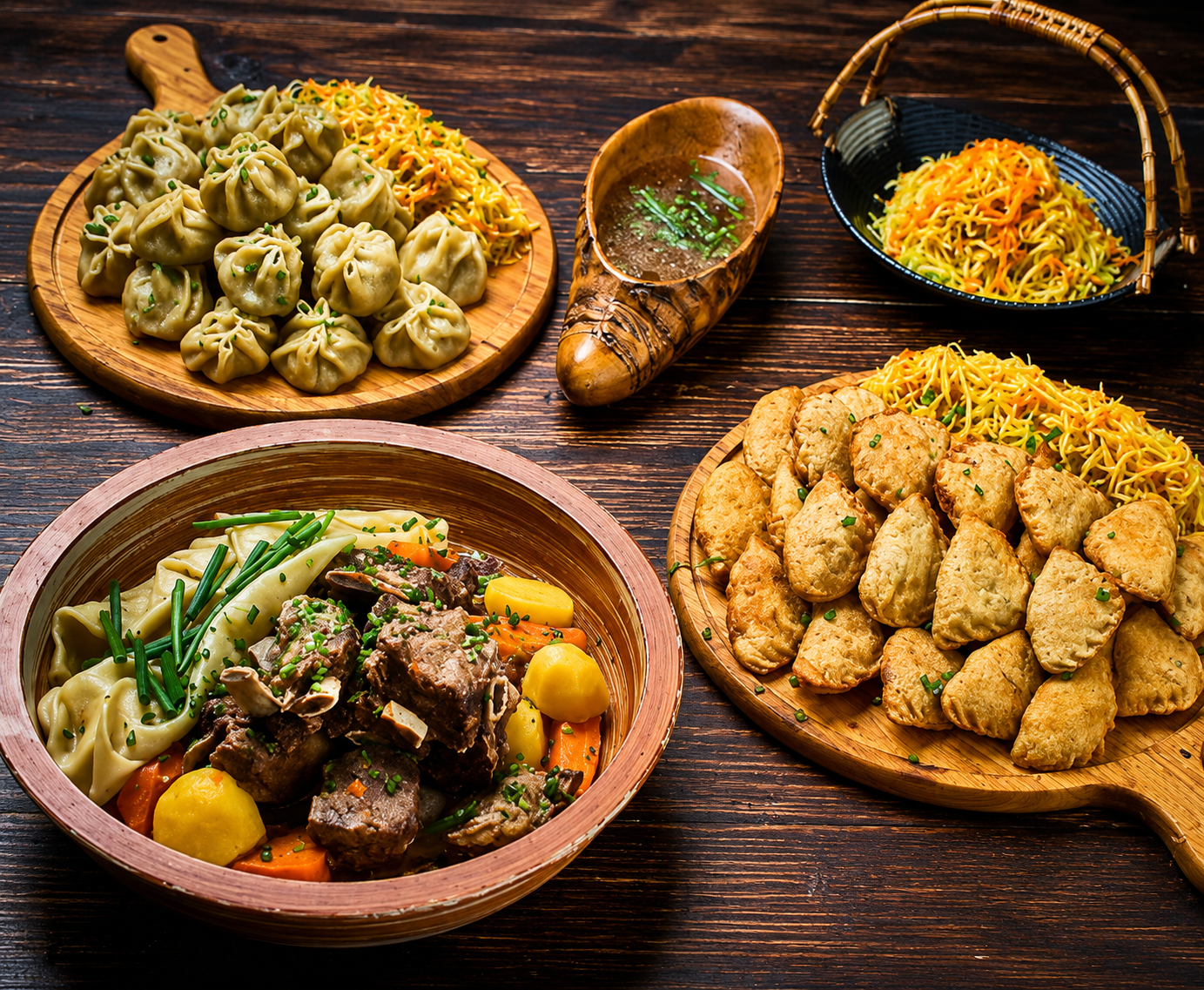
Mutton is one of the most important meats in traditional Mongolian cooking, while beef, goat, and horse meat are also commonly eaten. Camel meat is more regional, particularly in parts of the Gobi, while yak meat can be found in areas where yaks are raised.
Meat appears in well-known dishes such as buuz, khuushuur, tsuivan, soups, khorkhog, and dried meat known as borts. Traditional food developed around Mongolia's livestock-based pastoral economy and long cold winters.
Mongolia's traditional food system developed in a landscape where animal husbandry was much more practical than large-scale crop farming in many regions.
Long winters, low rainfall, grasslands, mountains, and desert environments encouraged pastoral families to depend heavily on livestock. FAO (Food and Agriculture Organization) research describes meat and dairy as central parts of the diet of herding communities across Mongolia and neighboring pastoral regions.
This does not mean modern Mongolians eat nothing but meat.
Urban diets today include vegetables, rice, noodles, bread, international food, chicken, pork, and many other products. However, meat and dairy remain particularly important in traditional Mongolian cooking.
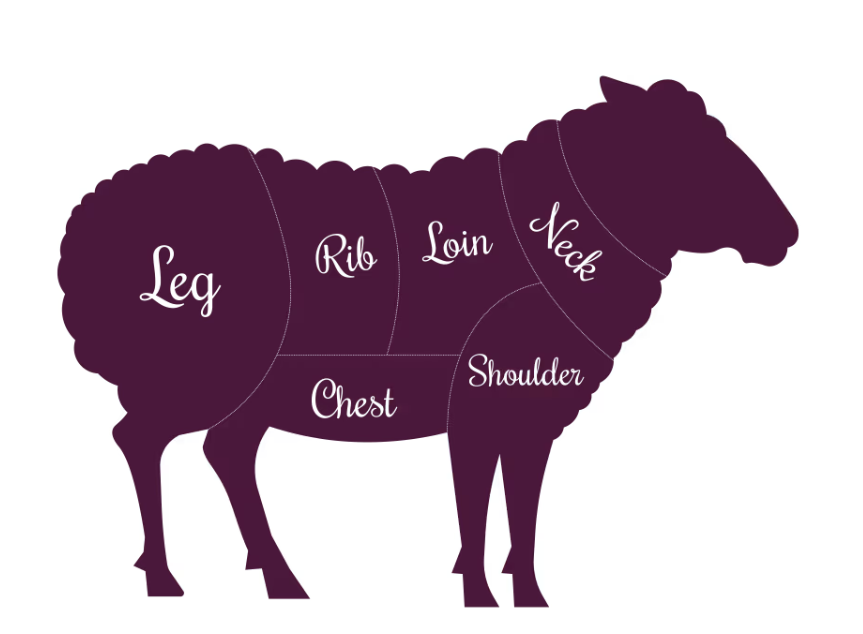
Mutton
Mutton is probably the meat international travelers will encounter most often in traditional Mongolian meals.
Sheep are highly important to Mongolia's pastoral economy, and mutton works well in soups, dumplings, noodle dishes, boiled meat, and special meals. FAO data have historically shown exceptionally high consumption of sheep and goat meat in Mongolia compared with most countries.
Mongolian mutton can have a stronger flavor than lamb commonly sold in Western supermarkets.
It can also contain substantial visible fat, particularly in traditional dishes where fat is considered an important part of the meat rather than something that must always be removed.
Beef
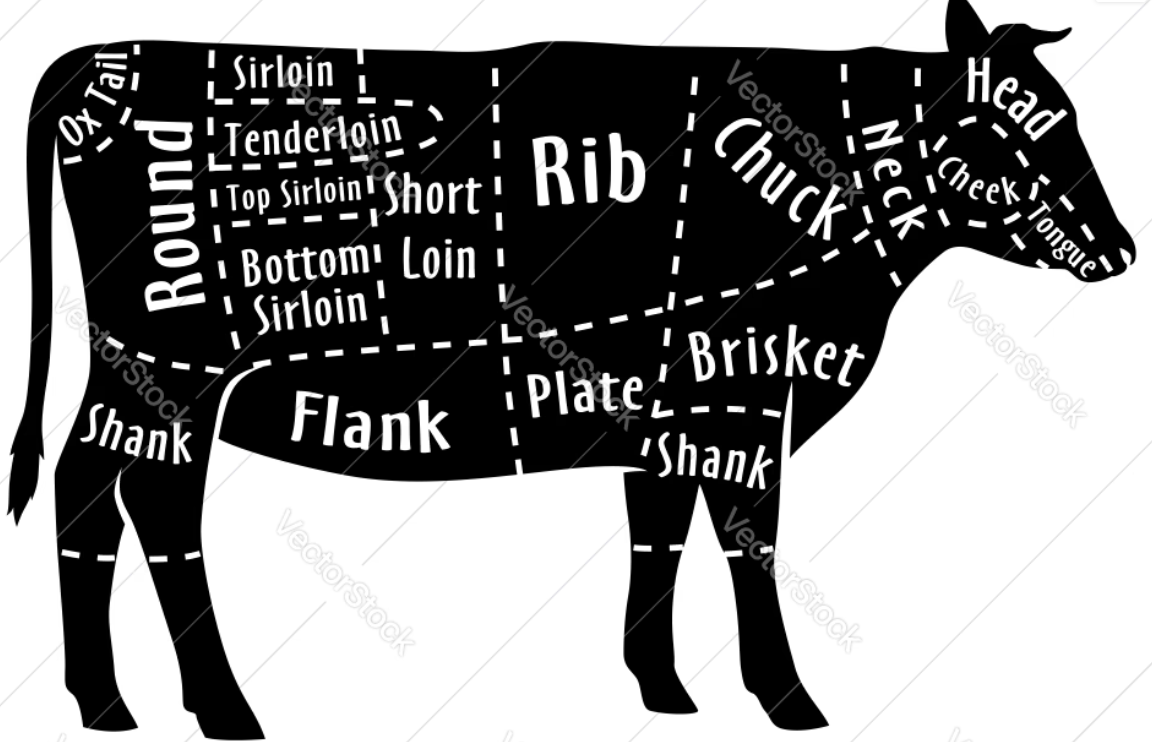
Beef is another common choice, particularly in Ulaanbaatar and other urban areas.
It is used in dumplings, stir-fried noodles, soups, grilled dishes, and modern Mongolian cooking. Beef may also replace mutton in dishes such as buuz depending on the family or restaurant.
Travelers who find mutton's flavor unfamiliar may find beef easier to start with.
Goat Meat
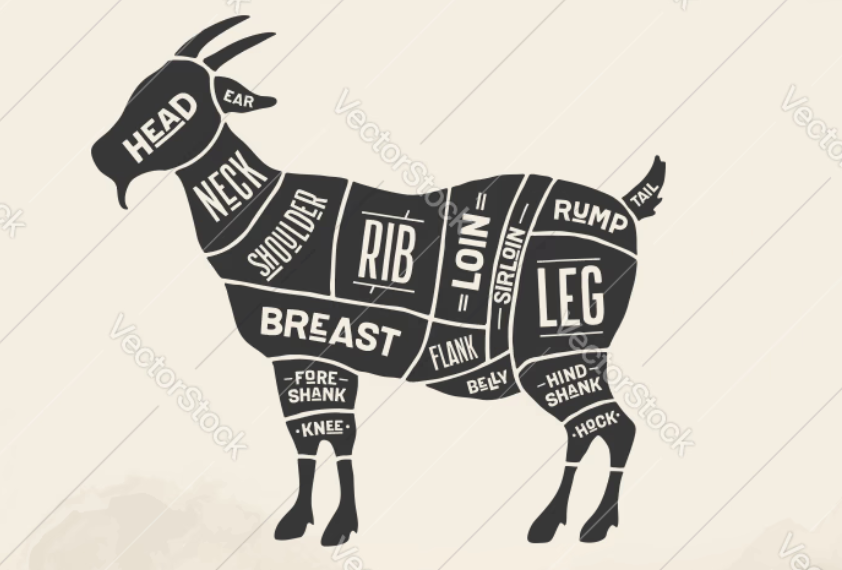
Goats are one of Mongolia's major livestock animals, and goat meat is eaten in many parts of the country.
Its use depends on region, season, household preference, and the dish being prepared. Sheep and goat meat have historically been particularly important sources of animal protein in Mongolia.
Goat should not simply be described as a “cold meat” with particular medical effects. That classification belongs to traditional food and medical beliefs rather than modern nutritional science.
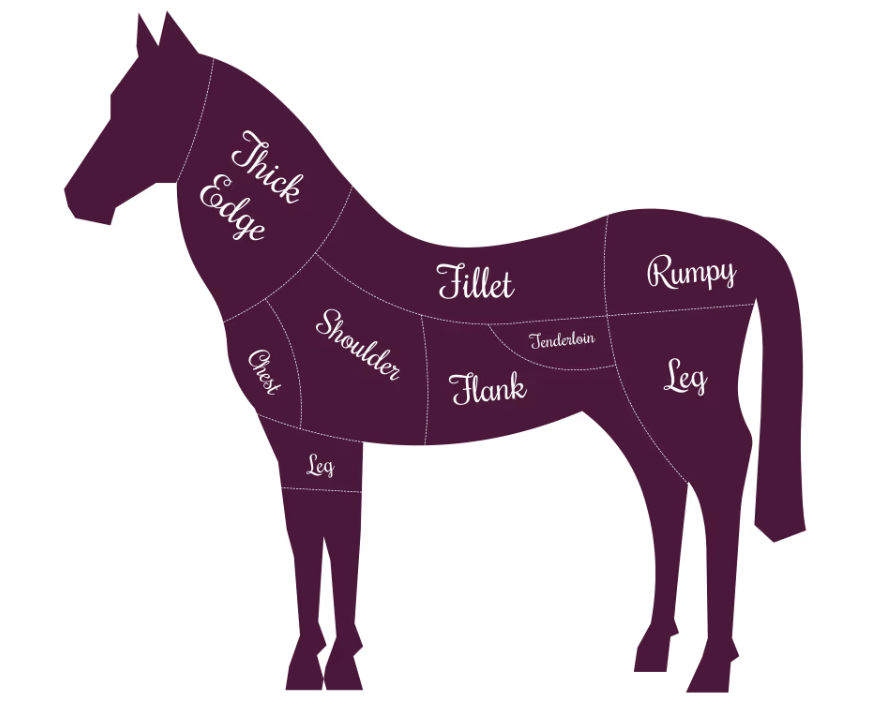
Horse Meat
Horse meat is also eaten in Mongolia, especially during colder periods and in particular regional traditions.
Horses have historically provided Mongolian pastoral communities with transportation, milk, and meat. FAO descriptions of Central Asian pastoral systems specifically note the importance of horses for both meat and milk.
Horse meat has a different flavor and texture from beef or mutton and is often darker in color.
The old version of this article says horse meat has been “proven” to digest as quickly as chicken or fish and implies special medicinal effects. Those claims are too strong. It is better to describe winter horse-meat consumption as a food tradition rather than a proven medical treatment.
Camel Meat
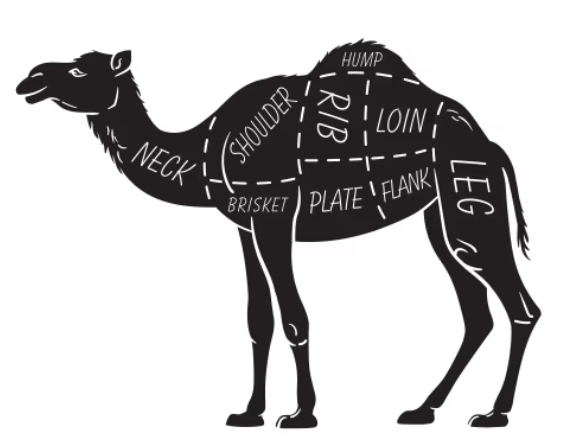
Camel meat is much more regional than mutton or beef.
It is most closely associated with Mongolia's Gobi areas, where Bactrian camels form part of traditional pastoral livelihoods. Discover Mongolia's current food guide also lists camel among meats consumed regionally.
Visitors should not expect camel meat to appear on every menu in Ulaanbaatar.
Yak Meat
Yak and cattle-yak hybrids are raised mainly in Mongolia's higher and colder regions.
Yak meat can therefore appear in regional diets, particularly in mountainous parts of the country. FAO descriptions of Mongolian pastoralism identify yaks as livestock suited to higher-altitude areas.
It is less common on ordinary Ulaanbaatar restaurant menus than beef or mutton.
If you are trying Mongolian meat for the first time:
There is no single “best Mongolian meat.” The experience depends heavily on the dish and how it is prepared.
The idea comes from traditional concepts of food and health.
In traditional descriptions, horse meat may be considered “hot,” mutton “warm,” and meats such as goat or camel “cool” or “cold.” Similar ideas about balancing heat and cold also occur within Traditional Mongolian Medicine.
These categories should be understood as traditional cultural and medical concepts, not literal measurements of the meat's temperature or proven modern nutritional effects.
It is therefore fine to explain the tradition, but not to say that eating one type of meat has been scientifically proven to strengthen immunity because it is classified as “hot.”
Traditionally, meat has had particular importance during Mongolia's winter months.
Cold temperatures, seasonal livestock management, and the ability to preserve meat naturally in winter influenced when animals were slaughtered and how meat was stored.
Traditional food patterns also placed greater emphasis on dairy products during warmer periods when milk was more abundant.
Modern life has changed these seasonal patterns considerably, especially in Ulaanbaatar, where supermarkets, refrigeration, restaurants, and imported food are available throughout the year.
Travelers staying with herding families are more likely to notice seasonal food traditions than visitors eating only in city restaurants.
Borts is dried meat traditionally prepared for storage.
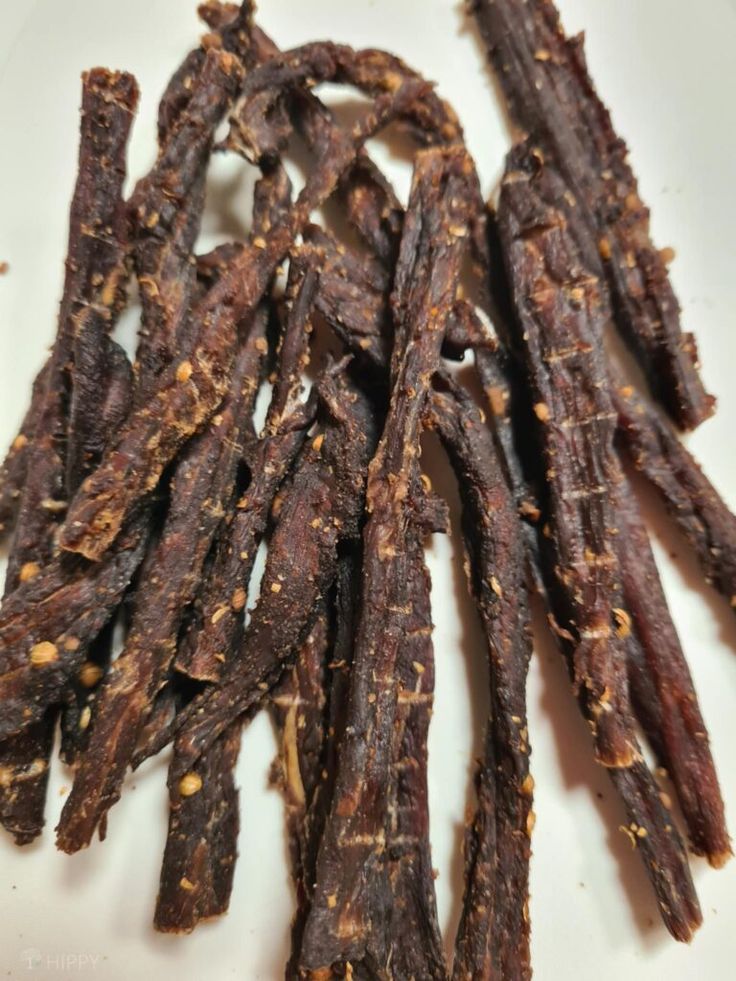
Meat is cut into strips and dried until much of its moisture is removed. It can then be stored and later added to soups or other dishes.
Drying meat made practical sense in a pastoral society where refrigeration did not historically exist and food needed to last through different seasons.
Borts is also lightweight, which made it practical for mobile households and journeys.
Today it remains one of the most interesting examples of how Mongolian food preservation developed around climate and pastoral life.
Buuz
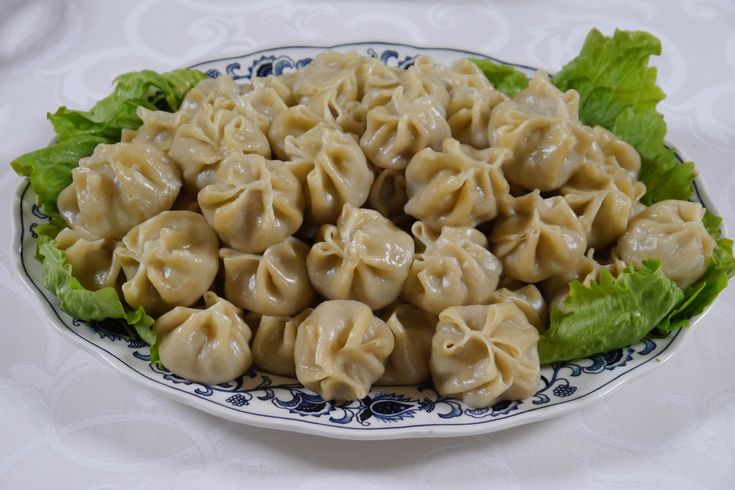
Buuz are steamed dumplings filled usually with minced mutton or beef, onion, and seasoning.
They are eaten throughout the year but are particularly important during Tsagaan Sar, the Mongolian Lunar New Year.
Khuushuur
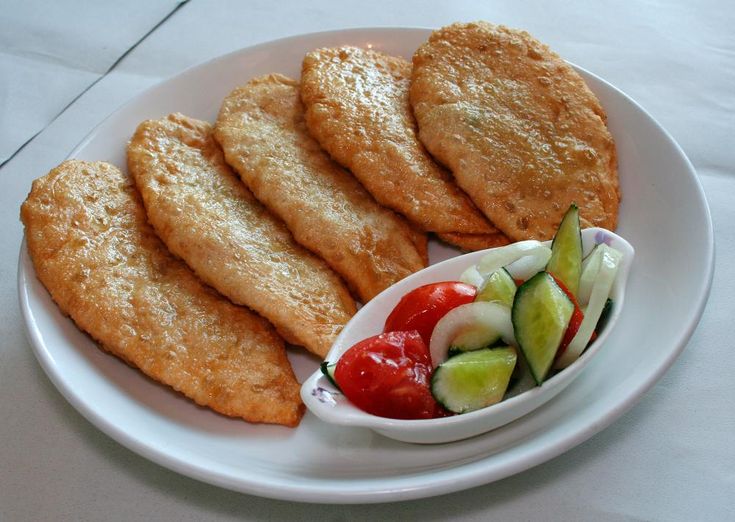
Khuushuur are fried meat pastries, usually filled with minced meat.
They are especially associated with Naadam and are easy for first-time visitors to try.
Tsuivan
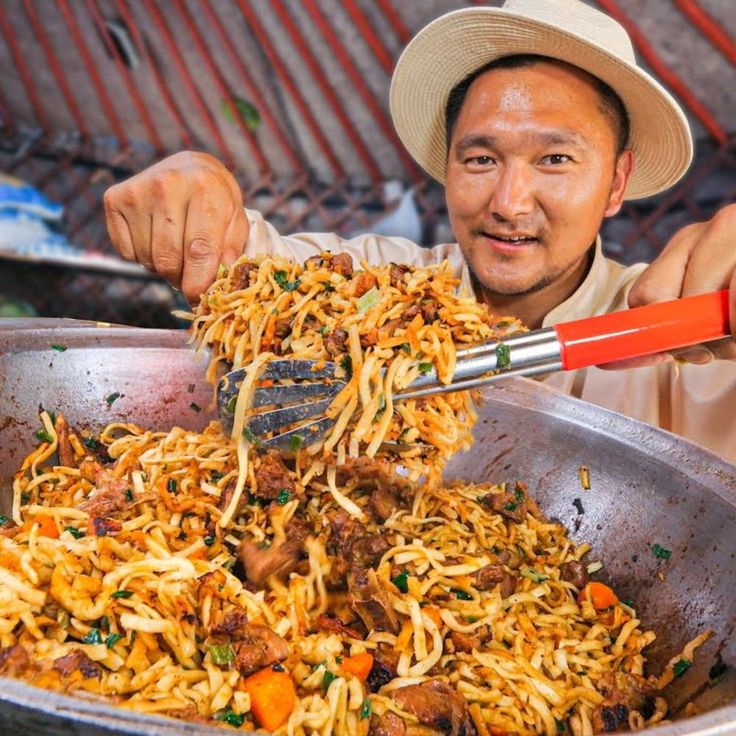
Tsuivan combines noodles with meat and vegetables.
It is one of the easiest traditional-style dishes for international travelers because the basic combination of noodles, meat, and vegetables is familiar.
Khorkhog
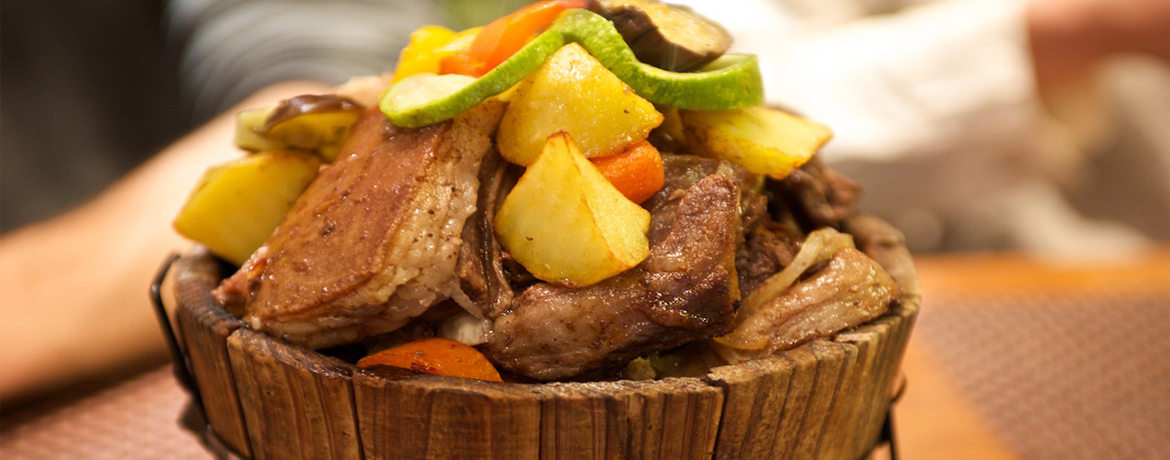
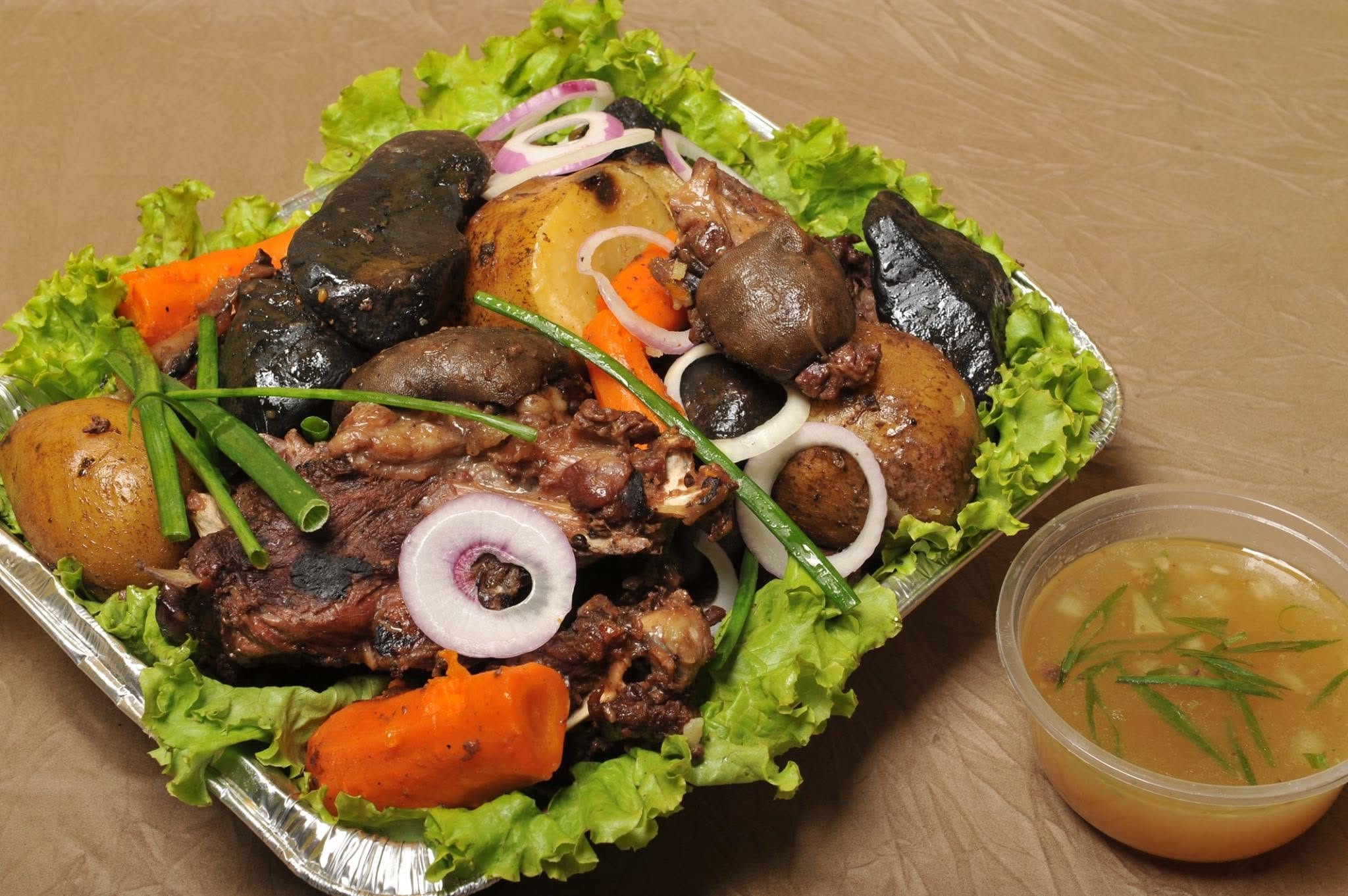
Khorkhog is a special meat dish traditionally prepared using heated stones inside a closed container with meat and other ingredients.
It is often prepared for groups, celebrations, countryside meals, or special gatherings rather than being an ordinary daily dinner.
Boiled Mutton
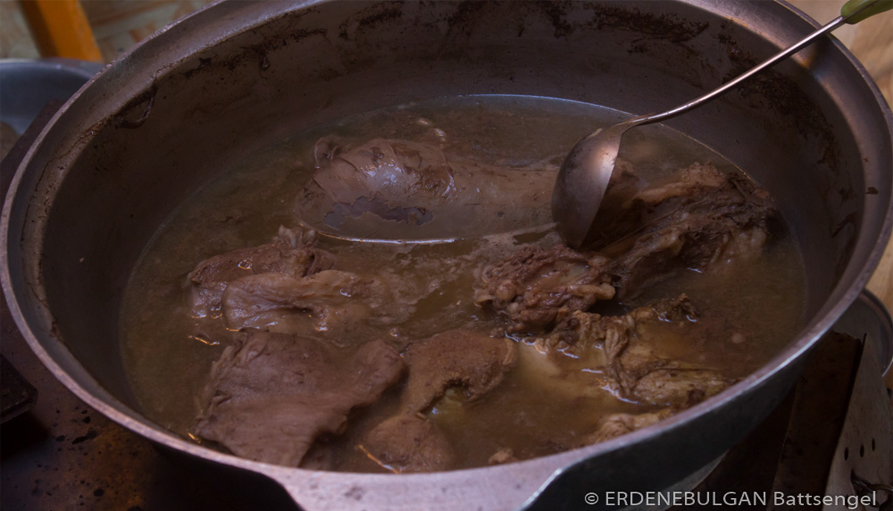
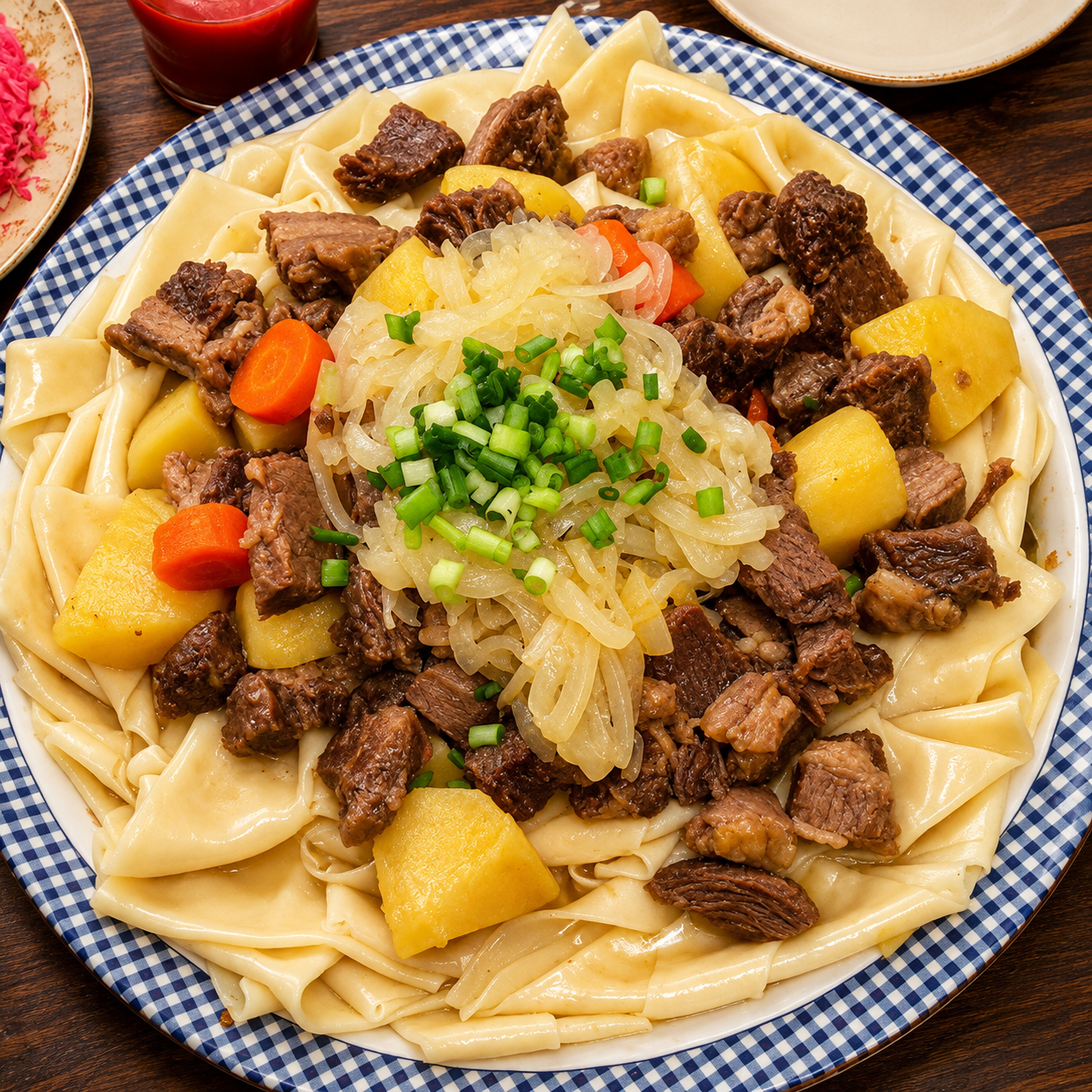
Simple boiled sheep meat is another traditional preparation.
For travelers used to strongly seasoned food, the simplicity may be surprising. Traditional Mongolian cooking often allows the flavor of the meat itself to remain central.
Bansh
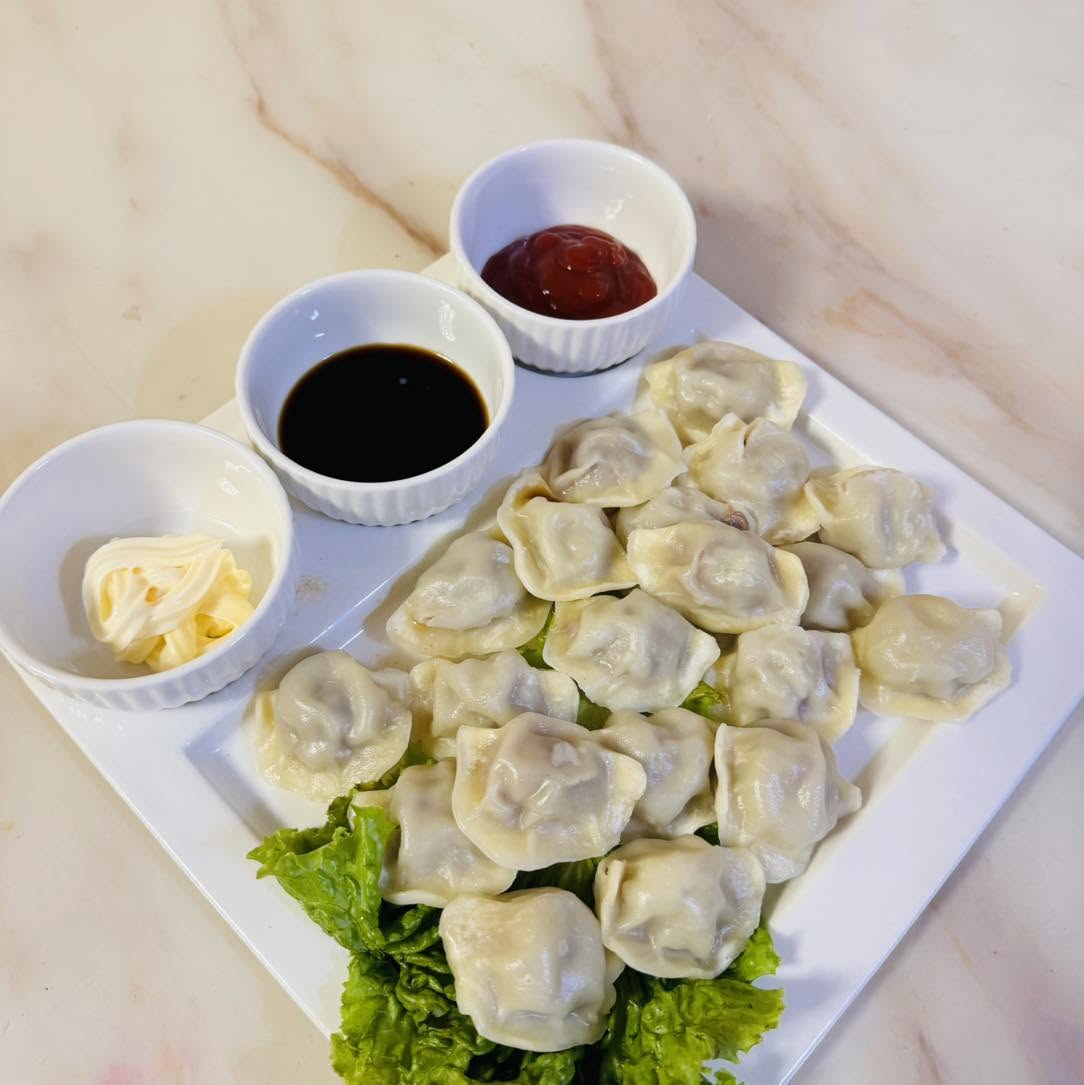
Bansh are smaller meat dumplings that may be boiled or served in soup.
They are similar in concept to buuz but smaller and prepared differently.
Yes, organ meats and other parts of livestock have traditionally been used rather than automatically discarded.
Depending on the household and dish, this may include liver, heart, intestines, stomach, kidneys, and other parts.
This reflects the practical importance of livestock in pastoral households.
Visitors may therefore encounter cuts that are uncommon in their home country.
You do not need to enjoy every part to appreciate the tradition. If you are unsure what is being served, simply ask your guide or host.
It can.
Flavor varies according to:
Pasture certainly can influence animal products, but taste is subjective. It is better to say that many Mongolians associate particular regional pastures and plants with distinctive meat flavors rather than promise every traveler that Gobi meat literally tastes like onion.
Not automatically.
Many Mongolian livestock graze extensively on natural pasture, which is very different from intensive indoor livestock production. Pastoral livestock production remains a major feature of the country's agricultural system.
However, words such as organic have specific certification meanings in modern food labeling.
An animal grazing freely on the steppe should not automatically be described as certified organic unless the producer and product actually meet an applicable certification standard.
Meat provides nutrients including protein, iron, zinc, and vitamin B12.
But that does not mean unlimited meat consumption is automatically healthy.
A 2023 assessment of Mongolian diets found red-meat intake considerably above the benchmark used by the study while fruit, vegetable, whole-grain, and nut consumption was relatively low.
WHO also notes that diets containing high amounts of red meat can contribute to noncommunicable-disease risk, particularly when the overall diet is unbalanced.
For travelers, there is no need to turn a cultural food experience into a health claim.
Enjoy Mongolian meat as part of the cuisine while maintaining whatever balanced diet works for you.
There is not enough evidence to make that claim simply because the meat is Mongolian or because traditional classifications call it hot or warm.
Meat can provide important nutrients, but immune function depends on overall nutrition, health, sleep, activity, and many other factors.
It is more accurate to say that high-energy meat dishes have traditionally been valued during Mongolia's severe winters.
Marmot meat needs a separate warning.
Marmot hunting and handling can expose people to plague, because marmots can carry Yersinia pestis. Research on plague in the region identifies skinning and handling infected marmots as important transmission routes.
Travelers should therefore not treat marmot meat as an ordinary exotic food challenge.
Do not hunt, handle, skin, or eat wild marmot simply because someone describes it as a traditional meat.
This is one reason marmot should not be casually listed alongside ordinary domestic livestock such as sheep, cattle, or horses.
Traditional countryside food can be meat-heavy, but vegetarian travel in Mongolia is possible.
Ulaanbaatar has much wider food choices than rural areas, including vegetarian and international restaurants.
The countryside requires more planning.
If you do not eat meat:
Discover Mongolia can arrange dietary requirements in advance when planning tailor-made journeys, which is much easier than trying to change every meal after reaching a remote area.
Food offered in a family's ger is part of hospitality.
Some customs and beliefs surrounding meat vary between households and regions, so travelers should avoid treating one list of “Mongolian rules” as universal.
A few useful habits are:
If you are not used to rich meat dishes, start gradually.
Try:
A few practical tips:
Trying traditional food should be part of enjoying the journey, not a test of how unusual a food you are willing to eat.
What meat do Mongolians eat most?
Mutton is one of the most important meats in traditional Mongolian cooking, while beef, goat, and horse meat are also common. Camel and yak meat are more regional.
Do Mongolians eat horse meat?
Yes, horse meat is eaten in Mongolia and has traditionally been particularly associated with the colder season. Horses have long provided pastoral families with meat as well as milk and transportation.
Do Mongolians eat camel meat?
Yes, camel meat is eaten, particularly in Mongolia's Gobi regions where Bactrian camels are traditionally raised. It is much less common nationally than mutton or beef.
Why do Mongolians eat so much meat?
Traditional Mongolian food developed around pastoral livestock production in a country with long winters and large areas poorly suited to intensive crop farming. Meat and dairy therefore became major components of the traditional diet.
What is the best Mongolian meat dish for a first-time visitor?
Buuz, khuushuur, and tsuivan are good starting points because they combine meat with familiar foods such as dough or noodles. Travelers who want a more traditional group meal can also try khorkhog.
Is Mongolian meat organic?
No, Mongolian meat should not automatically be called organic. Many animals graze extensively on natural pasture, but certified organic is a specific production and labeling standard.
Is Mongolian horse meat healthier than beef?
There is no need to describe one as universally healthier than the other. Their nutritional profiles differ, but overall health depends on portion size, preparation, the rest of the diet, and individual nutritional needs.
Is it safe for tourists to eat marmot meat in Mongolia?
No, travelers should avoid handling or eating wild marmot because marmots can carry plague. Exposure during hunting, skinning, and handling infected animals is a recognized route of human infection.
Discover Mongolia has organized tailor-made tours since 2004.
We handle flights, accommodation, guides, vehicles — you focus on the journey.