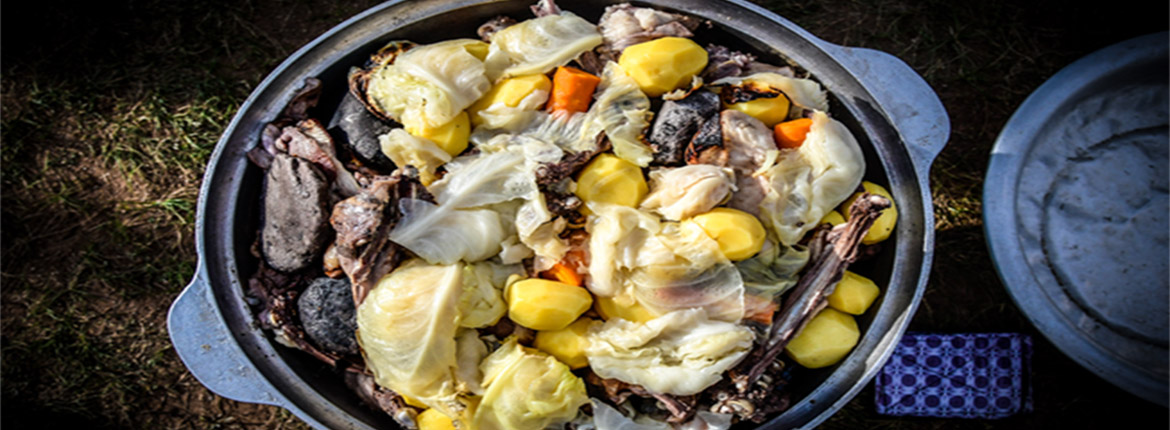

Root Your Story in Mongolia
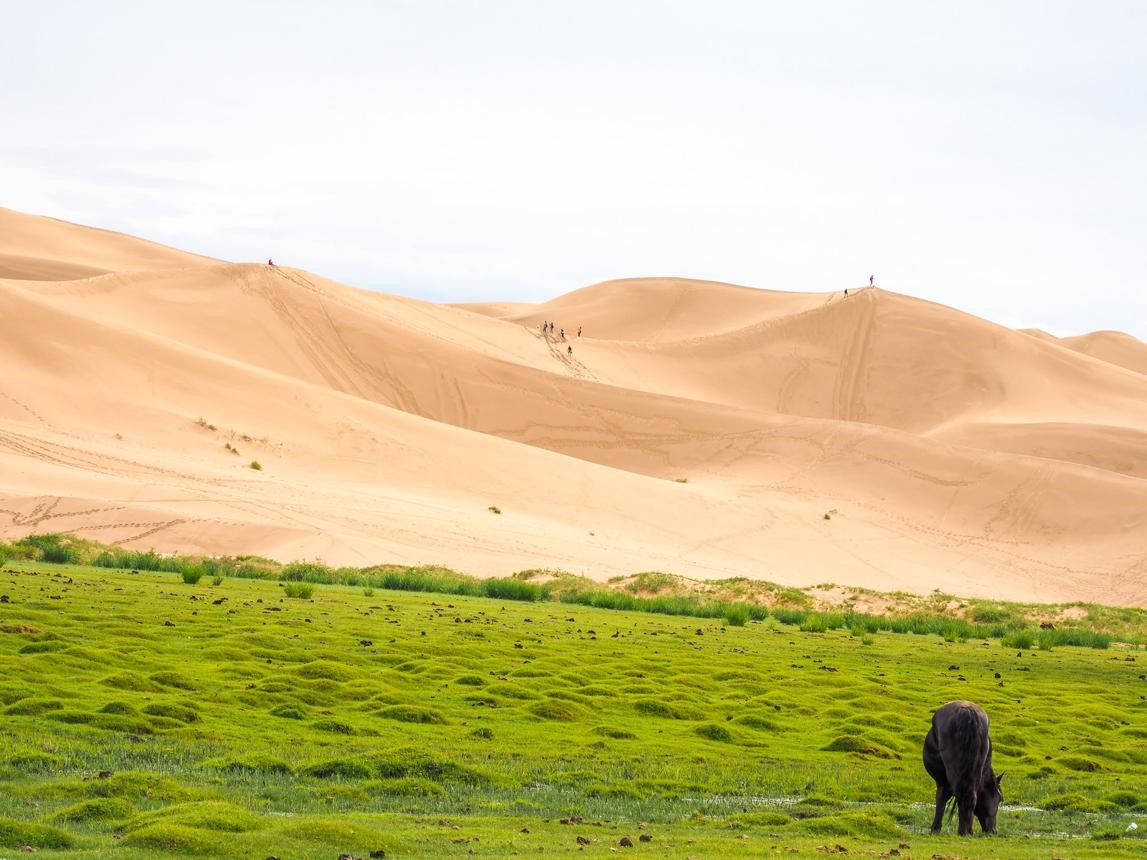
When most people imagine a desert, they think of endless sand, extreme heat, and empty landscapes with almost no life. That image comes from places like the Sahara or Arabian deserts.
But the Gobi Desert in Mongolia completely changes that idea.
The Gobi is not a simple desert. It is a vast and complex region filled with rocky mountains, ice-filled valleys, sand dunes, fossil-rich cliffs, and wide open steppe landscapes. It is also home to nomadic families who still live in harmony with nature.
Traveling in the Gobi is not just about seeing scenery. It is about experiencing a living landscape that constantly changes, surprises, and teaches you how diverse nature can be.
Short Answer
The Gobi Desert is not just a sandy desert. It is a large, diverse region in Mongolia and northern China that includes rocky plains, mountains, ice valleys, and sand dunes. It is also rich in wildlife, dinosaur fossils, and nomadic culture, making it one of the most unique travel destinations in the world.
What the Gobi Desert Really Is
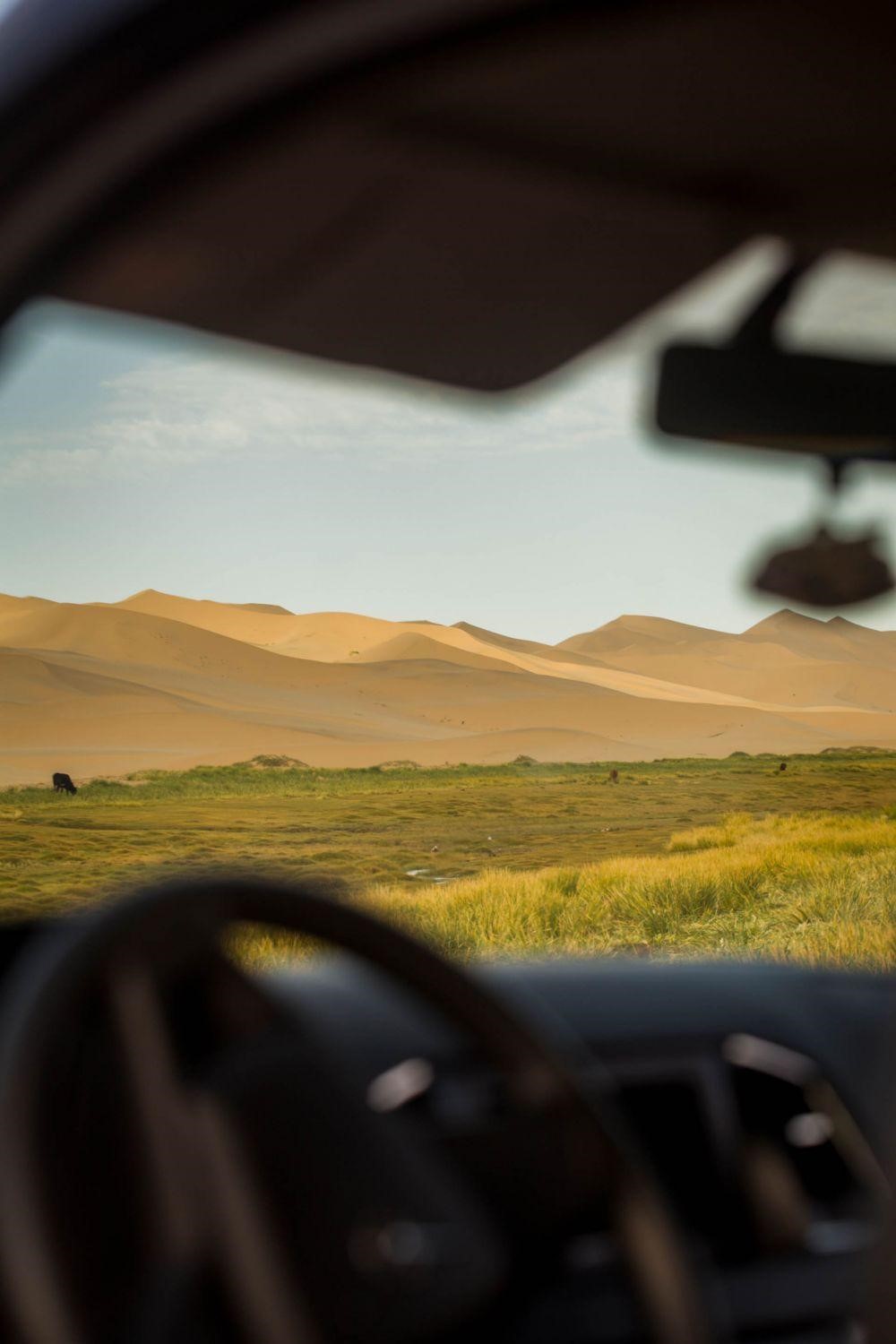
The first important fact is that the Gobi is not a “pure sand desert.”
In reality, sand dunes make up less than 5% of the entire region. Most of the Gobi consists of:
This makes the Gobi one of the most geographically diverse desert ecosystems on Earth.
Unlike traditional deserts, the Gobi is not uniform. It constantly changes depending on elevation, wind, temperature, and geography.
You can drive for hours across flat stone land and suddenly enter a green valley or a canyon filled with ice.
A Landscape of Extreme Contrast
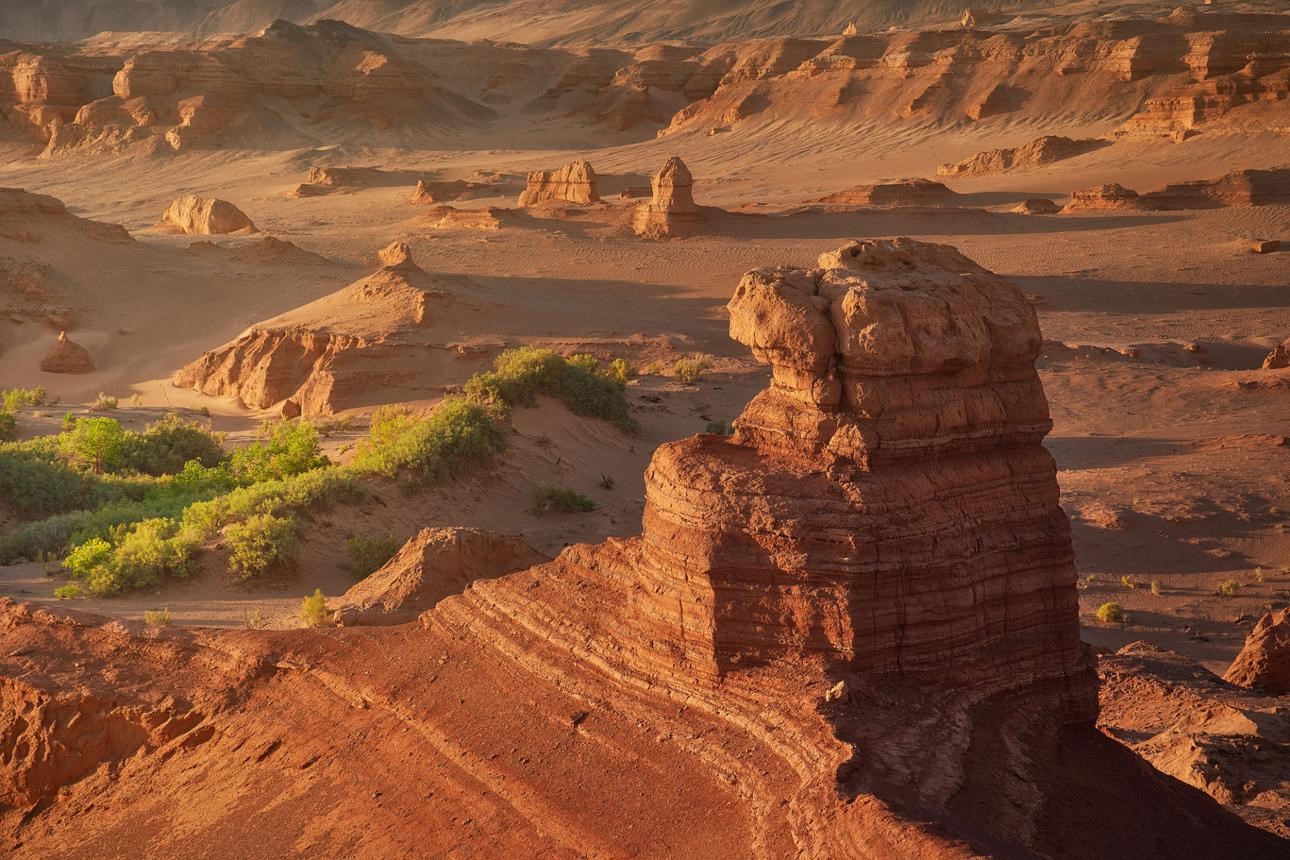
One of the most fascinating things about the Gobi is its contrast.
Within a single journey, you may experience:
This extreme variety is what makes the Gobi unforgettable.
Travelers often describe it as “traveling through different planets in one day.”
The Gobi does not follow a predictable pattern. It surprises you at every turn.
Yolyn Am – Ice in the Middle of a Desert
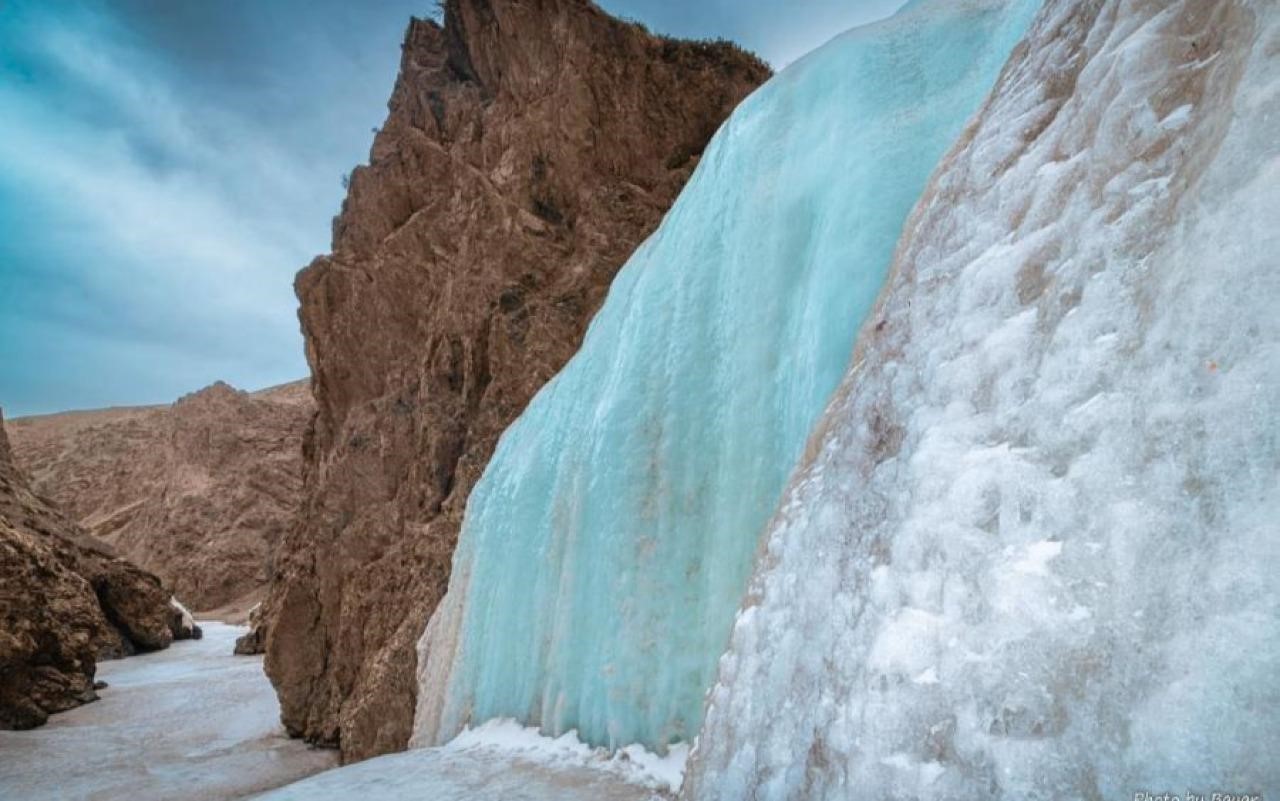
One of the most unusual places in the Gobi is Yolyn Am, also known as Eagle Valley.
This narrow canyon is located in the Gurvan Saikhan Mountains.
What makes it special is:
It is difficult to imagine ice existing in a desert, but Yolyn Am proves that the Gobi is full of contradictions.
Standing inside the canyon feels like entering another world—quiet, cool, and completely different from the surrounding desert.
This location alone is enough to change the way people think about deserts forever.
The Flaming Cliffs – A Window Into Prehistoric Earth
The Gobi Desert is also one of the most important paleontological sites in the world.
At Bayanzag, also known as the Flaming Cliffs, scientists discovered:
The cliffs are made of red sandstone that glows intensely during sunset. The entire landscape turns orange and gold, creating a dramatic visual effect.
This area gives visitors a rare feeling: you are not just looking at land—you are looking into Earth’s deep history.
It is one of the few places on Earth where you can physically stand in a landscape that existed during the age of dinosaurs.
Khongor Sand Dunes – The Singing Desert
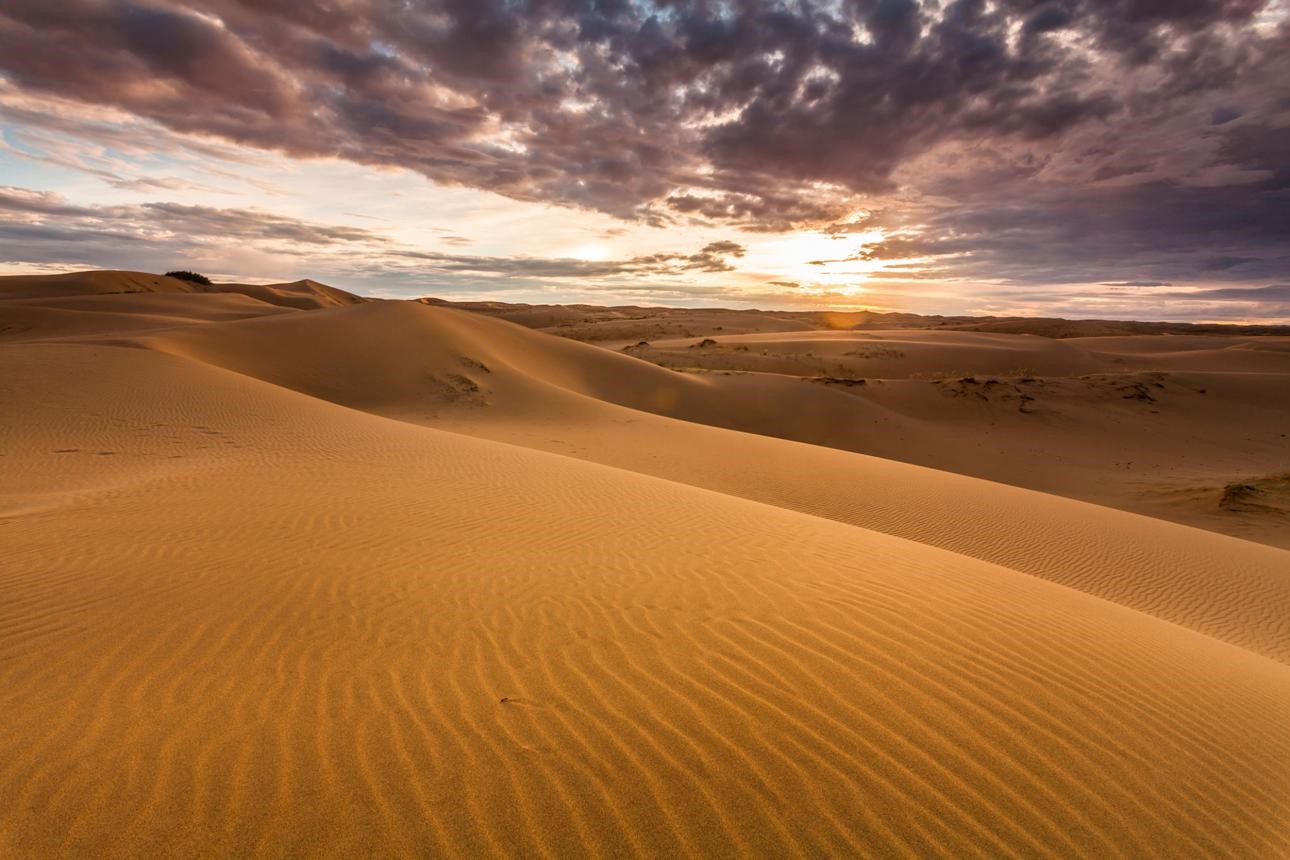
Although the Gobi is not mostly sand, it does have impressive dune systems.
The most famous is Khongor Sand Dunes, which stretch over 180 kilometers.
These dunes are unique because:
Climbing the dunes is physically demanding. The sand is soft, and every step sinks deeply, making progress slow.
However, reaching the top rewards travelers with:
Many visitors consider this one of the most beautiful desert landscapes in Asia.
Nomadic Life in the Gobi
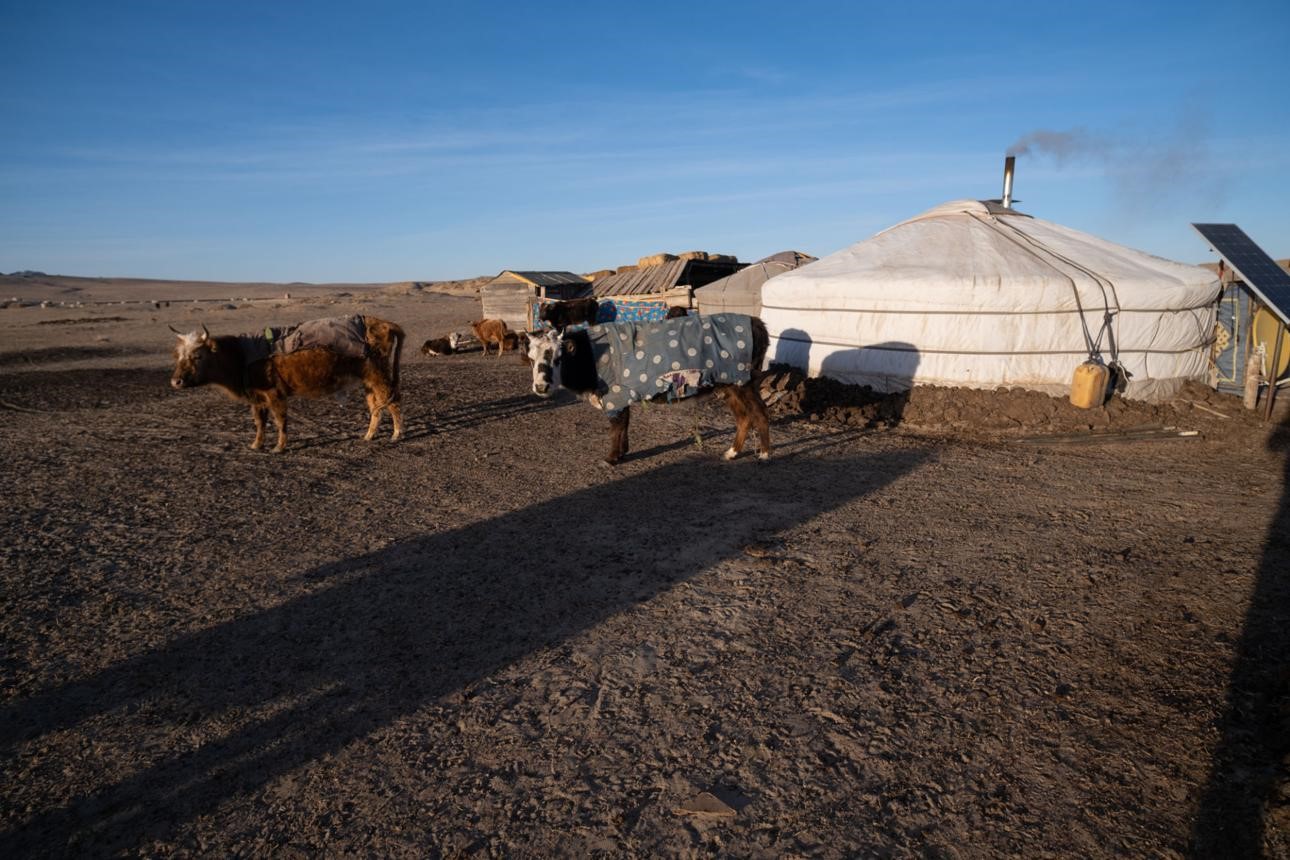
The Gobi is not empty land. It is a living home.
Nomadic families have lived here for centuries, adapting to one of the harshest environments on Earth.
They live in traditional felt homes called gers, which are:
Nomadic life follows nature closely. Families move seasonally to find water and grazing land for animals such as goats, sheep, camels, and horses.
When visiting nomadic families, guests often experience:
One important cultural rule: always accept offerings with both hands as a sign of respect.
This cultural experience is often one of the most meaningful parts of a Gobi journey.
The Night Sky – One of the Clearest in the World
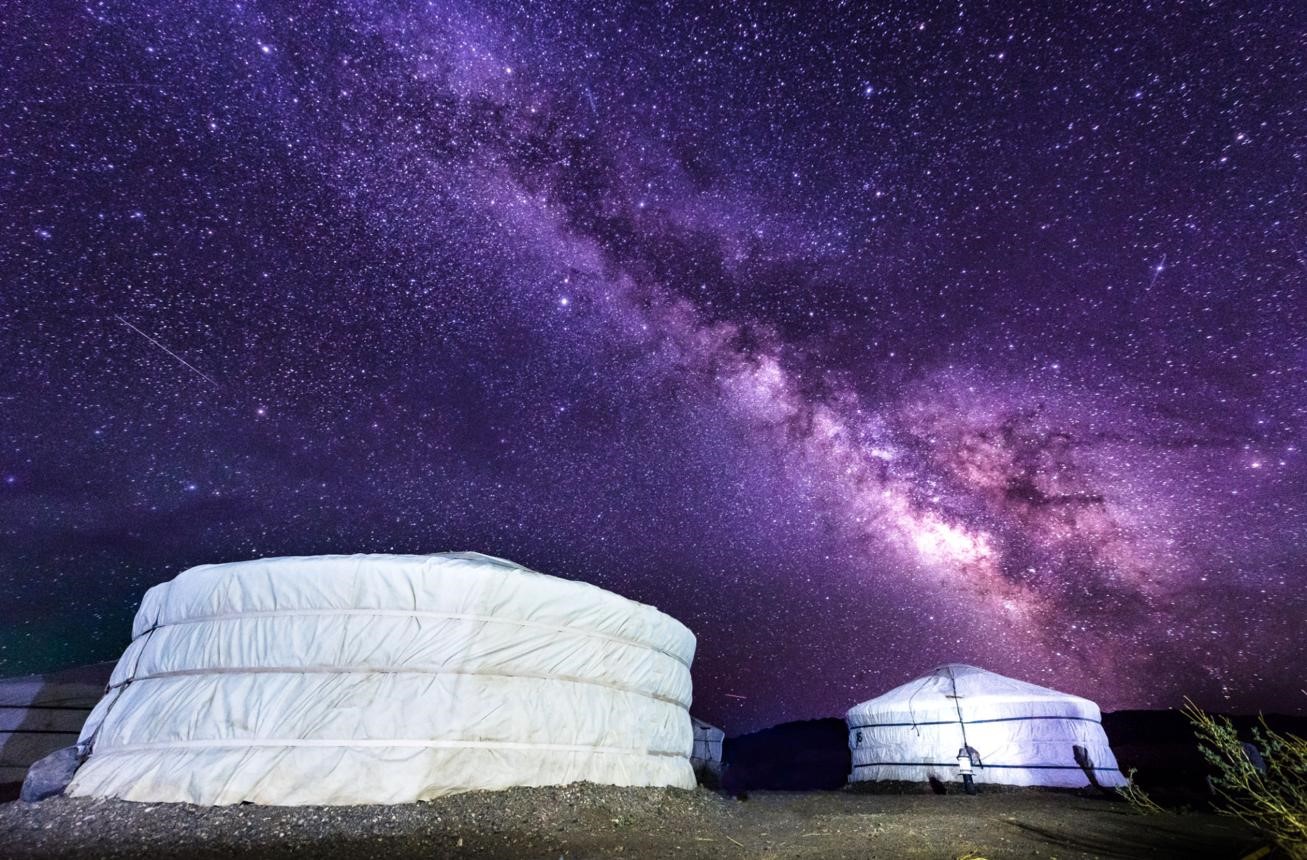
At night, the Gobi transforms completely.
Because there is almost no light pollution, the sky becomes extremely clear.
Visitors can see:
The silence of the desert at night makes the experience even more powerful.
There are no city sounds, no artificial lights—only nature and space.
For many travelers, this is the moment they remember most clearly from their trip.
Travel Conditions in the Gobi
Traveling in the Gobi is very different from traveling in cities or developed tourist destinations.
Key conditions include:
Long Distances
Road Conditions
Limited Connectivity
Basic Comfort
These conditions may seem difficult at first, but they are part of the authentic experience.
They help travelers disconnect from modern life and reconnect with nature.
Wildlife of the Gobi
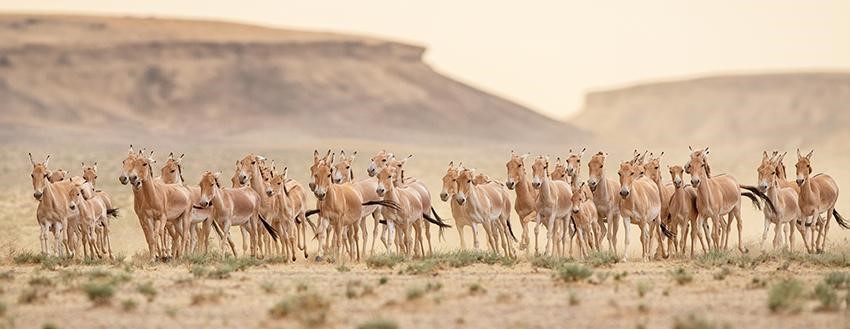
Despite its harsh appearance, the Gobi is home to many species.
Common wildlife includes:
After rainfall, parts of the desert briefly turn green, supporting grazing animals and plant life.
The Gobi is a strong example of how life adapts even in extreme conditions.
Geological Importance of the Gobi
The Gobi is not only beautiful but also scientifically important.
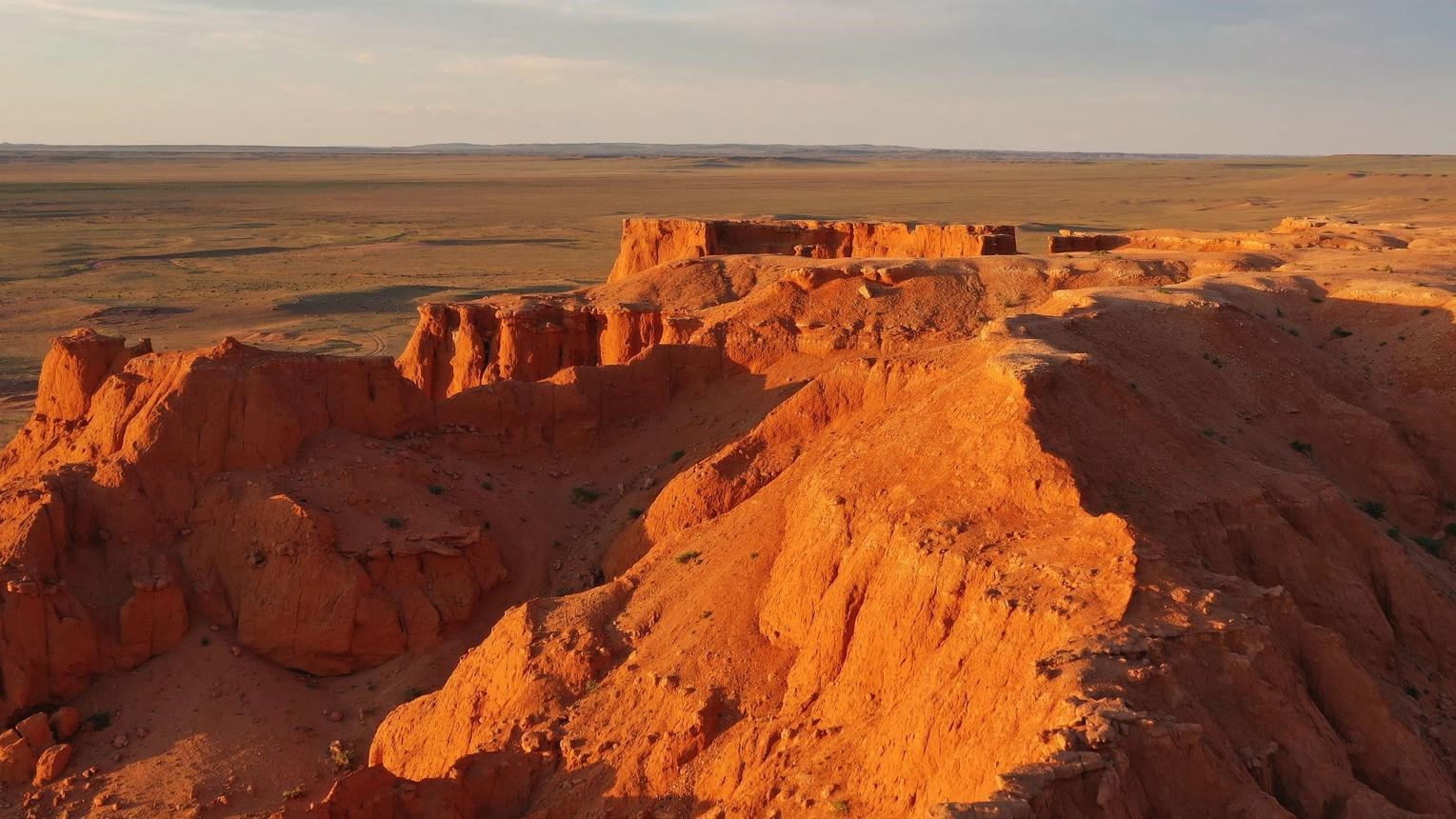
It contains:
Scientists continue to study the region to better understand Earth’s climate history and prehistoric life.
Cultural Importance of the Gobi Region
The Gobi is deeply connected to Mongolian identity.
It represents:
Unlike many places where traditional life has disappeared, the Gobi still preserves ancient ways of living.
This makes it not just a natural destination, but also a cultural heritage landscape.
Best Time to Visit the Gobi
The best travel season is:
May to September
During this time:
Winter travel is possible but extremely cold and challenging.
Practical Travel Tips
Before visiting the Gobi:
Being prepared significantly improves the travel experience.
Responsible Travel in the Gobi
Because the Gobi is fragile, responsible tourism is important.
Visitors should:
Sustainable travel helps preserve the Gobi for future generations.
The Real Meaning of the Gobi Experience
The Gobi is not a destination you simply “visit.”
It is a place you experience slowly.
It teaches travelers:
Many visitors leave the Gobi with a completely different perspective on deserts, nature, and simplicity.
Authority Note
Discover Mongolia Travel has operated since 2004 and organizes cultural and travel experiences across Mongolia.
Frequently Asked Questions (FAQ)
1. Is the Gobi Desert really a desert?
Yes, but it is not a typical sandy desert. It is a cold desert with mixed terrain including rock, sand, and mountains.
2. Why is the Gobi famous?
It is famous for dinosaur fossils, unique landscapes, nomadic culture, and extreme natural contrasts.
3. How many days do you need in the Gobi?
Most travelers need 5–10 days to explore major highlights comfortably.
4. Is the Gobi safe for tourists?
Yes, it is safe, especially when traveling with experienced local guides.
5. What makes the Gobi different from other deserts?
Its diversity—ice, dunes, mountains, and wildlife all exist in one region.
6. Can you stay with nomadic families?
Yes, many tours include homestays in traditional gers.
7. Is internet available in the Gobi?
Only in limited areas. Most remote regions have no signal.
8. What is the most beautiful part of the Gobi?
Many travelers consider Khongor Dunes and Yolyn Am Valley the most scenic.
Final Conclusion
The Gobi Desert is not just a desert.
It is a landscape of extremes, a historical archive of Earth, and a living home for nomadic culture. It challenges expectations and rewards curiosity.
For travelers seeking something beyond ordinary destinations, the Gobi offers not just views—but experiences that stay for a lifetime.