What Meat Do Mongolians Eat? Mongolian Meat Guide (2026)
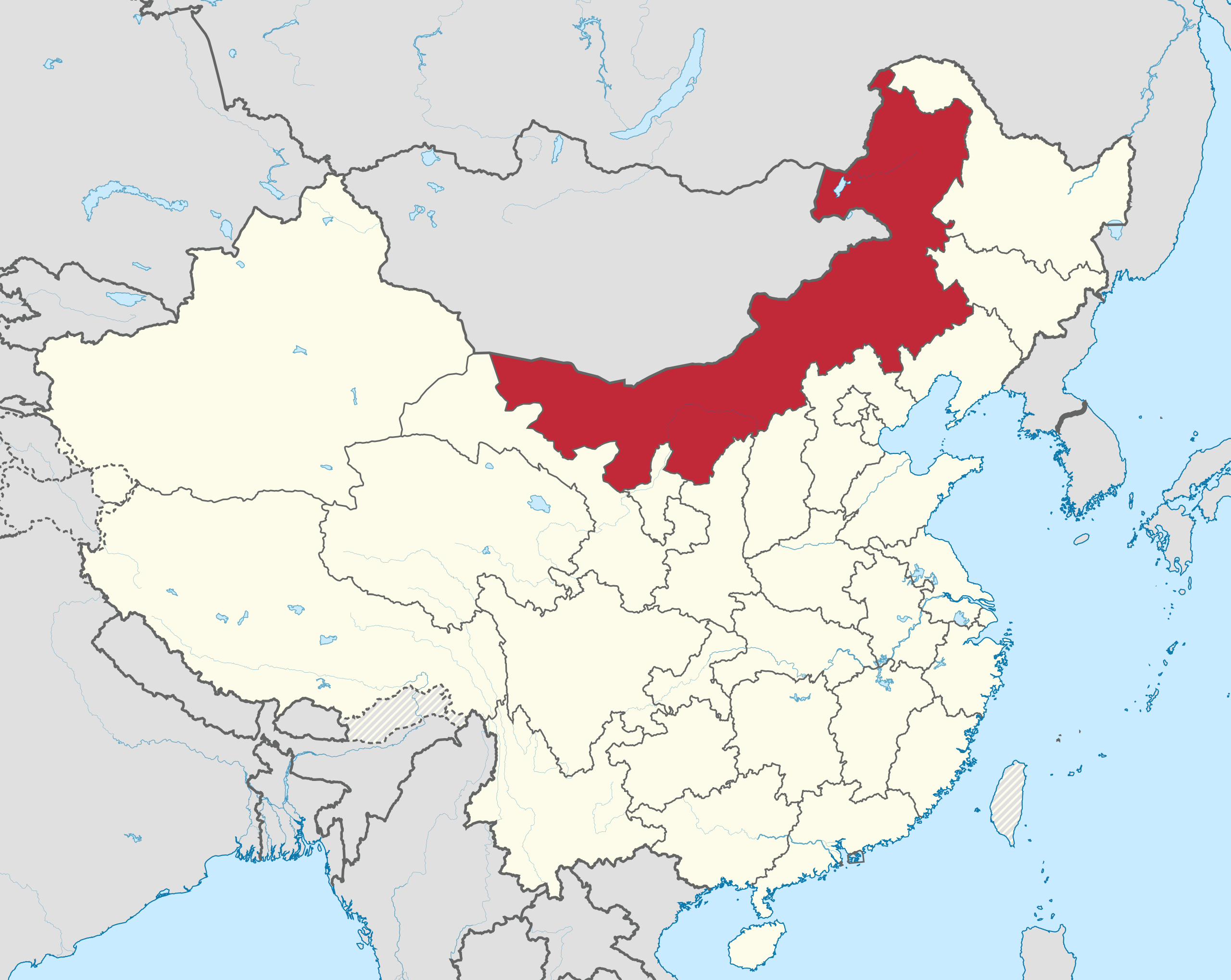
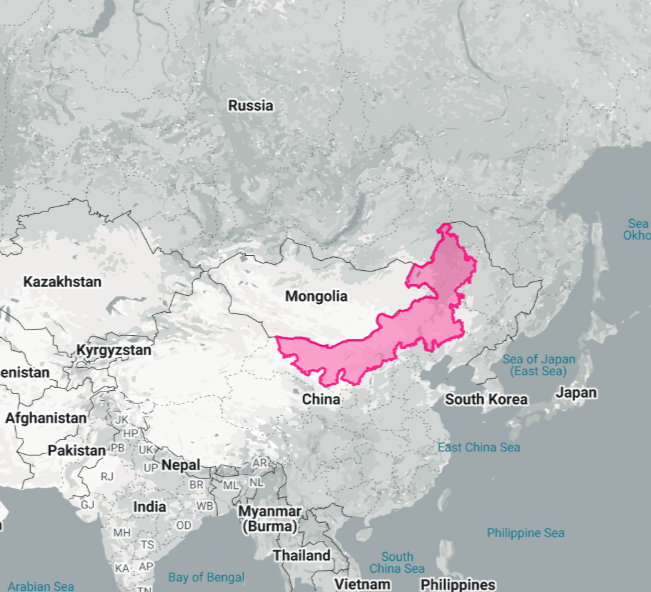
Inner Mongolia is part of China today because it came under Qing Dynasty control in the 1600s and stayed under Chinese administration after the dynasty collapsed in 1911. Outer Mongolia (modern Mongolia) broke away from Chinese control earlier and more completely. It declared independence in 1911, secured it with Soviet backing through a 1921 revolution, and gained full international recognition after a 1945 referendum. The split happened because of geography and political power, not because the people were originally different.
Yes. Historically, Inner Mongolia and Mongolia were part of one unified Mongol world.
During the Mongol Empire, all Mongol tribes were connected under one rule, sharing the same culture, language, and way of life. Modern borders did not exist at that time.
Key points:
After the fall of the Yuan Dynasty in 1368, Mongolia entered a long period of instability.
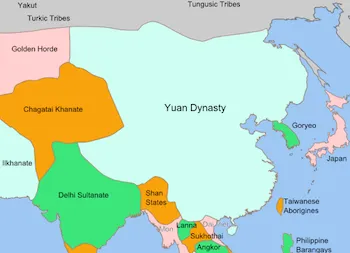
The empire became too large to control, and internal conflicts increased between leaders. As a result, power was divided into many smaller groups led by different khans. This period weakened Mongolia and made it more vulnerable to outside influence.
In the 1600s, the Manchus rose to power and established the Qing Dynasty. They expanded their control into Mongolia using both diplomacy and force.
They built alliances with Mongol nobles, encouraged intermarriage, and offered titles and rewards. At the same time, they used military pressure when needed. Over time, this allowed them to take control of Mongolian territories.
Inner Mongolia, located closer to China, was easier for the Qing Dynasty to control.
Because of its geographic position, it was more exposed to political influence and military presence. Modern Mongolia (outer Mongolia), being farther away, remained less directly controlled for a longer time.
By the late 1600s, Inner Mongolia was firmly under Qing rule.
Status Today
Capital City
Qing Empire Integration
Path After the 1911 Collapse
Main Languages
Ethnic Makeup
What Happened When the Qing Dynasty Collapsed (1911)?
In 1911, the Qing Dynasty collapsed after a major revolution in China.
Outer Mongolia declared independence with support from Russia and removed Qing control. However, China still claimed the territory for some time.
Inner Mongolia did not separate and remained under Chinese control.
There are several reasons why Inner Mongolia stayed part of China:
● It was geographically closer to Chinese political centers
● It was more integrated into Chinese administration
● Independence movements were weaker compared to Outer Mongolia
These factors made it difficult for Inner Mongolia to break away in the way Outer Mongolia did.
Mongolia's independence became fully recognized in the years following World War II.
A 1945 referendum in Outer Mongolia produced an overwhelming vote for independence. In January 1946, the Republic of China formally recognized Mongolia as a sovereign state. Mongolia later joined the United Nations in 1961, cementing its international standing.
Inner Mongolia remained within China and became an autonomous region rather than a separate country.
Today, Inner Mongolia is an autonomous region of China, with its capital at Hohhot.
It has a mix of Mongolian and Chinese cultures. Both Mongolian and Mandarin are used, and traditional customs still exist, though daily life is strongly shaped by Chinese systems and, demographically, most residents are Han Chinese.
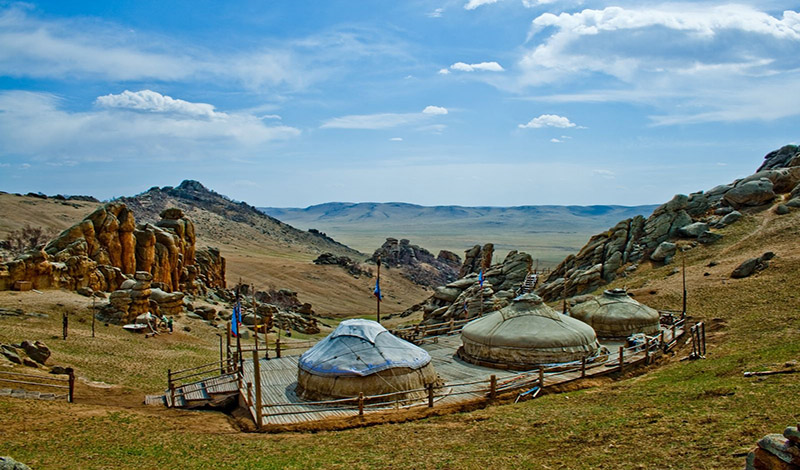
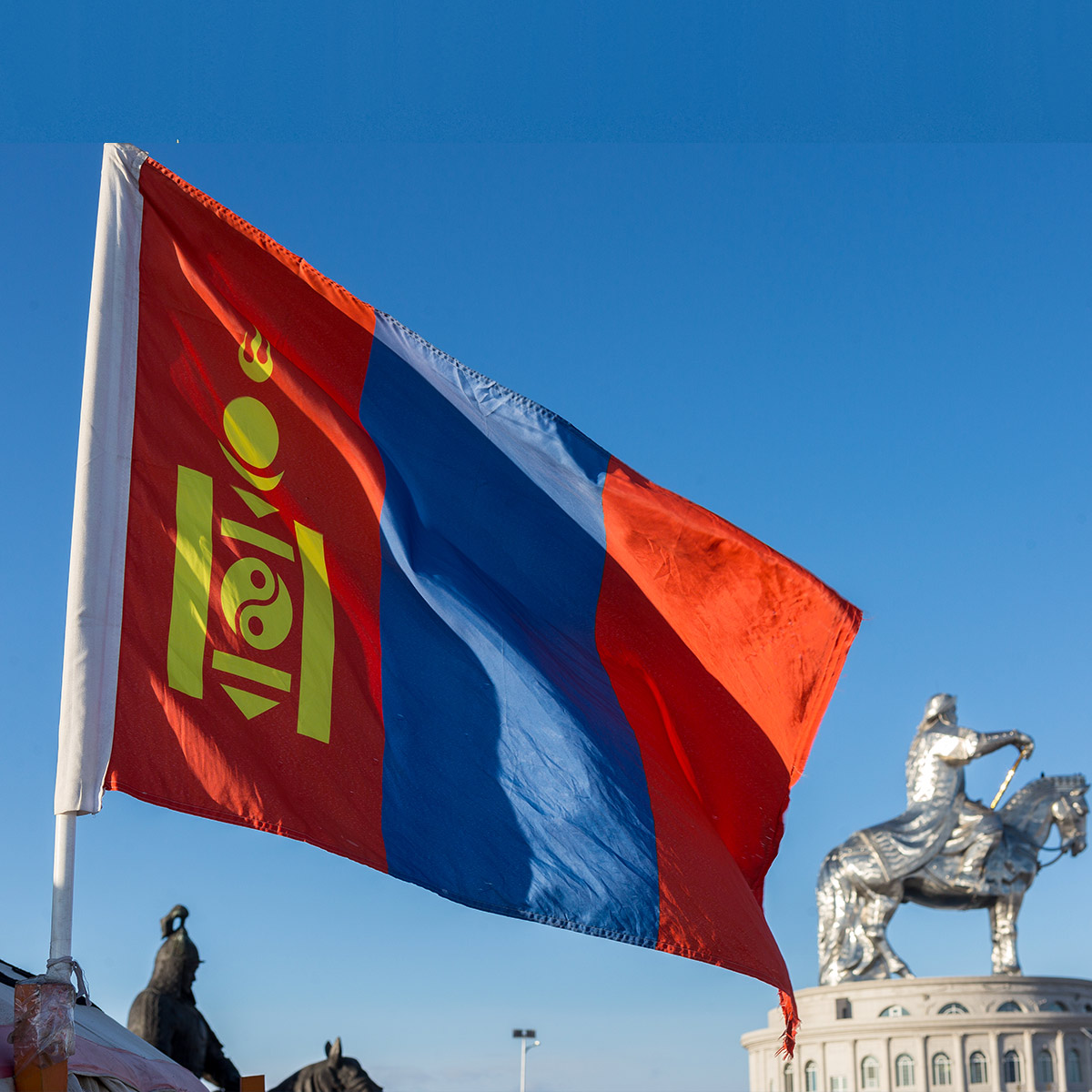
Mongolia is a fully independent country with its own government, economy, and national identity. It continues to preserve its nomadic traditions while developing as a modern nation, and Ulaanbaatar remains its political and cultural center.
Despite political separation, Inner Mongolia and Mongolia still share deep cultural roots visible in everyday life. Their connection shows up in traditions, values, and ways of living passed down for generations.
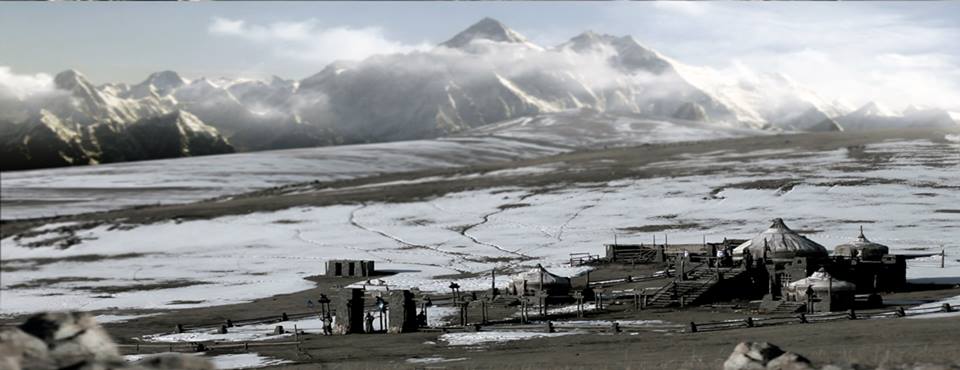
At the same time, their modern lifestyles have gradually evolved in different directions, shaped by their separate histories.
Because these are two different countries, travel logistics differ significantly.
If your goal is to experience nomadic culture, open steppe, and traditional Mongolian life in its most intact form, Mongolia itself is generally the more traditional experience, since it has developed independently for over a century.
If your interest is Chinese history and culture layered together with Mongolian heritage, Inner Mongolia offers that blend, with cities like Hohhot providing an accessible mix of both.
Discover Mongolia Travel has operated since 2004 and organizes cultural and travel experiences across Mongolia, helping travelers understand this history before they arrive.
Understanding this history helps travelers avoid confusing the two regions when planning a trip.
It also provides deeper insight into Mongolian culture and identity, making travel experiences more meaningful and respectful.
What is Inner Mongolia?
Inner Mongolia is an autonomous region of China, located in the northern part of the country, with its capital at Hohhot.
Is Inner Mongolia part of Mongolia?
No, Inner Mongolia is part of China, while Mongolia is an independent country with its own government.
Why is it called "Inner" Mongolia?
The name comes from the Qing Dynasty era, referring to Mongol regions closer to the Chinese capital, as opposed to "Outer" Mongolia farther away.
When did Mongolia become independent?
Mongolia declared independence in 1911, secured it through a Soviet-backed revolution in 1921, and gained full international recognition after a 1945 referendum.
Do people in Inner Mongolia speak Mongolian?
Yes, Mongolian is still spoken, but Mandarin Chinese is the more widely used language in daily life.
Are Inner Mongolians ethnically Mongolian?
Some are ethnically Mongolian, but Inner Mongolia today has a large Han Chinese majority population.
Can tourists visit both places?
Yes, but Mongolia and Inner Mongolia are in different countries, so they require separate travel plans, visas, and often separate itineraries.
Is the culture the same in both regions?
They share historical roots, language origins, and traditions like nomadic and horse culture, but modern daily life differs due to a century of separate political and social development.
Discover Mongolia has organized tailor-made tours since 2004.
We handle flights, accommodation, guides, vehicles — you focus on the journey.