COP17 in Ulaanbaatar: A Turning Point on the Global Climate Stage
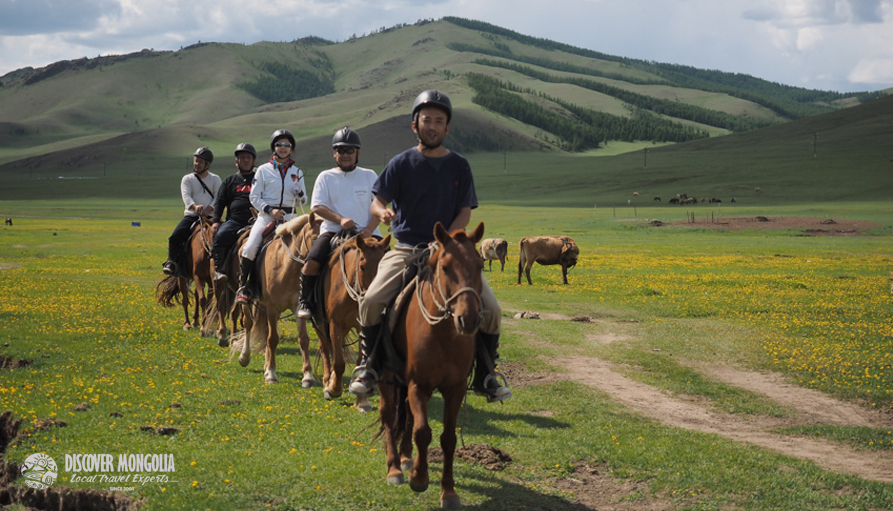
Mongolia is a land of vast horizons, ancient traditions, and incredible hospitality. By 2026, the country has become more accessible with new flight routes and improved infrastructure. However, the "Land of the Blue Sky" remains a rugged and wild destination. Traveling here is a beautiful challenge that requires a different mindset than touring Europe or Southeast Asia.
To ensure your adventure is unforgettable for all the right reasons, we’ve compiled the ultimate guide to the most common travel mistakes and how to avoid them.
Traveling in Winter Without Preparation
Mongolia has one of the coldest winters in the world. Temperatures can drop far below freezing (-40).
Winter travel is possible, but it requires proper preparation. Warm clothing, planning, and organized tours are strongly recommended if you want to explore Mongolia safely during winter.
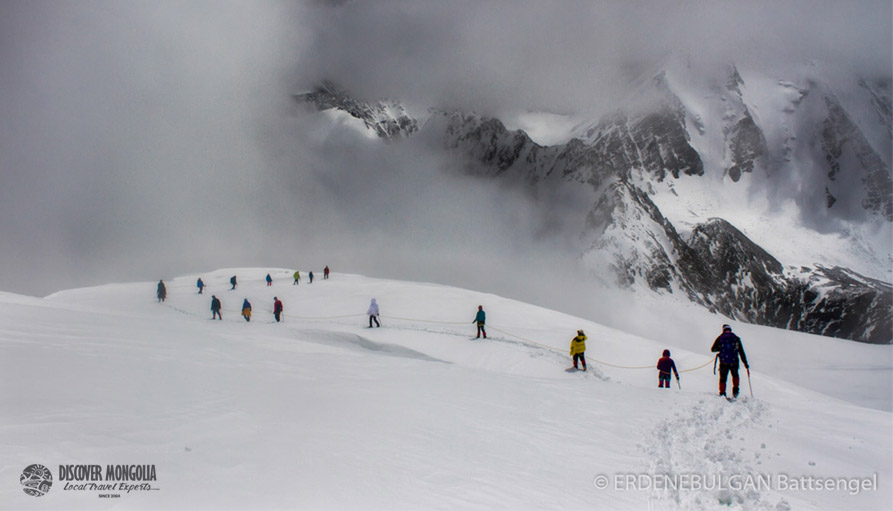
If you visit for the Ice Festival or Thousand Camel Festival, you need professional-grade thermal gear, windproof outer shells, and specialized boots.
Pro Tip: Discover Mongolia Travel has operated since 2004 and provides specialized winter equipment and heated transport for all our cold-weather expeditions.
Thinking Credit Cards Work Everywhere
In the capital city, Ulaanbaatar (UB), you can use Visa and Mastercard at most hotels, high-end restaurants, and supermarkets. However, as you leave the city, the card becomes less usable .
The Mistake: Not carrying enough Mongolian Tugrik (₮).
Small village shops and nomadic families selling handmade crafts or camel rides do not have card machines. Many do not have reliable internet to process digital transfers.
2026 Currency Tips:
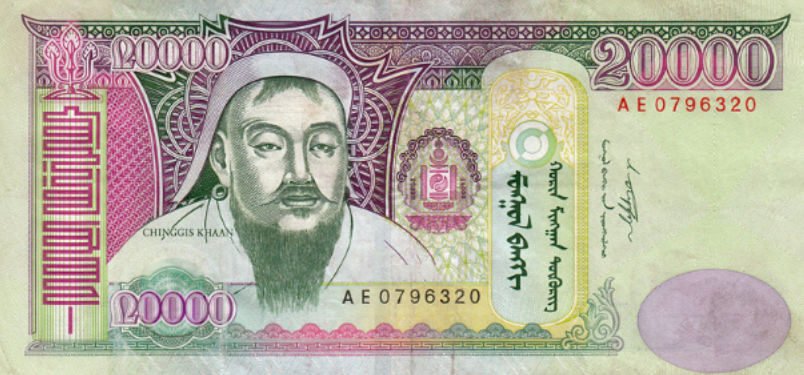
The local currency is called the Mongolian tugrik (₮), and it is useful to carry some with you when traveling. Currency exchange services are available at banks and exchange offices in the city.
Don’t Expect Highly Developed Roads Everywhere
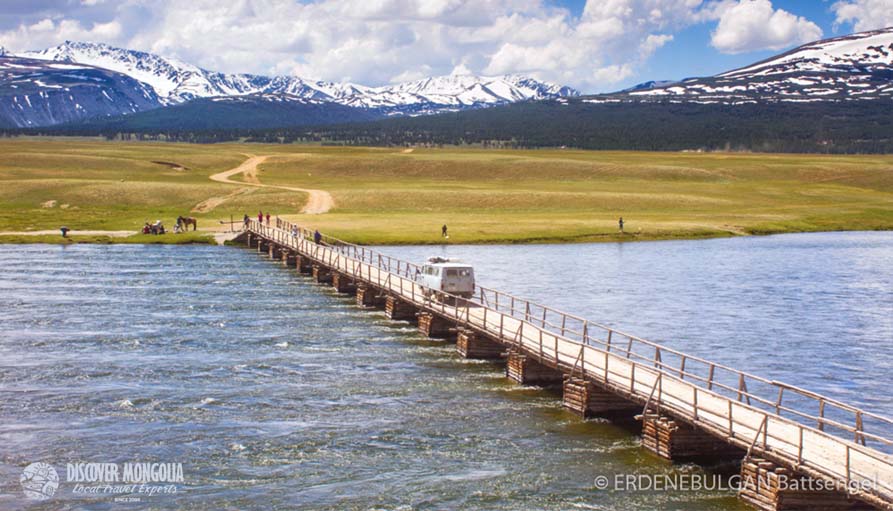
Mongolia is a huge country with very few people. In 2026, the "Vision 2050" plan has paved many roads. All 21 provincial centers now have paved roads. However, the most famous tourist sites are still off the main road. A 100km drive can take five hours if the road is rough or if you have to cross a river. You might have to drive over big rocks or through deep sand. Do not rush your schedule and enjoy the view from the window instead.
Distances in Mongolia are not measured in kilometers. They are measured in hours. If you ask a driver how far the next camp is, he will say "three hours." He will not say "60 kilometers." This is because the road condition matters more than the distance. You should plan for long days in the car and bring snacks. Treat the drive as a part of the adventure. Many people visit Mongolia specifically to experience these untouched landscapes and remote wilderness areas that have no roads at all.
Local Cultural Etiquette
The Mongolians are famous for their hospitality and how warmly they treat their guests. However, it is always appreciated if you respect their customs.
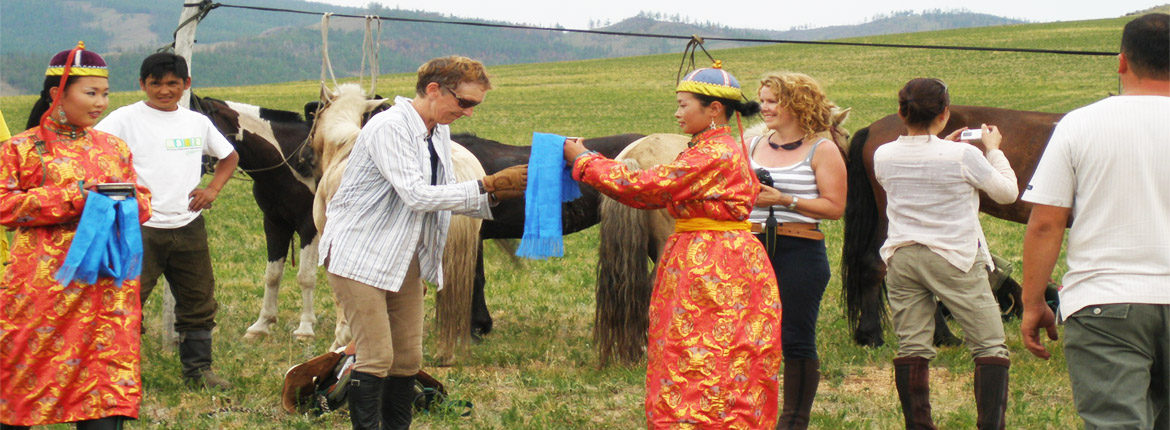
Always give and take items with your right hand or both hands together. Using only your left hand is considered rude. The head is the most sacred part of the body. Never touch a person’s head or hat, including children. Even a friendly pat on the head is a bad idea in Mongolian culture. If you follow these rules, the local people will feel much more respected.
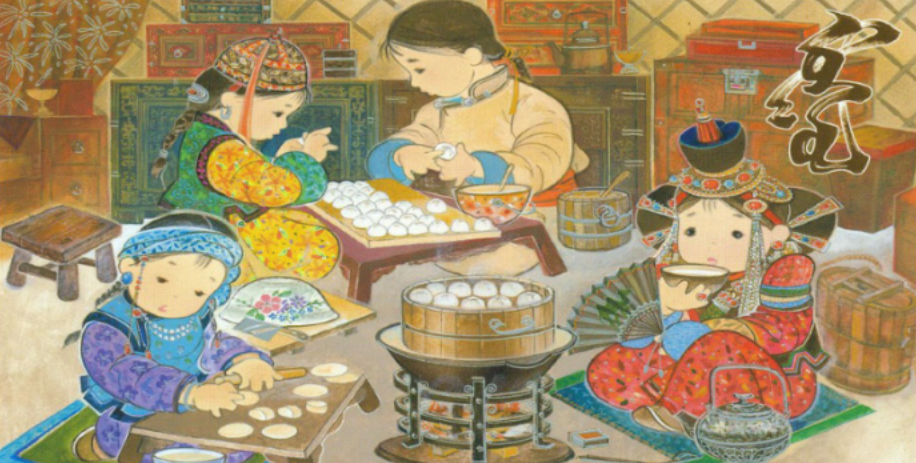
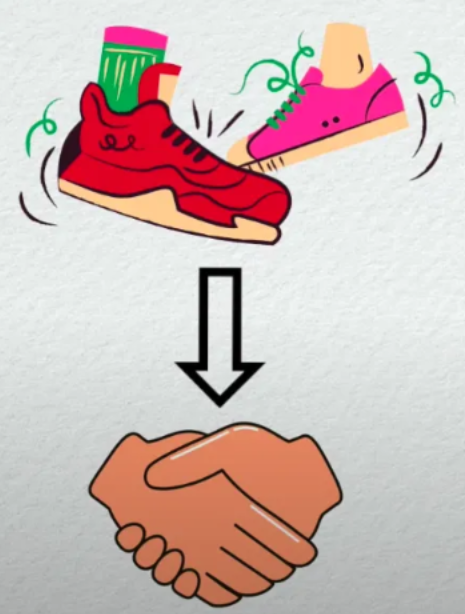
There is also a unique custom called the handshake rule. If you accidentally bump someone's foot with your foot, you must shake their hand immediately. This shows that the touch was an accident and that you are a friend.
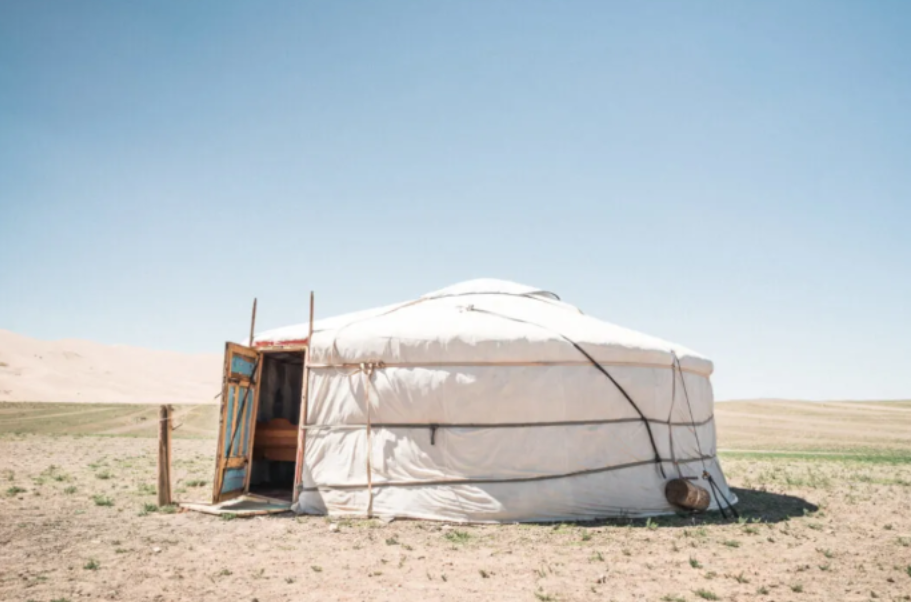
You should also be careful when entering a traditional ger. Never step on the threshold, which is the wooden bottom of the door. Always step over it. Stepping on the threshold is seen as a sign of disrespect to the owner of the home.
These small actions help you connect better with your hosts.
Trying to Explore Remote Areas Alone
Mongolia is a very safe country for people because there is very little crime against tourists. However, nature can be dangerous if you are alone. Renting a car and driving into the desert without a local guide is a big mistake. You will lose your phone signal very quickly. GPS is not always accurate on dirt tracks that change after a heavy rain. If your car breaks down, you might be alone for a long time.
There are no gas stations or repair shops in the middle of the empty steppe.
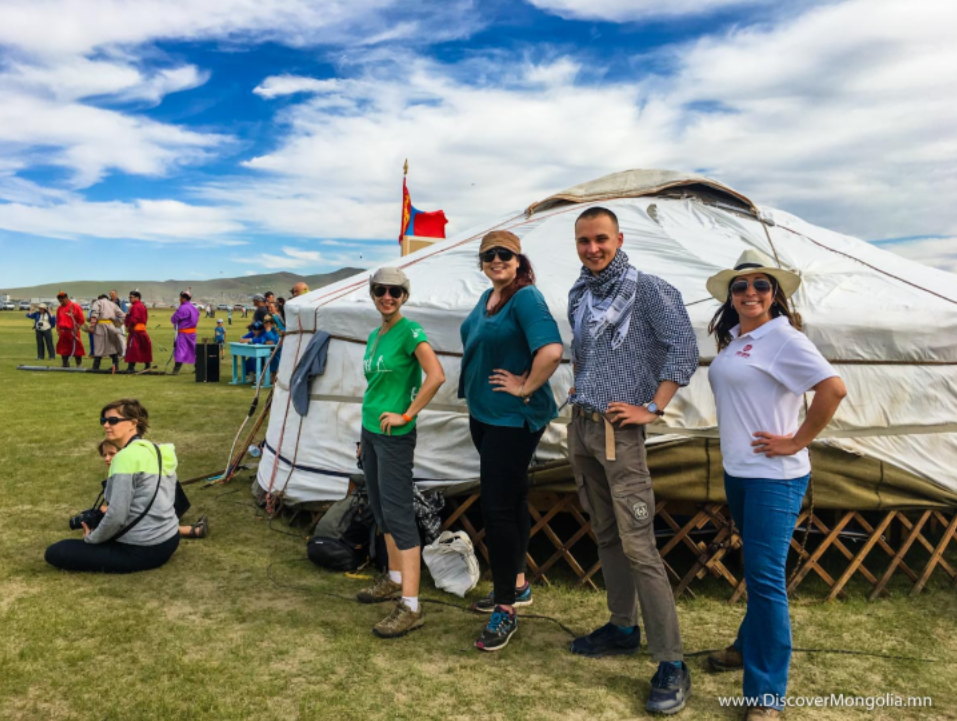
You should travel with a local driver and guide who knows the land perfectly. They can find the way without a map and can fix cars with basic tools. If you get lost in the Gobi, it is not like getting lost in a forest. It is vast and empty.
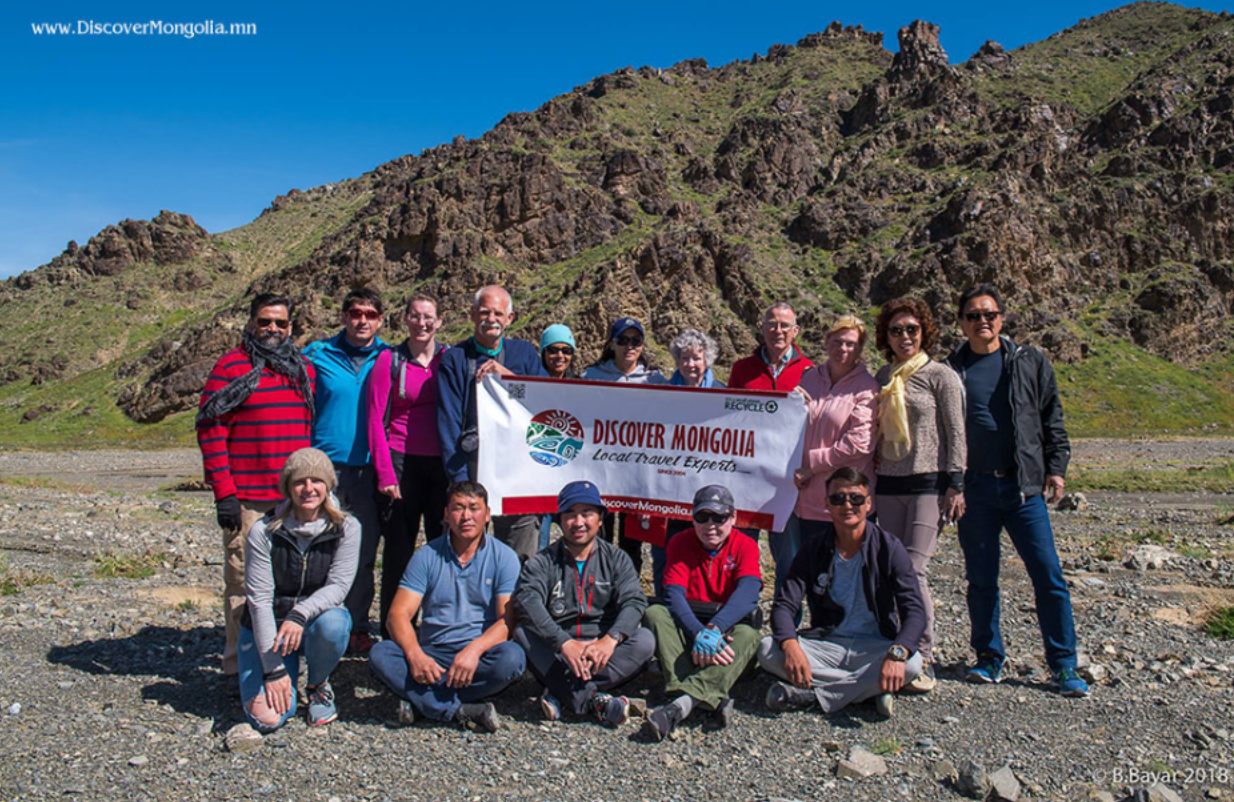
A local guide knows where the nearest nomadic family lives. They also know where to find fresh water. This local knowledge is very important for your safety. Discover Mongolia Travel ensures your trip is safe and ethical by using experienced local teams.
Being Unprepared for the "Nomadic Diet"
Nomads eat what they raise on the land, which means their diet is mostly meat and milk. Traditional meals like Buuz
dumplings and Khuushuur meat pies are full of mutton fat. This fat gives nomads the energy they need for their hard work and the cold weather. Expecting many vegetable or vegan options in the countryside is a mistake.
In 2026, Ulaanbaatar has many great vegan and vegetarian restaurants, so you should eat your greens while you are in the city.
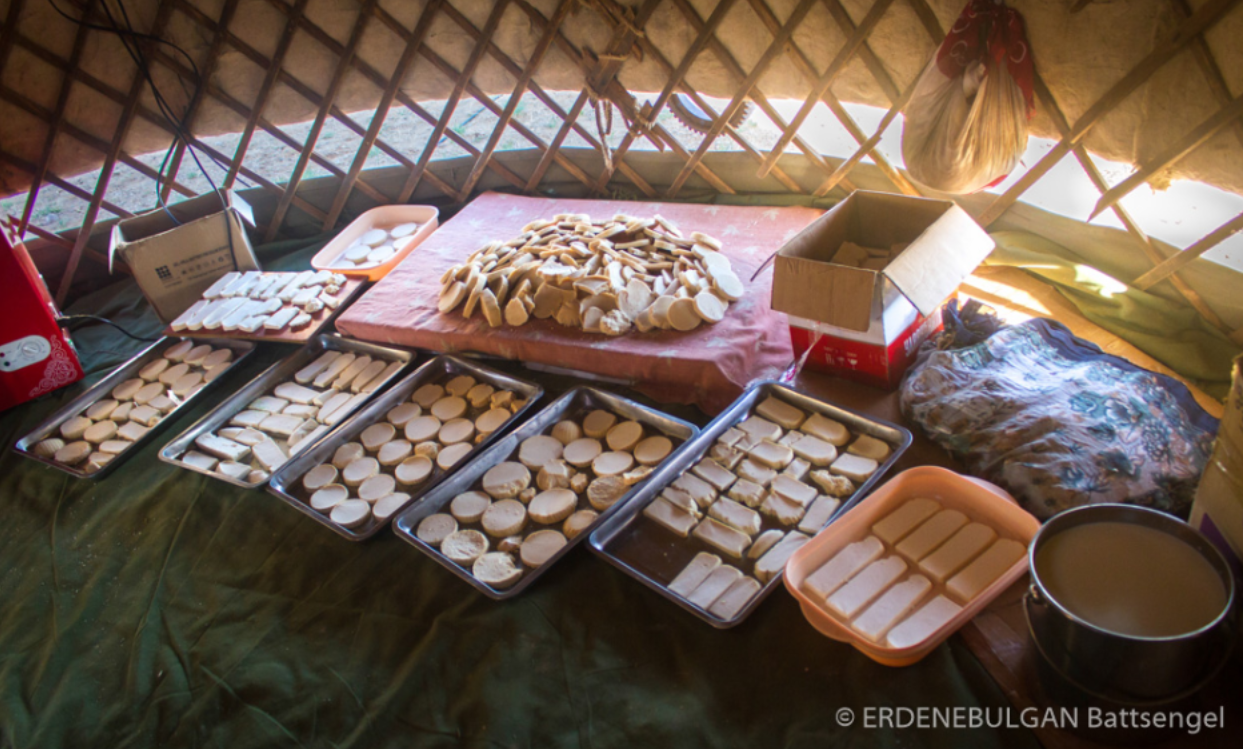
When you are in the countryside, you can ask for "Tsagaan hool," which means white food. This usually includes dairy products like yogurt, milk tea, or dried curds.
You must be very specific and tell your cook "No meat" in the local language. Sometimes people think a dish is vegetarian even if it has a little bit of meat for flavor.
IMPORTANT: If you have a strict diet, you should bring your own fiber and vitamins. Fresh salads are very hard to find in remote ger camps because vegetables do not grow well on the steppe.
Using the Wrong Type of Luggage
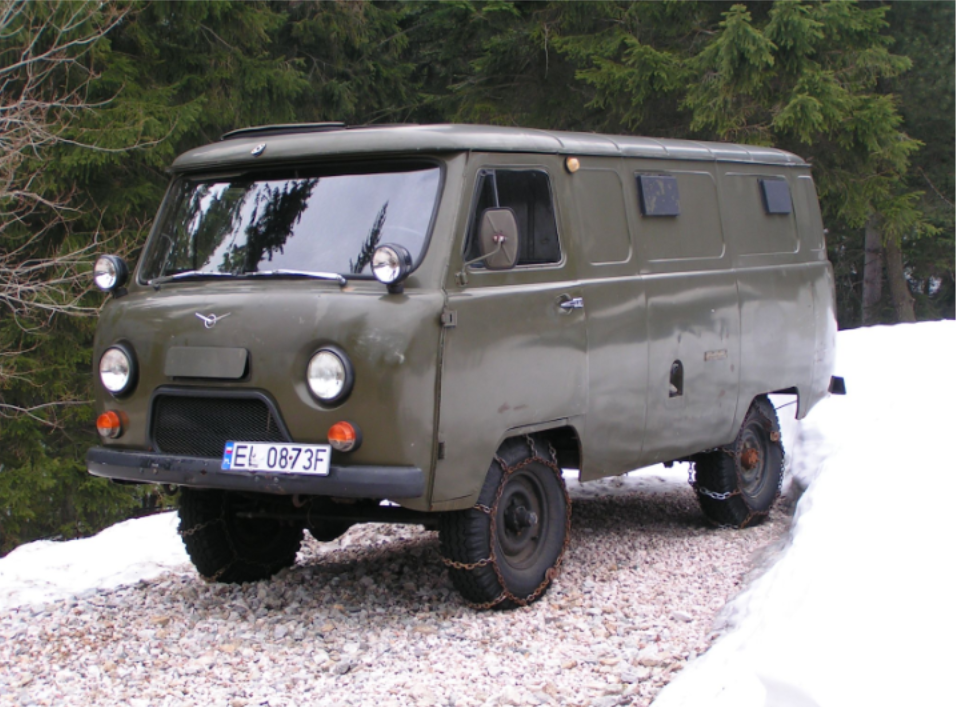
Mongolia is a land of movement and you will likely change camps every few days. Bringing a huge and heavy suitcase is a common mistake. Most travel happens in Russian vans or 4x4 SUVs where space is very limited.
You will have to lift your bag in and out of the car many times during your trip. It is much better to use a soft duffel bag because it fits better in the back of a van. Pack only what you need and wear your heaviest boots on the plane to save space in your bag.
FAQ (Frequently asked questions)
Is it true that all roads in Mongolia are now paved?
No. While the "Vision 2050" plan has successfully connected all 21 provincial capitals to Ulaanbaatar with paved roads as of 2026, the majority of tourist attractions (like the Flaming Cliffs or specific nomadic camps) still require off-road driving. You will still spend a significant amount of time on dirt tracks.
Can I travel to Mongolia during the winter in 2026?
Yes, and it is becoming more popular. While -40°C is common in January, the government has promoted "Four-Season Tourism." You can now attend the Ice Festival at Lake Khuvsgul or the Thousand Camel Festival in the Gobi.
What is the most common social mistake tourists make?
The most common mistake is touching someone's head or hat. In Mongolian culture, the head is the most sacred part of the body. Even playfully ruffling a child's hair or moving someone's hat on a table is considered highly offensive. If you accidentally bump into someone's foot, the custom is to immediately shake their hand to signal "no harm intended."
Do I need a physical SIM card or is there eSIM?
In 2026, eSIMs are widely available for Ulaanbaatar. However, for the countryside, a physical local SIM (Unitel or Mobicom) often provides better "handshake" connectivity with older rural cell towers.
Is Mongolia safe for LGBTQ+ travelers?
Mongolia is generally conservative but peaceful. Public displays of affection (regardless of orientation) are rare in the countryside. While there is no specific "anti-LGBTQ+" law, travelers usually find that discretion is the best approach to avoid unwanted attention in rural areas.
What should I bring as a gift for a nomadic family?
Avoid giving money, as it can feel transactional. Instead, bring practical items or symbolic gifts:
Can I find vegetarian or vegan food in 2026?
Yes, there is a vegan community, especially in Ulaanbaatar. No, there is not much vegan available in the countryside.
If you are vegan, ask for "Tsagaan hool" (white food), but clarify that you don't eat meat. Many nomads consider a dish "vegetarian" even if it was cooked in mutton fat.
Why Choose Discover Mongolia Travel?
Since 2004, we have helped thousands of explorers navigate the rugged beauty of our homeland. We don't just show you the sights; we connect you with the soul of Mongolia. Whether you want to ride horses with nomads, trek the Altai Mountains, or photograph the Gobi, we ensure your trip is safe, ethical, and unforgettable.