What Meat Do Mongolians Eat? Mongolian Meat Guide (2026)
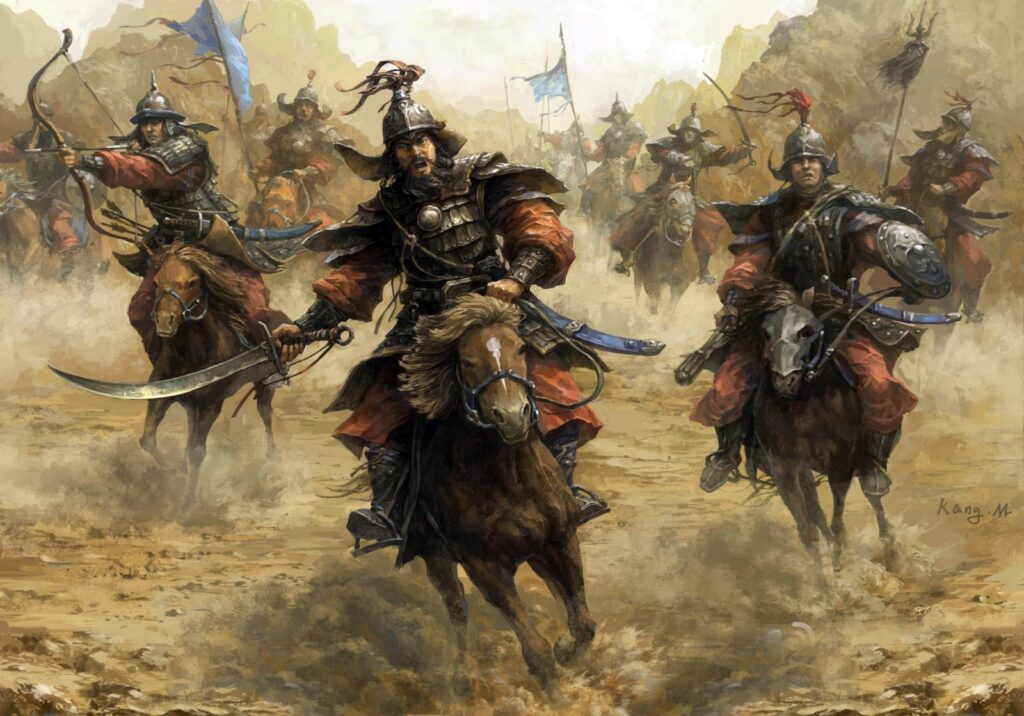
The Mongols were one of the inspirations behind the Dothraki. George R. R. Martin has explained that the fictional culture also borrowed ideas from the Huns, Alans, Sioux, Cheyenne and other peoples, along with elements created purely for fantasy. The strongest Mongolian connection is the importance of horses, mobile life on open grasslands and mounted warfare. However, the Dothraki should not be treated as an accurate representation of historical Mongol society.
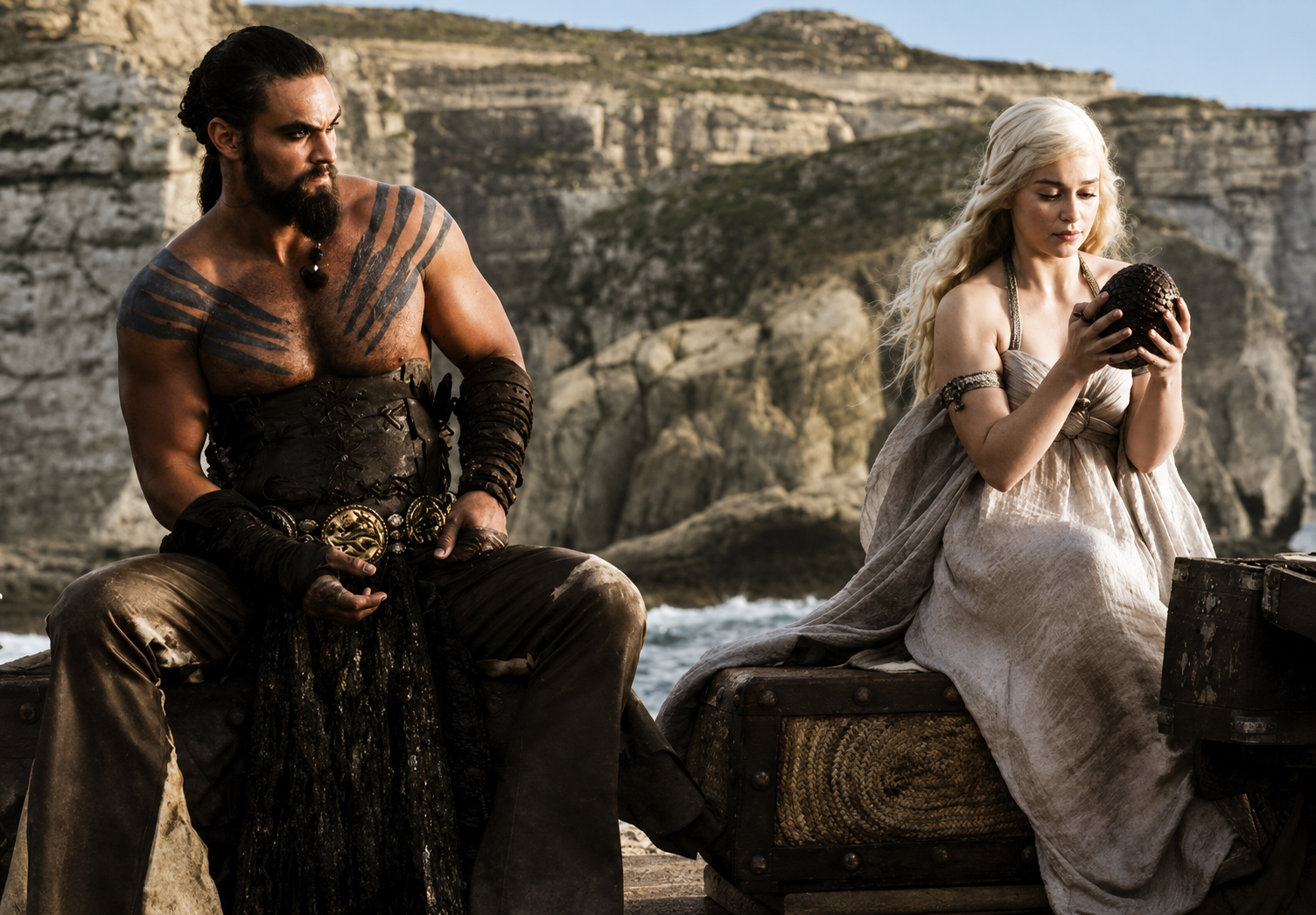
The visual similarities are easy to notice.
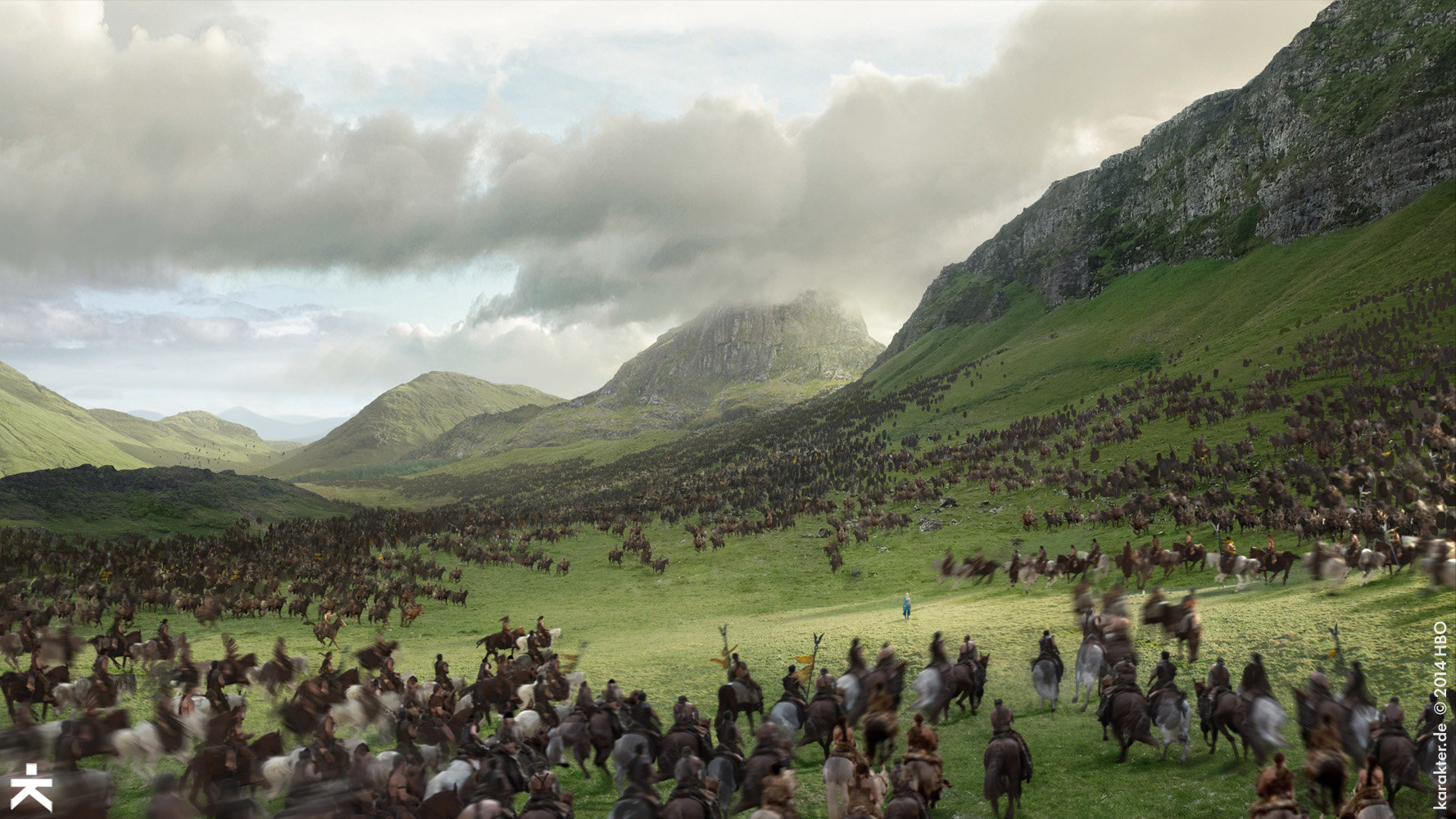
The Dothraki travel across the huge grasslands of Essos on horseback. Horses influence their travel, warfare, status and identity.
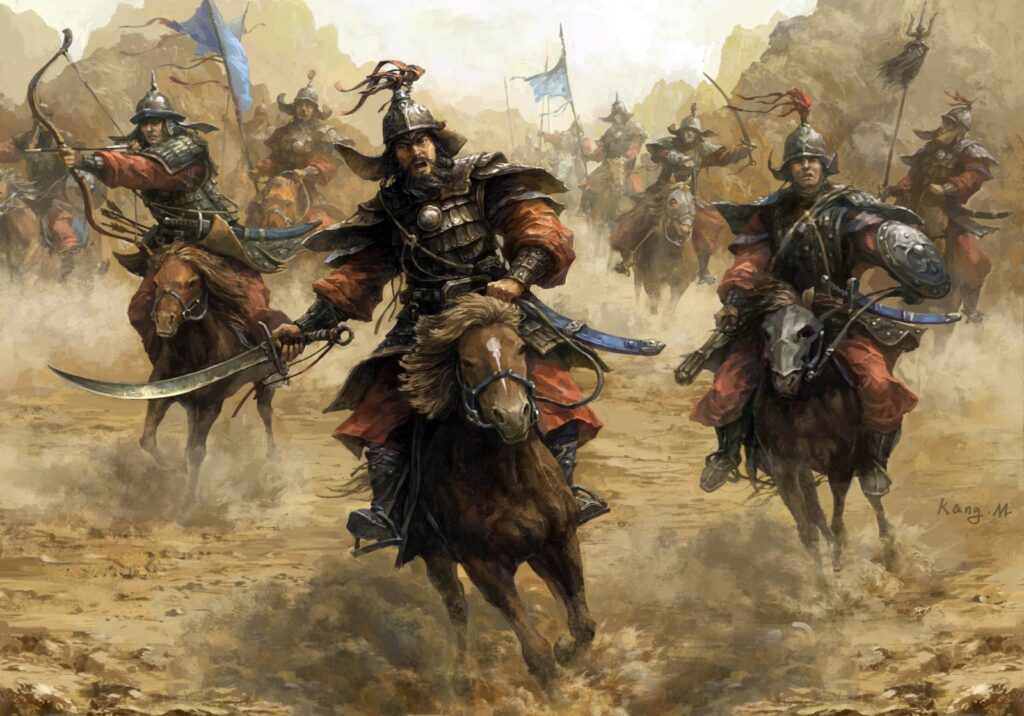
Horses also played an important role in the history of Mongolia. They were essential for transport, herding and warfare, and mounted armies helped the Mongol Empire move rapidly across enormous distances.
That shared emphasis on horses is one of the clearest reasons people connect the fictional Dothraki with Mongolia.
Calling the Dothraki simply "fantasy Mongols" misses an important part of their creation.
Martin has said that he combined elements from several steppe and plains cultures. Mongols and Huns were among them, but he also mentioned Alans and Indigenous peoples of the North American plains, including the Sioux and Cheyenne.
He then added fictional ideas that do not need to match any historical culture.
This means there is no single real-world society that can be used as an exact model for the Dothraki.
Some broad comparisons are reasonable:
These similarities help explain why Mongolia is often the first real place people think of when they see the Dothraki.
The differences are just as important.
The Dothraki therefore work better as a fantasy mixture inspired partly by steppe history than as a fictional copy of Mongolian society.
"Khal" and "Khan" sound similar, which makes the comparison tempting.
In Game of Thrones, a khal is the leader of a Dothraki khalasar. Historically, khan was a title used by rulers among Mongols and other peoples of Inner Eurasia.
However, there is no strong published evidence showing that the fictional word khal should be treated as a direct linguistic form of the historical title khan.
It is safer to describe the similarity as an interesting parallel rather than a confirmed etymological connection.
Khal Drogo and Genghis Khan are both famous leaders associated with mounted warriors, but that does not make Drogo a fictional version of Genghis Khan.
Genghis Khan united Mongol groups and created the foundation of an empire that expanded across much of Eurasia during the 13th century. His success involved politics, alliances, military organization and administration as well as personal leadership.
Khal Drogo belongs to a fictional society built for a very different story.
Comparing the two can be entertaining, but treating them as direct equivalents gives readers a misleading picture of Mongolian history.
If there is one part of the comparison that feels especially natural, it is the horse.
For historical Mongols, horses provided mobility across the steppe and were essential to military campaigns. Horses also had much wider importance in everyday pastoral life.
Horse culture remains an important part of Mongolia today. Riding, herding and horse racing continue to have cultural significance in the country.
That makes Mongolia particularly interesting for Game of Thrones fans who became curious about real steppe cultures after seeing the Dothraki.
Fantasy stories often simplify societies so audiences can understand them quickly.
Real Mongol history is much more complicated.
Under Genghis Khan and his successors, Mongol power expanded across a huge part of Eurasia. The empire depended not only on cavalry but also on political organization, diplomacy, communication networks and the ability to govern very different populations.
This distinction is important because popular culture has often reduced Mongols to an image of violent horse warriors.
The real history includes conquest, but it also includes government, trade, diplomacy, religion and cultural exchange.
Travelers interested in the Dothraki comparison can use it as a starting point for learning about the real Mongolia rather than looking for a real-life version of Game of Thrones.
Consider experiences such as:
The most interesting experience comes from seeing where the similarities end and real Mongolian culture begins.
Discover Mongolia's local team plans journeys that connect travelers with Mongolia's landscapes, history and living nomadic traditions.
Were the Dothraki based on Mongols?
Yes, Mongols were one of the cultures that influenced George R. R. Martin when he created the Dothraki. He also named Huns, Alans, Sioux, Cheyenne and other peoples as inspirations, together with fictional elements.
Are the Dothraki supposed to be Mongolian?
No, the Dothraki are a fictional culture rather than a representation of modern or historical Mongolians. Some of their horse-centered and steppe imagery resembles aspects of Mongol history, but many other influences were involved.
Is Khal Drogo based on Genghis Khan?
No, there is no reliable statement from George R. R. Martin identifying Khal Drogo as a fictional version of Genghis Khan. They can be compared as powerful leaders associated with mounted warriors, but their stories and societies are very different.
Does the word Khal come from Khan?
No, there is no confirmed etymological evidence showing that the fictional title "khal" directly comes from the historical title "khan." The similarity is interesting, but it should not be presented as a proven linguistic connection.
Why are horses so important to the Dothraki?
Horses are central to Dothraki travel, warfare and social identity in Martin's fictional world. This is also one of the strongest parallels with historical steppe societies, where horses made long-distance movement and mounted warfare possible.
Did Mongols live like the Dothraki?
No, historical Mongol society was far more complex than the fictional Dothraki portrayal. Mongol states used organized military systems, political alliances, diplomacy and government while controlling large settled populations as well as steppe territories.
Is the Dothraki Sea based on Mongolia?
There is no confirmed one-to-one real location for the Dothraki Sea. Its huge open grasslands naturally remind many viewers of Mongolia and the wider Eurasian steppe.
Can you still experience horse culture in Mongolia today?
Yes, horses remain an important part of Mongolian cultural life, especially in rural areas. Travelers can experience horseback riding, pastoral landscapes and traditional horse culture while learning how modern Mongolia differs from fantasy portrayals.
Discover Mongolia has organized tailor-made tours since 2004.
We handle flights, accommodation, guides, vehicles — you focus on the journey.