What Are the Best Festivals in Mongolia? 2026 Travel Calendar
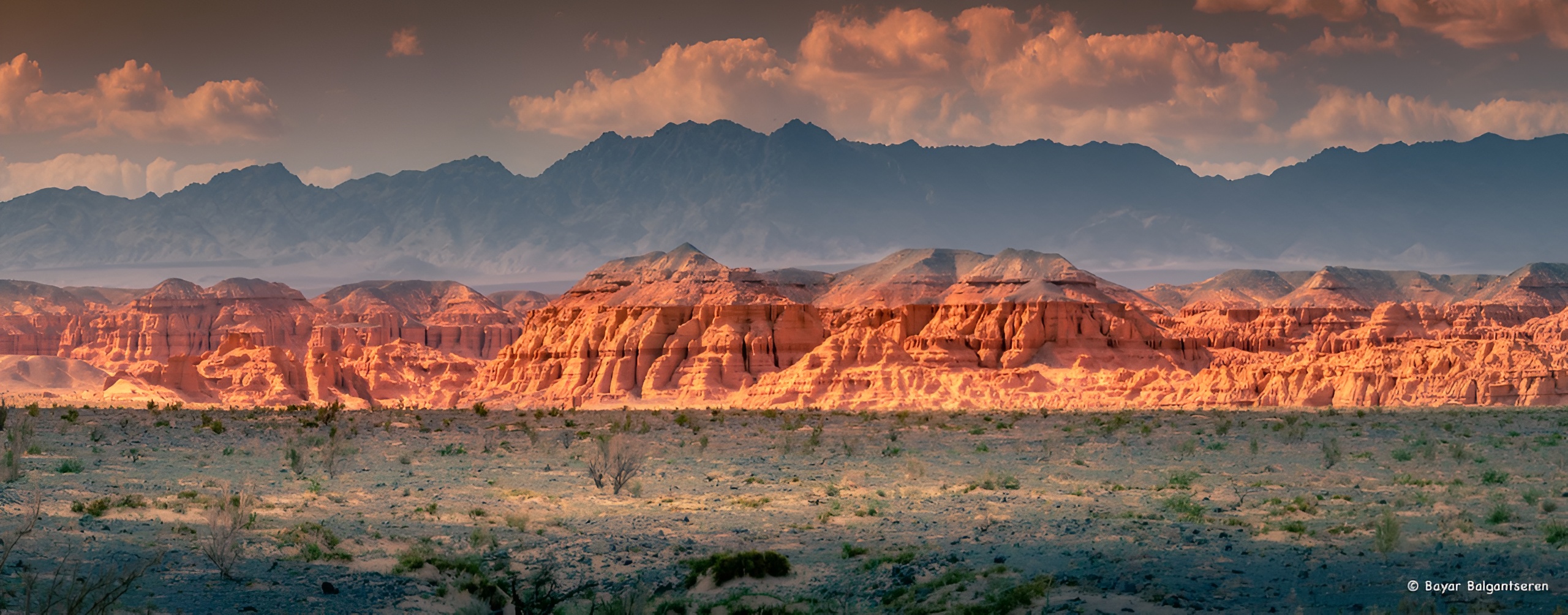
The Mongolian Gobi is much more than an endless sea of sand. A journey through southern Mongolia can take you from towering dunes and fossil-rich red cliffs to narrow mountain valleys, camel-herding communities, and quiet ger camps under a huge night sky. If you are planning your first Gobi trip, these five experiences show the variety that makes the region so memorable.
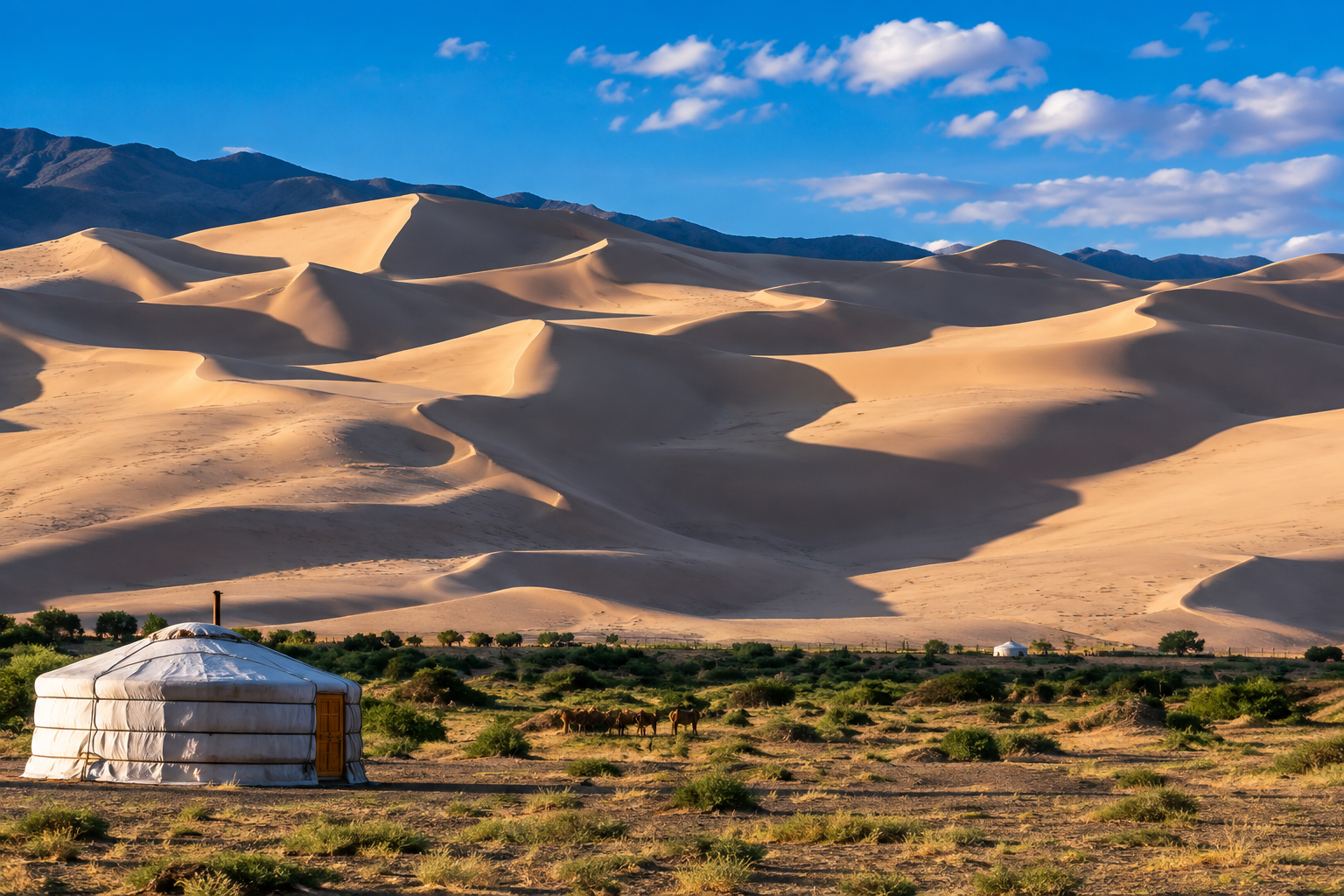
The five must-do activities in Mongolia's Gobi Desert are climbing Khongoryn Els, exploring Bayanzag's Flaming Cliffs, hiking through Yolyn Am, riding a two-humped Bactrian camel, and spending a night in a ger. These experiences combine the Gobi's landscapes, paleontology, wildlife, and living pastoral culture.
A classic Gobi route can include all five, although you should allow several days because the main attractions are separated by long overland drives. Discover Mongolia's current Gobi itinerary connects Yolyn Am, Khongoryn Els, camel-herding families, and Bayanzag on the same journey.
Khongoryn Els is one of the most impressive dune systems in Mongolia and one of the landscapes most visitors imagine when they think of the Gobi.
The dune field stretches for more than 100 km, with some ridges rising close to 300 metres. Scientific research identifies Khongoryn Els as one of the major dune fields of the southern Gobi.
The dunes are also known as the Singing Sands. Under the right dry conditions, moving sand can produce a deep humming or booming sound as grains move together down a slope. Research into singing dunes has shown that the sound is associated with synchronized movement within flowing sand.
What Is It Like to Climb Khongoryn Els?
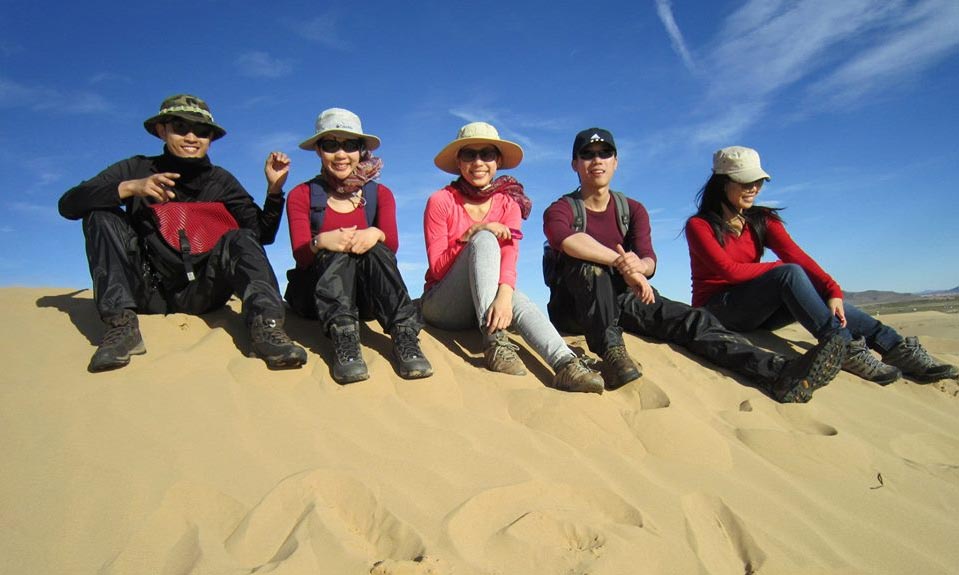
Climbing looks easier from the bottom than it feels once you start.
Soft sand moves underneath your feet, so every step requires more effort than walking on solid ground. You do not need to reach the highest possible point to enjoy the landscape.
The view becomes impressive well before the top.
Best Time of Day
Early morning and late afternoon are usually better than the middle of the day.
The light creates stronger shadows across the dunes, temperatures can be more comfortable, and sunset is particularly beautiful from the sand.
Bring water and avoid pushing yourself too hard on steep slopes.
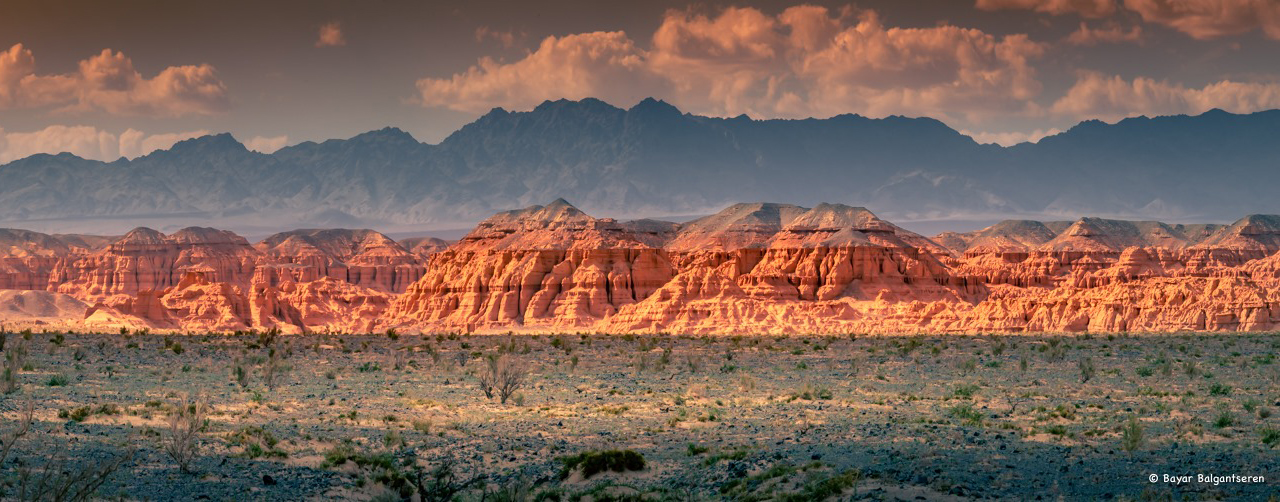
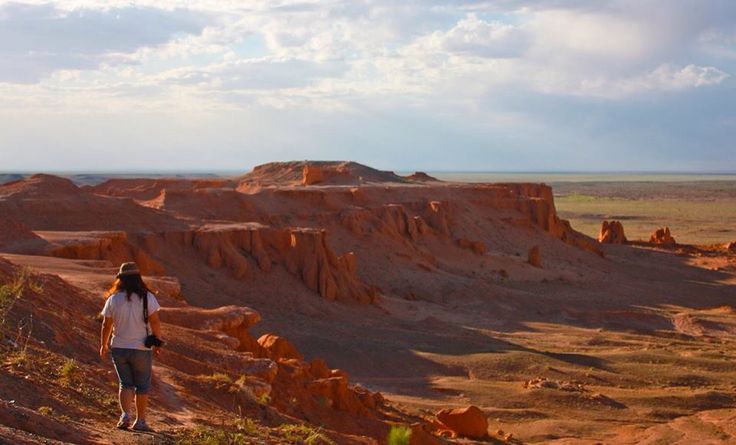
Bayanzag is one of the world's famous paleontological landscapes.
The red-orange formations became internationally known through the American Museum of Natural History's Central Asiatic Expeditions led by Roy Chapman Andrews in the 1920s.
In 1923, a member of the expedition discovered the first scientifically recognized non-avian dinosaur eggs at the Flaming Cliffs.
That date corrects a common error: some older Mongolia travel pages say the discovery happened in 1922. The American Museum of Natural History records the dinosaur egg discovery in 1923.
What Should You Do at Bayanzag?
Walk through the marked landscape and take time to look at the different layers, gullies, and red rock formations.
Late-afternoon light gives the cliffs the fiery color behind the English name “Flaming Cliffs.”
The experience becomes much more meaningful when your guide explains what paleontologists found here and why the site changed the study of dinosaurs.
Can Tourists Collect Fossils at Bayanzag?
No, do not pick up fossils or remove anything that appears archaeological or paleontological.
The old version of this article suggests visitors may be lucky enough to “spot a fossil or two.” That makes Bayanzag sound like a fossil-hunting activity.
The better approach is to observe without collecting or disturbing the site.
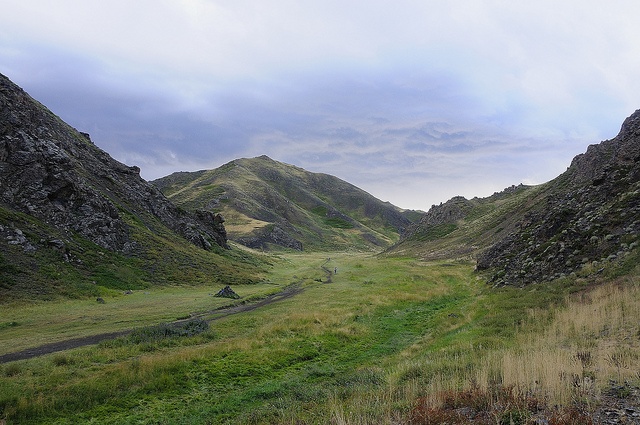
Yolyn Am gives travelers one of the biggest surprises in the Gobi.
Instead of dunes, you enter a narrow mountain gorge in Gobi Gurvansaikhan National Park. The valley cuts through the Gurvan Saikhan Mountains and can remain dramatically cool even when surrounding parts of the Gobi are much warmer.
Winter ice can survive into the warmer months, although travelers should not expect permanent summer ice every year. Recent Discover Mongolia guidance notes that substantial ice may remain into June or July, while warmer conditions can cause it to disappear later in summer.
What Can You Do at Yolyn Am?
Walking is the main experience.
The route takes you through an increasingly narrow valley surrounded by steep rocky walls. Depending on the season, you may encounter streams, ice, wildflowers, birds, and mountain wildlife.
The area is associated with animals including ibex and argali, although wildlife sightings are never guaranteed.
Why Add Yolyn Am to a Gobi Trip?
Because it immediately destroys the idea that the Gobi is only sand.
Within one trip you can stand on a giant dune and later walk through a cool mountain gorge.
That contrast is one of the defining features of southern Mongolia.
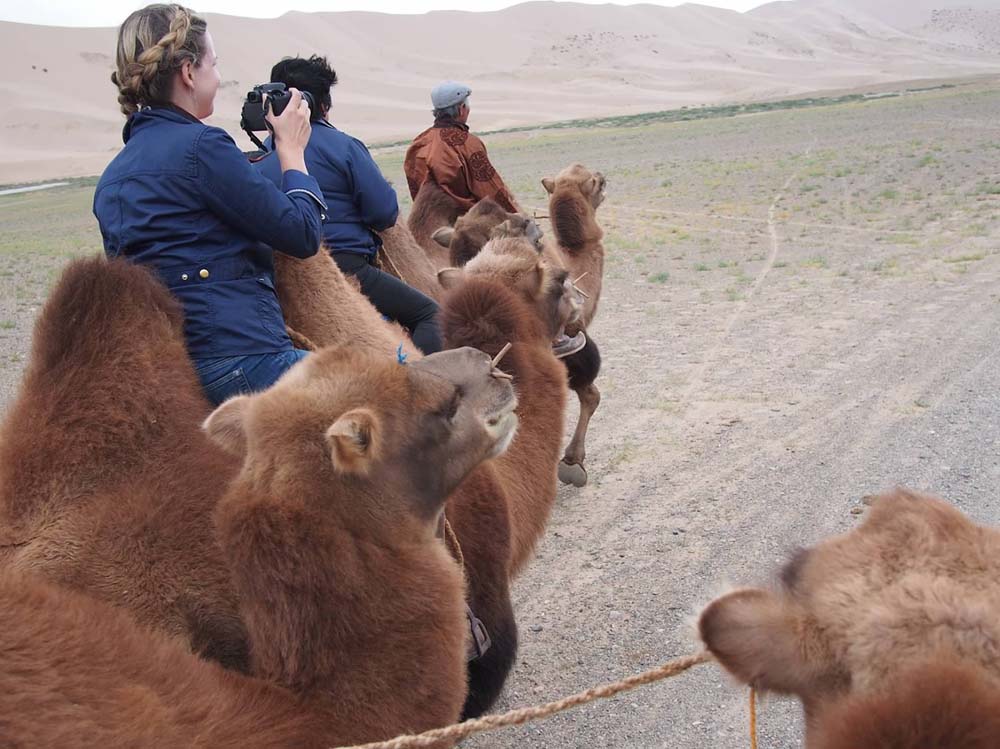
A camel ride is one of the classic Gobi experiences.
Mongolian herding families in the south traditionally raise domestic Bactrian camels, recognizable by their two humps. Camel-herding families continue to live around areas included in current Gobi travel routes.
The experience is very different from horse riding.
A camel rises and lowers its body in stages, so listen carefully to the handler before mounting or dismounting.
Once moving, the pace is generally slow and gives you time to take in the open landscape.
They offer different experiences:
Discover Mongolia's current Gobi itinerary combines camel riding with a visit to a camel-herding household rather than treating the camel only as a tourist attraction.
Use an experienced local handler and follow instructions around the animals.
Do not shout at, hit, or deliberately provoke a camel for photographs. If an animal appears stressed or unwilling to be ridden, the experience should not be forced.
The best camel experience includes learning about Gobi herding as well as taking the ride.
The Gobi changes completely after sunset.
Once the day's driving and activities finish, staying in a ger lets you experience the desert at a much slower pace.
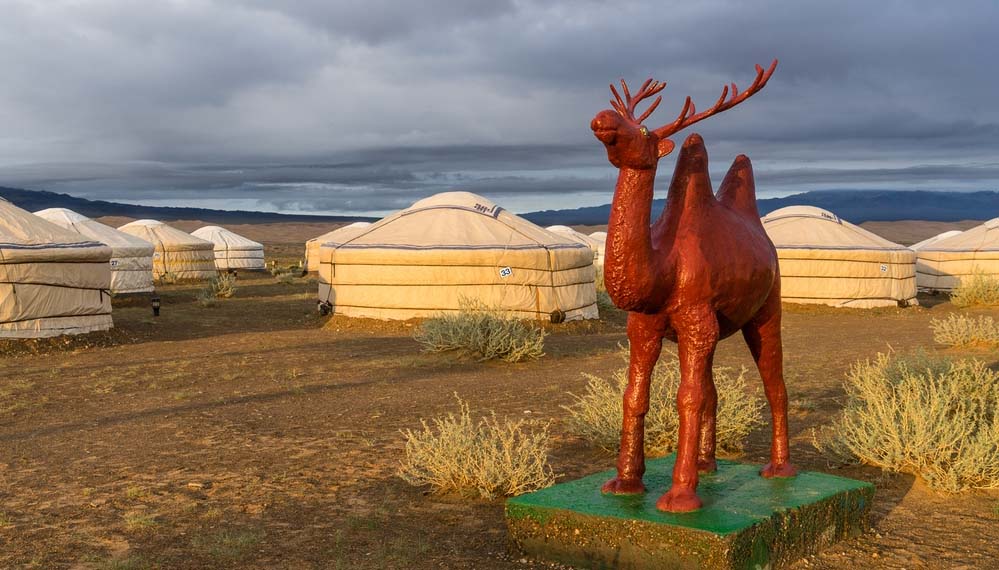
A ger is Mongolia's traditional round portable dwelling. Its craftsmanship and associated customs were inscribed on UNESCO's Representative List of the Intangible Cultural Heritage of Humanity in 2013.
Most visitors on organized Gobi trips stay in tourist ger camps rather than simply moving into a herding family's private ger.
What Is a Gobi Ger Camp Like?
Facilities vary.
Many established tourist camps provide beds, electricity during certain hours, meals, and shared shower and toilet facilities. Some higher-level camps provide more private facilities.
Discover Mongolia's current Gobi tour uses tourist ger camps with electricity and shower facilities, which is different from a basic family homestay.
Do Not Forget to Go Outside at Night
One of the simplest Gobi activities can become one of the most memorable.
Walk away from bright camp lights, give your eyes time to adjust, and look at the sky.
Remote Gobi locations have very little urban lighting compared with Ulaanbaatar.
You do not need an organized activity. Sometimes the silence and night sky are enough.
If you cannot spend much time in the Gobi, choose according to what interests you most:
For a first visit, combining all five creates a much better picture of the Gobi than spending the entire trip around sand dunes.
The old article lists “eat lamb” as one of its five essential Gobi activities.
Trying local food is worthwhile, but it does not need to replace Yolyn Am as one of the five main Gobi experiences.
Mutton is more accurate than simply saying lamb when describing much traditional Mongolian food. Travelers may encounter mutton in dumplings, soups, noodle dishes, boiled meat, or special meals such as khorkhog.
Food varies by camp and household, so do not assume every Gobi meal will be the same.
For the classic southern Gobi highlights, four days is possible if you fly between Ulaanbaatar and Dalanzadgad, but it creates a fairly fast trip.
Discover Mongolia's current four-day Gobi itinerary covers Yolyn Am, Khongoryn Els, a camel ride and herder visit, and Bayanzag before returning to Ulaanbaatar.
If you have more time, a slower trip gives you more room for long drives, walks, photography, family visits, and weather changes.
The Gobi is not a destination where every attraction sits close together.
The main Gobi travel season runs through the warmer months.
Discover Mongolia currently recommends May to September, with June and September particularly good periods for its classic Gobi route.
Each season feels different:
Weather in the Gobi can change quickly, so pack for both heat and cold even during summer.
For a classic Gobi trip, bring:
For Khongoryn Els, shoes that stay secure in loose sand are useful.
For Yolyn Am, bring an extra layer even if the day begins warm.
Do not plan the Gobi as if you were visiting attractions within one city.
Distances are long, and a normal day may include several hours on paved and unpaved roads.
A practical classic route is:
Day 1: Fly or travel toward Dalanzadgad and visit Yolyn Am.
Day 2: Travel to Khongoryn Els, climb the dunes, ride a camel, and meet a camel-herding family.
Day 3: Travel to Bayanzag and explore the Flaming Cliffs.
Day 4: Return toward Dalanzadgad and Ulaanbaatar.
This basic sequence is similar to Discover Mongolia's current short Gobi itinerary.
With additional days, you can add Tsagaan Suvarga, petroglyph sites, longer family visits, or simply reduce the amount of driving each day.
The Gobi may look empty, but it is not unused land.
It supports herding families, wildlife, archaeological sites, fossil deposits, and fragile desert vegetation.
A few simple rules matter:
Discover Mongolia has operated Mongolia journeys since 2004, and its Gobi routes combine the major landscapes with local drivers, guides, ger camps, and camel-herding communities.
What are the top things to do in Mongolia's Gobi Desert?
The five best experiences for a first trip are climbing Khongoryn Els, visiting Bayanzag, hiking Yolyn Am, riding a Bactrian camel, and spending a night in a ger. Together they show that the Gobi includes much more than sand dunes.
Is Khongoryn Els difficult to climb?
Yes, the climb can be tiring because loose sand slides under your feet. You do not need to reach the highest ridge, and starting early or later in the day can make the experience more comfortable.
Were dinosaur eggs really discovered at Bayanzag?
Yes, a member of Roy Chapman Andrews's Central Asiatic Expedition found the first scientifically recognized non-avian dinosaur eggs at the Flaming Cliffs in 1923. The American Museum of Natural History documents the discovery and preserves material from those expeditions.
Can I collect dinosaur fossils in the Gobi?
No, visitors should leave fossils and possible archaeological material exactly where they find them. Photograph the object and tell your guide rather than removing it.
Is there really ice at Yolyn Am in summer?
Yes, ice can remain in the shaded gorge into the early part of summer, but it is not guaranteed throughout the entire season. In warmer years much of the ice can melt by later summer.
Can tourists ride camels in the Gobi Desert?
Yes, camel rides with domestic two-humped Bactrian camels are offered on many Gobi itineraries. A locally guided ride combined with a camel-herder visit gives better cultural context than treating the animal only as a photo opportunity.
Can you stay in a ger in the Gobi Desert?
Yes, tourist ger camps are a standard form of accommodation on many Gobi routes. Facilities vary, so check whether your camp has showers, private bathrooms, electricity, or shared facilities before traveling.
How many days should I spend in the Gobi Desert?
A four-day fly-in itinerary can cover the main southern Gobi highlights, but additional days make the trip less rushed. Longer itineraries are especially useful if you want more hiking, photography, cultural visits, or additional desert destinations.
Discover Mongolia has organized tailor-made tours since 2004.
We handle flights, accommodation, guides, vehicles — you focus on the journey.