How to Travel to Mongolia from the USA or Canada in 2026: Flights, Visas & Routes
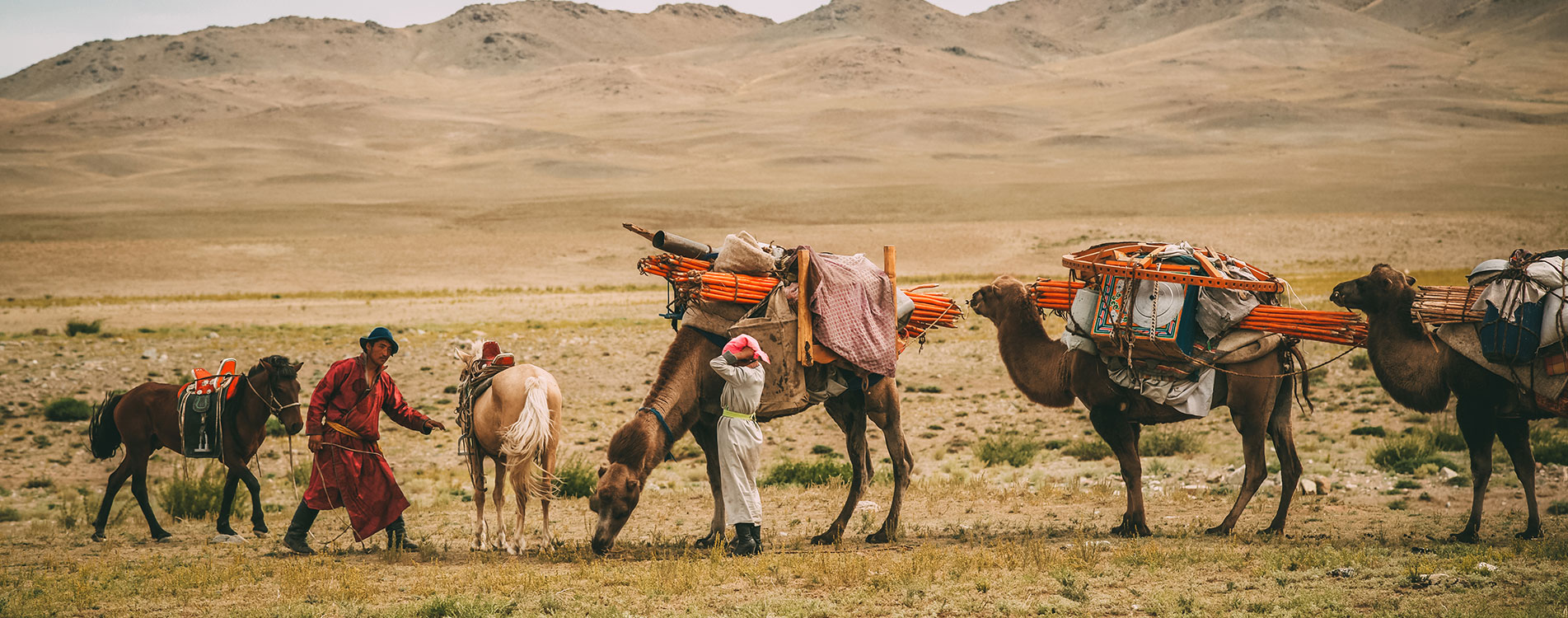
Staying with a nomadic or semi-nomadic herding family is one of the best ways to understand everyday life in rural Mongolia. Instead of staying only in a tourist ger camp, you spend time close to a real household, its livestock, daily work, food, and changing routines. The experience can be simple, comfortable, surprising, and sometimes challenging. Knowing what to expect makes it easier to enjoy the visit without expecting the family to perform a version of “traditional life” for tourists.
Expect to sleep in a ger, eat food prepared by or with your hosts, spend time around livestock, and experience facilities that may be much simpler than those in a hotel. Toilets, showers, electricity, phone signal, and sleeping arrangements vary greatly between families and locations. You may be invited to help with milking, herding, cooking, or other daily tasks, but these activities depend on the family and season. The most important part of the stay is observing and participating respectfully in normal family life rather than expecting a staged cultural show.
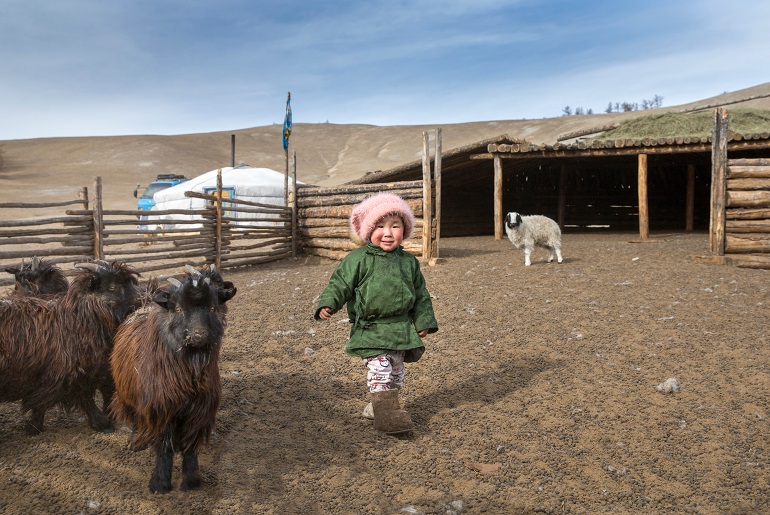
A family stay means spending time with a rural herding household, usually in or beside the family's ger.
Mongolian pastoral families traditionally move between grazing areas according to livestock needs and seasonal conditions. Although this way of life has changed considerably, pastoral herding remains economically and culturally important across rural Mongolia.
A homestay may be arranged directly or through a local tour operator. Discover Mongolia's current nomadic-life information recommends organized family stays as one way visitors can experience milking, herding, and ger life firsthand.
Sometimes, but not always.
Depending on the household and tour arrangement, travelers may sleep:
A ger is Mongolia's traditional circular portable dwelling, constructed from a wooden frame covered with felt and an outer covering. Traditional craftsmanship of the Mongol ger and its associated customs were added to UNESCO's Representative List of the Intangible Cultural Heritage of Humanity in 2013.
Do not assume that every family ger contains exactly two or three beds, as the old version of this article suggests. Household arrangements differ considerably.
These two experiences are often confused, but they are not the same.
Discover Mongolia's ger guide notes that tourist accommodation ranges from simple family camps with outdoor toilets to higher-end camps with attached bathrooms.
If you want an actual family experience, ask whether your itinerary says family homestay or simply ger camp.
A traditional ger is compact but carefully organized.
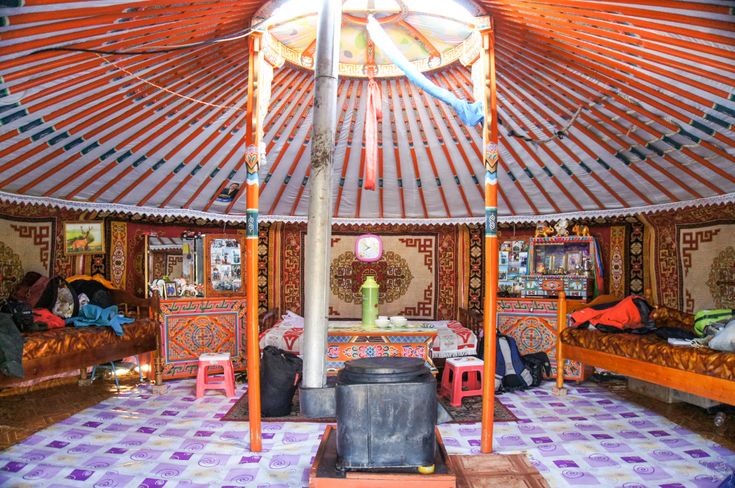
The central stove provides heat and is often used for cooking. Beds, storage chests, household items, religious objects, photographs, televisions, and other belongings may be arranged around the walls.
A family's ger is a real home, not a museum.
Modern objects should not surprise you. Mongolia introduced large-scale portable solar electrification for herding families, allowing many rural households to use lights, televisions, radios, and mobile-phone chargers without being connected to the national electricity grid.
Seeing a solar panel, motorcycle, smartphone, satellite dish, or television does not make the family “less nomadic.”
Do not assume either way.
Many rural herding households have solar panels or another small source of electricity. Charging phones may therefore be possible, but electricity can be limited and should not be treated like unlimited hotel power.
Mobile signal depends heavily on location.
Some camps may have good reception. Others may have weak or no signal at all.
Wi-Fi is much less likely at a genuine remote family stay than at a tourist ger camp.
Bring a power bank and download anything important before leaving Ulaanbaatar or the nearest town.
This is one of the biggest differences from staying in a hotel.
At a remote family stay, the toilet may simply be an outdoor pit toilet or basic wooden outhouse located away from the ger.
Do not automatically expect:
Facilities vary substantially from family to family.
Tourist ger camps often have dedicated washing and toilet buildings, but those facilities should not be used as the standard for a genuine herder-family stay.
Bring toilet paper, hand sanitizer, wet wipes, and a small flashlight or headlamp.
Maybe, but do not count on it.
Water is valuable in many rural areas, and a family may collect or transport its household water rather than having running water inside the ger.
For a one-night homestay, many travelers simply wait until the next ger camp or hotel for a full shower.
Ask your guide beforehand what washing facilities will be available.
That is much better than arriving with expectations based on a tourist camp.
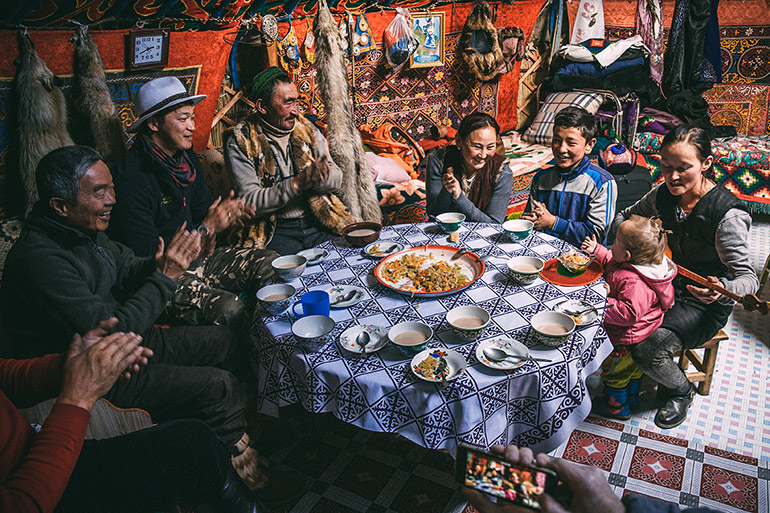
Food depends on the family, region, season, and livestock they keep.
Traditional rural Mongolian food relies heavily on meat and dairy products. Common foods or drinks you may encounter include:
Mongolian cuisine developed around livestock, seasonal food production, and preserving food for the country's long winters.
Do not expect every family to prepare a special feast simply because visitors arrive.
Possibly, but it should not be promised as part of every homestay.
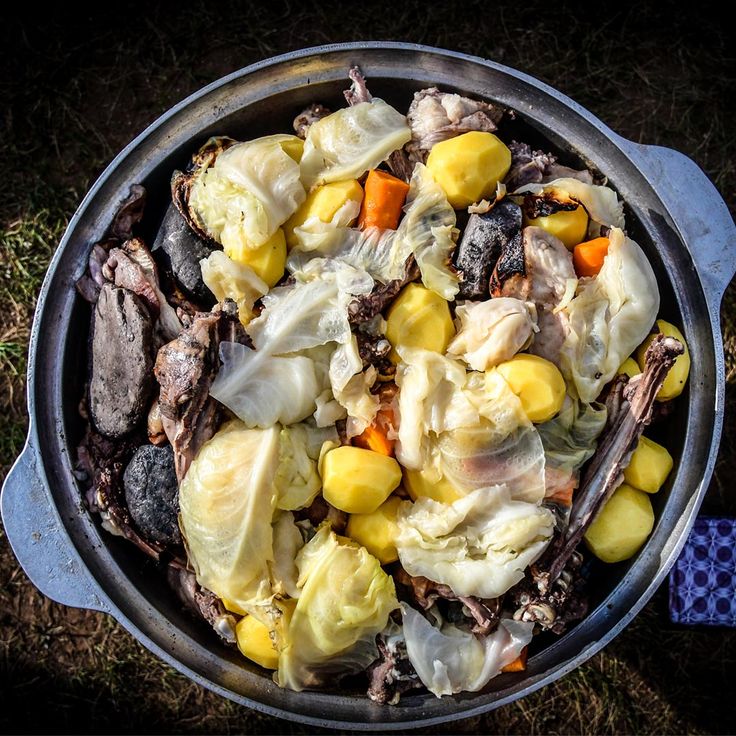
Khorkhog is a Mongolian meat dish cooked using heated stones inside a closed container. It is sometimes prepared for gatherings and groups, but it is not something every herding family cooks every night.
The old article describes traditional barbecue as being “fried by hot stone.” That is inaccurate.
If khorkhog is included in your itinerary, treat it as a special meal rather than a normal daily dinner.
No, visitors should not expect that staying with a Mongolian family means drinking “lots of vodka.”
Alcohol may be offered in some households or during celebrations, but customs vary widely. Airag may also be offered during the warmer season in areas where families milk mares.
You do not need to drink heavily to be respectful.
If you do not drink alcohol, politely explain that you do not drink. Your guide can help communicate this if necessary.
The purpose of a family stay is cultural exchange, not alcohol consumption.
You may have the opportunity.
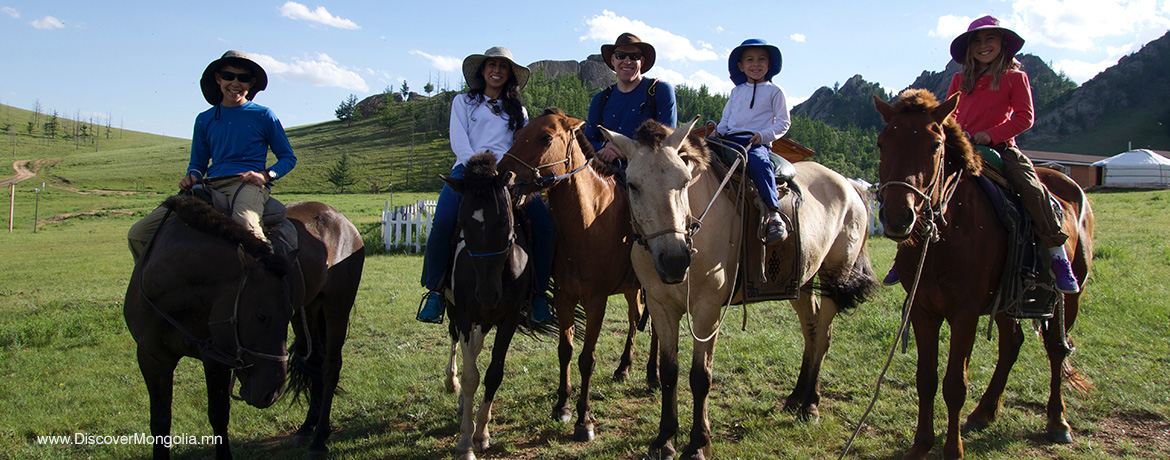
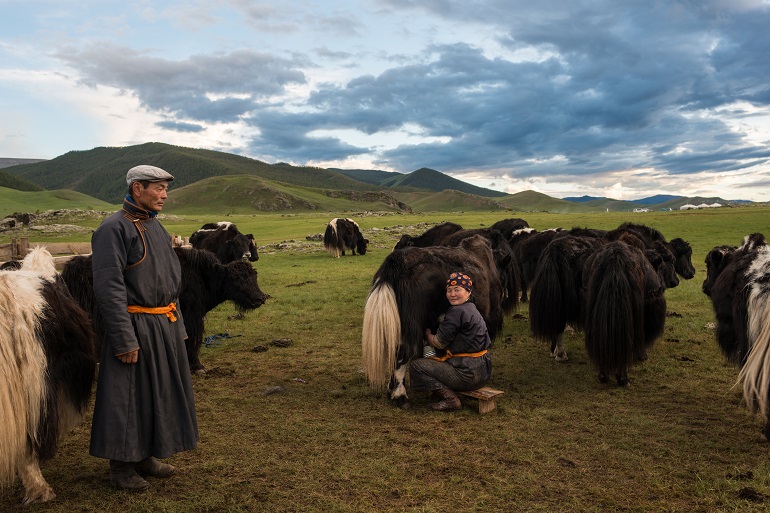
Depending on the season and household, visitors might observe or help with activities such as:
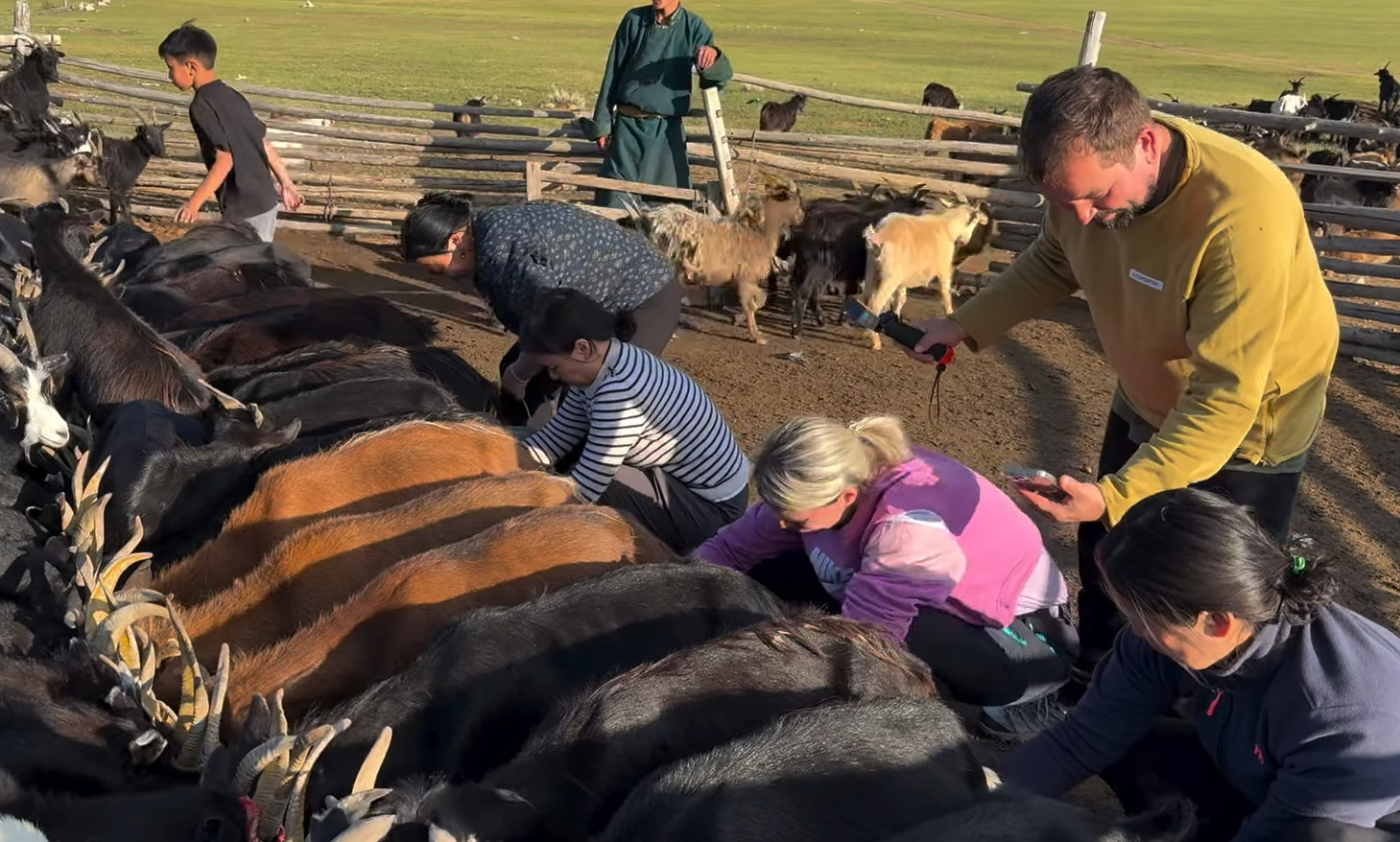
These should be described as possible experiences, not guaranteed activities.
A herding family is doing real work. Animals need to be managed according to weather, pasture, birth cycles, and household needs rather than a travel schedule.
If your host asks you to join, listen carefully and follow instructions.
There is no universal schedule.
Daily routines depend on:
Summer mornings may begin early susch as around 6 am because livestock work starts before the day becomes hot.
Other days may be quieter.
One of the best parts of staying with a family is seeing that rural life follows animals and weather rather than a fixed tourism timetable.
No, this is one of the biggest stereotypes to avoid.
Many herding families combine traditional pastoral practices with modern technology.
Solar electricity has been widely introduced among Mongolian herders, while phones, motorcycles, televisions, vehicles, and other technology have changed how families communicate and manage livestock.
This does not make their lifestyle fake.
Nomadism describes the relationship between people, livestock, pasture, and seasonal movement. It does not require people to reject technology. Nowadays, number of people using modern technologies such as starlink etc in countryside are increasing.
You do not need to memorize dozens of rules before entering a ger.
Follow your host and guide, and remember a few common customs:
Discover Mongolia's current cultural guidance recommends receiving food with the right hand or both hands and asking people before taking photographs.
If you make a small etiquette mistake, do not panic. Being attentive and respectful matters more than performing every tradition perfectly.
A small gift can be a thoughtful gesture, but it does not need to be expensive.
Useful choices may include:
If your family stay is organized through a tour company, ask whether a gift has already been arranged.
Avoid turning gift-giving into an obligation or distributing sweets directly to children without checking with their parents.
A sincere thank-you is also important.
Yes, when the people involved are comfortable with it.
Ask before taking close portraits, photographing children, or recording people carrying out personal household activities.
Do not assume that paying for a tour gives you unlimited permission to photograph a family.
Photos of the landscape, livestock, and ger may also involve someone's home and property, so follow your host or guide's advice.
Respectful photography makes the interaction feel much more like a visit and much less like an exhibition.
There may be.
Many herding households keep livestock guardian dogs, including traditional Bankhar-type dogs. Their job is to protect the home and livestock, so an unfamiliar visitor may be treated as a potential threat.
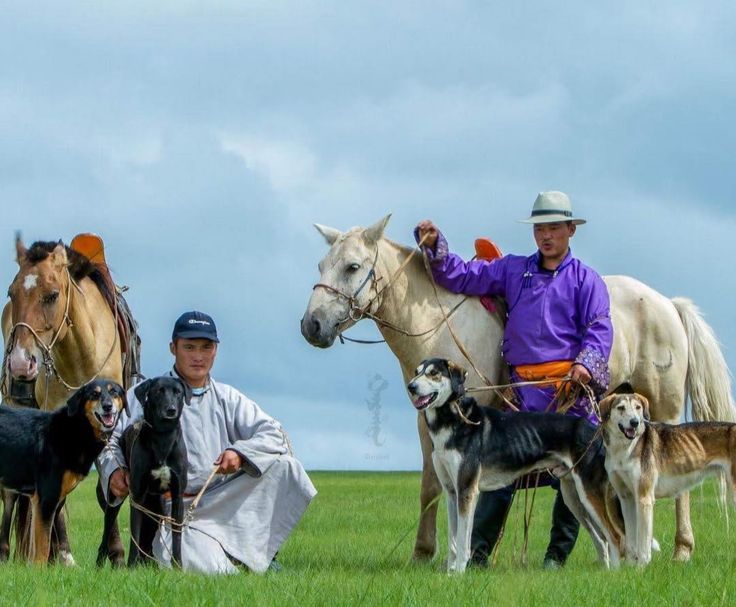
Do not walk straight toward a barking dog.
Stay close to your guide or host and wait until the family has control of the dog before approaching the ger.
A livestock guardian should be treated as a working animal, not automatically as a pet.
It can be comfortable, but comfort is not standardized.
The ger itself can be warm and cozy, especially when the stove is burning. A bed or mattress may also be perfectly comfortable after a long day outside.
The challenges are more likely to be:
That does not mean travelers should be told they “shouldn't expect comfort,” as the old article says.
It is more accurate to say that the level and type of comfort are different from a hotel.
A small overnight bag is usually easier than bringing your full luggage into the ger.
Useful items include:
Bring enough to be comfortable without expecting the family to provide hotel-style supplies.
The best family stays happen when travelers arrive with curiosity rather than expectations.
Try to:
Responsible tourism can also provide additional income to rural households, so it matters how family visits are arranged and whether hosts benefit fairly from the experience. UNESCO reporting for the Orkhon Valley notes that tourism can contribute to rural livelihoods when visitors respect local heritage, customs, and nomadic life.
Discover Mongolia works with local families as part of countryside travel experiences, helping visitors understand the practical customs of rural Mongolia without expecting hosts to change their normal lives for a performance.
The best part is often not a scheduled activity.
It may be sitting inside the ger while tea is prepared, watching animals return in the evening, helping with a small task, listening to family conversation through your guide, or waking up with livestock outside.
A family stay makes Mongolia's pastoral culture easier to understand because you see how the ger, livestock, landscape, weather, technology, and family routines work together.
It is less about “going back in time” and more about seeing a living culture that continues to change.
Can tourists stay with a nomadic family in Mongolia?
Yes, travelers can stay with rural herding families, usually through an organized homestay or tour. Sleeping arrangements and facilities differ by household, so ask exactly what is included before your trip.
Will I sleep in the same ger as the family?
Not necessarily. Some travelers sleep in the family's ger, while others use a separate guest ger beside the household.
Do nomadic family stays have toilets and showers?
Yes, there will normally be some form of toilet facility, but it may be a very basic outdoor toilet. A shower or running hot water should not be expected unless your specific accommodation confirms it.
Do Mongolian nomads have electricity?
Yes, many herding families use portable solar-power systems for lighting, phone charging, televisions, and other small devices. Electricity can still be limited, especially in remote areas.
Do I have to drink vodka when staying with a Mongolian family?
No, you do not have to drink alcohol to be respectful. If alcohol is offered and you do not drink, politely decline or ask your guide to explain.
Can I help herd animals during my stay?
Yes, you may be invited to help or observe livestock work depending on the household and season. It is not guaranteed, and visitors should always follow the family's instructions around animals.
What food will I eat during a nomadic family stay?
Expect simple rural food based largely on meat, dairy products, flour, and tea, although meals vary by household and season. You may also be offered foods such as aaruul, suutei tsai, dumplings, or airag when available.
Is staying with a nomadic family safe?
Yes, organized family stays are generally suitable for travelers, but rural conditions require normal precautions around dogs, horses, livestock, stoves, food allergies, and remote locations. Follow your host and guide's instructions and tell your tour operator about medical or dietary needs before leaving the city.
Discover Mongolia has organized tailor-made tours since 2004.
We handle flights, accommodation, guides, vehicles — you focus on the journey.